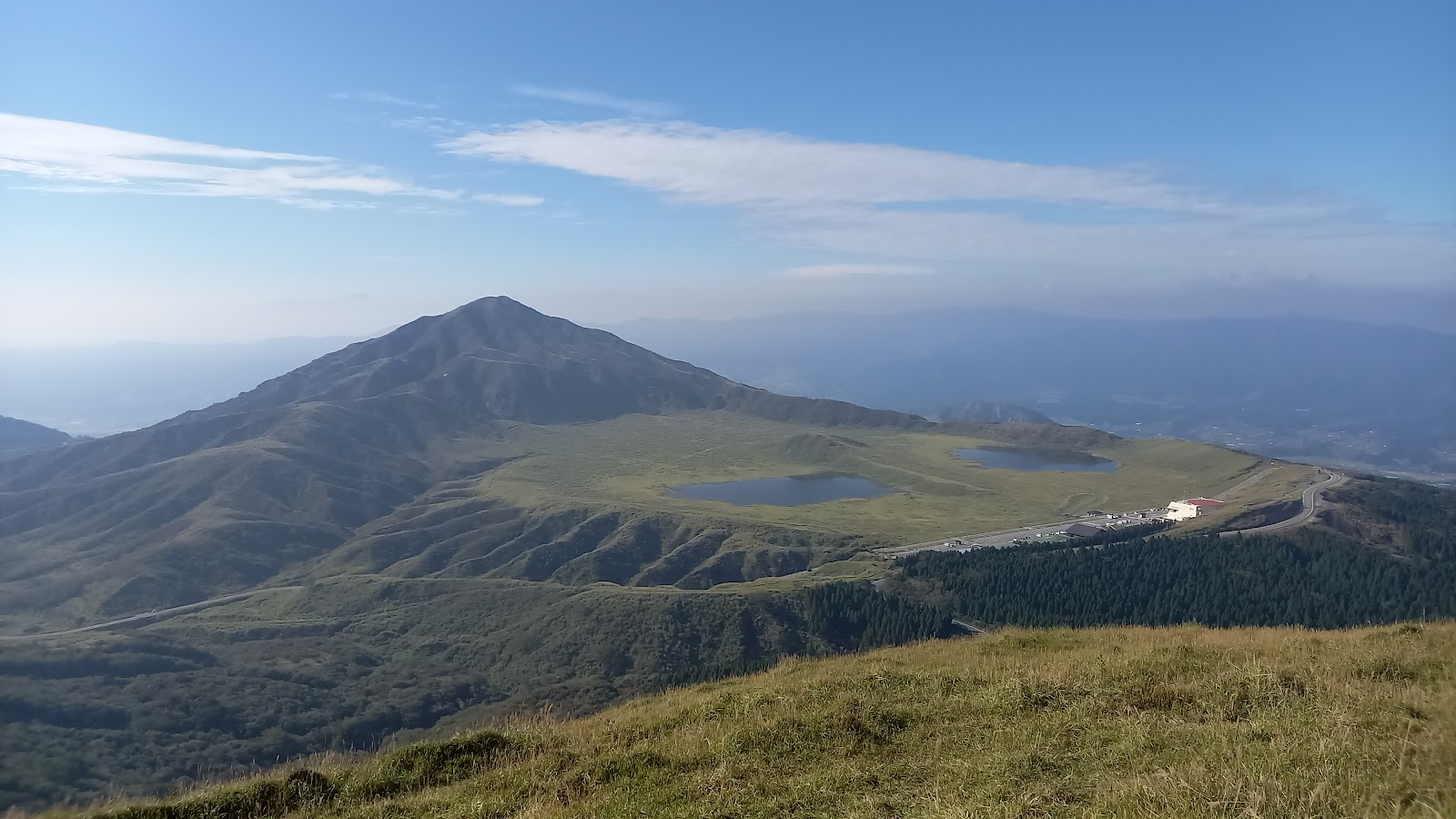
An easy grassy crater walk above Kusasenri with sweeping views over the Aso caldera and its five central peaks.
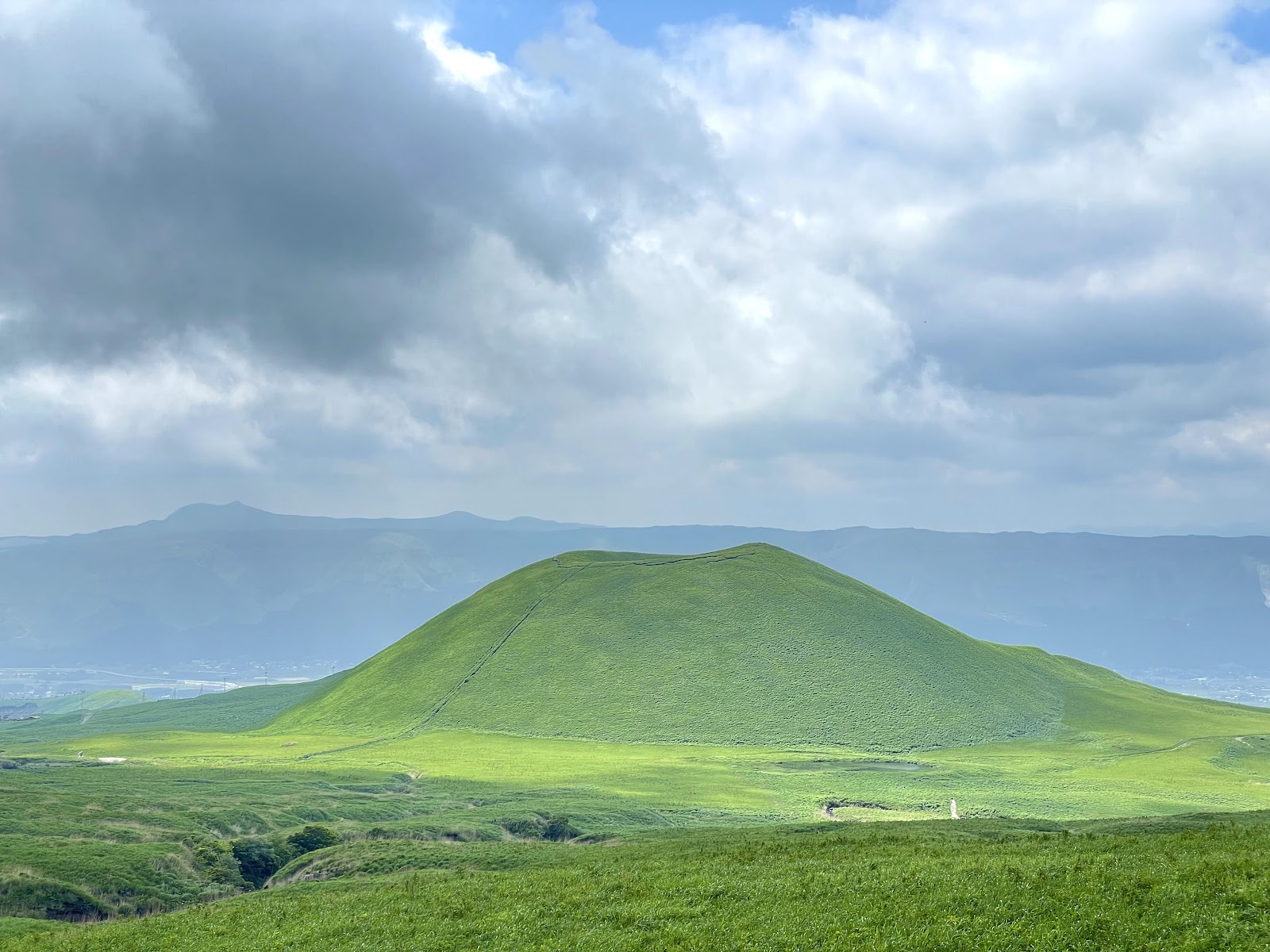
Mount Kijimadake, at 1,321 metres the lowest of the Aso Five Peaks, is the friendliest introduction to volcano walking in the whole caldera. Rising immediately above the grassland bowl of Kusasenri, it offers an almost effortless payoff: a gently graded loop trail rings a shallow, long-extinct crater, and within half an hour of leaving the car park you are standing on a broad green rim with the entire central cone group laid out around you. For families, casual walkers and anyone short on time, it is the pick of the peaks.
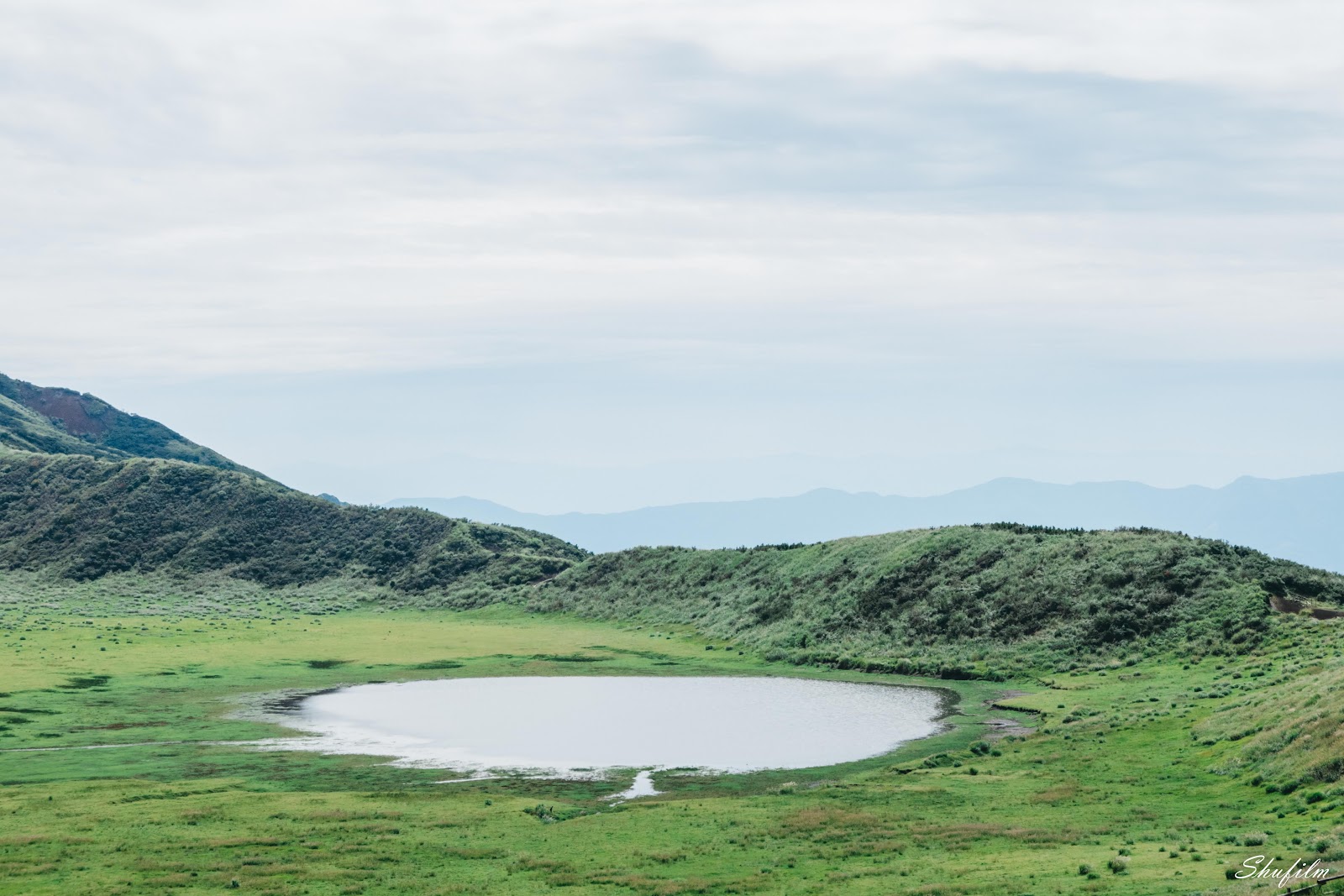
The mountain's rounded, meadow-like form is deceptive. Kijimadake is a genuine volcanic cone, and the grassy hollow you circle is its crater, now softened by centuries of turf and grazed by the Aso cattle that give these highlands their open, pastoral character. From the rim the views are exceptional and constantly changing as you walk: to the east, the steaming grey mass of Nakadake and the sharp summit of Takadake; to the south, the smooth dome of Eboshidake; and directly below, the vast circular plain of Kusasenri with its seasonal ponds mirroring the sky. Beyond, the outer walls of the caldera close the horizon in every direction, a reminder that this entire landscape sits inside the collapsed heart of an ancient super-volcano.
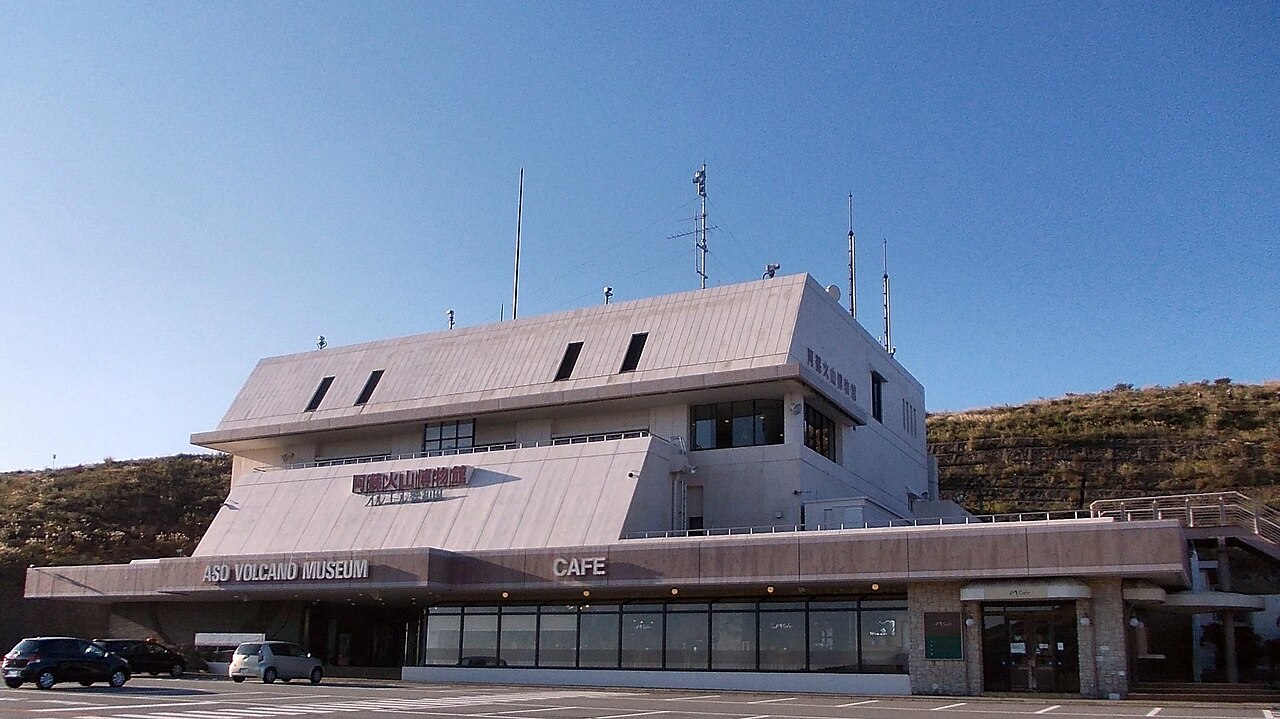
Because it requires no scrambling and gains little height, Kijimadake suits visitors who want the Aso panorama without the commitment of the higher peaks. The full crater loop takes around an hour at a relaxed pace, with several natural viewpoints where you can pause and pick out landmarks. It also pairs neatly with a stroll around Kusasenri and a visit to the nearby Aso Volcano Museum, making a comfortable half-day even for those travelling by public transport.
The grasslands here are a working part of Aso's thousand-year tradition of controlled burning and grazing, which keeps the slopes open and treeless. In spring the burnt fields flush a startling green; summer is lush and warm; and autumn turns the susuki pampas grass to shimmering silver and gold, the most photogenic season of all. Winter snow occasionally transforms the rim into a bright white ridge, though wind and ice can make the path slippery. There is almost no shade at any time of year, so bring water, sun protection and a wind layer.
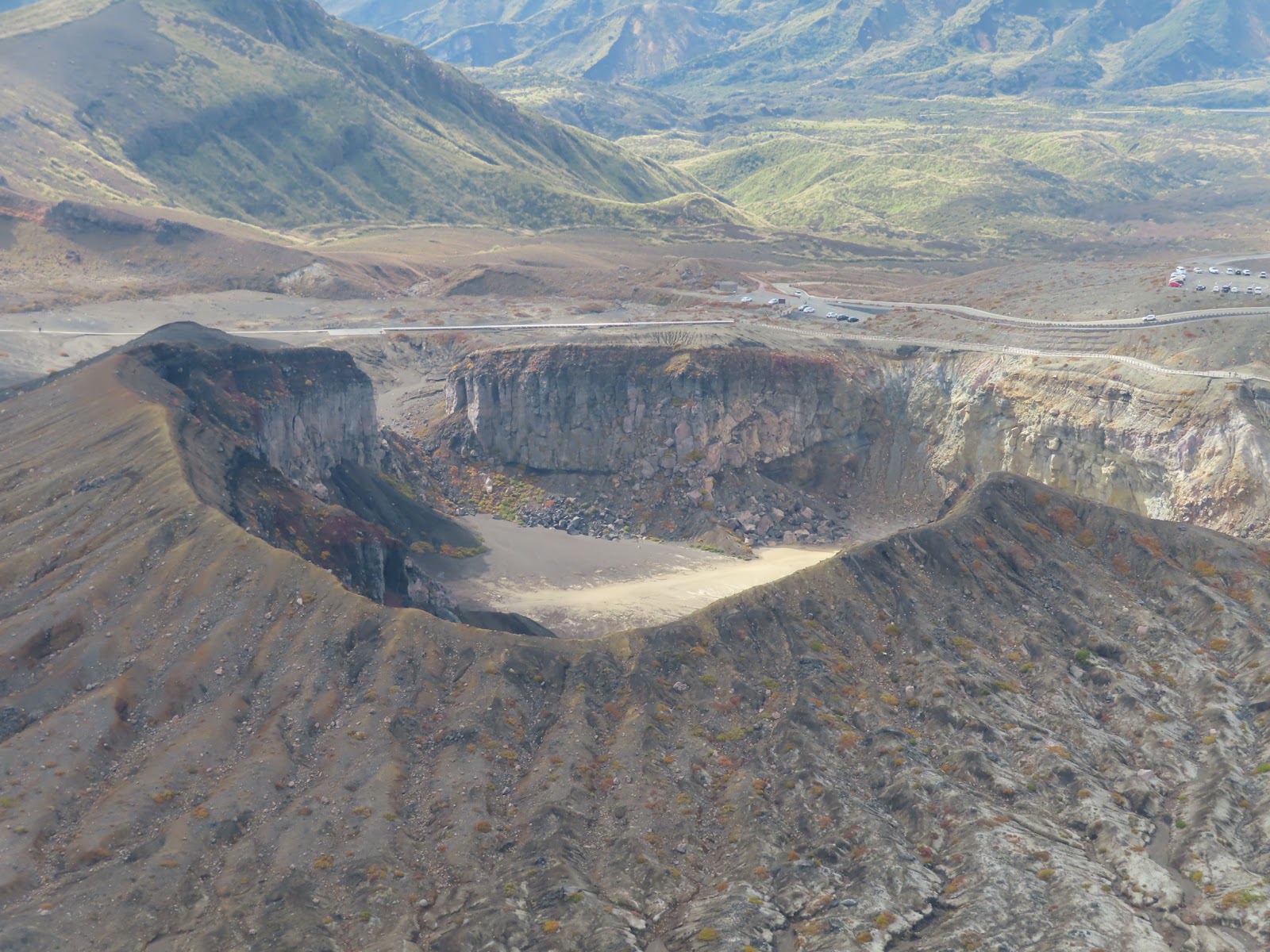
Access mirrors the other central peaks. From Aso Station on the JR Hohi Main Line, Sanko buses climb the Aso Panorama Line to Kusasenri, where the Kijimadake trail begins at the western edge of the car park; drivers can use the same large lot. As with all the central cones, conditions on Nakadake can trigger temporary access restrictions in the immediate crater zone, but Kijimadake's rim remains open and makes an excellent, low-effort substitute when the active crater is closed to visitors. Few viewpoints in Kyushu return so much scenery for so little climbing.
A local's tip
Walk the crater rim clockwise late in the afternoon so the low sun rakes across Kusasenri and Eboshidake for the best photographs.
Best time to visit
Morning, spring through autumn
Getting there
Take the Sanko bus from Aso Station toward Aso-san Nishi and get off at Kusasenri; the Kijimadake loop trail starts from the western end of the Kusasenri car park. By car, park at Kusasenri off the Aso Panorama Line.
Good to know
- Parking
- Restrooms
Plan the whole trip offline
Mount Kijimadake is one of many places in the Real Japan app — with turn-by-turn directions, nearby spots and full offline maps you can use with no signal.