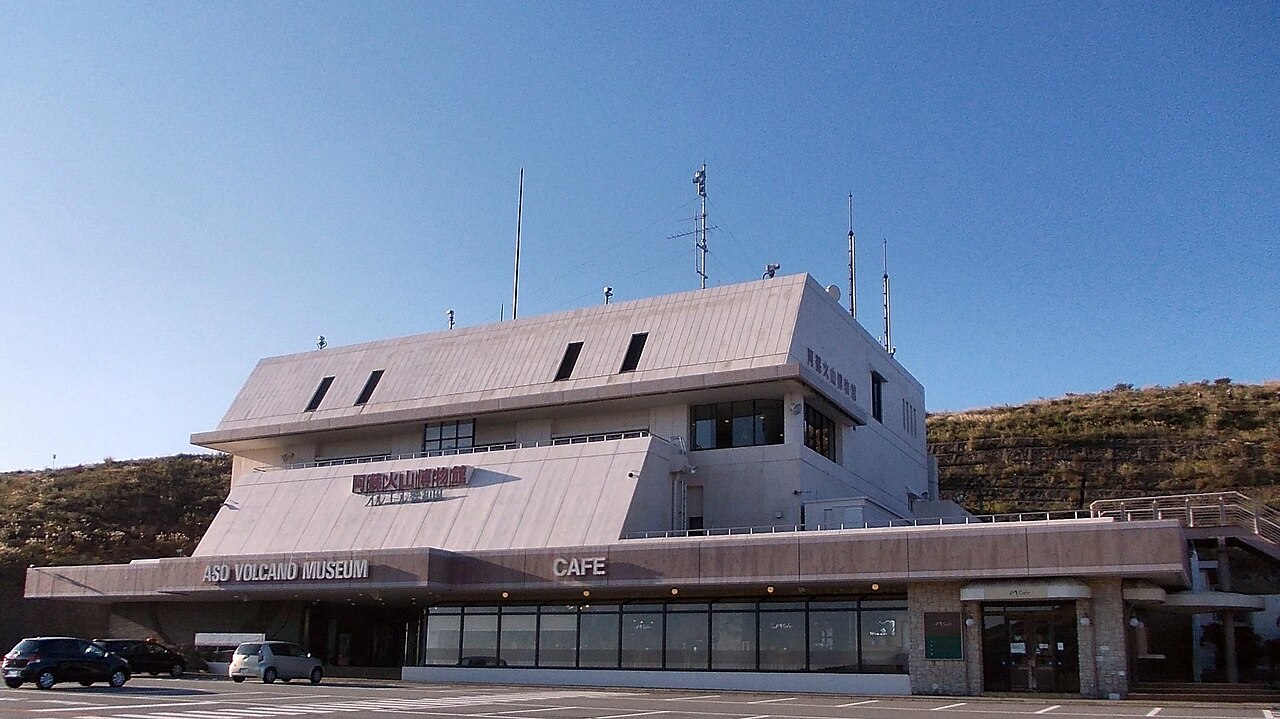
A geology museum at Kusasenri explaining Mount Aso's caldera, with live camera feeds from inside the active Nakadake crater.
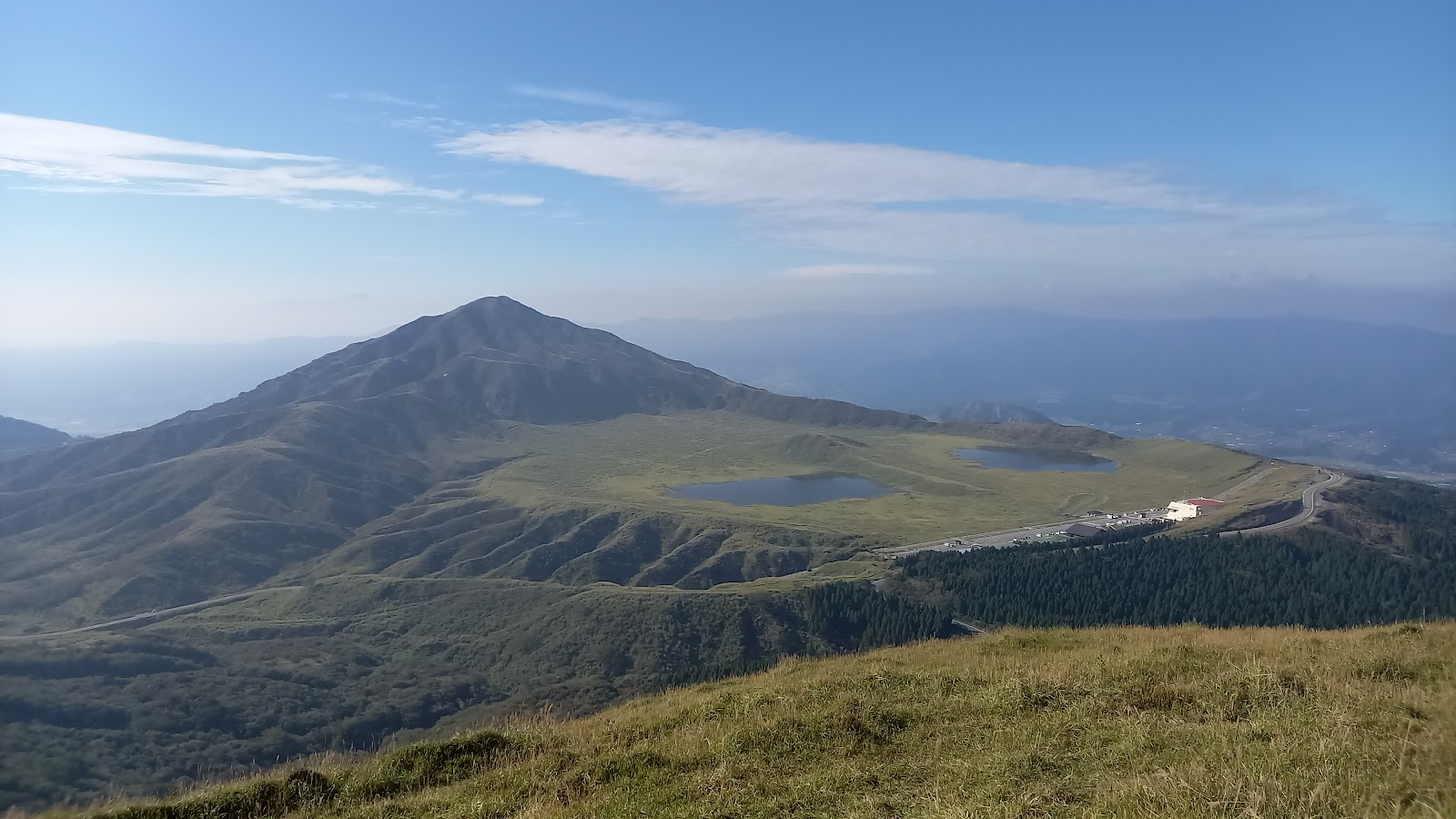
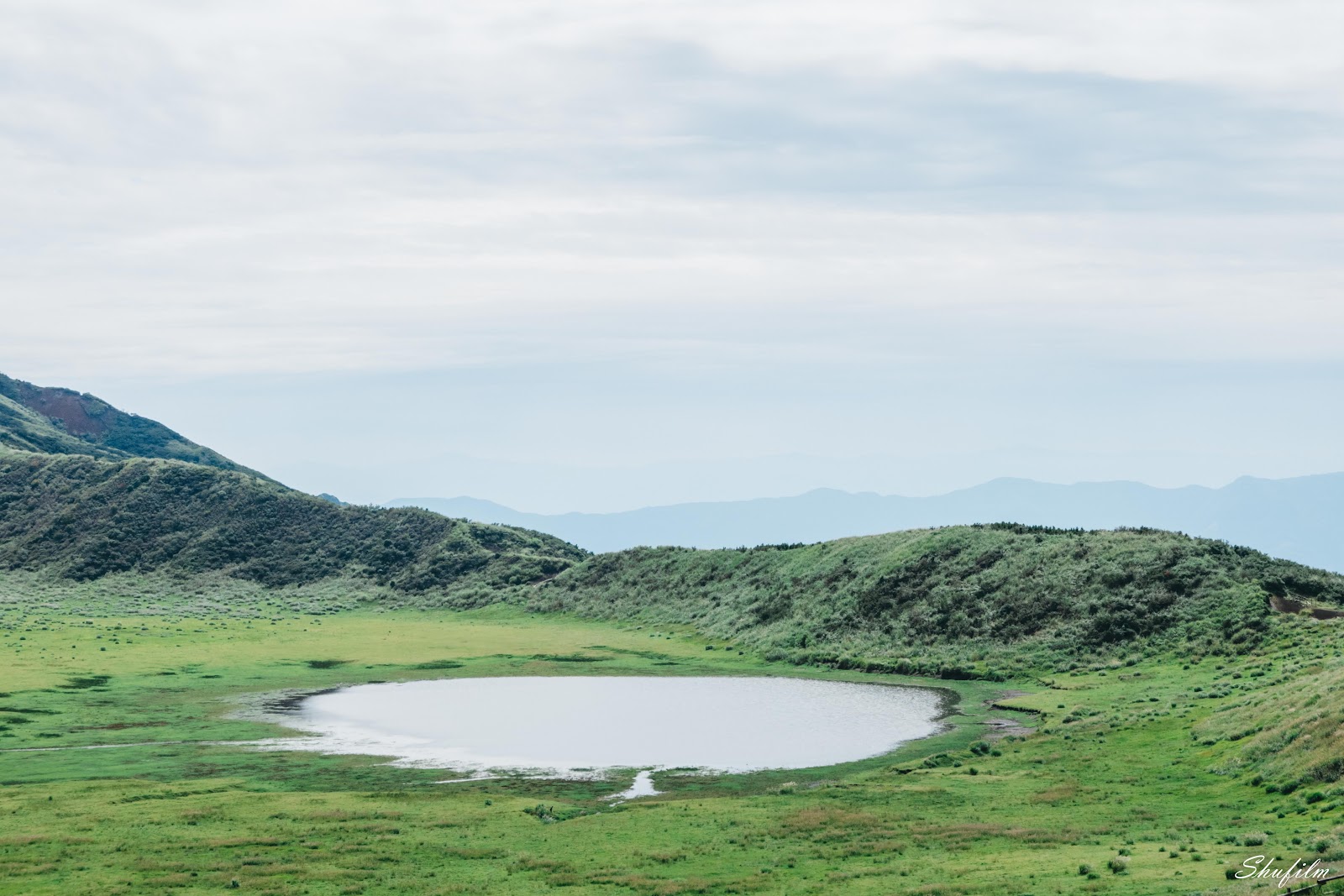
The Aso Volcano Museum stands at Kusasenri, the grassy former crater high on the Aso Panorama Line, directly across the road from the rolling meadow and its grazing horses. It is the best place in the region to understand what you are actually looking at: one of the largest volcanic calderas in the world, roughly 25 kilometres across, formed by colossal eruptions tens of thousands of years ago and still very much alive at its centre.
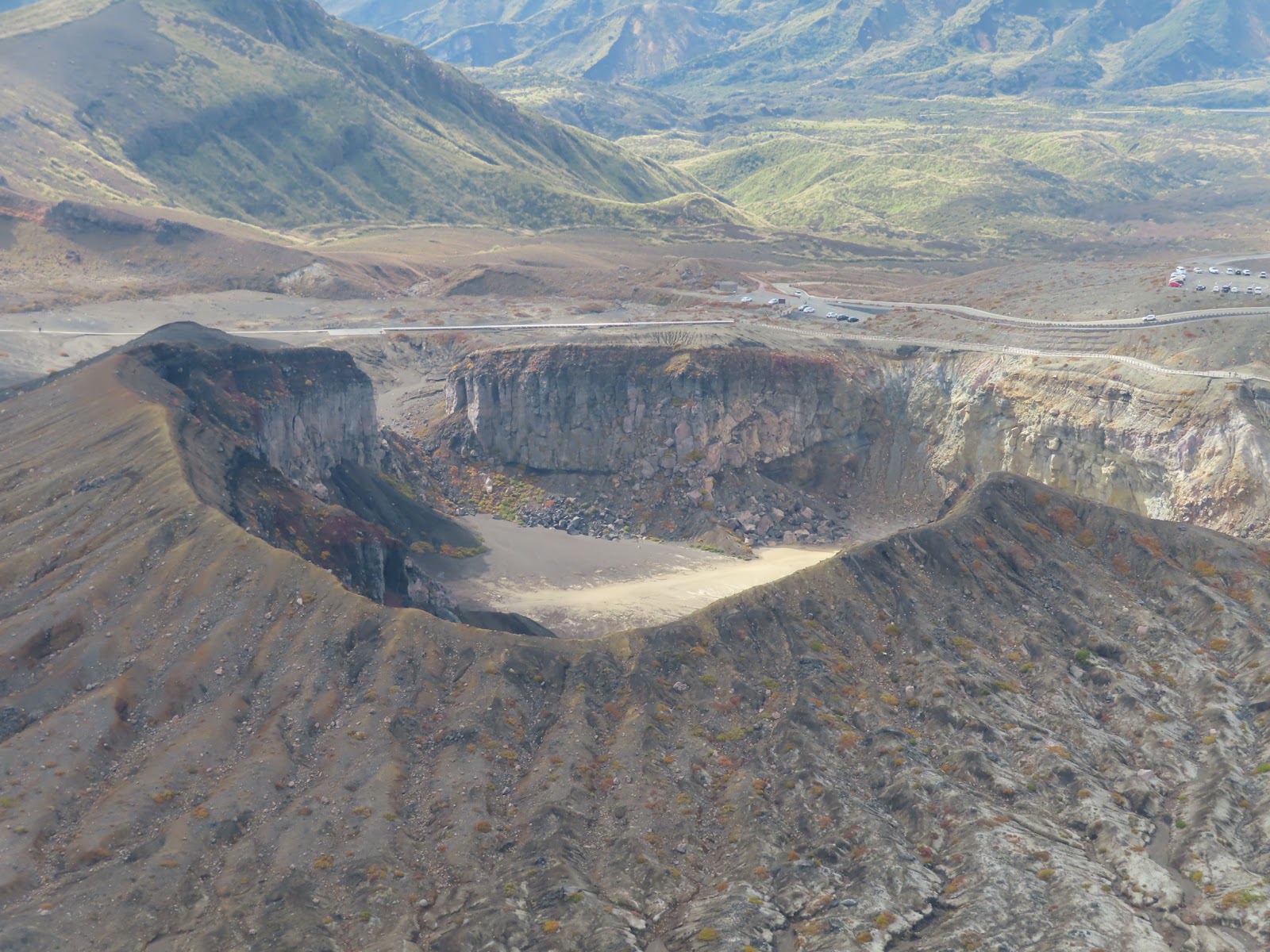
The museum tells the 30,000-year story of Aso, from the caldera-forming super-eruptions to the present-day activity of Nakadake, the crater that still steams, rumbles and occasionally throws ash. Exhibits explain plate tectonics, magma, the chemistry of volcanic gas and the way the caldera's rich soils and grasslands support the farming and horse culture of the Aso basin. Models, samples and films make the science accessible for families and first-time visitors, and multilingual panels help international travellers follow along.
The standout feature is practical as well as educational. Cameras mounted on the rim of the active Nakadake crater feed live images into the museum, so even when the crater itself is off-limits, and it frequently is, closed at short notice by high sulphur-dioxide levels or bad weather, you can still watch the vent smoke and boil on the museum screens. For anyone whose trip coincides with a crater closure, this is the consolation prize that turns a disappointment into a genuine understanding of why the mountain is dangerous.
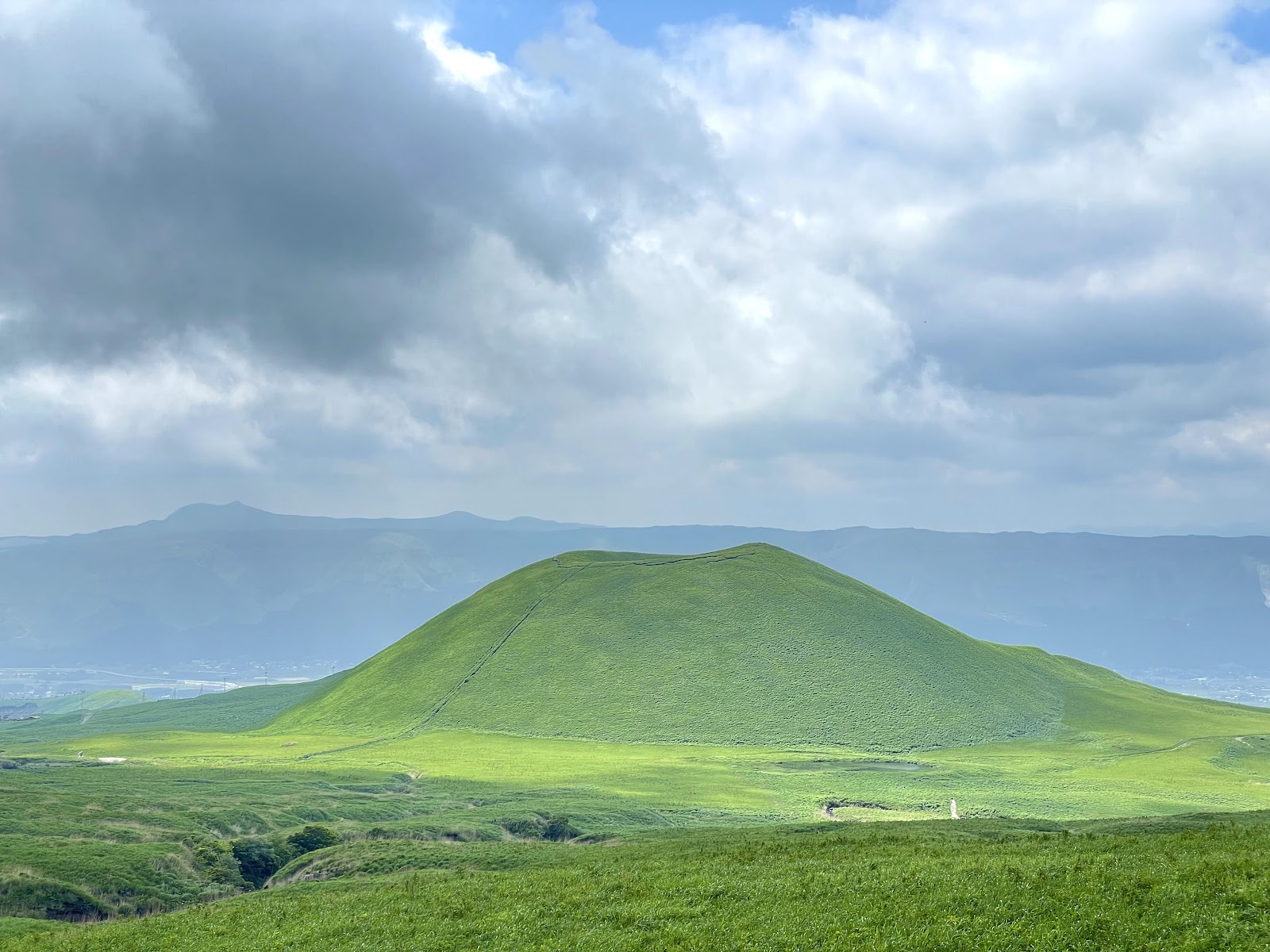
The location makes it easy to fold into an Aso day. Kusasenri is the natural hub of the Panorama Line: the museum, a large car park, cafes and souvenir shops all cluster here, with the iconic grass-covered cone of Komezuka a short drive away and the Nakadake crater beyond. Many visitors stop at the museum first to orient themselves, then decide whether the crater is open before driving up.
Entry is a flat fee, a little higher than a typical civic museum, reflecting its private operation and the live monitoring it maintains. It opens daily through the day, has ample parking, restrooms, a cafe and a shop selling volcanic-themed souvenirs and local produce. The building is accessible and family-friendly.
Getting here without a car means taking the JR Hohi Main Line to Aso Station, then the Aso-Kusasenri sightseeing bus up the mountain to the Kusasenri stop; the railway portion is covered by the Japan Rail Pass. Drivers simply follow the Panorama Line up from the Aso basin. Note that the mountain roads and crater access can close in bad weather or high volcanic activity, so check conditions before setting out, and treat the museum as both a first stop for orientation and a reliable backup when the summit is out of reach.
A local's tip
When volcanic gas or fog closes Nakadake's crater rim, the museum's live crater-cam feed is the safest way to 'see' the vent up close.
Best time to visit
Useful when the crater is closed by gas or weather
Getting there
From JR Aso Station take the Aso-Kusasenri sightseeing bus or drive up the Aso Panorama Line to the Kusasenri parking area, where the museum stands opposite the grassland.
Good to know
- Cafe
- Parking
- Restrooms
- Museum Shop
Plan the whole trip offline
Aso Volcano Museum is one of many places in the Real Japan app — with turn-by-turn directions, nearby spots and full offline maps you can use with no signal.