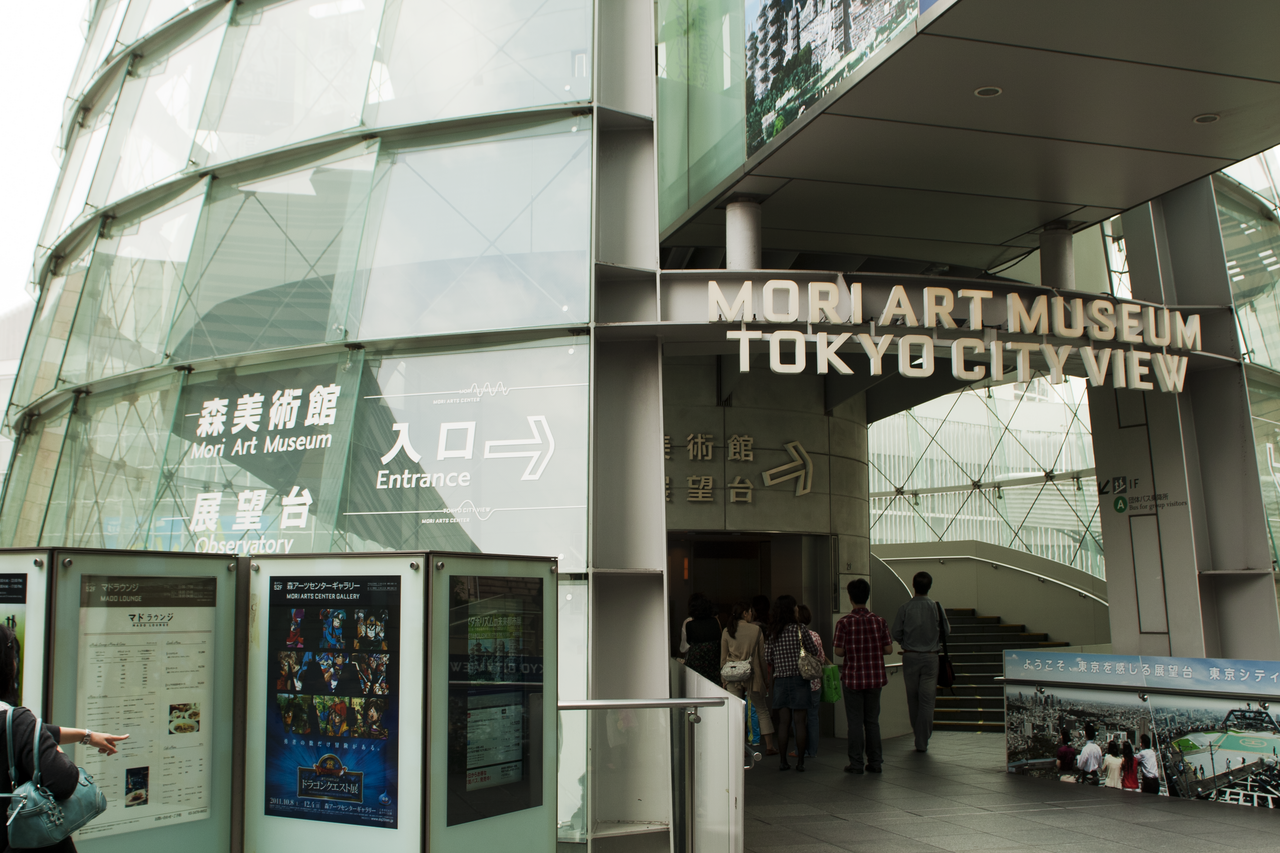
Bold contemporary-art museum on the 53rd floor of Roppongi Hills, with a skyline observation deck on the same ticket.
The Mori Art Museum crowns the fifty-third floor of the Mori Tower in Roppongi Hills, and it is the most spectacularly sited contemporary-art museum in Tokyo. Founded in 2003 by developer Minoru Mori as the cultural centrepiece of his ambitious city-within-a-city, it has built a reputation for adventurous, thought-provoking exhibitions that reach far beyond the usual Western canon, spotlighting Asian and Japanese artists, architecture, design and social themes. Combined with the panoramic city view on the same floors, it delivers art and one of Tokyo's great skyline experiences in a single visit.
Unlike most museums, the Mori has no permanent collection on constant display; instead it mounts a rolling programme of large, carefully curated special exhibitions, typically two or three major shows a year. These range from mid-career retrospectives of leading contemporary artists to sweeping thematic surveys on subjects like future cities, catastrophe and rebirth, or the art of a particular Asian region. Because the content changes completely with each show, every visit is different, and the museum's willingness to tackle challenging ideas makes it a favourite of Tokyo's creative community. Check what is currently on before you go, as the appeal depends entirely on the exhibition.
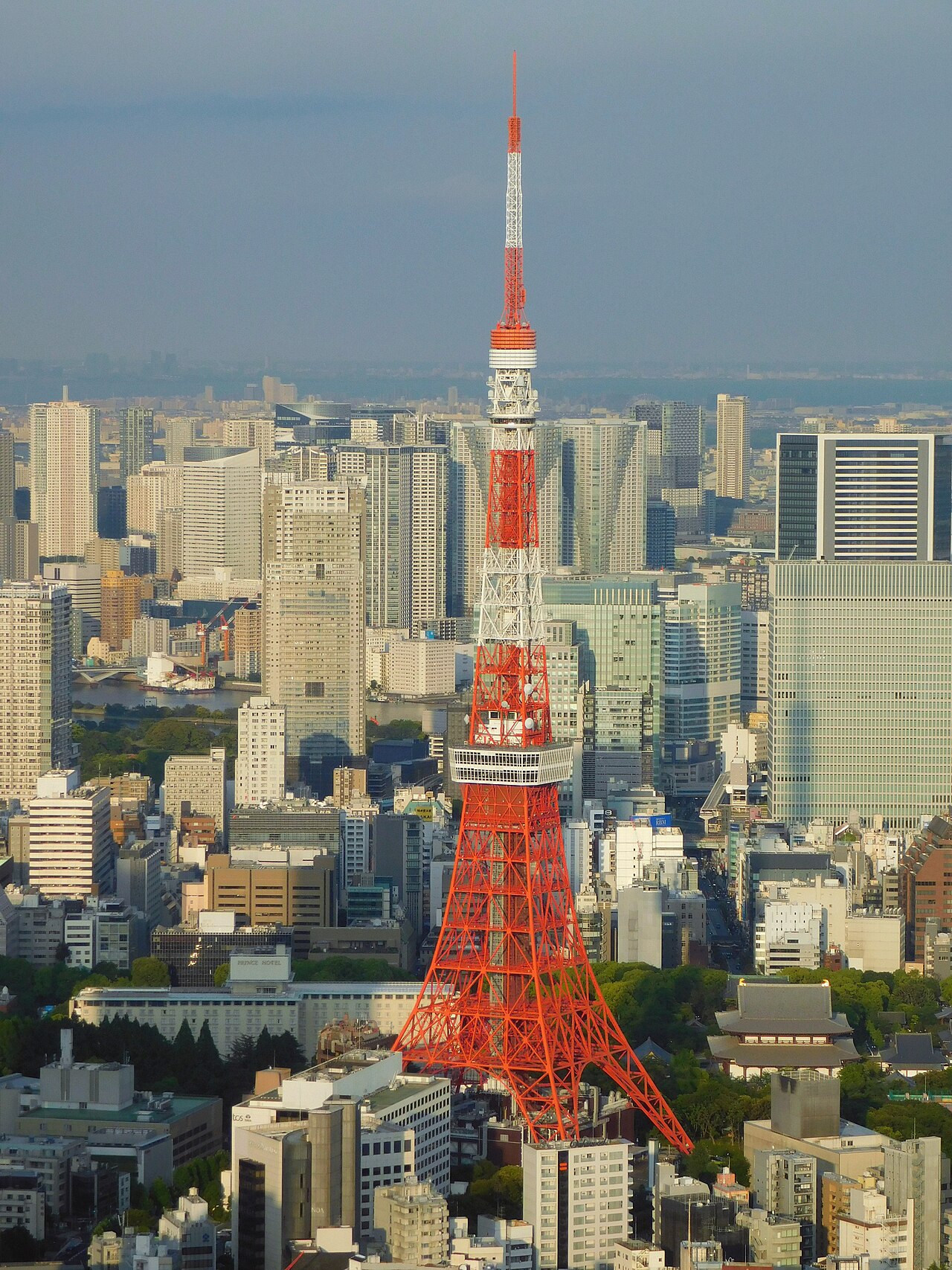
The genius of the place is its verticality. A high-speed lift whisks you up to the Museum Cone entrance, and your ticket usually grants access to Tokyo City View, the indoor observation deck wrapping the same upper floors, with floor-to-ceiling glass looking out over the endless glittering sprawl, Tokyo Tower blazing directly below and, on clear days, Mount Fuji on the horizon. A separate open-air Sky Deck on the roof is sometimes available for an extra fee. Pairing the exhibition with the view, especially at dusk, is the classic way to experience the Mori.
The visiting experience is polished and modern. The galleries are spacious and beautifully lit, captions are bilingual, and the museum stays open unusually late, until ten most nights, making it perfect for an evening after a day of sightseeing. There is a cafe, a superb design-focused shop, and full wheelchair access via the tower's lifts. Roppongi Hills itself brims with restaurants, so it is easy to build a whole evening around a visit. Note that Tuesdays close early at five.
Because everything is indoors and high above the weather, the Mori is a reliable choice in any season and shines especially on clear winter evenings when the air is sharp and the night view at its most dazzling. General admission covers the current exhibition and the observation deck; prices vary a little by show. Getting there is easy: Roppongi Station on the Tokyo Metro Hibiya Line connects directly underground into Roppongi Hills, and the Toei Oedo Line station is a short walk away. Both are subways not covered by the Japan Rail Pass, so plan for a small IC-card fare, then follow the signs up through the complex to the Mori Tower entrance.
A local's tip
Your museum ticket usually includes the Tokyo City View observation deck on the same floors; go late so you catch the exhibition and then the sunset and night skyline, Tokyo Tower glowing red below.
Best time to visit
Evenings; open late for combined art and city-view visits
Getting there
Directly connected to Roppongi Station on the Tokyo Metro Hibiya Line via the underground concourse into Roppongi Hills; from the Toei Oedo Line's Roppongi Station it is about a 5-minute walk. Take the escalators up through Roppongi Hills to the Mori Tower entrance.
Good to know
- Cafe
- Restrooms
- Wheelchair
- Museum Shop
- Observation Deck
Plan the whole trip offline
Mori Art Museum is one of many places in the Real Japan app — with turn-by-turn directions, nearby spots and full offline maps you can use with no signal.