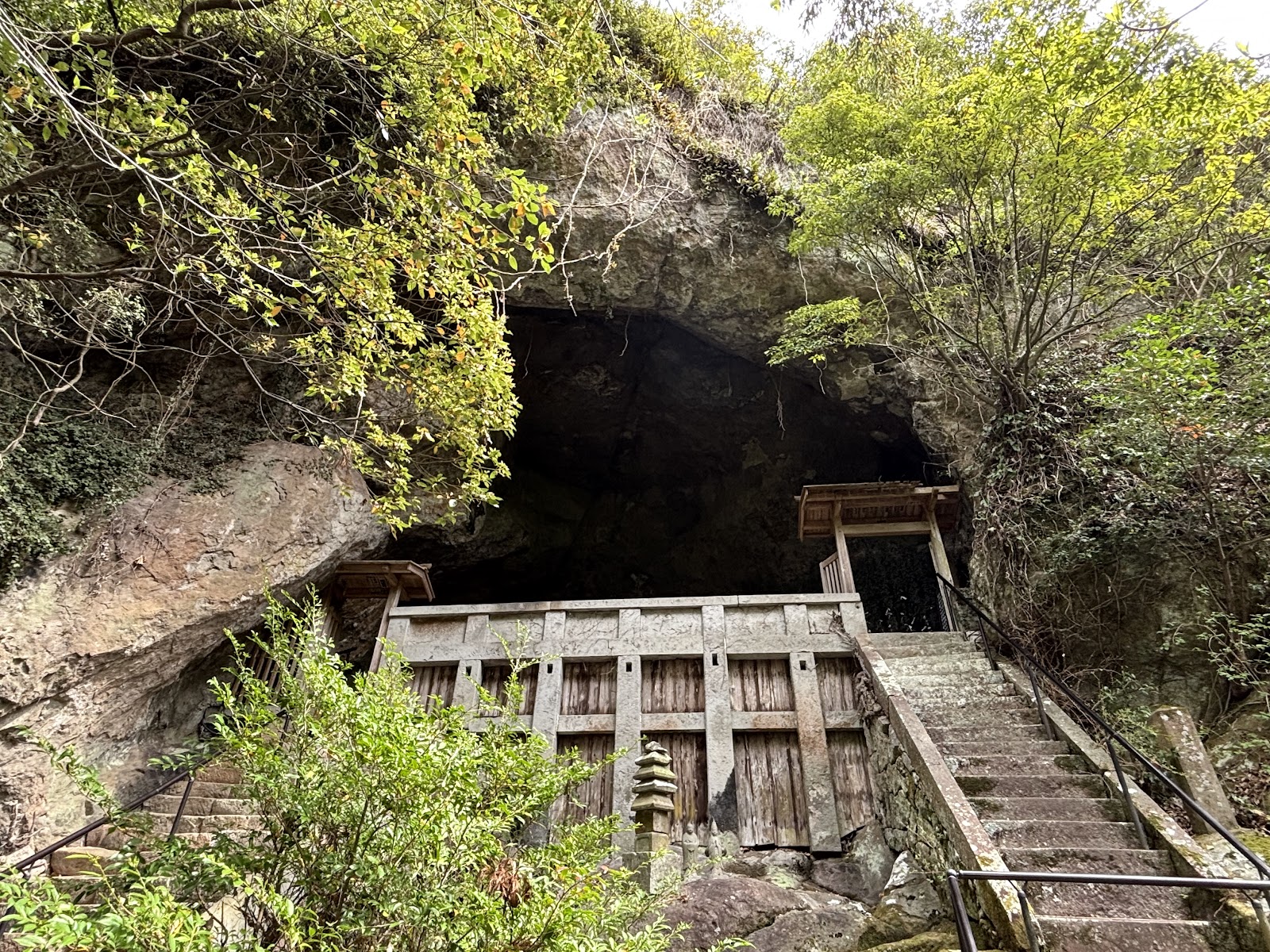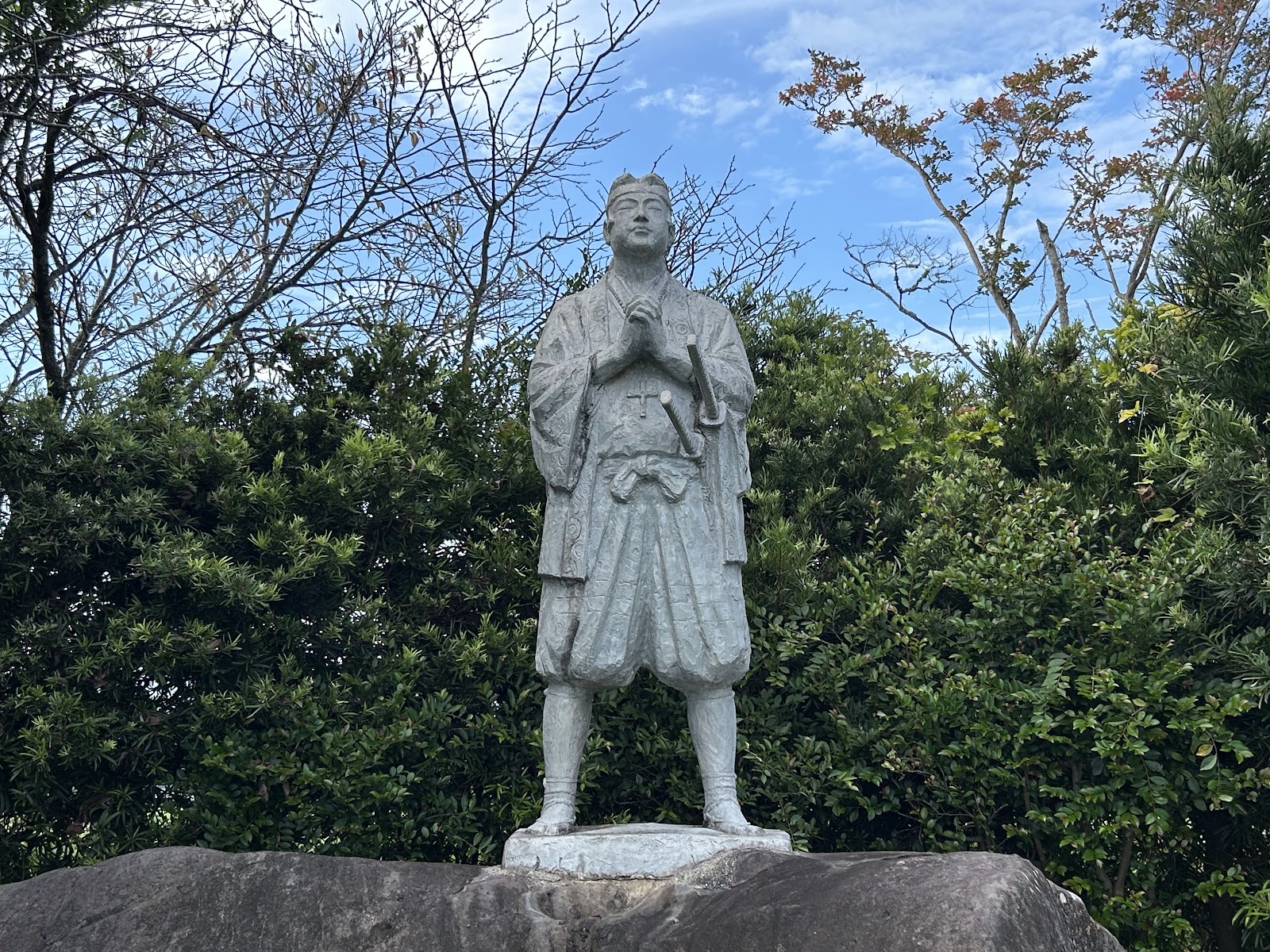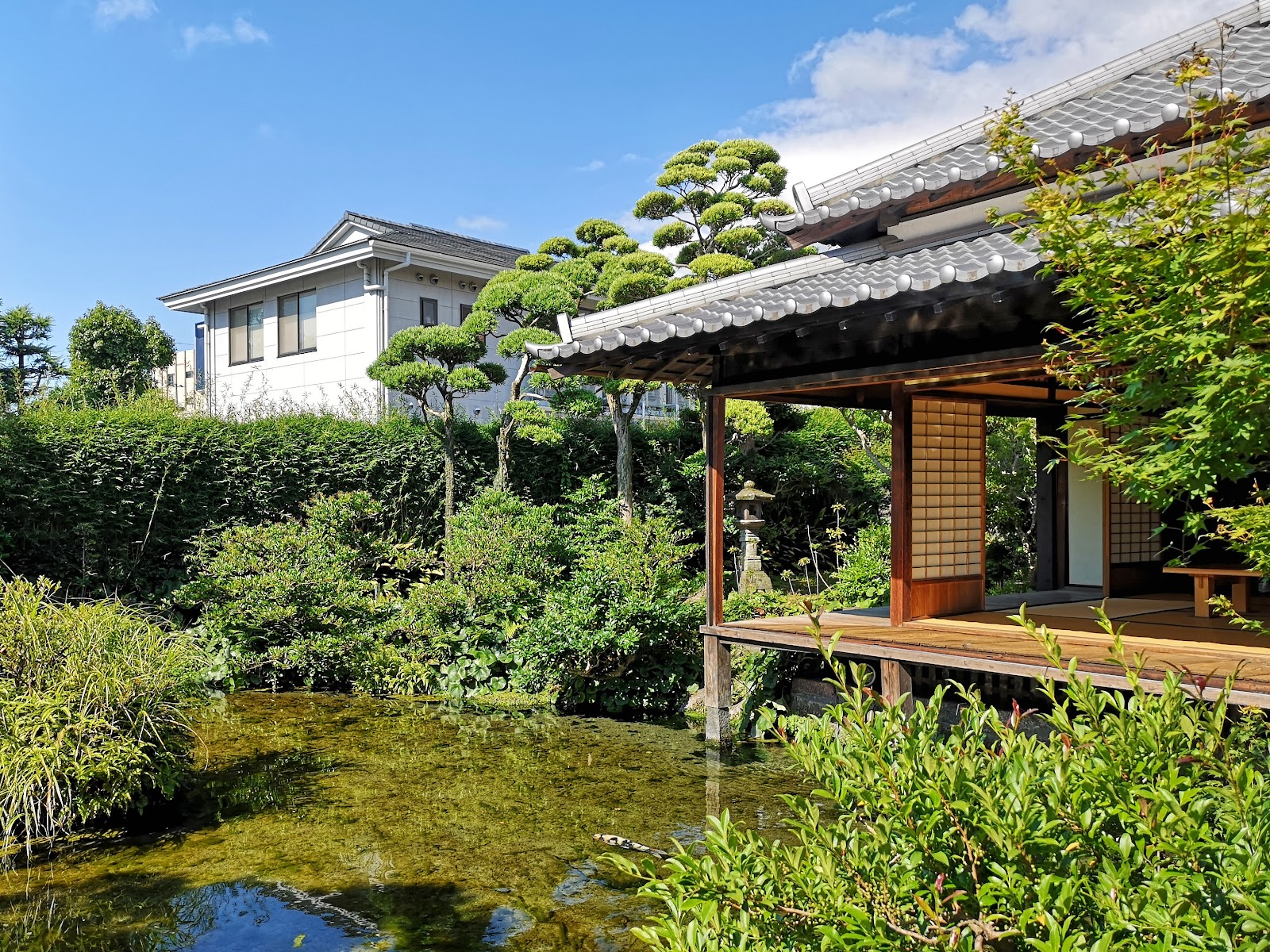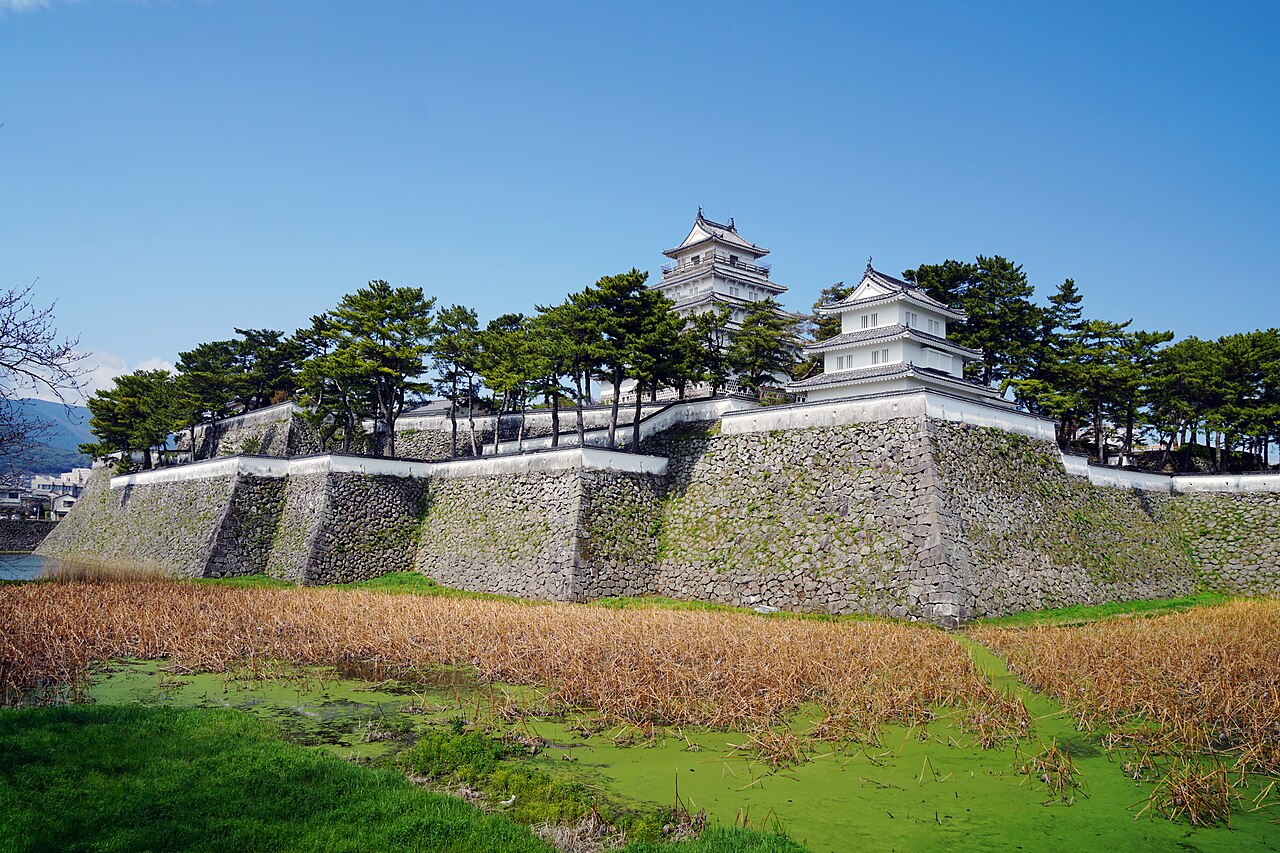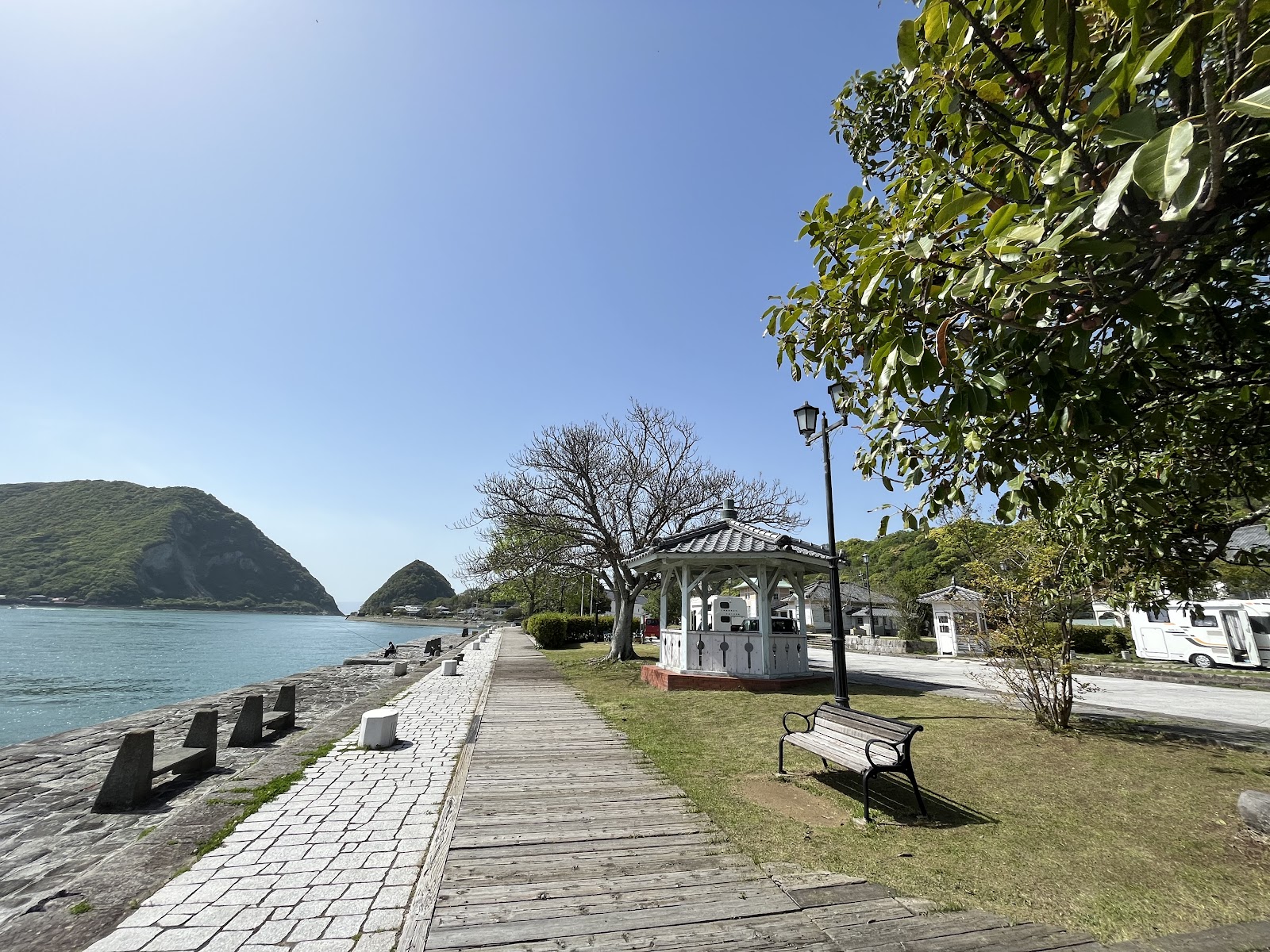
A perfectly preserved Meiji-era stone port on the Amakusa route, a UNESCO industrial heritage site and one of Japan's three great Meiji ports.
Misumi West Port is a rare survivor: a complete Meiji-era harbour, engineered in the 1880s and preserved almost intact, on the coast where the Uto peninsula reaches out toward the Amakusa islands. Built in 1887 as the modern gateway of Kumamoto Prefecture and the launching point for shipping to Amakusa, it was one of the ambitious infrastructure projects through which Japan hurled itself into the industrial age, and it is counted among the 'Three Great Ports of the Meiji Period'. In 2015 it was inscribed on the UNESCO World Heritage List as part of the 'Sites of Japan's Meiji Industrial Revolution'.
What makes the port so remarkable is how much of it remains. The graceful curved stone quays, some 750 metres of them, were laid by Japanese masons under the direction of a Dutch engineer, and they still stand, along with drainage canals, warehouses and period buildings. Walking the waterfront, you can read the whole plan of a modern Meiji port: the alignment of the wharves, the stone-lined channels, the sites of the customs house and trading offices. A handful of surviving and reconstructed buildings, including a former high school, a legal office and small museums, fill in the human story of a boom town that briefly flourished here before larger ports elsewhere eclipsed it.
Because history overtook Misumi quickly, the port never grew into a big city, and that is exactly why it survives so well and feels so peaceful today. Where Japan's more famous industrial heritage sites can be crowded, Misumi West Port is quiet, often nearly empty, a place to stroll the old stone quays, watch the light on the water, and imagine the steamers that once tied up here bound for Amakusa. A few cafes and craft spaces have opened in the old buildings, giving the site a gentle, unhurried atmosphere.
The port makes an easy and rewarding stop for travellers heading to or from the Amakusa islands, or as a half-day trip in its own right for anyone interested in architecture and Meiji history. It rewards a slow wander rather than a quick tick, an hour spent reading the engineering, admiring the stonework and enjoying the calm.
Entry to the port area is free; small museums in the historic buildings may charge a token fee and keep daytime hours. There are restrooms and cafes on site, and the flat waterfront is easy to walk. Getting there is part of the pleasure: take the short, scenic JR Misumi Line from Kumamoto to its terminus at Misumi Station, a journey covered by the Japan Rail Pass, then continue a few kilometres to the West Port by local bus or taxi. Combine it with a crossing to Amakusa, and Misumi becomes the historic, low-key overture to the islands beyond, a beautifully preserved fragment of the moment Japan set out to remake itself.
A local's tip
This is one of the 'Three Great Ports of the Meiji Period', its Dutch-engineered stone quays still intact, and a designated UNESCO industrial heritage site, yet almost tourist-free.
Best time to visit
A calm, uncrowded stop en route to Amakusa
Getting there
Take the scenic JR Misumi Line from Kumamoto to its terminus at Misumi Station, then a short taxi or bus to the preserved West Port a few kilometres away.
Good to know
- Cafe
- Restrooms
- Historic Buildings
Plan the whole trip offline
Misumi West Port is one of many places in the Real Japan app — with turn-by-turn directions, nearby spots and full offline maps you can use with no signal.