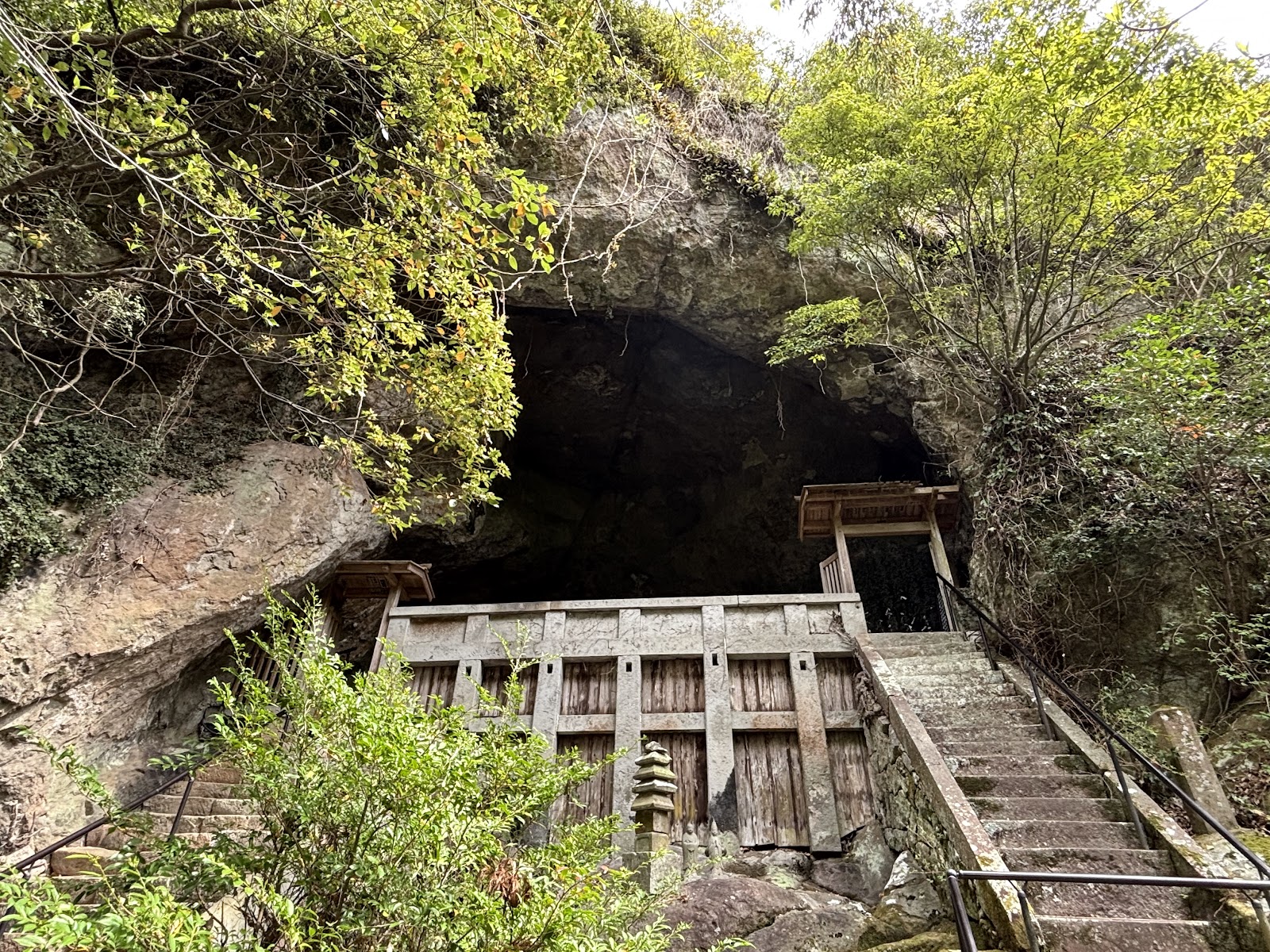
The mountain cave where swordsman Miyamoto Musashi wrote 'The Book of Five Rings' in his final years.
Reigando is a natural cave set in the wooded hills west of Kumamoto, and it holds a special place in Japanese cultural history as the retreat of Miyamoto Musashi, the country's most legendary swordsman. Undefeated in more than sixty duels and the founder of a two-sword fighting style, Musashi spent his last years in Kumamoto under the patronage of the Hosokawa lords. Seeking solitude, he withdrew to this cave in 1643 and there wrote 'Go Rin no Sho', 'The Book of Five Rings', a treatise on strategy, swordsmanship and philosophy that is still read worldwide by martial artists, business leaders and students of Japanese thought. He died the following year, and the cave has been a place of pilgrimage ever since.
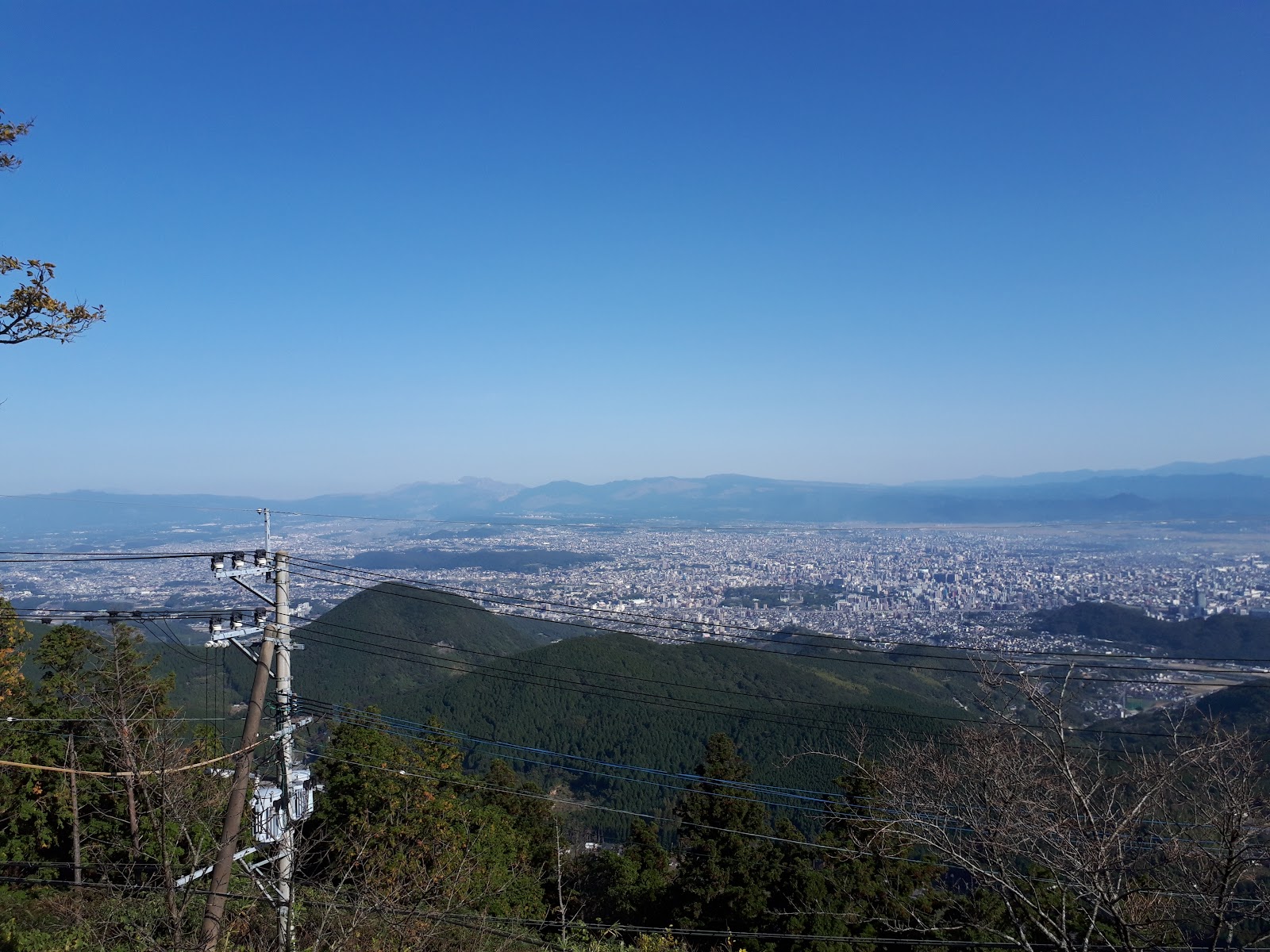
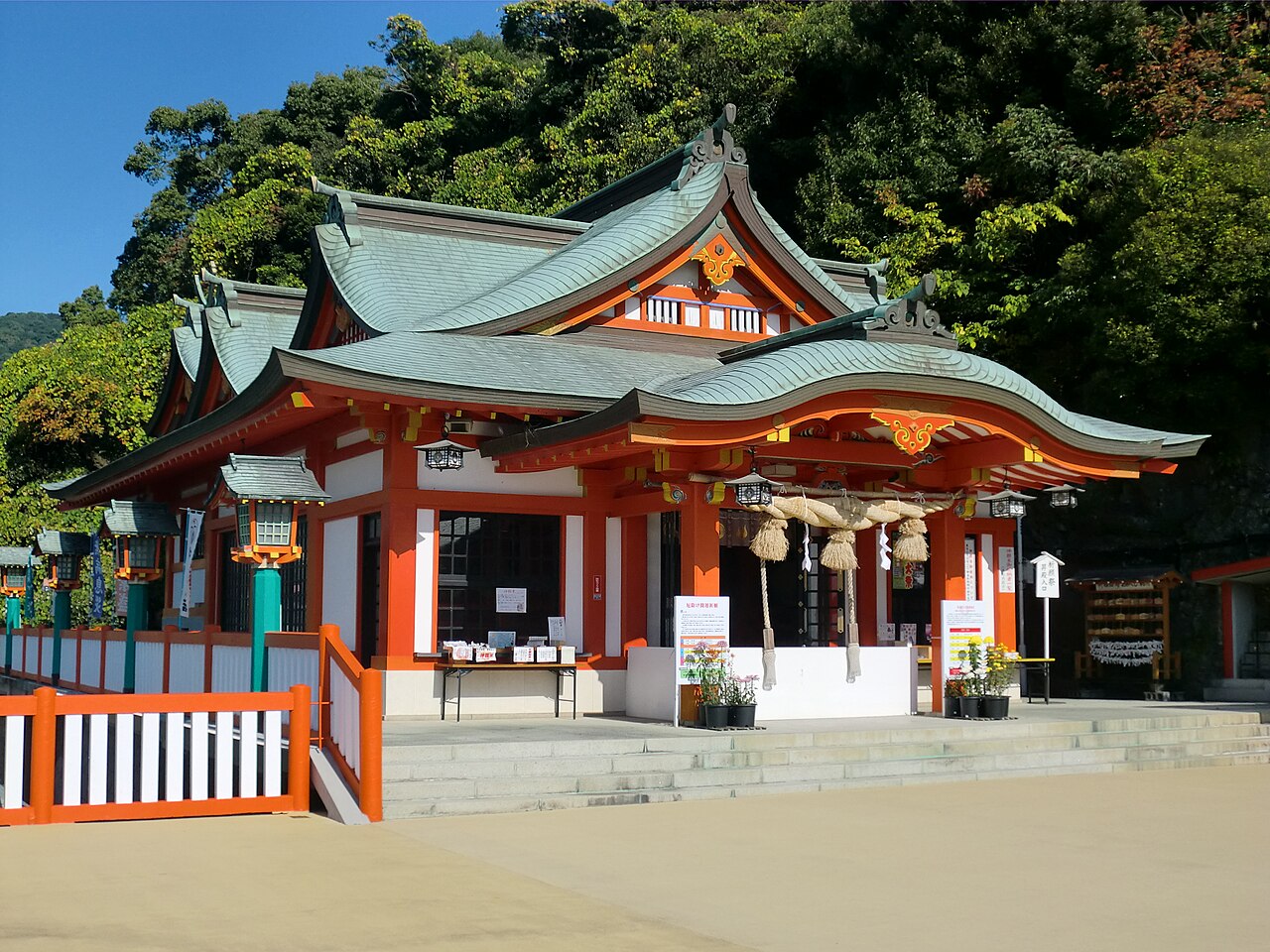
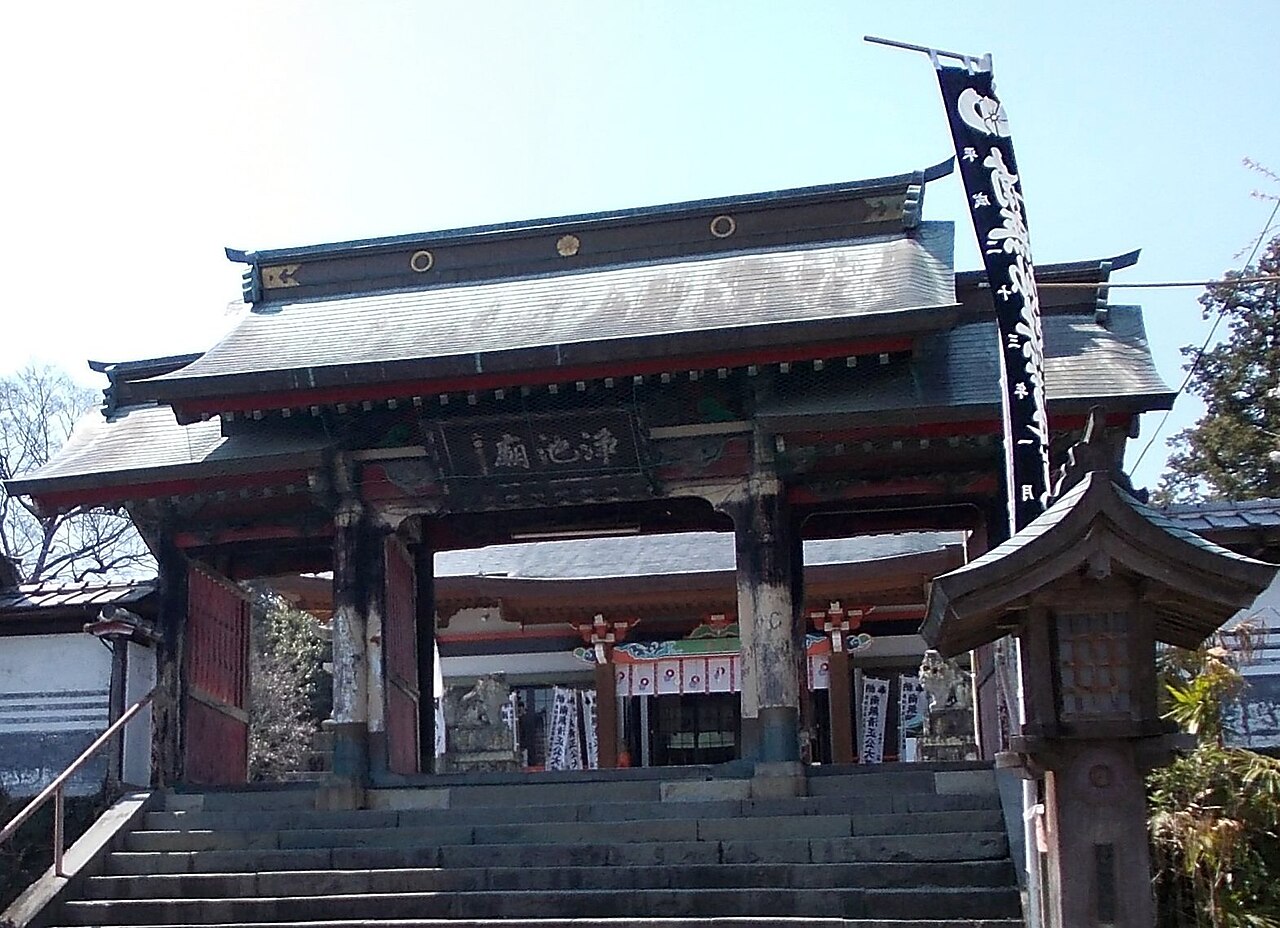
The cave belongs to the grounds of Unganzenji, a Zen temple founded far earlier, and the approach is as memorable as the destination. A path winds up through forest lined with the Gohyaku Rakan, five hundred stone statues of the Buddha's disciples, carved in the eighteenth century by a merchant in memory of his family. Weathered, moss-covered and each bearing a slightly different expression, they create a deeply atmospheric procession, especially in soft light or autumn colour. Reaching Reigando itself, a shallow rock shelter looking out over the valley, visitors can sit where Musashi is said to have meditated and written, contemplating the same view of layered hills.
The site blends history, spirituality and natural beauty in a way that appeals to many kinds of traveller. For admirers of Musashi and Japanese martial culture it is close to sacred ground; for others it is simply a serene mountain temple with a haunting statue path and fine seasonal scenery. Interpretive signs recount Musashi's life, his famous duels, including the celebrated encounter with Sasaki Kojiro on Ganryujima island, and his later reinvention as a philosopher, calligrapher and painter of considerable skill.
Autumn is the finest season, when maples flame red and orange around the temple and the stone rakan, though the shaded forest is pleasant in the heat of summer too. Because it lies off the main tourist circuit, Reigando is usually quiet and reflective, far from the bustle of the city's castle and shopping streets.
The cave sits in the hills near Mount Kinpo, west of central Kumamoto, and is realistically reached by car in about 30 minutes; public transport is limited to infrequent buses toward Iwato followed by an uphill walk, so plan ahead. Allow around an hour to walk the rakan path, reach the cave and explore the temple grounds. Sturdy shoes help on the stone steps. For anyone drawn to the deeper currents of samurai culture, standing in the very place where its most famous swordsman set down his philosophy is a quietly powerful experience.
A local's tip
Walk the path lined with the 500 moss-covered Rakan statues on the way to the cave — each stone disciple has a different weathered face, and the atmosphere at dusk is unforgettable.
Best time to visit
Autumn, when the temple's maples and stone statues glow
Getting there
West of central Kumamoto in the hills near Mount Kinpo; best reached by car (about 30 min) or an infrequent local bus toward Iwato, followed by an uphill walk to Unganzenji temple and the cave.
Good to know
- Parking
- Restrooms
Plan the whole trip offline
Reigando Cave is one of many places in the Real Japan app — with turn-by-turn directions, nearby spots and full offline maps you can use with no signal.