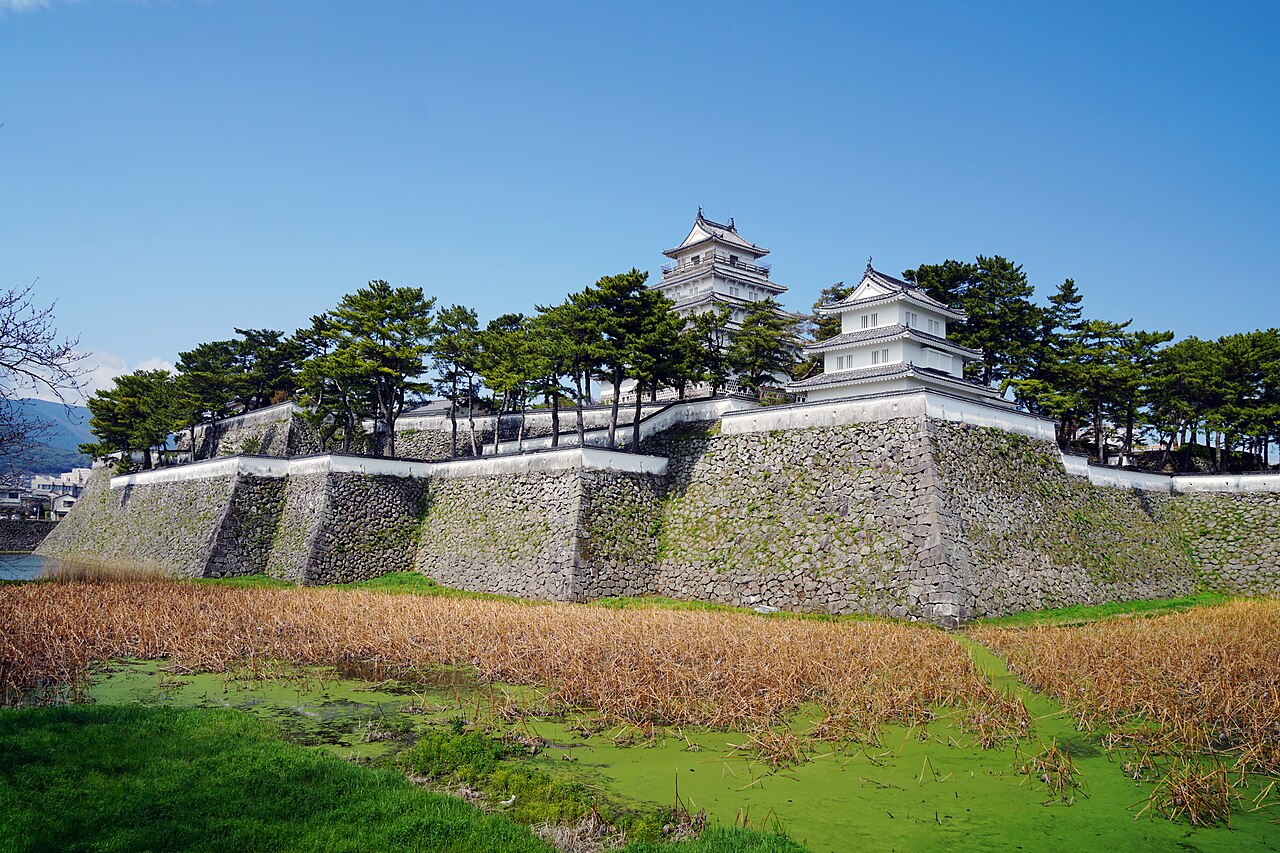
A striking white reconstructed castle east of Nagasaki, tied to the tragic 17th-century Shimabara Christian rebellion.
Shimabara Castle is a handsome white-walled fortress on the Shimabara Peninsula east of Nagasaki, its tall keep rising above wide moats at the foot of the volcanic Mount Unzen. Though the present donjon is a twentieth-century reconstruction, the castle is steeped in dramatic history, most notably its connection to the Shimabara Rebellion, one of the most significant and tragic uprisings of early modern Japan.
The original castle was built between 1618 and 1624 by the daimyo Matsukura Shigemasa, an unusually large and costly fortress for a domain of modest size. The crushing taxes and forced labour imposed to fund its construction, combined with brutal persecution of local Christians, helped provoke the Shimabara Rebellion of 1637-38. Tens of thousands of impoverished peasants and persecuted Christian converts rose up under the young charismatic leader Amakusa Shiro, ultimately making their last stand at nearby Hara Castle, where the rebellion was savagely suppressed by the shogunate. The revolt accelerated Japan's decision to expel Europeans, ban Christianity outright and close the country to the outside world for over two centuries, giving this region an outsized place in national history.
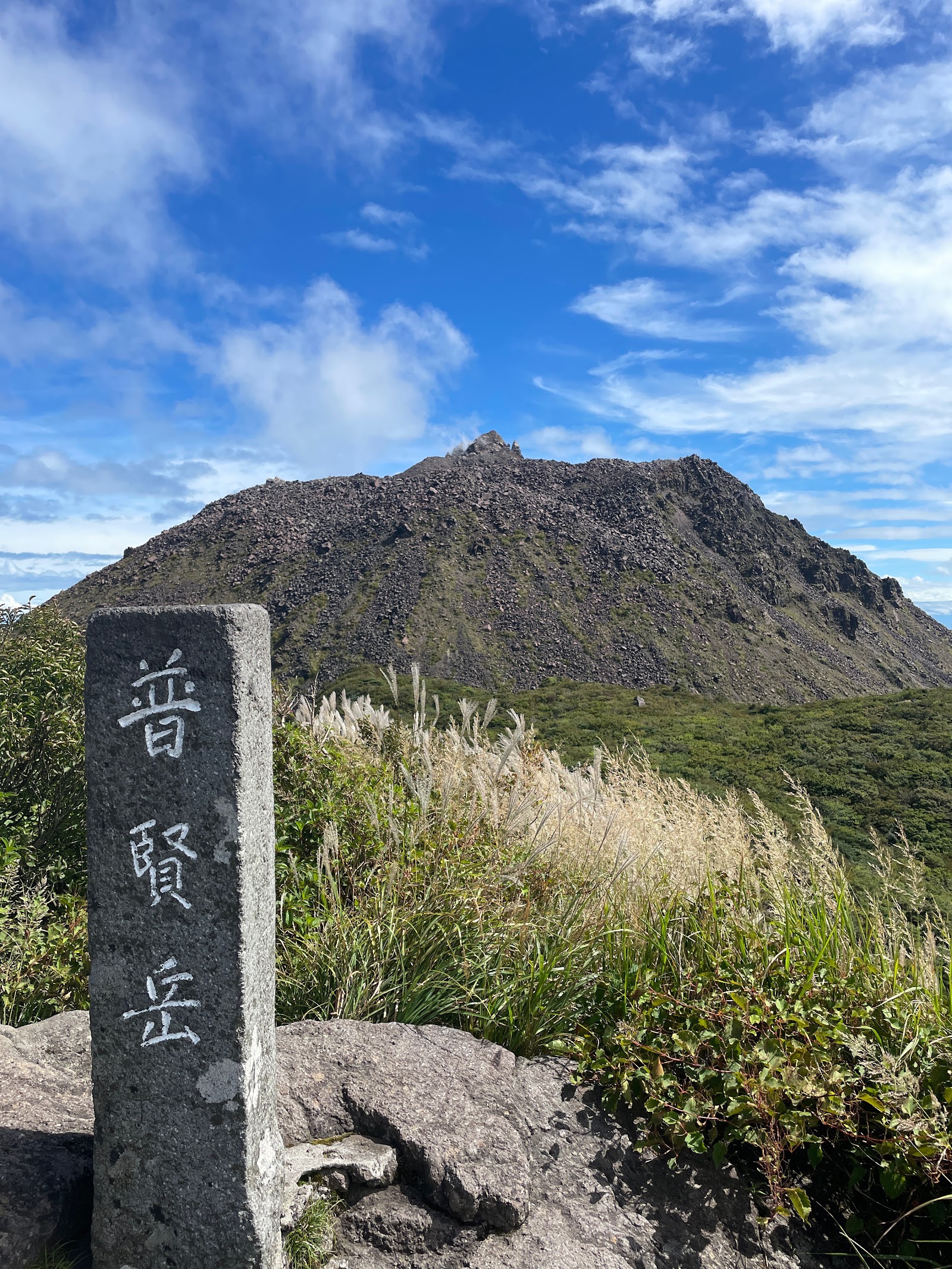
The castle's keep, rebuilt in 1964, now serves as a museum, and its exhibits lean into this poignant past. Displays cover the Christian history of the region, including artifacts related to the Hidden Christians and the rebellion, alongside samurai armour, weapons and materials on the castle's construction and the life of the domain. Climbing through the floors to the top gives fine panoramic views over Shimabara city, out across the Ariake Sea, and inland to the brooding bulk of Mount Unzen, the volcano whose eruptions have repeatedly shaped local life.
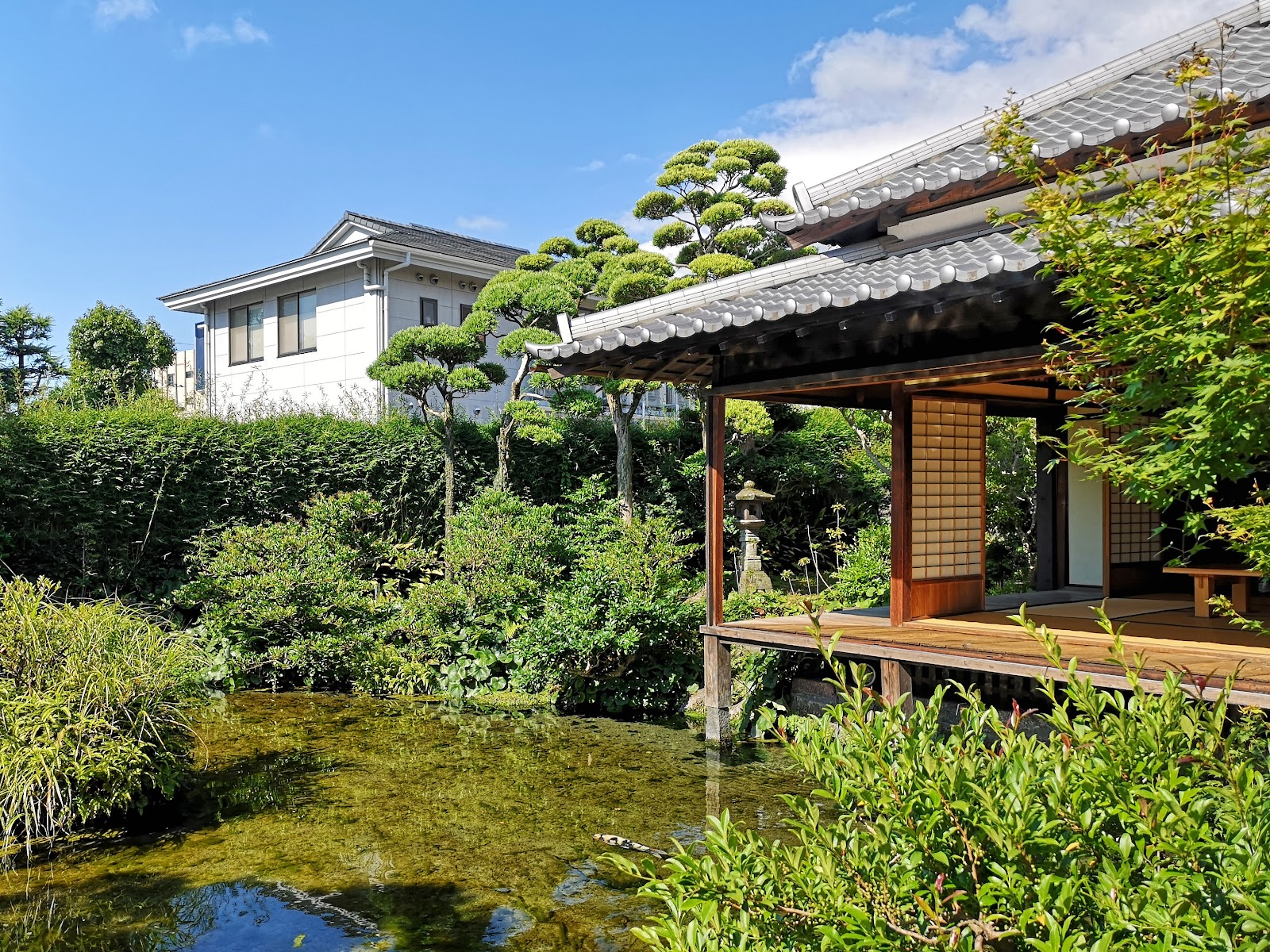
The grounds and surroundings reward exploration too. Broad moats, imposing stone walls and cherry trees make the castle especially beautiful in spring, when blossoms frame the white keep. Nearby, the atmospheric old samurai quarter of Shimabara preserves former warrior residences along a street with clear spring-fed water channels running down its centre, and the town is famous for its abundant, crystal-clear spring water and the koi carp that swim in its streets and channels, earning it the nickname "the city of swimming carp."
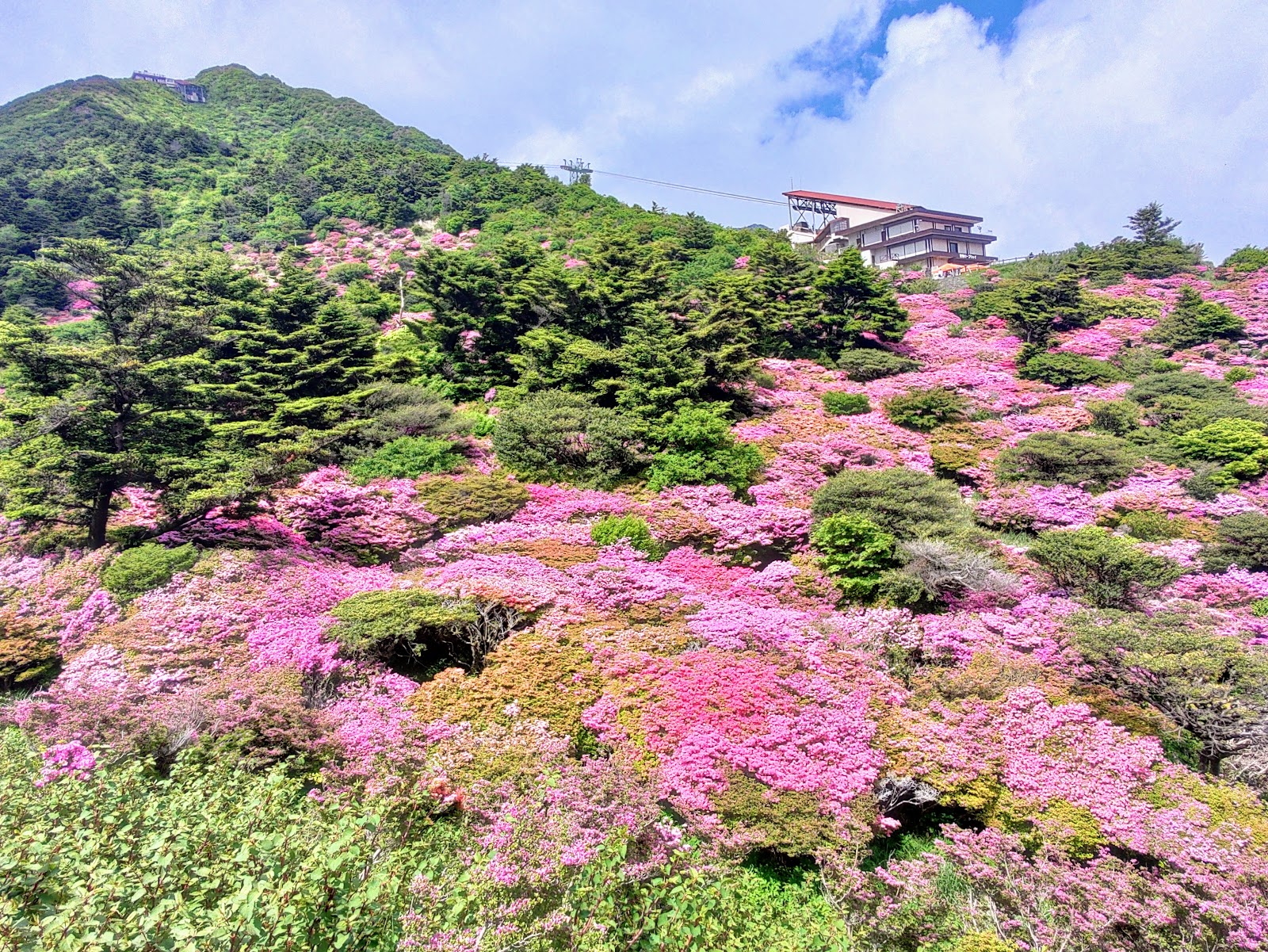
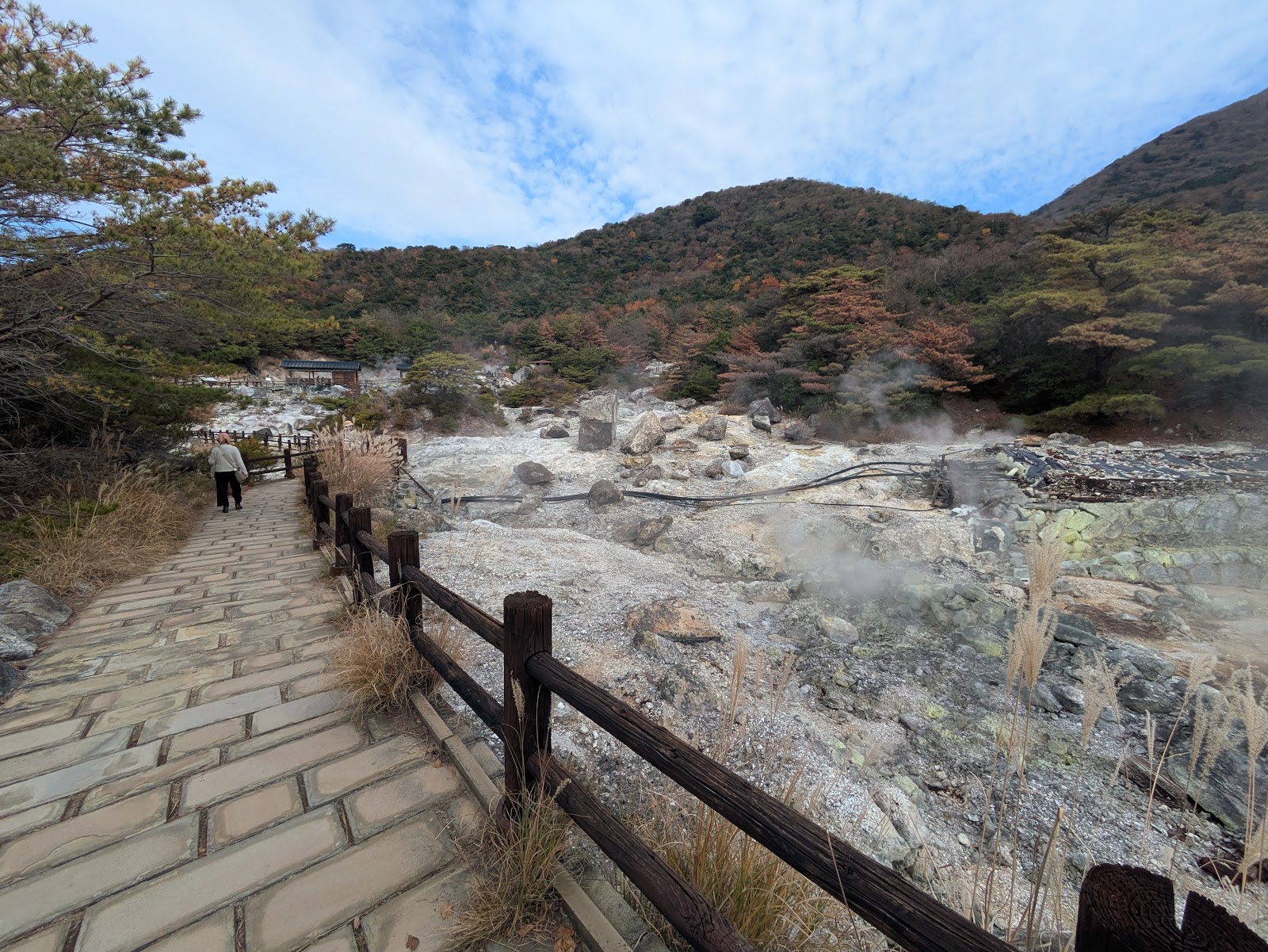
Reaching Shimabara takes some effort from Nagasaki — a train or bus to Isahaya and then the local Shimabara Railway — but it opens up a rewarding day on the peninsula, often combined with the hot springs and volcanic scenery of Unzen. The castle itself asks around seventy-five minutes for the keep, museum and grounds, more if you wander the samurai district and springs. Scenic, historically weighty and tied to the fateful Christian rebellion, Shimabara Castle is a worthwhile excursion for those with time to venture beyond Nagasaki city.
A local's tip
Climb to the top of the reconstructed keep for views of Shimabara city, the sea and Mount Unzen, then explore the samurai residences and koi-filled spring-water channels in the nearby old town.
Best time to visit
Spring for cherry blossoms around the moat
Getting there
From Nagasaki, take a train or bus to Isahaya, then the Shimabara Railway to Shimabara Station; the castle is a ten-minute walk east.
Good to know
- Museum
- Parking
- Gift shop
- Restrooms
Plan the whole trip offline
Shimabara Castle is one of many places in the Real Japan app — with turn-by-turn directions, nearby spots and full offline maps you can use with no signal.