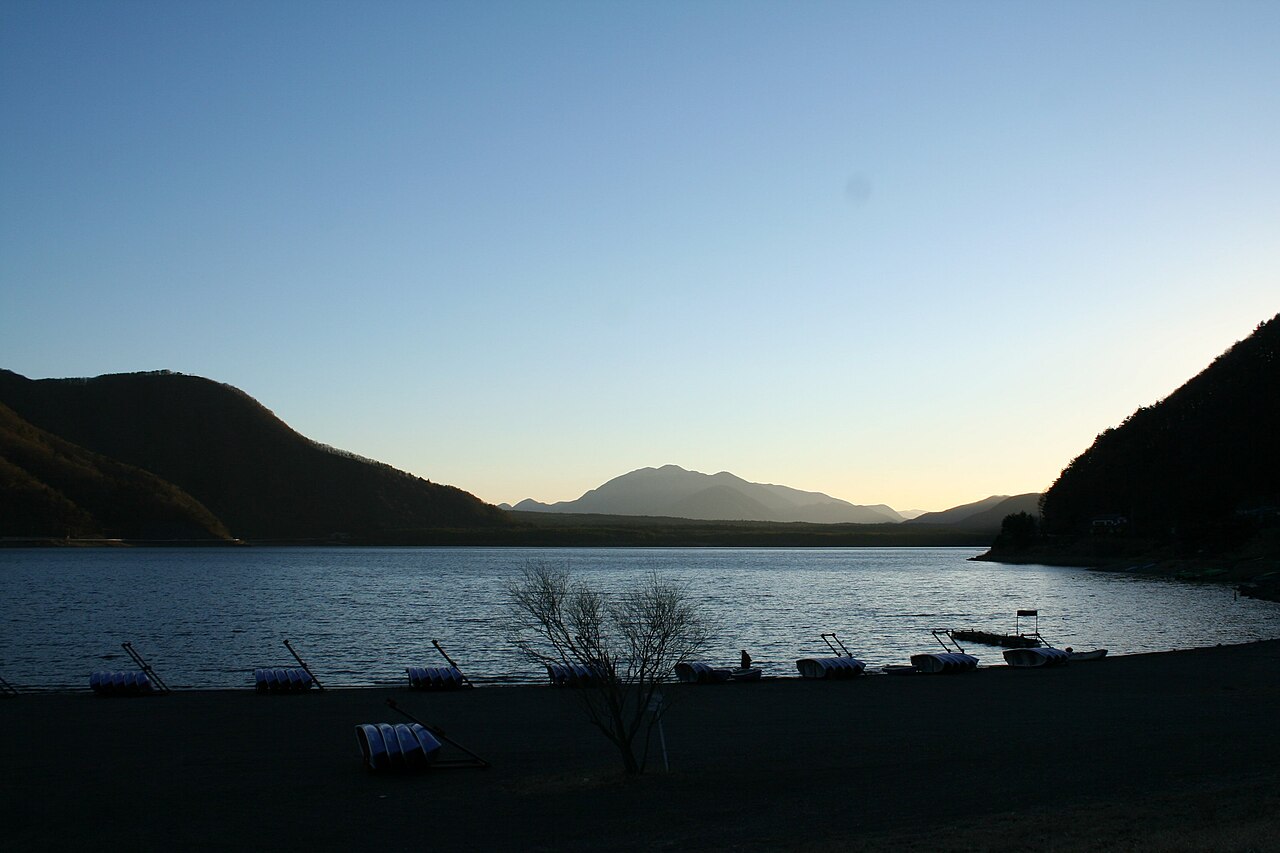
A tranquil, forest-fringed lake west of Kawaguchiko, quieter and wilder, ringed by caves and campgrounds.
Lake Saiko (Saiko) is the quieter, more natural neighbour of Lake Kawaguchi, lying to its west amid the dense woodland at the edge of the Aokigahara forest. One of the Fuji Five Lakes, it is prized for its unspoilt shoreline, its reflection of Mount Fuji, and an atmosphere of calm that the more developed lakes have largely lost. Where Kawaguchiko bustles with hotels and shops, Saiko is a place of campgrounds, fishing spots and forest trails.
Geologically, Saiko shares a hidden past with the nearby Lake Shoji and Lake Motosu: the three were once a single large body of water called Senoumi, until a massive eruption of Mount Fuji in the year 864, the Jogan eruption, sent lava flows that divided it into separate lakes and created the Aokigahara lava plateau. The underground water table still connects them, and all three sit at nearly the same elevation. This violent origin left the region pocked with lava caves, several of which lie a short distance from Saiko's shore.
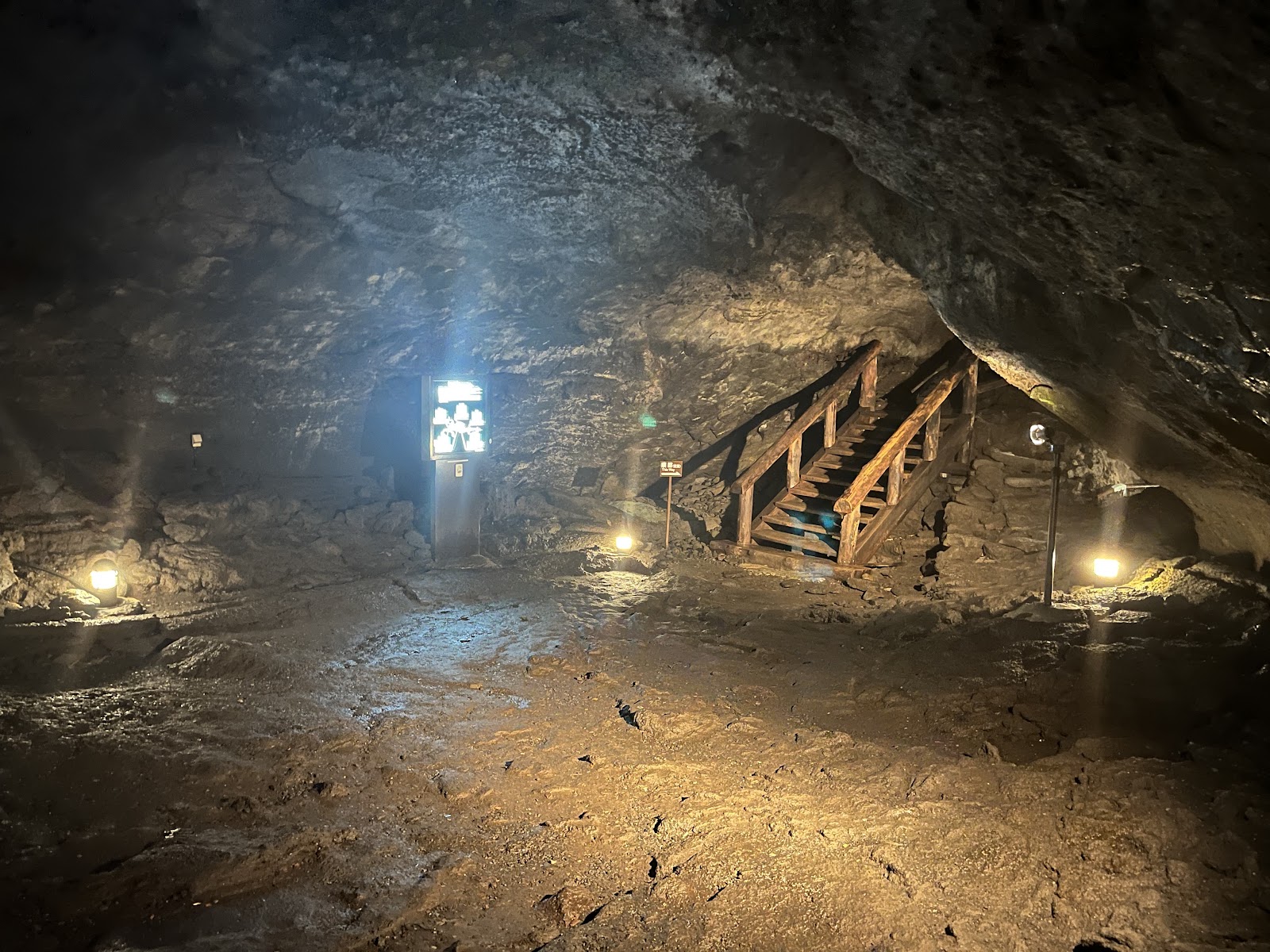
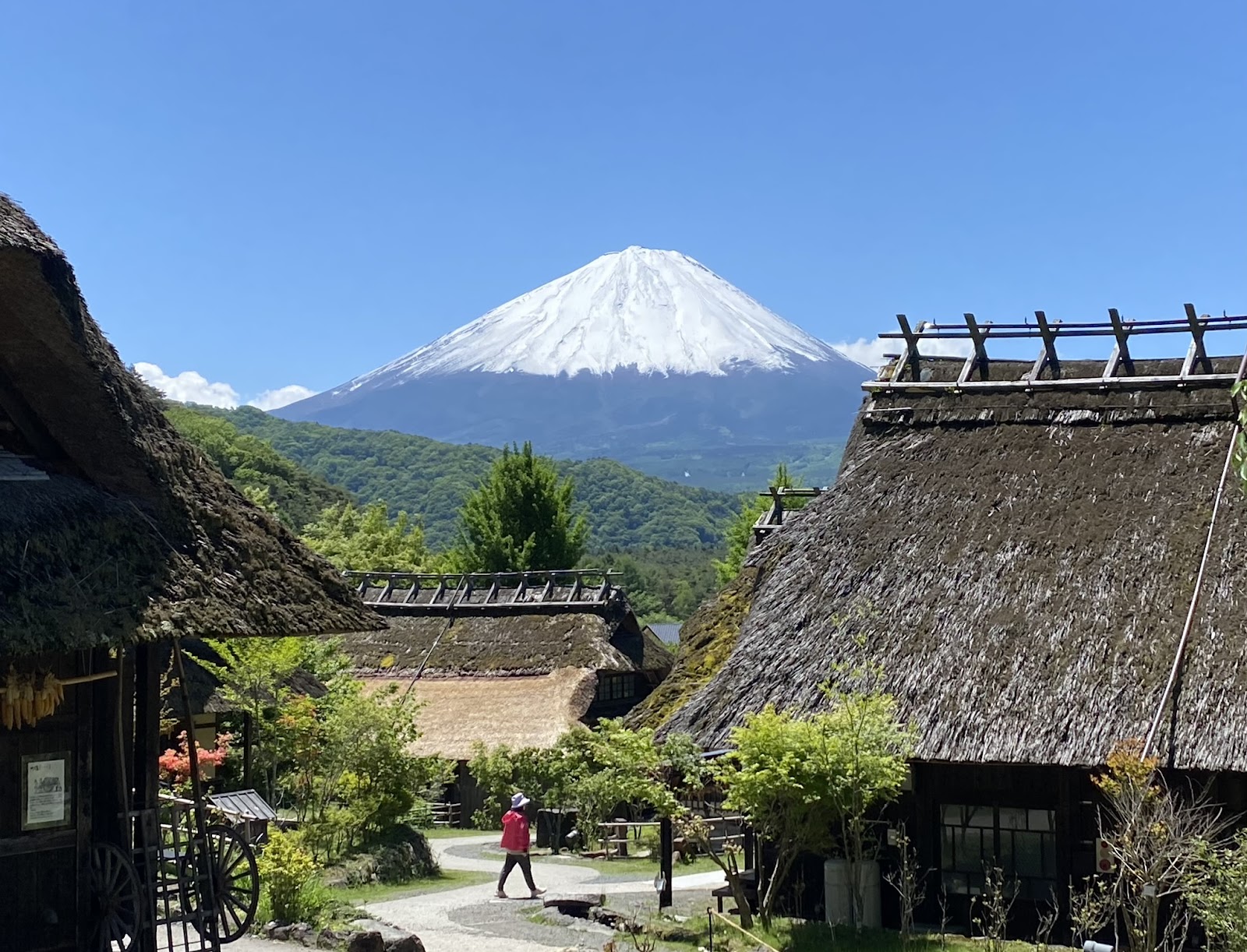
The lake and its surroundings reward slow exploration. The Saiko Bat Cave and the nearby Wind Cave and Ice Cave, formed by the same ancient lava flows, can be toured for a small fee and stay cold enough to preserve ice year-round. On the water, anglers fish for trout and the lake is known for wakasagi smelt in winter, while kayaks and rowboats can be rented in the warmer months. The western shore offers the celebrated 'Ko Fuji' or 'Child Fuji' view, in which the mountain appears framed between low hills. A notable fact: the surrounding Aokigahara forest grows directly on the porous lava, so streams run underground and the woods are eerily silent.
Visiting is relaxed and self-directed. There is no admission to the lake itself, the shoreline roads and campgrounds are easy to walk, and a couple of hours allows a good sense of the place, more if you tour a cave or rent a boat. The terrain around the campsites and viewpoints is generally flat, though forest trails and cave interiors involve uneven, sometimes slippery ground and are not suited to wheelchairs. The relative remoteness means facilities are more limited than at Kawaguchiko, so it pays to carry water and snacks.
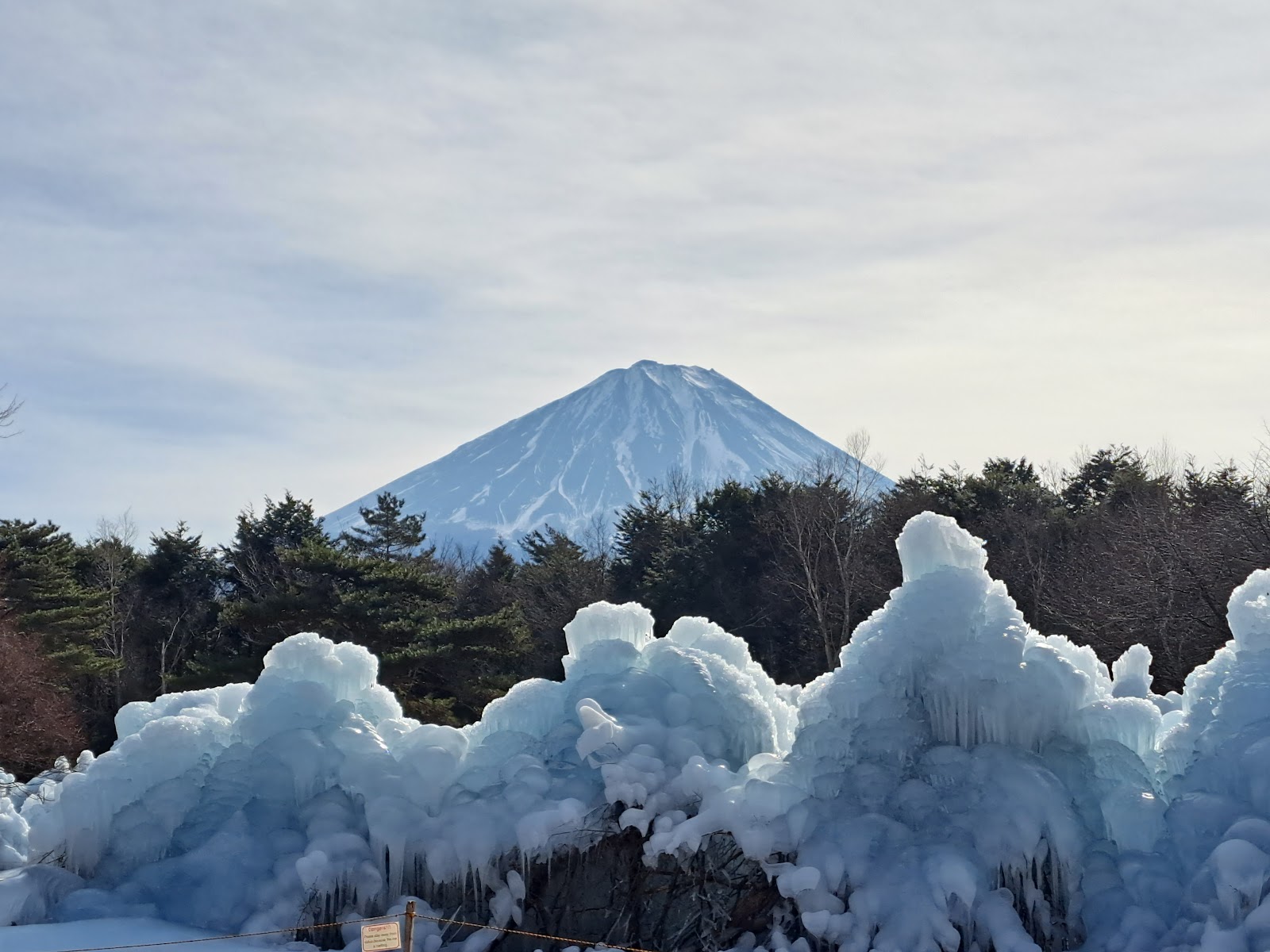
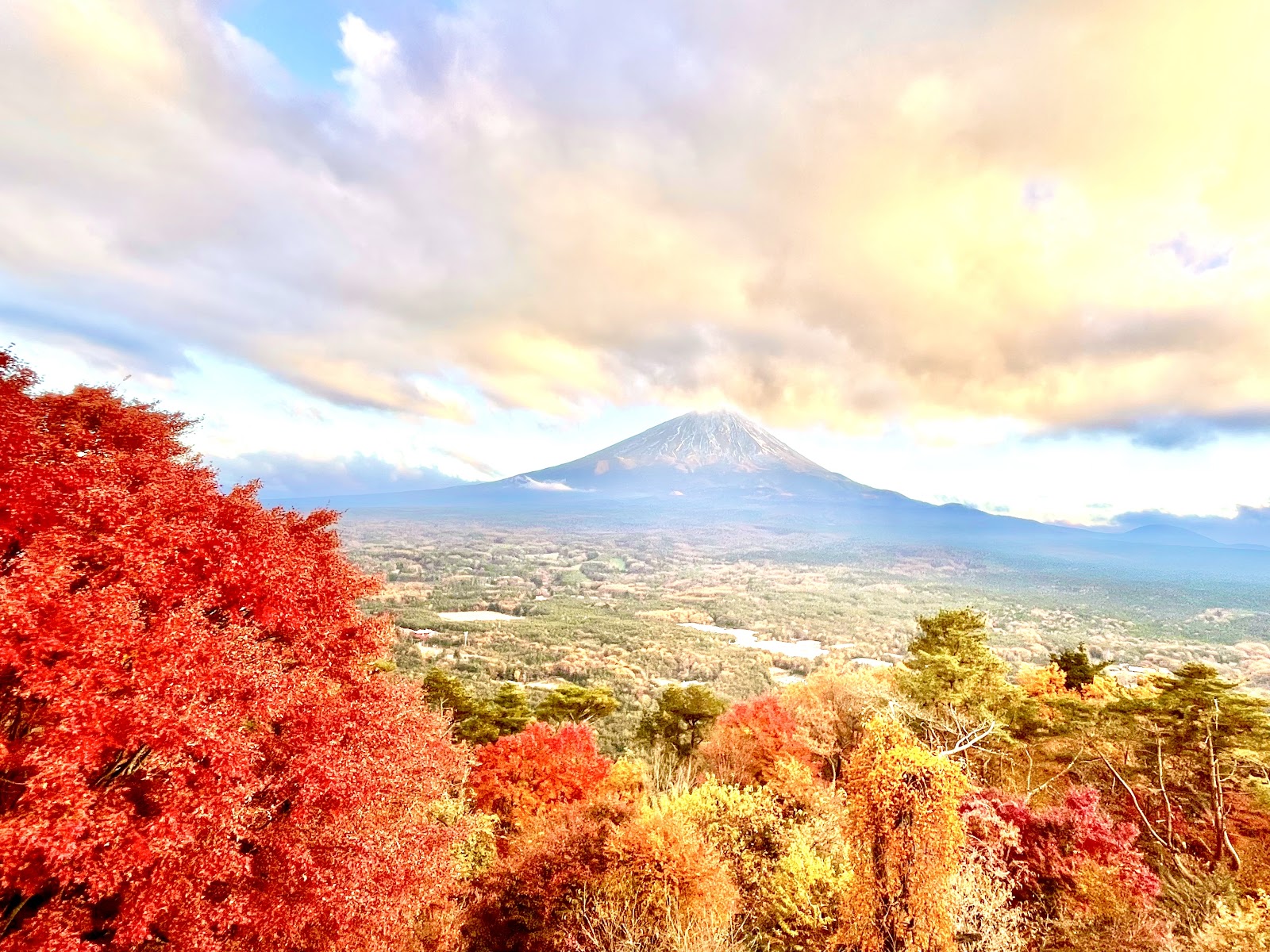
Each season shows a different face. Autumn is a highlight, when the forested hills around the lake turn red and gold and mirror in the calm water; winter brings ice fishing and the clearest Fuji views; summer fills the lakeside campgrounds and cools the forest walks; and spring greens the woods. Early morning, before the wind rises, gives the stillest water and the best chance of a mirror reflection of the mountain.
Getting there is by bus from the regional hub. From Kawaguchiko Station, board the green-line Saiko sightseeing bus, which runs west toward Lake Saiko and the caves, reaching the eastern shore in about 20 to 30 minutes and continuing to stops around the lake and the healing village at Nenba. The Fujikyuko Line trains that serve Kawaguchiko are not covered by the Japan Rail Pass, though IC cards work on the trains and buses, and drivers will find parking at the campgrounds and cave sites.
A local's tip
Head to the western end near the Nenba area for the 'Ko Fuji' view, where Mount Fuji rises framed between hills exactly as it appears on old postcards, with far fewer visitors than Lake Kawaguchi.
Best time to visit
Autumn for foliage, or early morning for calm water
Getting there
From Kawaguchiko Station take the green-line Saiko sightseeing bus westward; the lake's eastern shore is reached in about 20-30 minutes, with stops around the shoreline and nearby caves.
Good to know
- Parking
- Restrooms
- Boat rental
- Campgrounds
Plan the whole trip offline
Lake Saiko is one of many places in the Real Japan app — with turn-by-turn directions, nearby spots and full offline maps you can use with no signal.