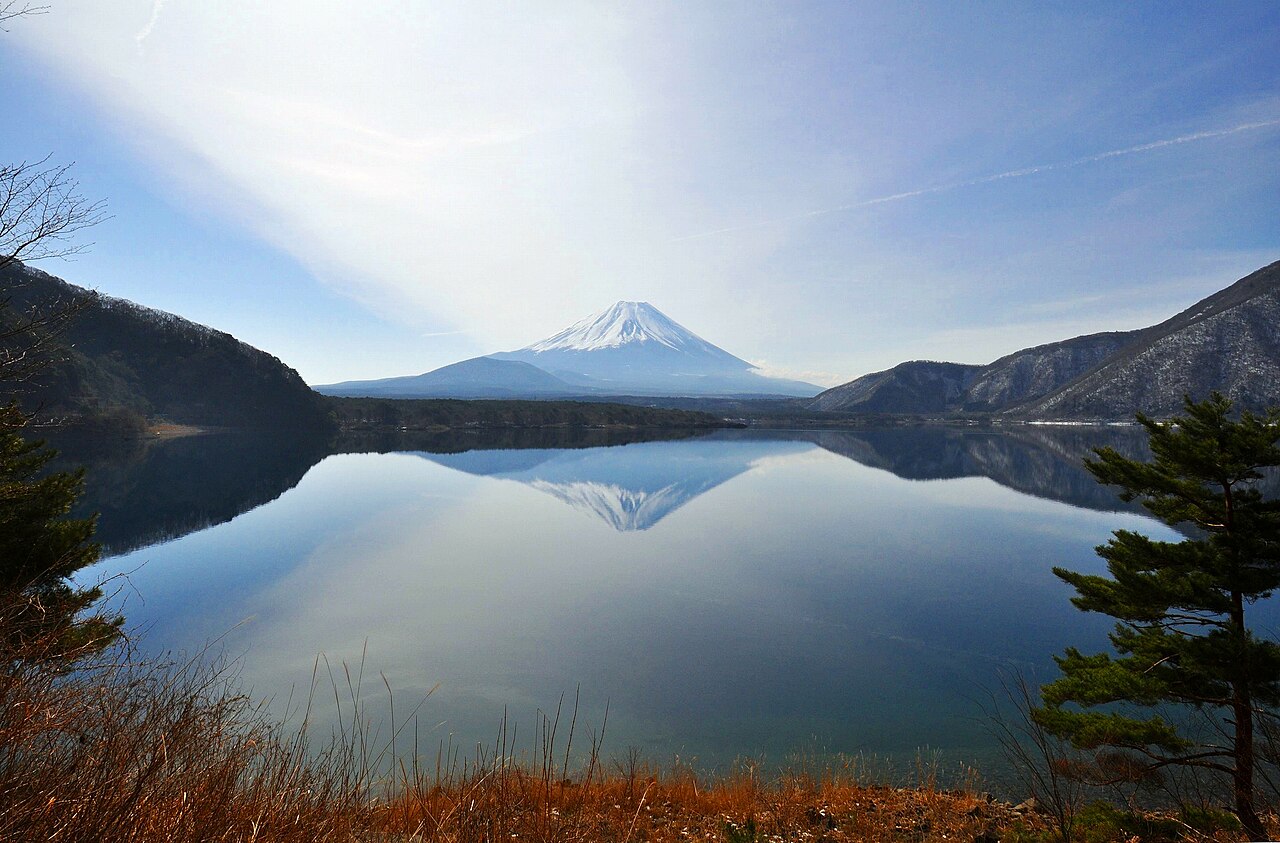
The deepest of the Fuji Five Lakes, famous for the Mt. Fuji view printed on the 1,000 yen note.
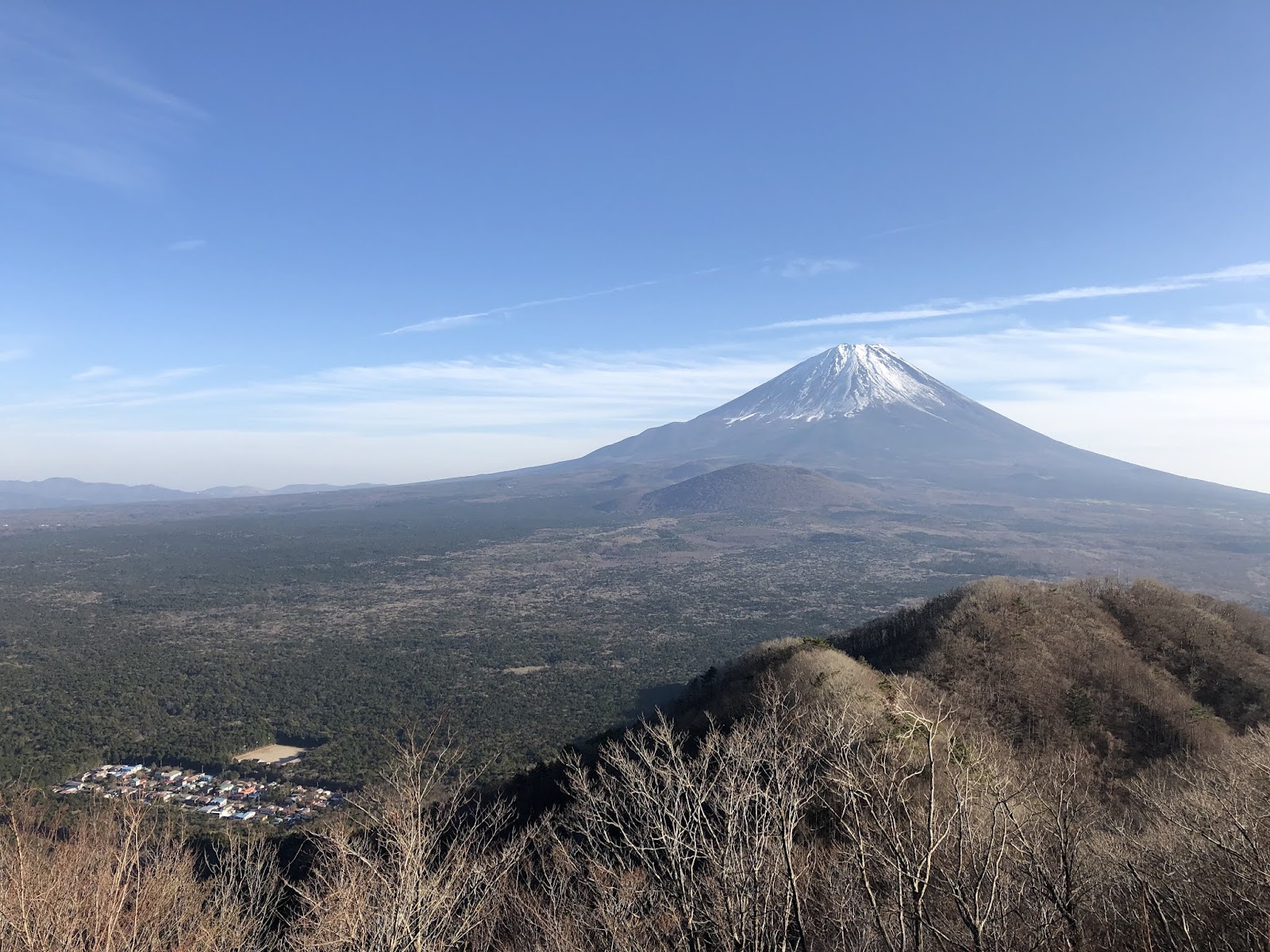
Lake Motosu, or Motosuko, is the westernmost and deepest of the Fuji Five Lakes, a strikingly clear body of water whose vivid blue surface and quiet, undeveloped shores make it one of the most beautiful spots in the entire Mt. Fuji region. It is best known for a single, iconic view: the reflection of Fuji seen from its northwestern shore, the very image reproduced on the reverse of Japan's 1,000 yen banknote and, before that, the old 5,000 yen note. Standing at that spot with a banknote in hand to compare the scene is a small but memorable pilgrimage for many visitors.
Motosu is the deepest of the five lakes, plunging to around 120 metres, and because of its depth and volume it rarely freezes even in the coldest winters. The water is notably clean and transparent, and along with the neighbouring lakes Shoji and Sai it is thought to be connected by underground channels to a common water source, a legacy of the ancient lava flows from Fuji that once divided a single larger lake into three. The result is a trio of quieter, wilder lakes on the mountain's western side, far less developed than Kawaguchiko to the east.
The northwestern shore is the scenic heart, with a large lakeside campsite that has become extremely popular with campers precisely because of the postcard Fuji view. Waking in a tent to the mountain mirrored in the still morning water is, for many, the highlight of a Fuji trip. Beyond camping, the lake supports a range of gentle outdoor activities: kayaking and stand-up paddleboarding on the glassy surface, fishing, and walking or cycling along the shore. The clarity of the water makes paddling especially rewarding, and the absence of large resorts keeps the atmosphere natural and peaceful.
Seasons shape the experience. Late autumn and winter, when the air is driest and clearest, generally give the sharpest views of a snow-capped Fuji reflected in the lake, while spring and summer bring green hills and comfortable camping weather. The area is also a favoured location for the Diamond Fuji phenomenon at certain times of year, when the sun crowns the summit.
Because Lake Motosu lies at the far western end of the Fuji Five Lakes, it takes a little more effort to reach than Kawaguchiko, with buses from Kawaguchiko Station taking around an hour, or a scenic drive along the lake road. That extra distance is part of its charm: fewer crowds, darker skies for stargazing, and a stronger sense of wild nature. Admission is free and the shore is open at all times.
For travellers willing to venture beyond the main resort, Lake Motosu offers the region's most celebrated single view of Mt. Fuji, some of its cleanest water, and a genuinely tranquil setting for camping, paddling or simply sitting by the shore watching the light change on the mountain.
A local's tip
The view of Fuji from the northwestern shore near the campsite is the one printed on the 1,000 yen banknote; bring a note to compare the scene in person.
Best time to visit
Early morning; late autumn for clear air
Getting there
From Kawaguchiko Station take the Fujikyu bus bound for Motosuko or Shojiko; the journey takes roughly 45 to 60 minutes. A car gives the most flexibility for reaching the western shore.
Good to know
- Campsites
- Restrooms
- Boat rentals
Plan the whole trip offline
Lake Motosu is one of many places in the Real Japan app — with turn-by-turn directions, nearby spots and full offline maps you can use with no signal.