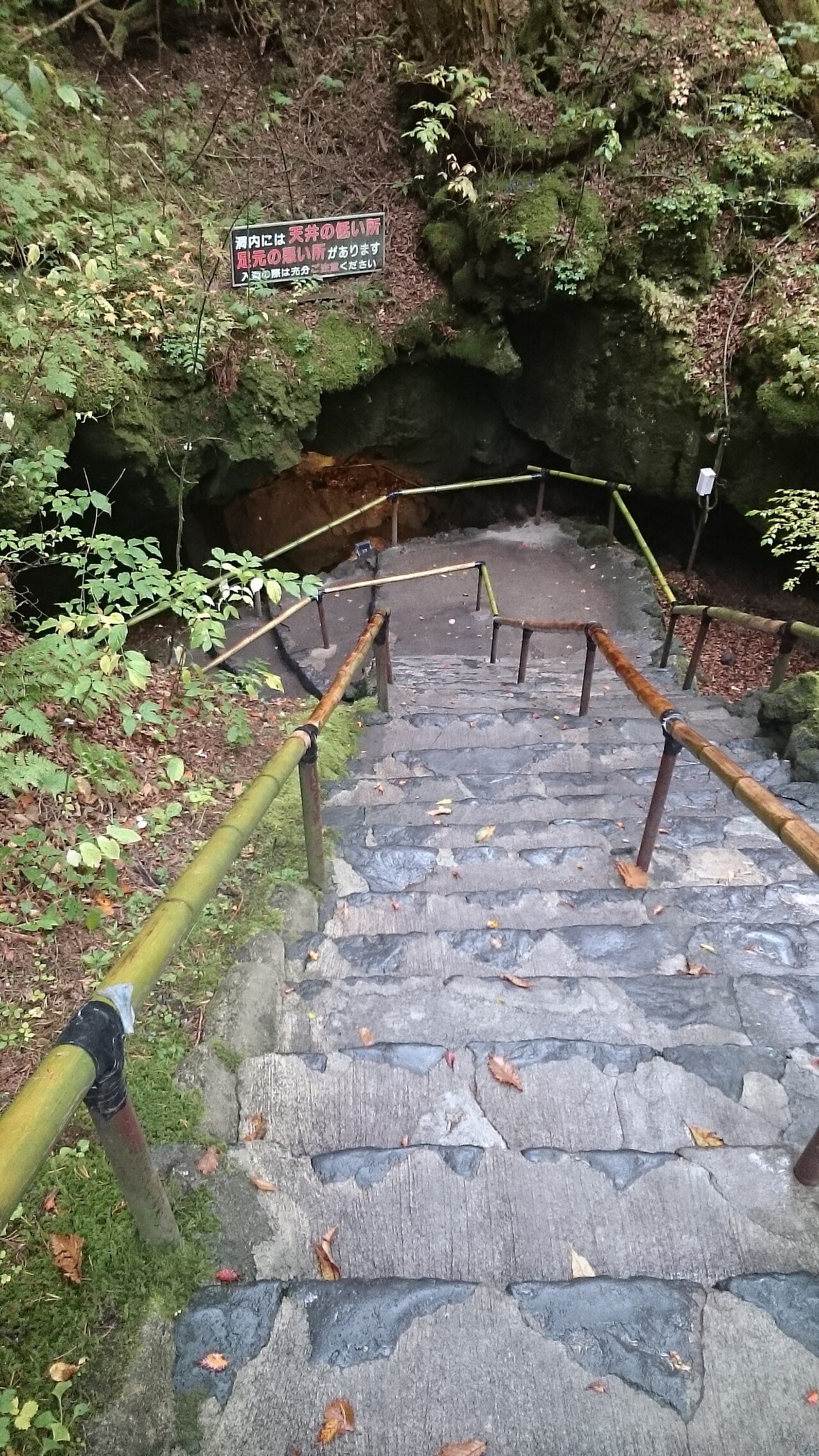
A cool lava cave in the Aokigahara forest, once used as a natural cold store for silkworms and seeds.
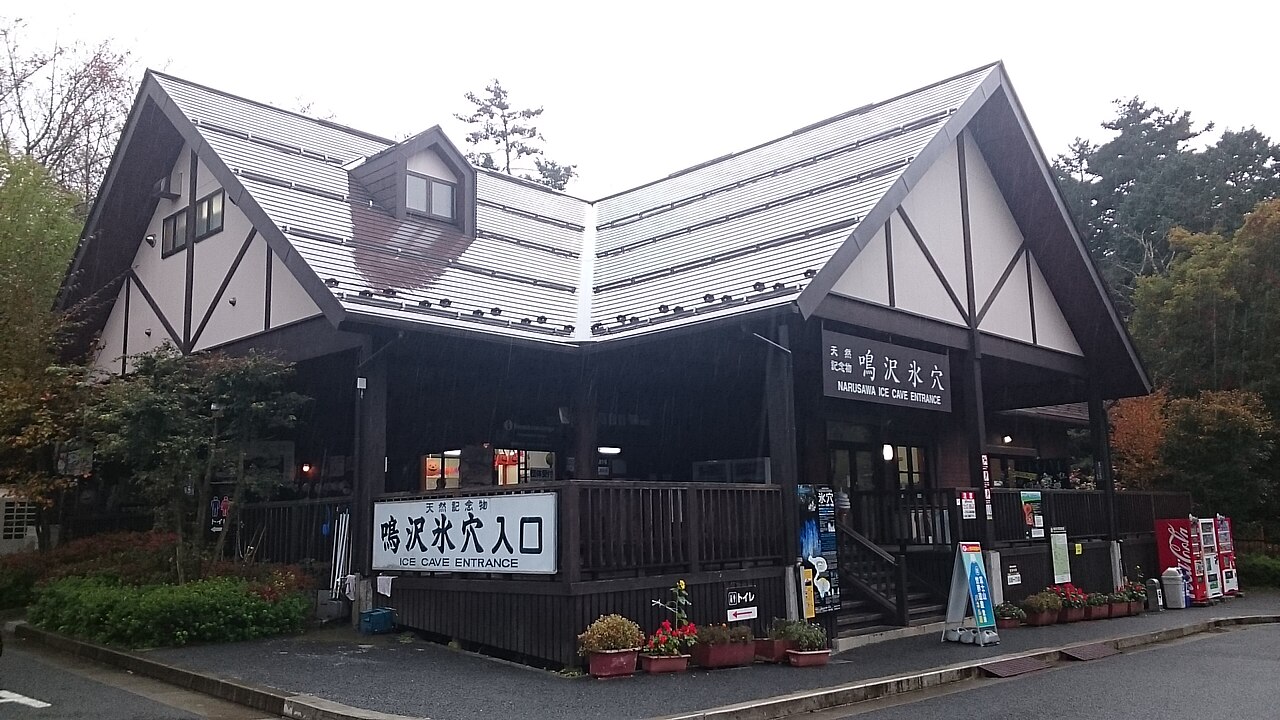
The Fugaku Wind Cave, or Fugaku Fuketsu, is a lava tube at the edge of the Aokigahara forest on the northwestern flank of Mt. Fuji, formed by the same great eruption around the year 864 that shaped much of the surrounding landscape. Together with the nearby Narusawa Ice Cave it is one of the two best-known caves of the Fuji Five Lakes area, and while the ice cave is famous for its frozen pillars, the wind cave is prized for its steady flow of cool air and its unusual acoustic and thermal properties.
Unlike many lava tubes, the Fugaku cave is relatively low, wide and flat, making it easier to walk than the tight, stair-heavy ice cave. Its walls are dark basalt, and because the rock absorbs sound and radio waves, the interior is notably quiet. The cave maintains a low temperature throughout the year, and this natural cold once gave it real economic value: for generations it was used as a storehouse, first for keeping ice and later, during Japan's silk boom, for storing silkworm cocoons and tree and flower seeds, which kept better in the constant chill. Wooden shelving and displays inside recall this history, and interpretive signs explain how the cave was formed and used.
The visit itself is short, usually around 20 to 25 minutes, following a gentle path down into the tube and back. The relatively level floor and lower ceilings compared with the ice cave make it a more comfortable option for those wary of tight, steep passages, though it is still cool and damp underground, so a light jacket is welcome even in summer. The steady, cave-cooled air that gives the site its name is most striking on a hot day, when the temperature difference between the forest and the tube is dramatic.
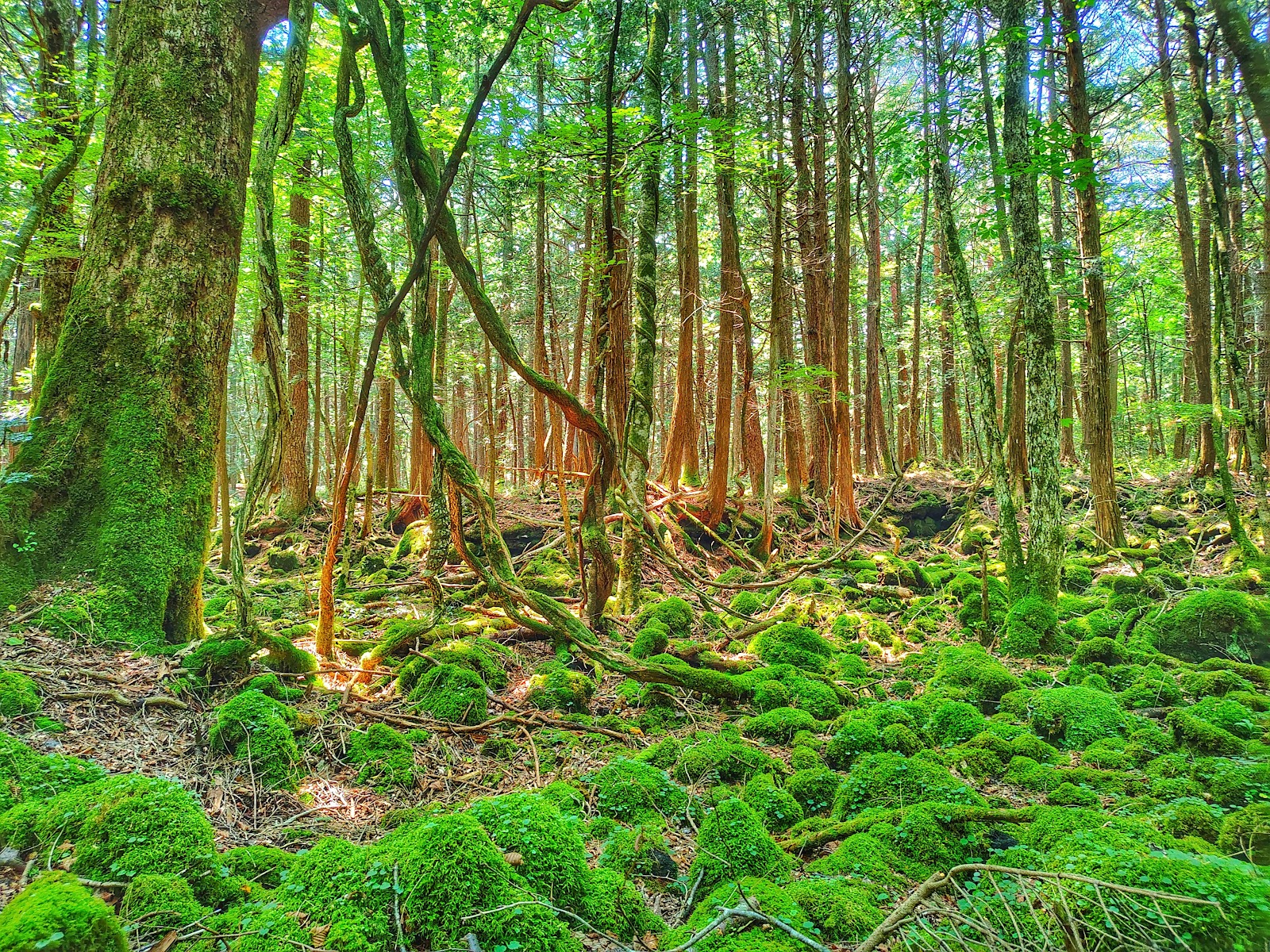
What makes the wind cave especially worthwhile is its setting within Aokigahara, the dense woodland that grew over the hardened lava. A well-marked forest trail of about 15 minutes links the wind cave with the ice cave, winding beneath tall trees whose roots grip the black volcanic rock. This path is the simplest and safest way for visitors to experience the atmosphere of the famous forest, walking a clear, maintained route rather than straying into the trackless interior. The combination of two very different caves joined by a short woodland stroll makes for a satisfying couple of hours.
A modest admission fee is charged, often as a combined ticket with the Narusawa Ice Cave, and both keep daytime hours that vary slightly by season. Parking, restrooms and a gift shop sit at the entrance, and the caves are reached by the sightseeing buses that loop from Kawaguchiko Station toward the Aokigahara area. For travellers interested in the volcanic geology behind the Fuji landscape, or simply looking for a cool, easy and slightly offbeat outing away from the lakeshore crowds, the Fugaku Wind Cave delivers history, natural wonder and a genuine taste of the forest in one compact stop.
A local's tip
Walk the 15-minute forest path between the Wind Cave and the Ice Cave through Aokigahara rather than taking the bus; it is the easiest, safest way to sample the famous woodland.
Best time to visit
Summer for the cool interior; combine with the ice cave
Getting there
Take the Fujikyu 'Blue Line' sightseeing bus from Kawaguchiko Station toward the Aokigahara area; the cave is one stop from the Narusawa Ice Cave, and a forest trail links the two.
Good to know
- Parking
- Gift shop
- Restrooms
Plan the whole trip offline
Fugaku Wind Cave is one of many places in the Real Japan app — with turn-by-turn directions, nearby spots and full offline maps you can use with no signal.