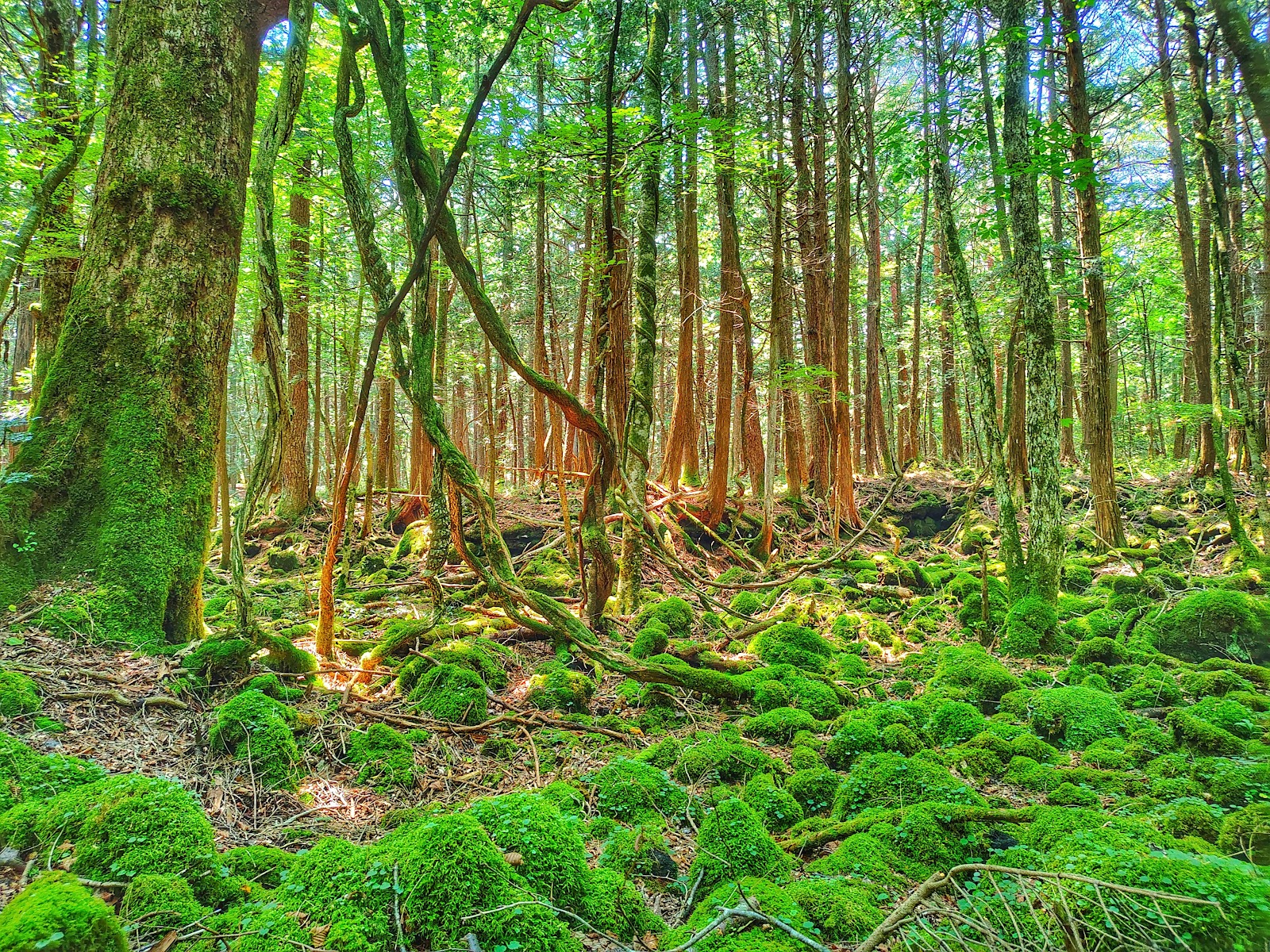
The dense, mysterious lava-formed forest at the foot of Mount Fuji, threaded with marked nature trails and caves.
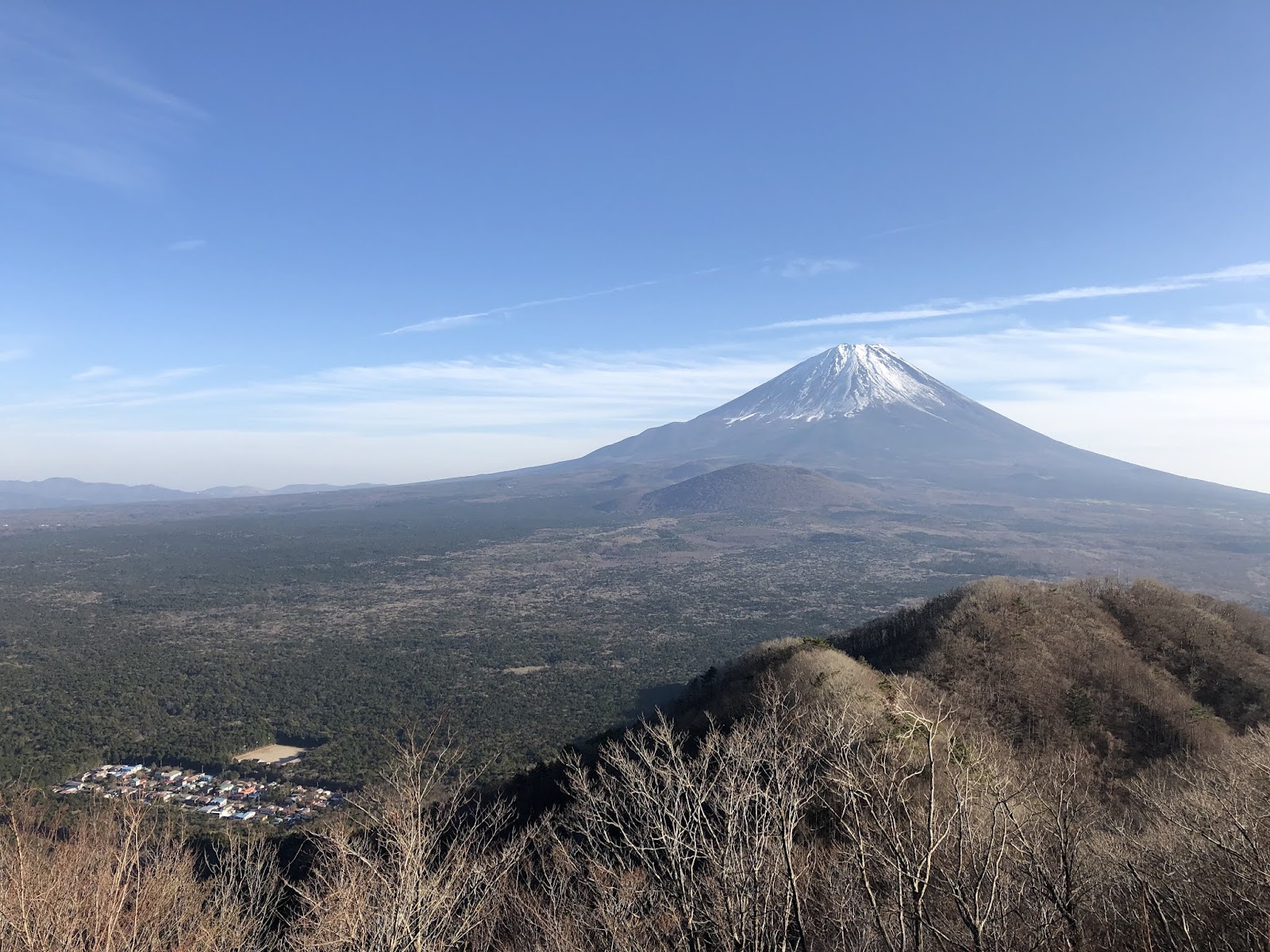
Aokigahara, often called the Sea of Trees (Jukai), is a vast, dense and strikingly atmospheric forest that spreads across the hardened lava at the north-western foot of Mount Fuji. Covering roughly 30 square kilometres, it grew up on the ground laid down by a massive eruption of Fuji in the year 864, which sent lava pouring across the plain and dammed a larger ancient lake into the smaller Fuji lakes seen today. The forest that colonised this rocky, mineral-rich terrain is unusually thick and quiet, its floor a tangle of twisted roots clinging to black volcanic rock and cushioned in deep moss, creating one of the most distinctive natural landscapes in Japan.
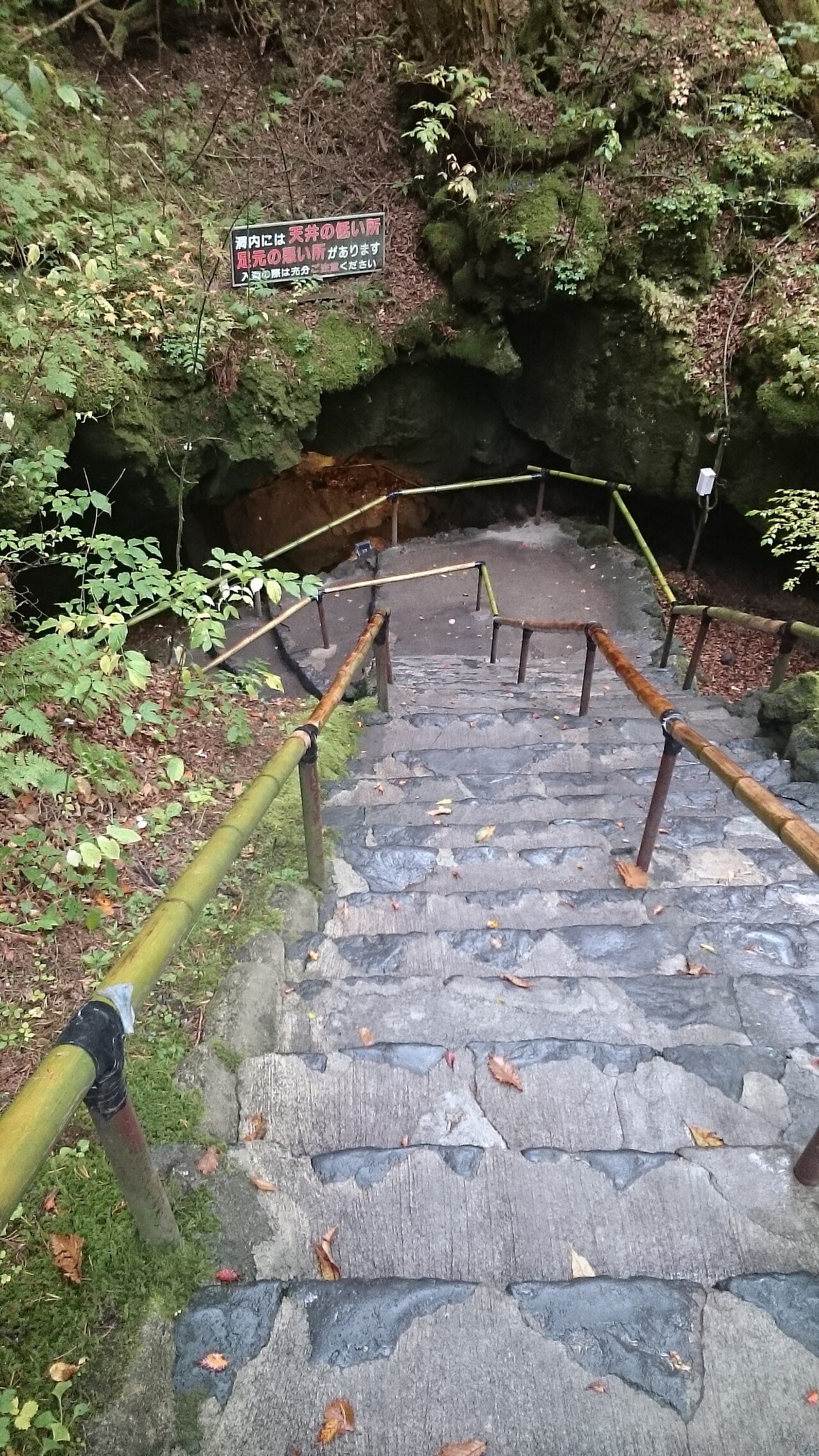
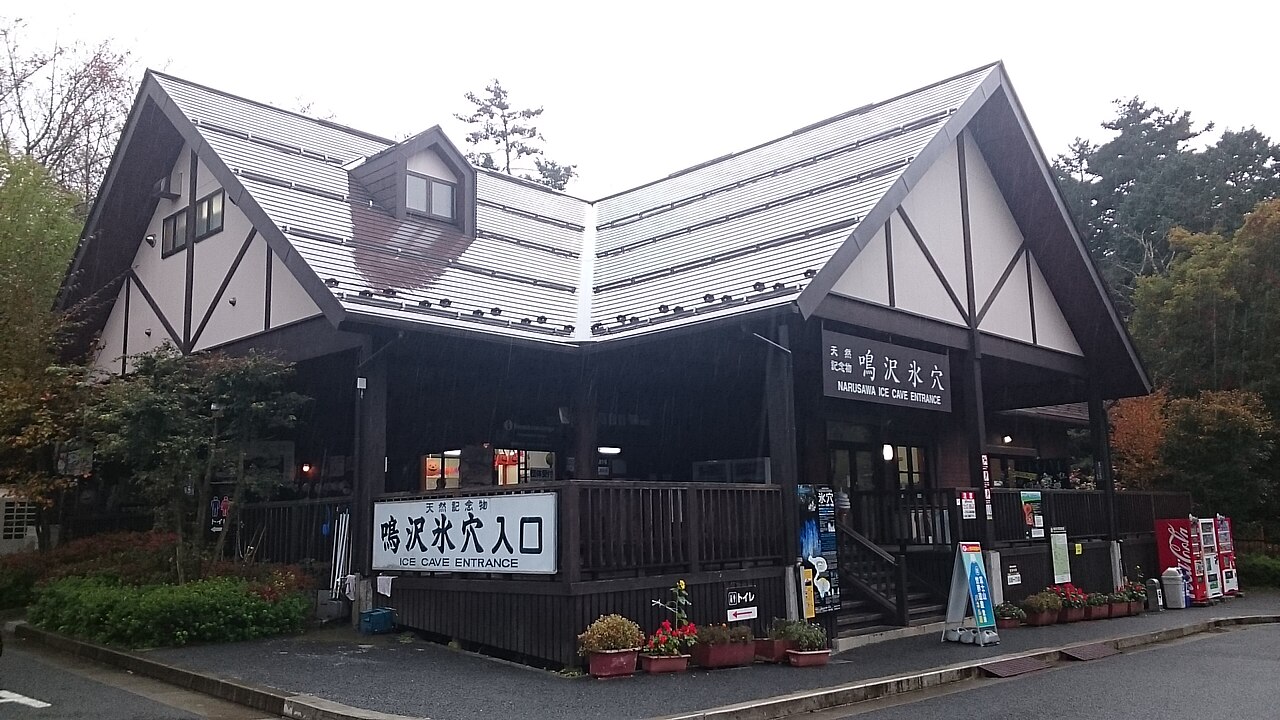
The woodland is dominated by hardy species such as Japanese cypress and hemlock that can grow on the thin soil over lava. Because the ground is porous rock rather than earth, roots spread sideways in dramatic, gnarled forms, and the canopy is so dense that even on bright days the interior is dim and profoundly still. The lava field is also riddled with tubes and hollows, giving rise to the forest’s famous caves. The Narusawa Ice Cave and the Fugaku Wind Cave, both formed by flowing lava, maintain low temperatures year-round and were historically used to store ice and, later, silkworm cocoons; today they are lit and open to visitors for a small admission fee, their icy interiors a popular and cool summer attraction.
Aokigahara is best experienced along its network of well-maintained nature trails, particularly the walking route that links the Wind Cave and Ice Cave, which passes through classic Sea of Trees scenery of moss, lava and towering trunks. Interpretive signs explain the volcanic geology and the ecology of this remarkable environment, and guided eco-tours are available for those who want to understand it more deeply and safely. In autumn the deciduous trees mixed through the forest add flashes of gold and red to the evergreen darkness.
The forest has long attracted legends. Local folklore holds that it is haunted, and it is often said that compasses spin wildly within it; in reality the magnetic iron in the volcanic rock can affect compass needles when placed directly on the ground, though standard navigation at chest height works normally. What is genuinely true is that the uniform, disorienting terrain and lack of landmarks make it very easy to become lost off the paths, so visitors are strongly urged to stay on the marked trails at all times. Treated with this respect, Aokigahara is a safe and rewarding place to walk.
The forest is reached by the Fujikyu sightseeing buses that run from Kawaguchiko Station around Lake Sai toward the caves, with stops at the main trailheads. A visit of an hour or two allows time to walk a section of trail and explore one of the caves. Combined with the nearby lakes and observation points, Aokigahara offers a compelling counterpoint to the open vistas of Mount Fuji — an immersion in the strange, primeval and beautiful world that the volcano itself created.
A local's tip
Walk the well-maintained nature trail between the Wind Cave and Ice Cave for the full otherworldly experience — but never leave the path; compasses spin near the iron-rich lava and it is genuinely easy to get lost.
Best time to visit
Daytime, especially autumn; always stay on marked trails
Getting there
Take the Fujikyu Saiko or Aokigahara sightseeing bus from Kawaguchiko Station to stops such as the Wind Cave (Fugaku Fuketsu) or Ice Cave, gateways to the marked forest trails.
Good to know
- Restrooms
- Guided tours
Plan the whole trip offline
Aokigahara (Sea of Trees) is one of many places in the Real Japan app — with turn-by-turn directions, nearby spots and full offline maps you can use with no signal.