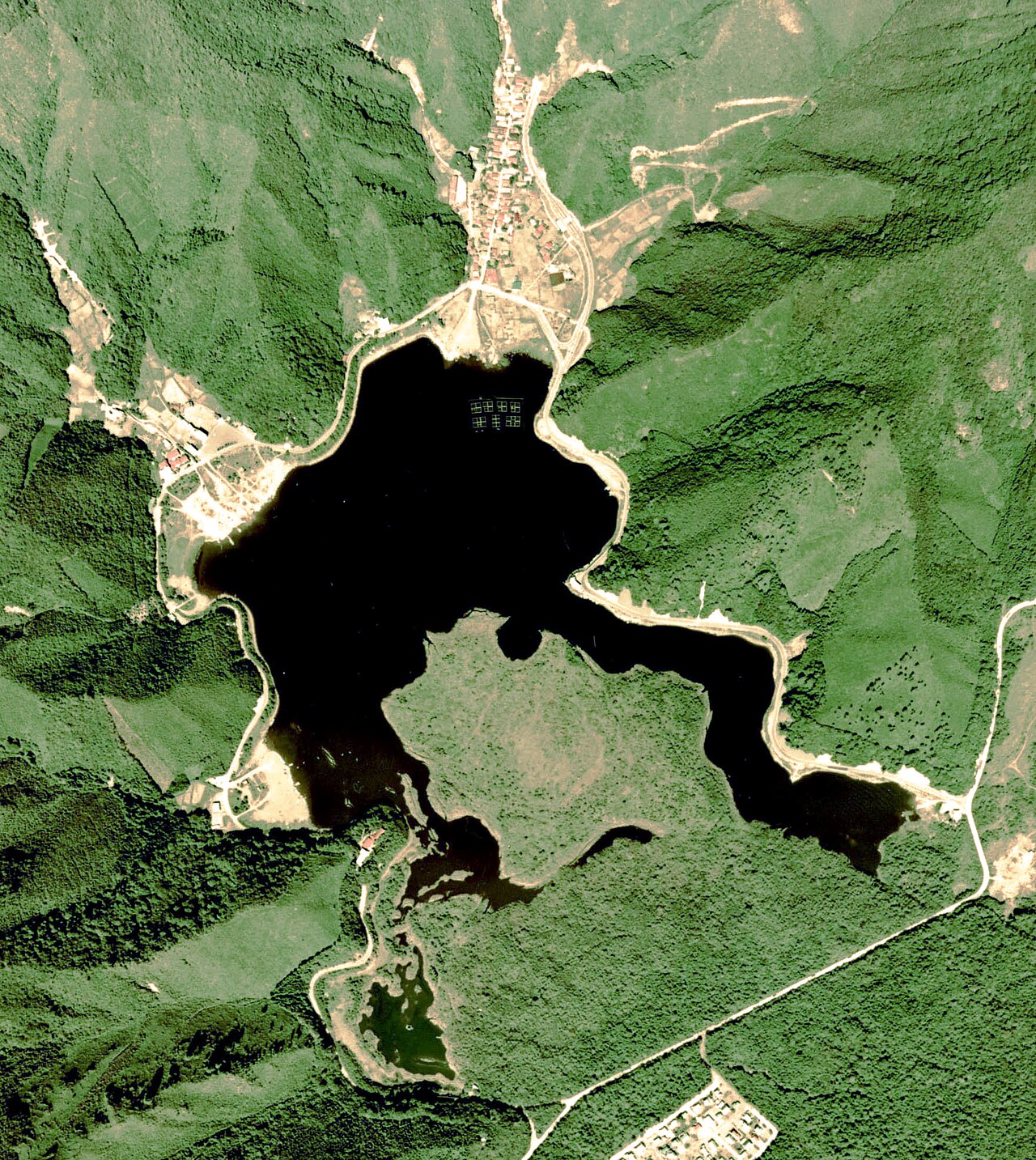
The smallest and quietest of the Fuji Five Lakes, prized for its classic 'Child Fuji' view.
Lake Shoji, or Shojiko, is the smallest of the Fuji Five Lakes and, for many, the most tranquil. Tucked between Lake Motosu and Lake Sai on the less-developed western side of Mt. Fuji, it is a compact, deep lake surrounded by wooded hills, with only a small cluster of lodges and boathouses along its shore. Its modest size and quiet setting make it a favourite of anglers, painters and travellers seeking a peaceful alternative to the busier resorts.
Like its neighbours Motosu and Sai, Lake Shoji is a remnant of a much larger ancient lake that was split into separate bodies of water by lava flows from Fuji's eruptions, and the three are believed to share an underground water source, which helps keep their levels and clarity remarkably consistent. The water is clean and cold, and the lake is well known for its fishing, particularly for smelt in the colder months, when huddled anglers dot the surface in small boats.
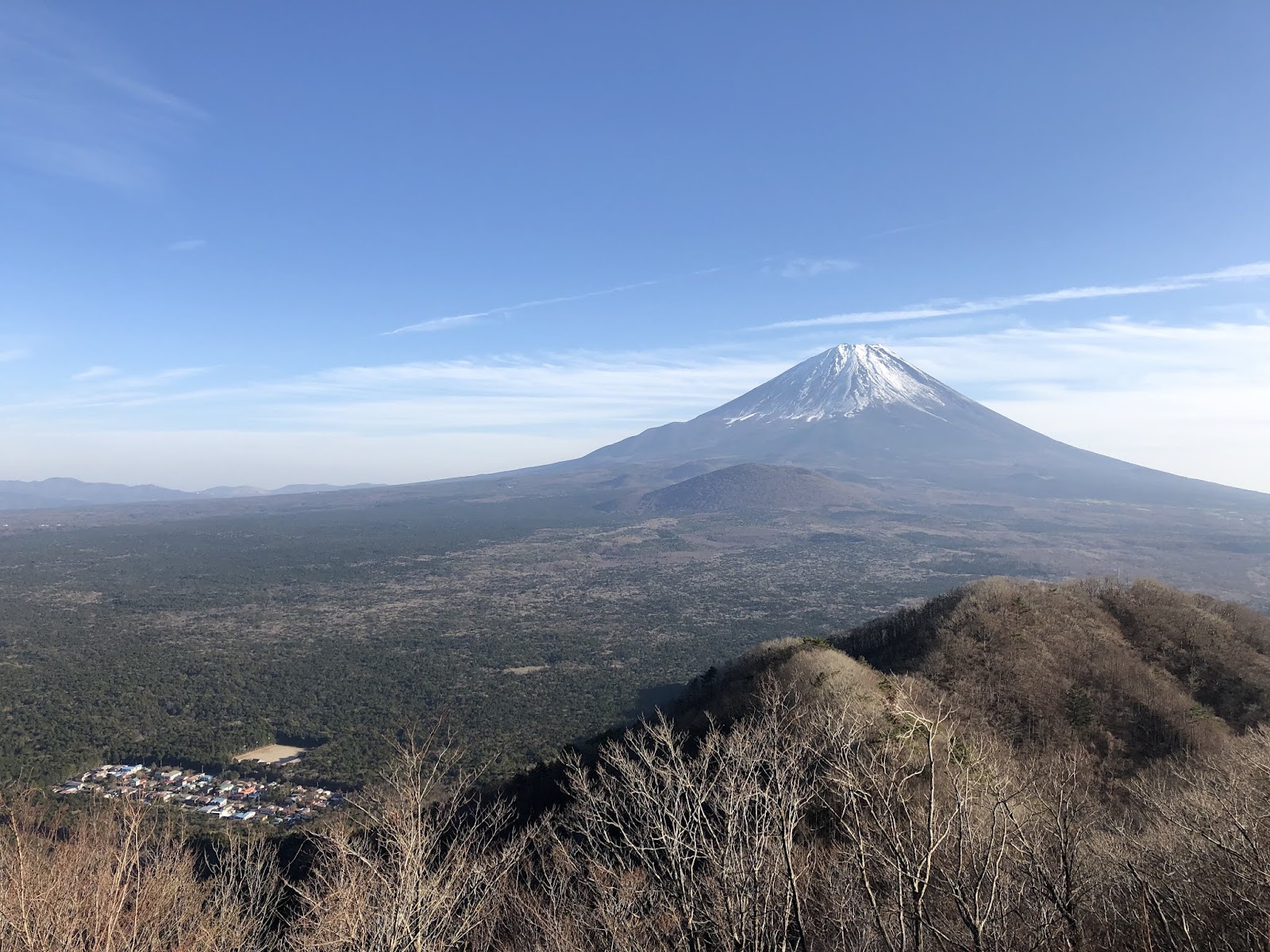
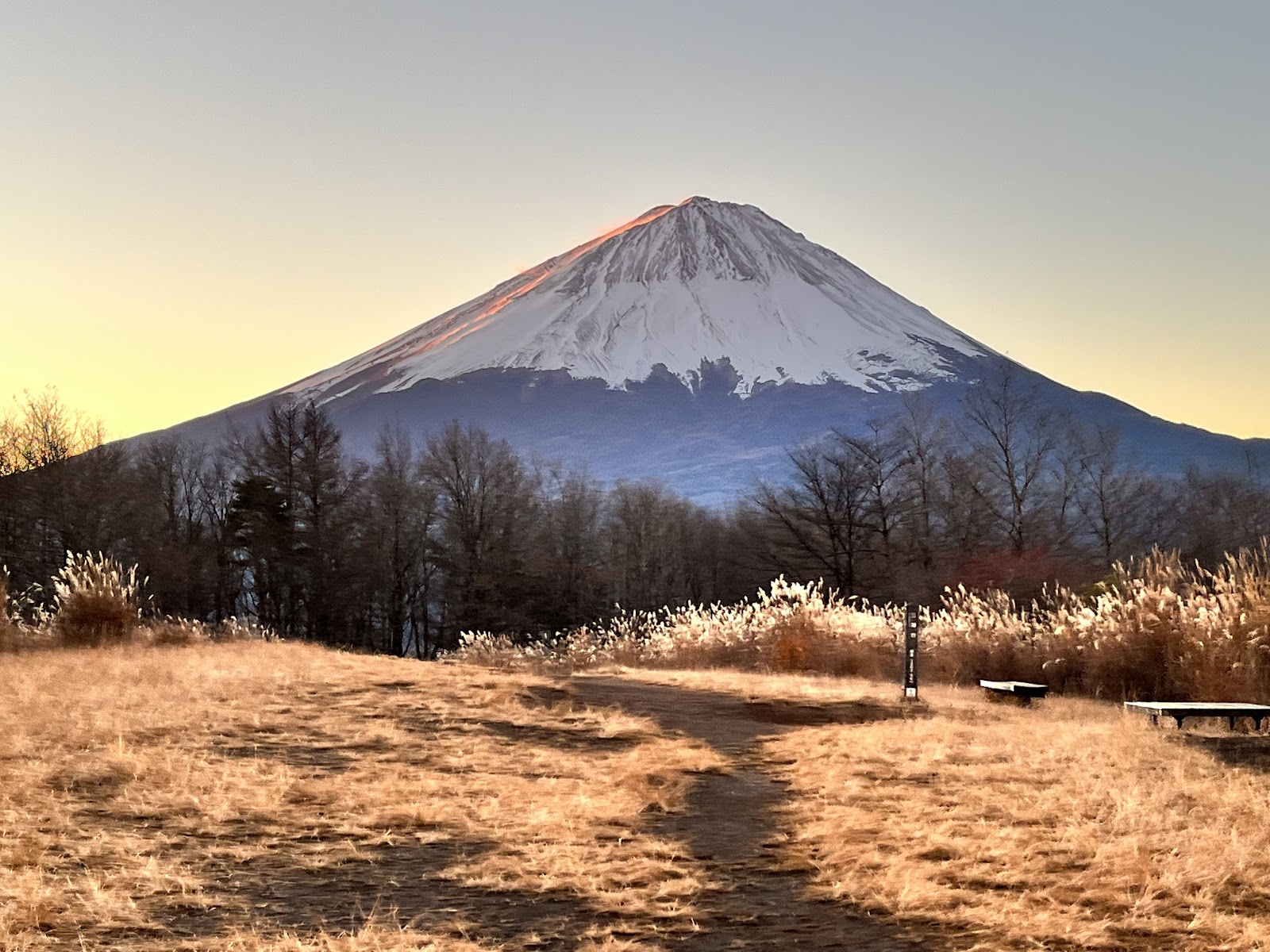
The lake's signature sight is the view of Mt. Fuji seen across the water with a smaller peak, Omuroyama, rising in front of it. This foreground hill appears to sit in the lap of the greater mountain, creating a composition long celebrated in Japanese art and known affectionately as Ko-Fuji, or Child Fuji. It was a beloved subject of the pioneering British-born photographer and travel writers who first popularised the Fuji Five Lakes, and it remains a rewarding scene for anyone with a camera, especially in the calm of early morning when the water is still.
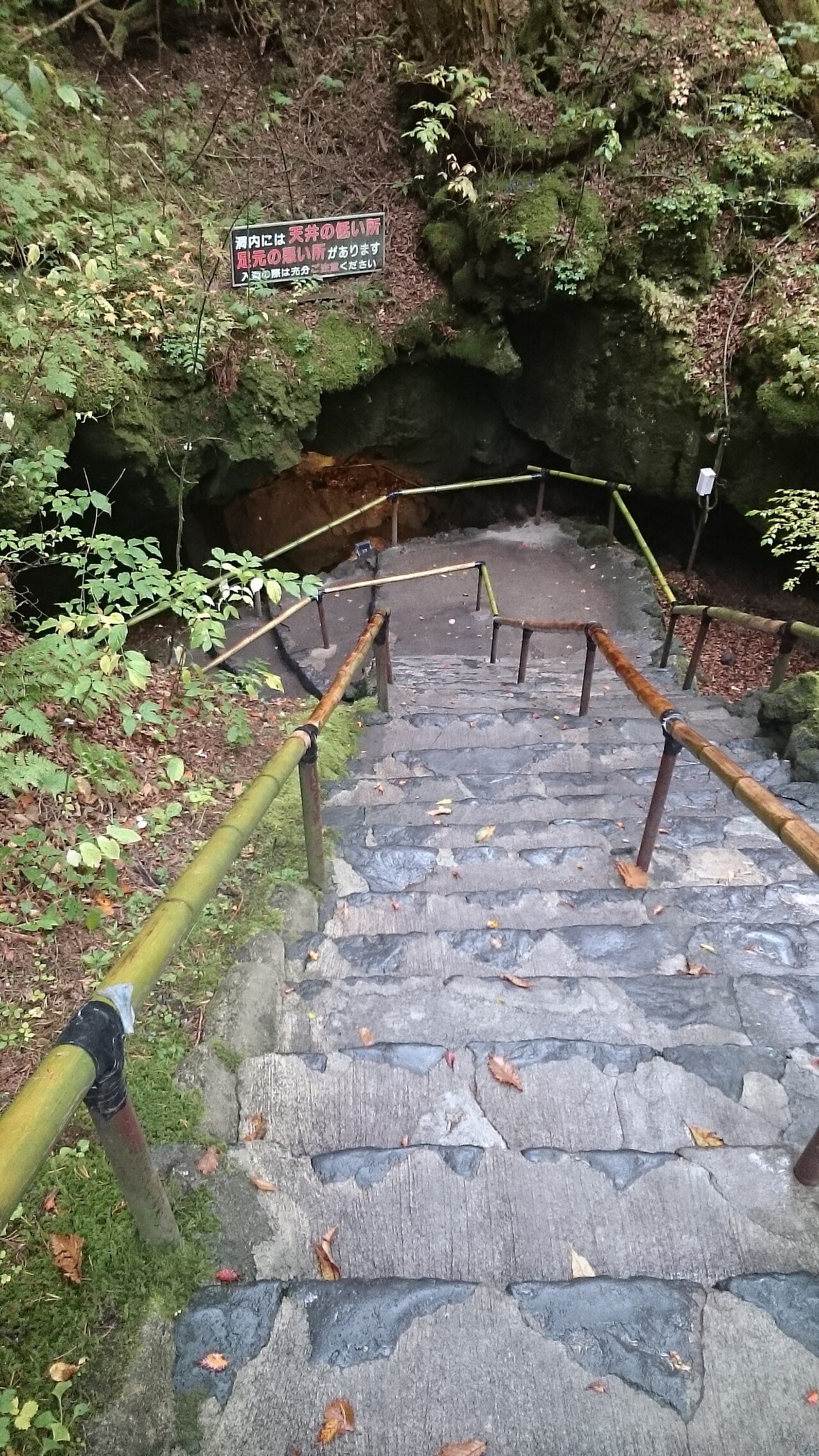
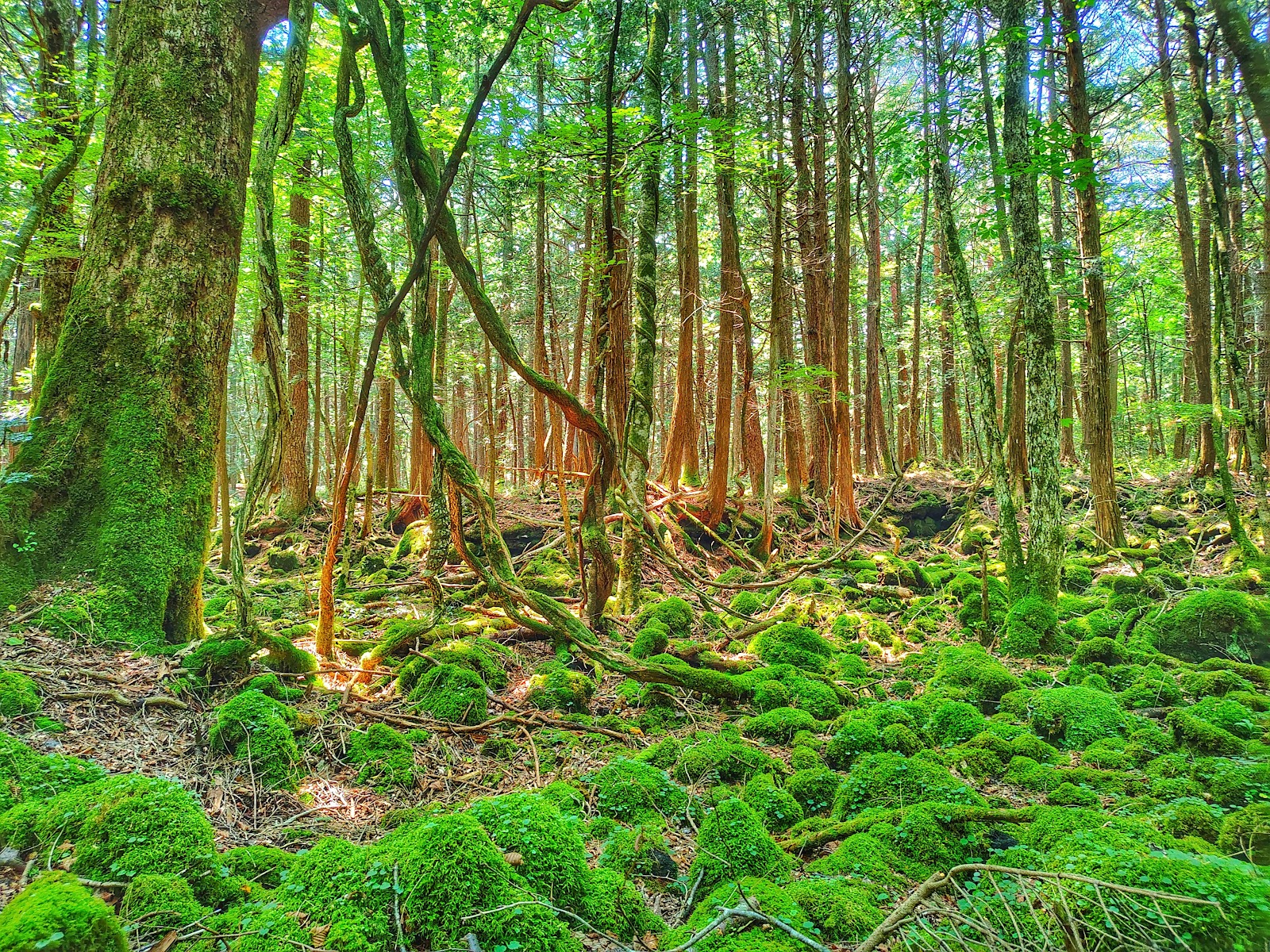
Because Shojiko is so small, it can be appreciated in an hour or two. A short walk along the accessible shore, a coffee at one of the lakeside lodges, and time to take in the Fuji view are enough for most visitors, though those who fish or paddle may linger far longer. The surrounding area is quiet and forested, part of the same landscape that includes the nearby Aokigahara woodland and the lava caves formed by Fuji's ancient eruptions, so the lake pairs naturally with a wider day of exploring the mountain's wilder western flank.
Seasons bring subtle changes rather than dramatic crowds. Autumn colours the encircling hills, winter offers the clearest air and the best chance of a crisp, snow-covered Fuji mirrored in the water, and spring and summer bring fresh green and comfortable weather for walking and boating. At any time of year the atmosphere is calm and uncommercial.
Getting to Lake Shoji means taking a bus from Kawaguchiko Station toward the western lakes, a journey of around 45 minutes, or driving the scenic lake road. As with the other lakes, there is no admission charge and the shore is always open. For travellers who have ticked off the famous viewpoints around Kawaguchiko and want to experience the quieter, more contemplative side of the Fuji Five Lakes, Shojiko offers stillness, classic scenery and a genuine sense of getting away from it all, all within easy reach of the region's transport.
A local's tip
Look for the classic 'Child Fuji' view, where a smaller foreground hill appears to nest in front of the main peak; it is one of the most painted scenes in the region.
Best time to visit
Early morning for calm reflections
Getting there
From Kawaguchiko Station take the Fujikyu bus toward Shojiko or Motosuko, roughly 45 minutes. The lake is small and quickly explored on foot around its accessible shore.
Good to know
- Lodges
- Restrooms
- Boat rentals
Plan the whole trip offline
Lake Shoji is one of many places in the Real Japan app — with turn-by-turn directions, nearby spots and full offline maps you can use with no signal.