Forested hilltop shrine in Genjiyama Park with a dedicated Mt Fuji deck and sweeping Sagami Bay views.
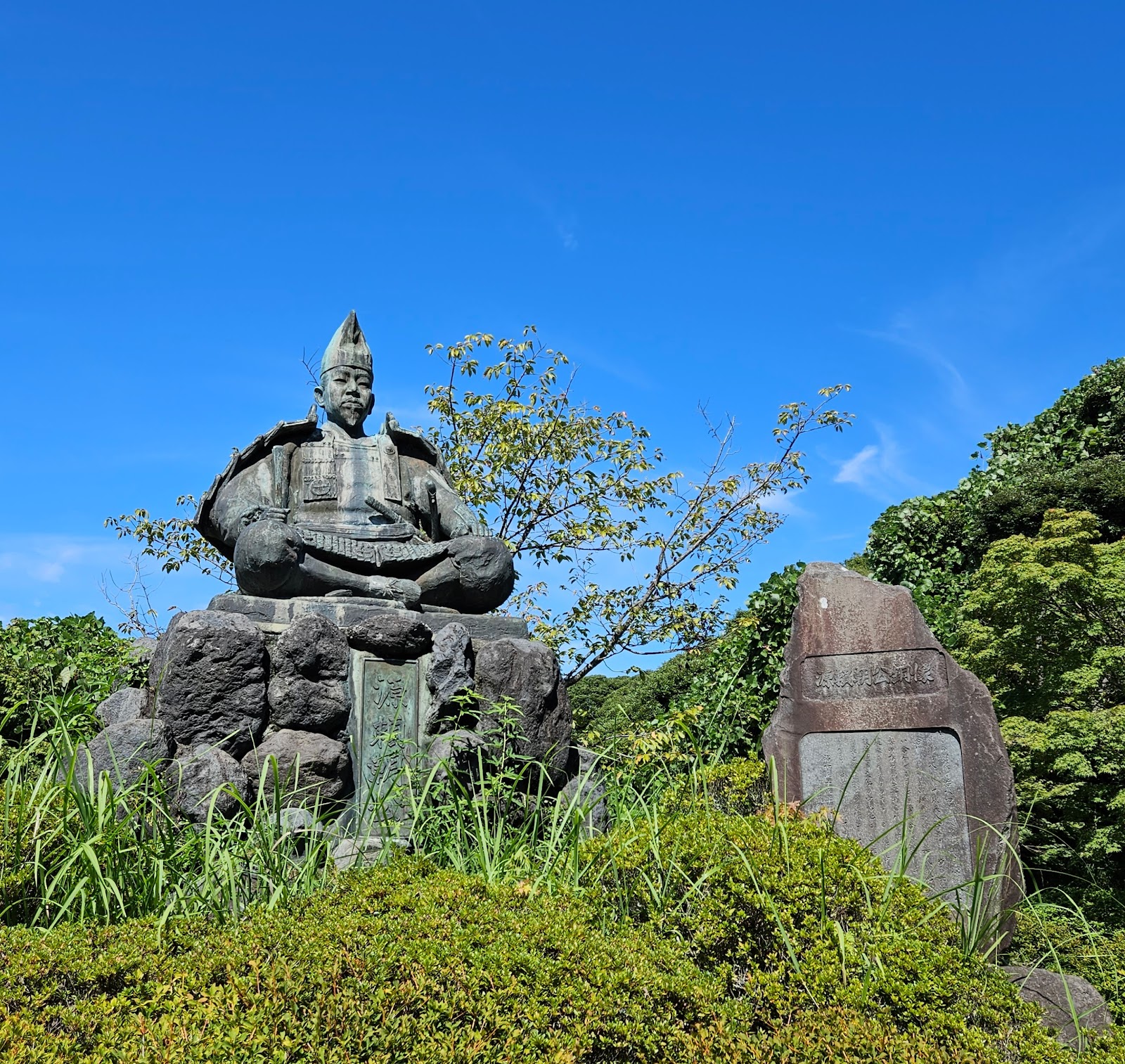
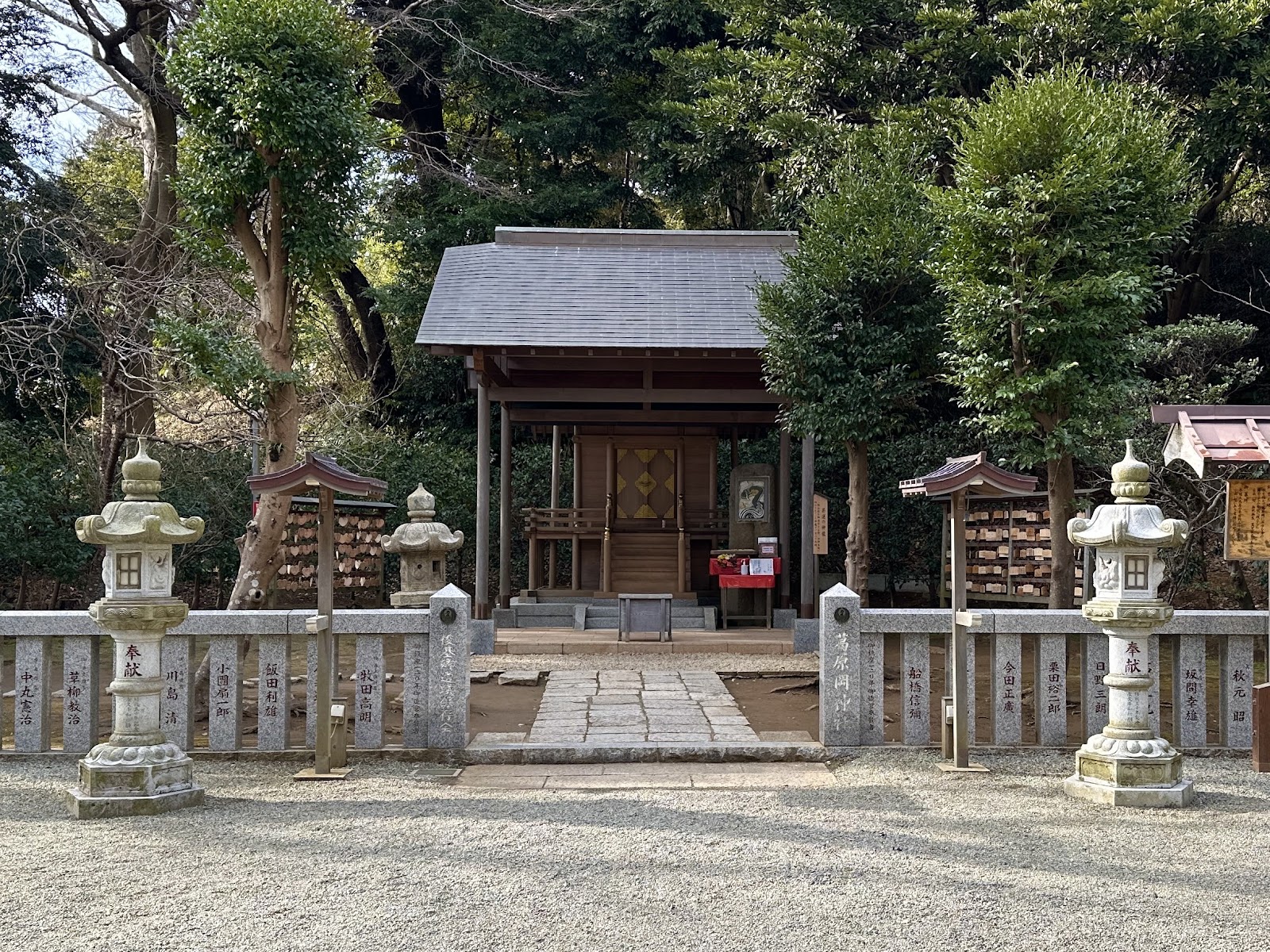
Kuzuharaoka Shrine crowns a wooded rise in Genjiyama National Park, along the ridge trail that links Kita-Kamakura with the Great Buddha at Hase. Established in 1887, the shrine is dedicated to Hino Toshimoto, a court noble and imperial loyalist executed nearby in 1332 during the turbulent end of the Kamakura shogunate. Today it is far better known as one of Kamakura's most popular spots to pray for love and good relationships, and its grounds are strung with pink votive plaques and paired 'marriage stones' that draw a steady stream of couples.
Beyond the romance, the shrine holds a genuine viewpoint. Set deeper in the precincts is a dedicated Mt Fuji viewing deck, positioned so that on clear days the sacred cone rises above the western hills across Sagami Bay. The surrounding old-growth forest opens just enough here to give a clean horizon, and picnic tables scattered nearby make this a favourite lunch stop for hikers pausing between temples. The vantage looks out both east and west over the rolling, green Kamakura hills, giving a real sense of how the medieval capital was cradled by ridges on three sides and the sea on the fourth.
The shrine's setting makes it a place for all seasons. In late March early-blooming and Somei-Yoshino cherry trees turn the hilltop soft pink, and in early summer more than 2,700 hydrangea bushes color the so-called Ajisai Path that climbs toward the grounds. Autumn brings a huge ginkgo tree to brilliant gold and sets the surrounding maples aflame, while winter, though bare, delivers the sharpest and most reliable views of Fuji thanks to the cold, dry air. Whatever the month, mornings offer the best odds of catching the mountain before haze rolls in.
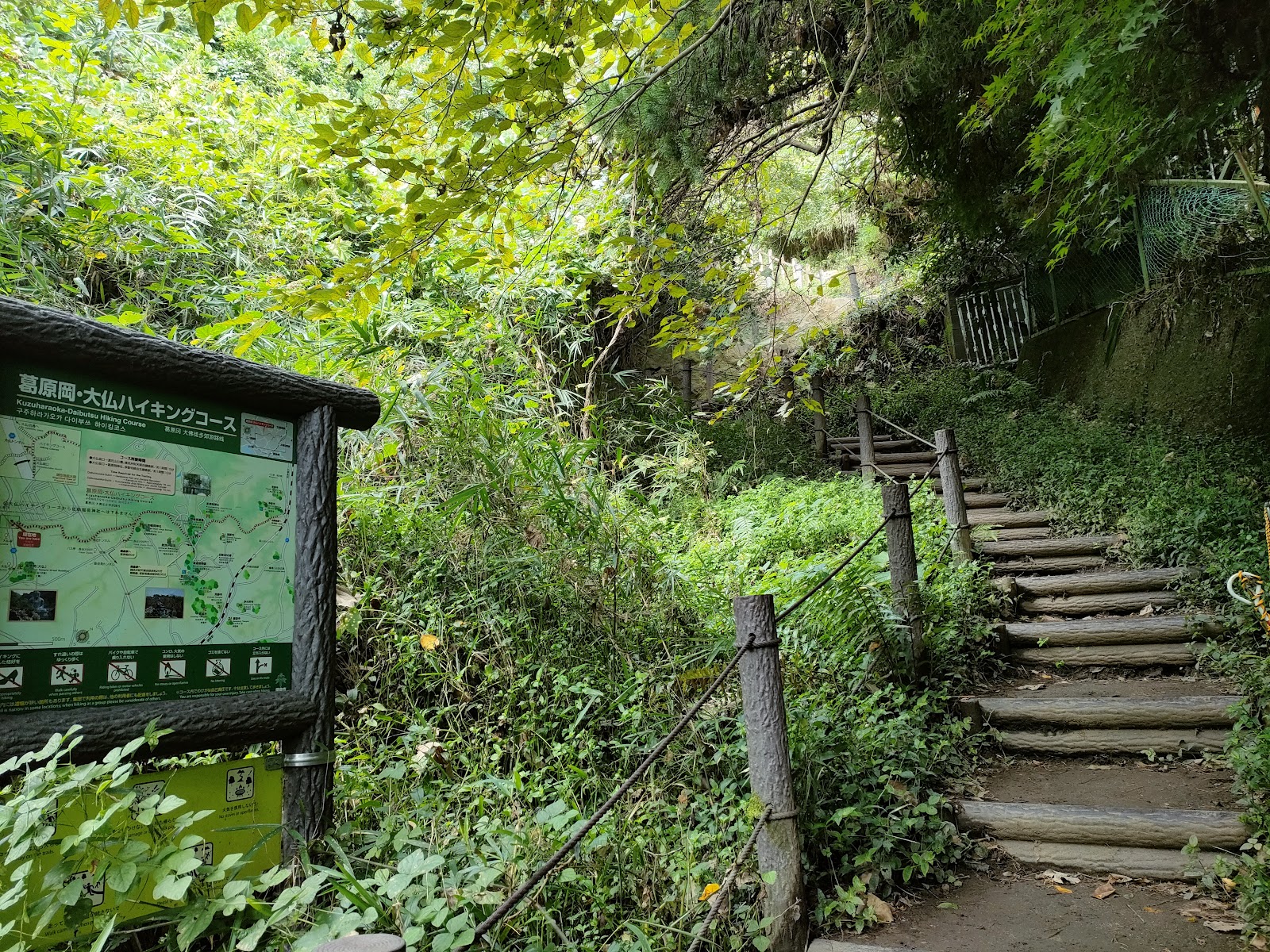
Reaching Kuzuharaoka is part of the pleasure, because there is no road to the door; you arrive on foot. The most popular approach is the Kuzuharaoka-Daibutsu hiking course, which begins near Kita-Kamakura Station on the JR Yokosuka Line, a stop covered by the Japan Rail Pass. From the station the trail winds southwest through forest for roughly 35 minutes, with some steep and rooty sections that can be muddy after rain, so sturdy shoes are wise. An alternative route climbs from Kamakura Station past Jufuku-ji and Zeniarai Benten, letting you fold the shrine into a longer traverse that ends at the Daibutsu.
Because it doubles as a trail waypoint, the shrine has simple amenities including restrooms, and a small teahouse operates nearby to refuel weary walkers. The grounds themselves are open around the clock as they sit on a public hiking route, though the shrine office keeps daytime hours for charms and fortunes. Plan on about 45 minutes to soak up the view, wander the atmospheric precincts and rest your legs. For the best experience, aim for a clear, cold morning, pack a light lunch, and treat Kuzuharaoka as the scenic heart of a half-day walk across the wooded spine of old Kamakura.
A local's tip
The Mt Fuji viewing deck is tucked deeper in the precincts beyond the main hall, past the love-fortune stones; most day hikers miss it, so walk to the western edge of the grounds for the open horizon.
Best time to visit
Clear winter mornings; late March for cherry blossoms
Getting there
From Kita-Kamakura Station on the JR Yokosuka Line, follow the Kuzuharaoka-Daibutsu hiking course southwest for about 35 minutes, or approach from Kamakura Station via Jufuku-ji and the same trail. The shrine sits in Genjiyama National Park on the ridge between the two stations.
Good to know
- Food
- Restrooms
Plan the whole trip offline
Kuzuharaoka Shrine Mt Fuji Viewing Deck is one of many places in the Real Japan app — with turn-by-turn directions, nearby spots and full offline maps you can use with no signal.