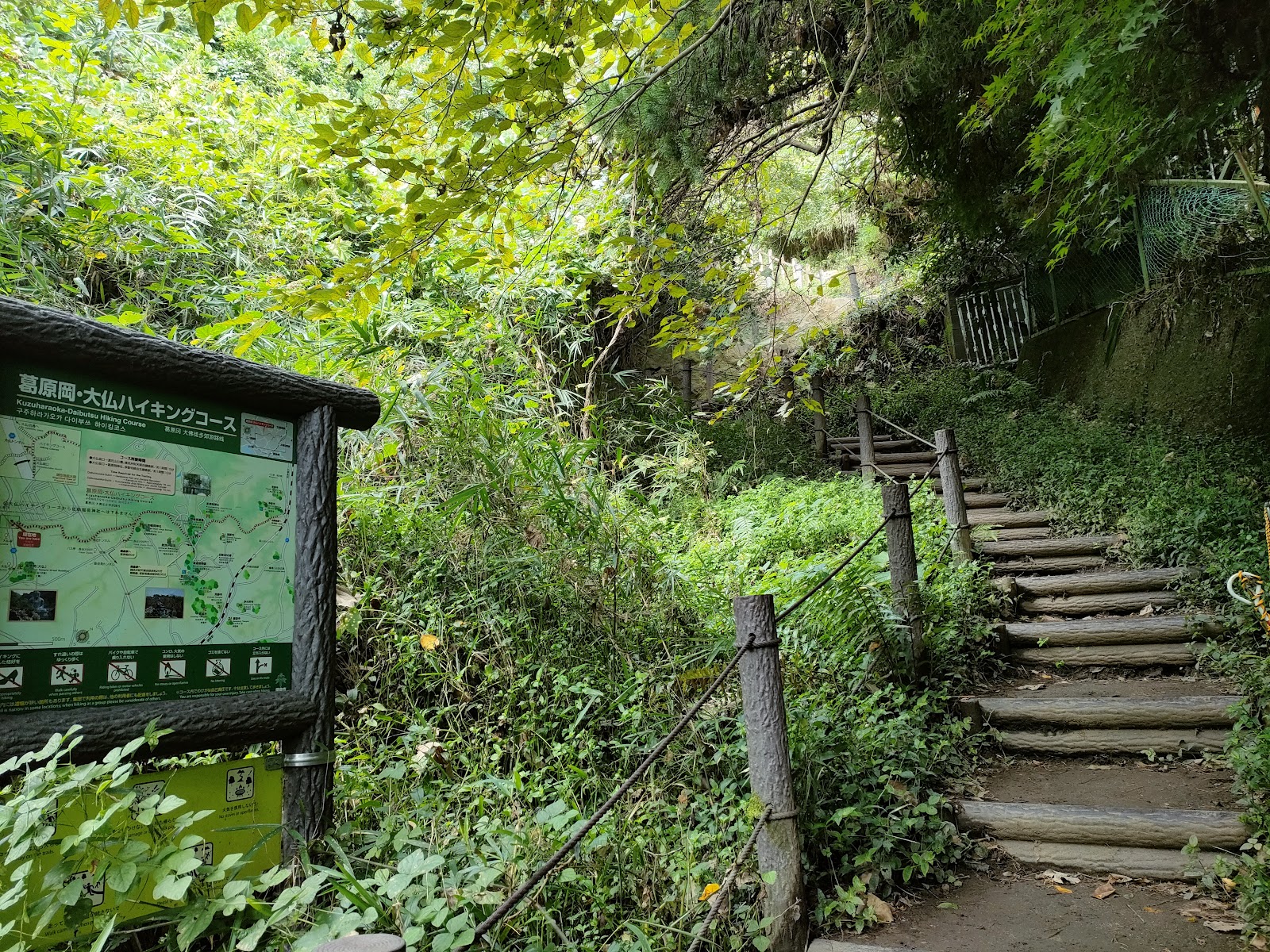
A ridge trail through wooded hills linking Kita-Kamakura's temples to the Great Buddha at Hase.
The Daibutsu Hiking Trail is the classic walk of Kamakura, a wooded ridge path that ties together the town's northern temples and its most famous monument, the Great Buddha (Daibutsu) of Kotoku-in. Running along the western heights of the city, the marked footpath threads through cool broadleaf forest, past hidden shrines and mossy caves, and delivers walkers to the giant bronze Buddha in Hase without ever having to touch a main road. Roughly three kilometres end to end, it can be walked in about ninety minutes to two hours at a gentle pace, making it the ideal way to see a wilder, quieter side of Kamakura between temple visits.
Most people start at the northern end, near Jochi-ji, a serene Zen temple a short walk from Kita-Kamakura Station. From there the path climbs quickly into the trees, and the noise of the town falls away almost at once. The route rolls along the ridgeline with occasional glimpses down over rooftops and, on clear days, out toward the sea. Because it follows the tops of the hills that once formed Kamakura's natural defences, the trail has a real sense of the medieval city's geography, the same steep valleys and narrow passes that made the samurai capital so easy to defend.
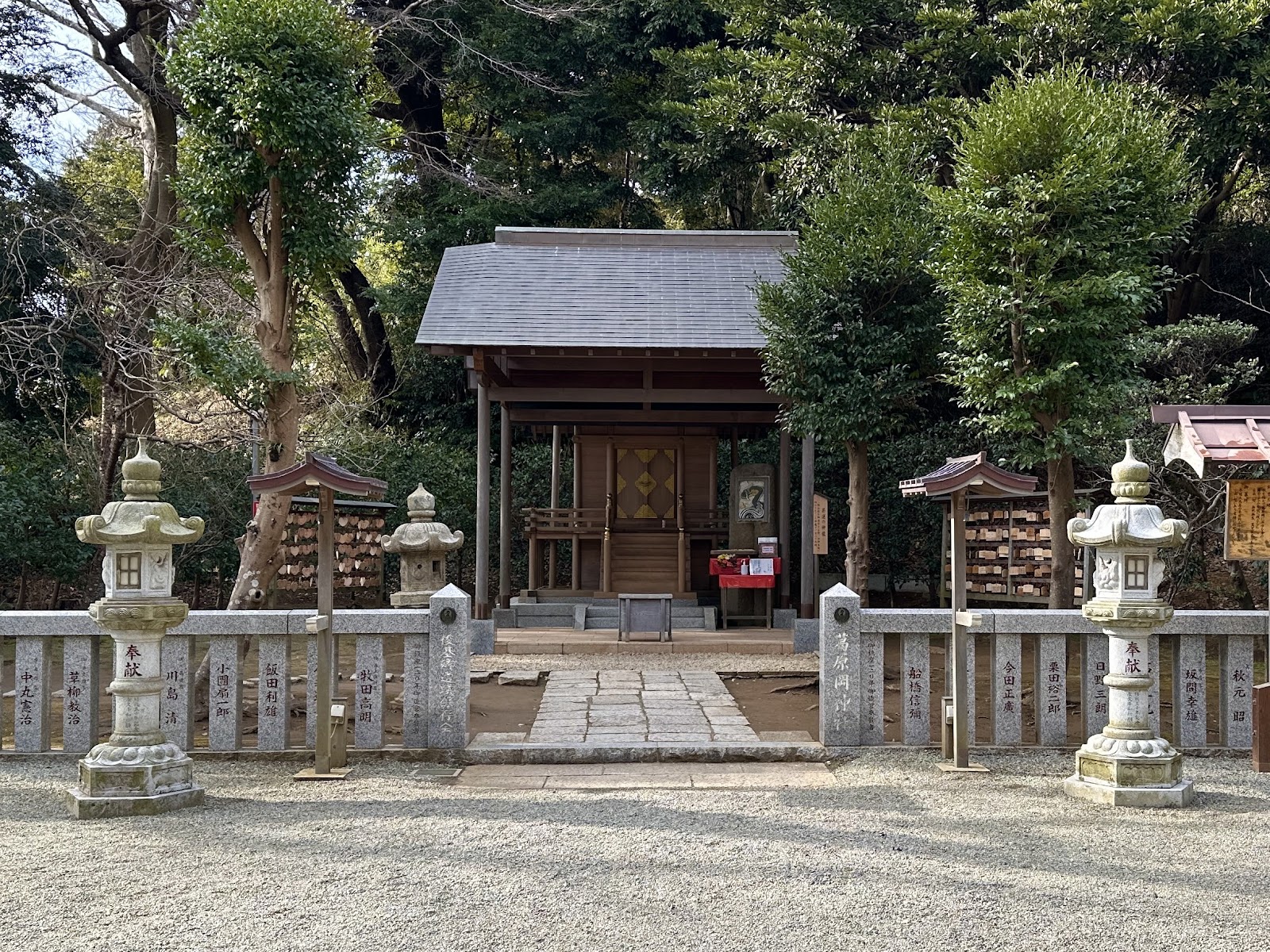
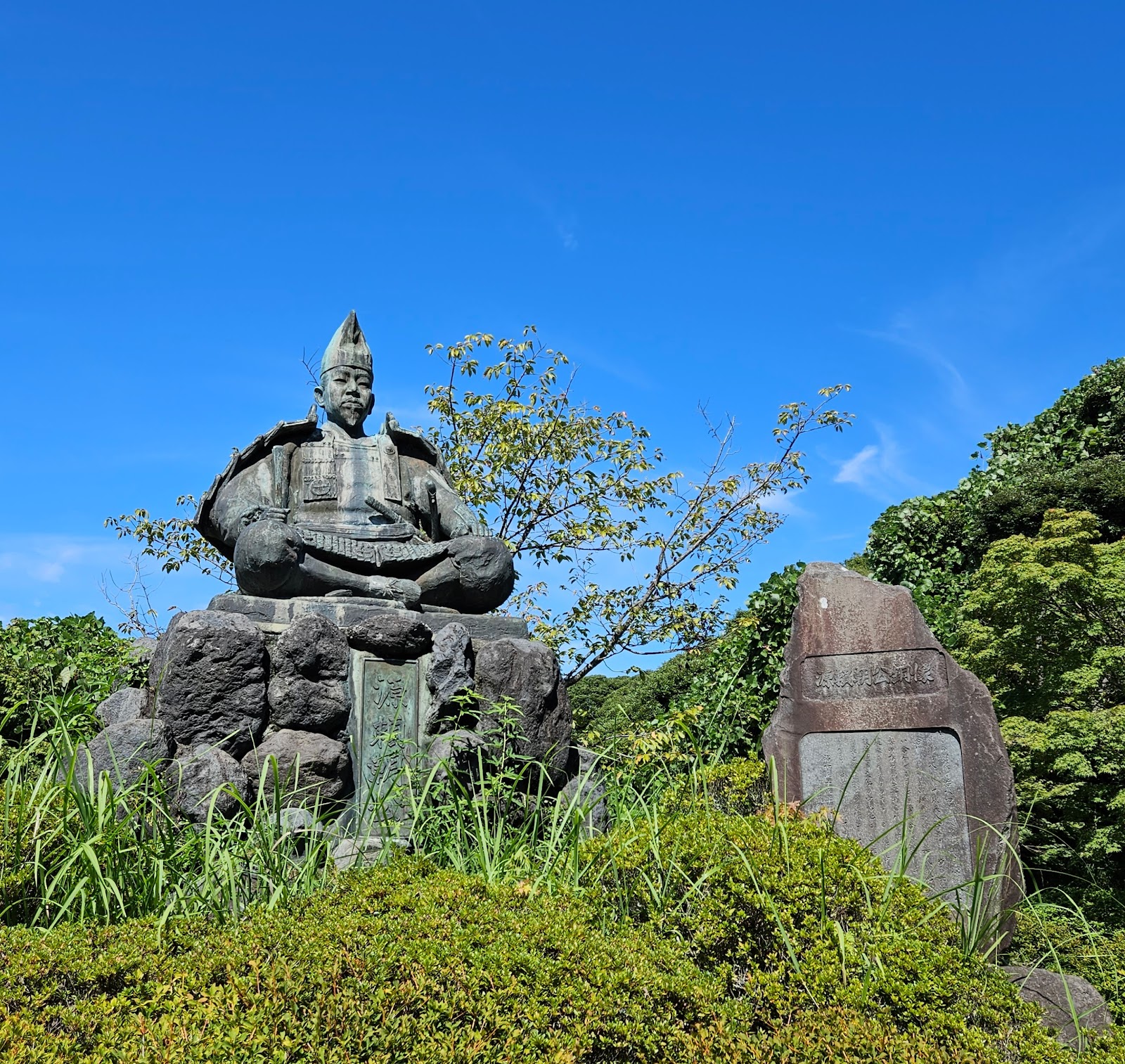
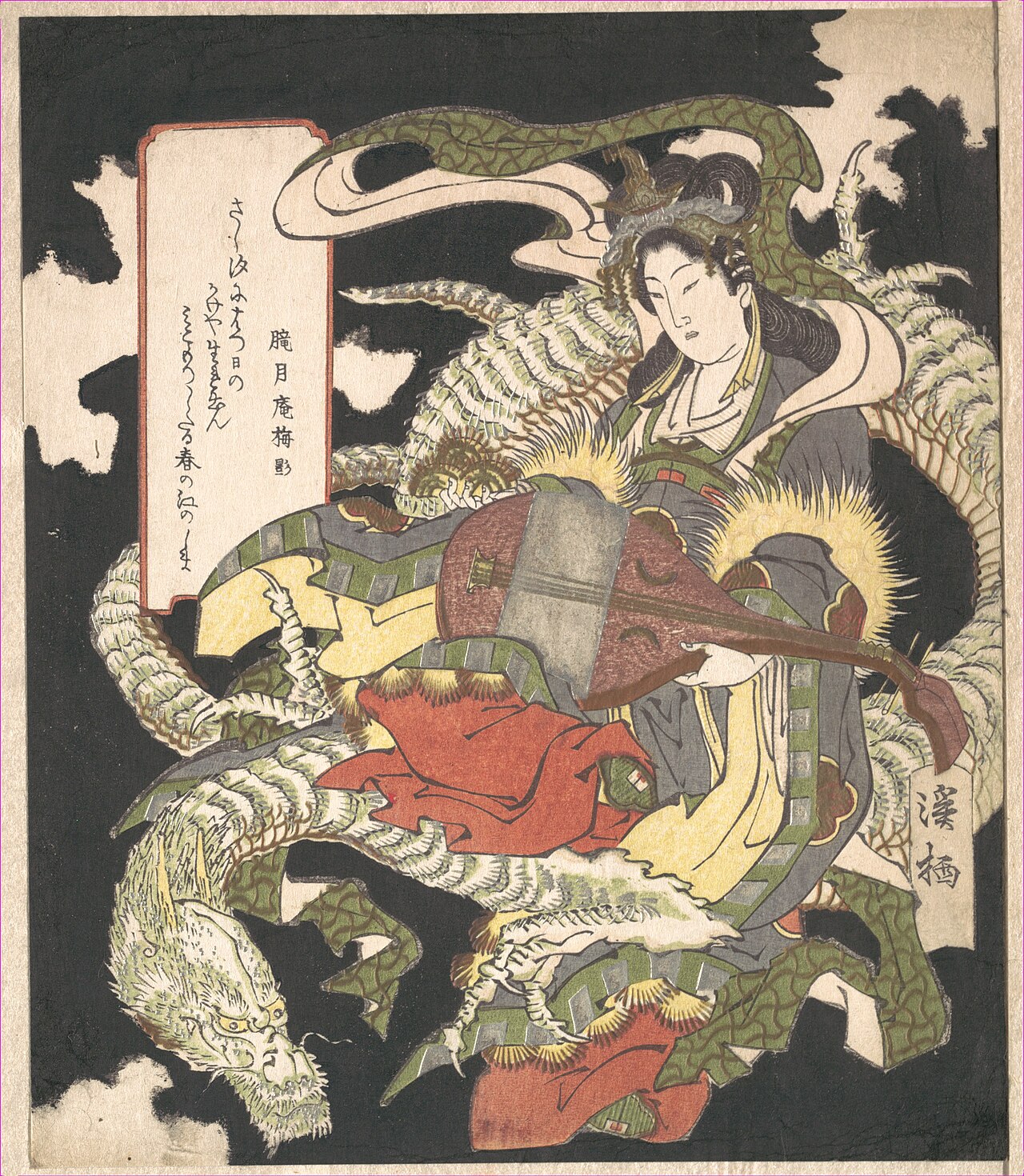
The midpoint is the highlight. Here the trail passes Genjiyama Park, with its statue of Minamoto no Yoritomo, cherry trees and picnic lawns, and a short detour drops you to Zeniarai Benzaiten, the atmospheric shrine set in a rock cavern where visitors wash their coins in a sacred spring in the hope of multiplying their wealth. Nearby Kuzuharaoka Shrine draws those praying for love and good relationships. These stops turn a straightforward hike into a rich half-day of nature and folklore, and there are restrooms and benches for a rest before the final stretch.
From Genjiyama the path continues south and west, descending at last behind Kotoku-in so that walkers emerge close to the Great Buddha itself, an unforgettable way to arrive at the thirteenth-century bronze colossus. Nearby Hase-dera, with its hillside gardens and sea views, makes a natural next stop before catching the Enoden tram home from Hase Station.
The trail is moderate rather than hard: there are roots, steps and some steep, uneven sections, but no technical climbing, and reasonably fit walkers of all ages manage it. Wear proper shoes, because the packed earth turns slippery and muddy after rain and is best avoided in wet weather. Carry water and a snack, as there are no shops between the trailheads. Spring brings cherry and fresh green, while November paints the maples along the ridge in gold and crimson, the finest time to walk. Reachable directly from JR stations covered by the Japan Rail Pass, and free from start to finish, the Daibutsu Trail is one of the best-value experiences in Kamakura.
A local's tip
Detour to Zeniarai Benzaiten and Genjiyama Park midway - the trail passes right by both, turning a simple walk into a loop of shrines, coin-washing folklore and picnic lawns.
Best time to visit
Autumn for colour; avoid after heavy rain when the trail is muddy
Getting there
Start near Jochi-ji, an 8-minute walk from Kita-Kamakura Station, and follow the ridge west and south to emerge above Kotoku-in and the Great Buddha in Hase; reverse the route to start from Hase Station instead.
Good to know
- Shops
- Benches
- Restrooms
Plan the whole trip offline
Daibutsu Hiking Trail is one of many places in the Real Japan app — with turn-by-turn directions, nearby spots and full offline maps you can use with no signal.