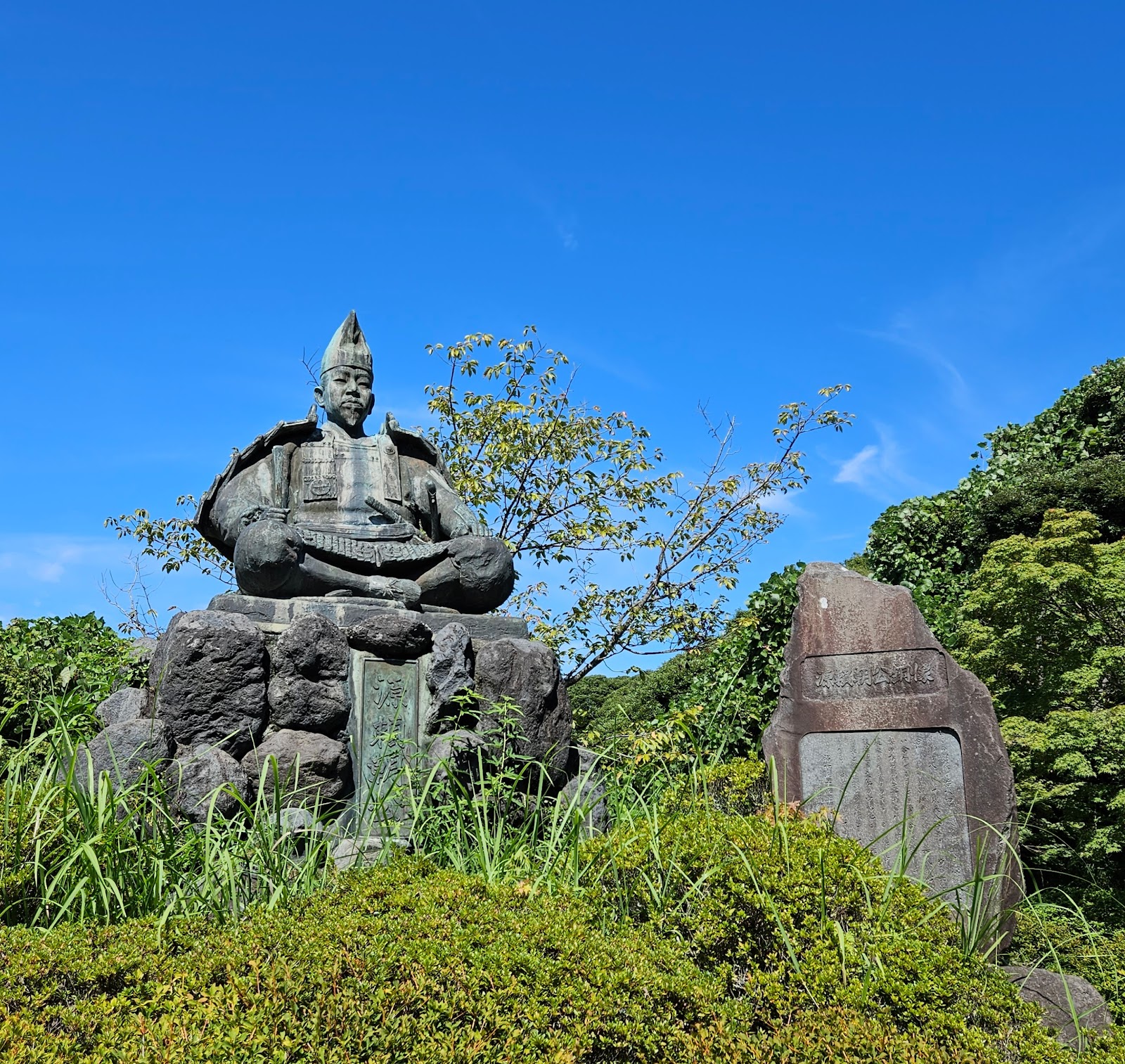
Wooded hilltop park with a statue of Kamakura's founder, cherry trees and access to the Daibutsu Trail.
Genjiyama Park sits on a forested ridge above the western edge of Kamakura, a green hinge point where the town's history and its best walking trails meet. Laid out in 1966, the park takes its name from the Genji (Minamoto) clan: this hill is traditionally linked to Minamoto no Yoritomo, the warrior who made Kamakura the seat of Japan's first shogunate in 1192. A dignified bronze statue of Yoritomo presides over the central lawn, and the surrounding woodland has been kept deliberately natural, so the park feels less like a manicured garden and more like a pocket of the old Kamakura hills.
The appeal shifts with the seasons. In late March and early April the cherry trees around the statue and along the approaches bloom, and because Genjiyama is a stiff uphill walk from the station it never gets as crowded as the temple grounds below. In November the maples and mixed broadleaf forest turn gold and red, and the filtered light through the canopy makes the ridge one of the quieter autumn-colour spots in the city. Azaleas add colour in early summer, and even in the green months the shade and birdsong make it a welcome rest.
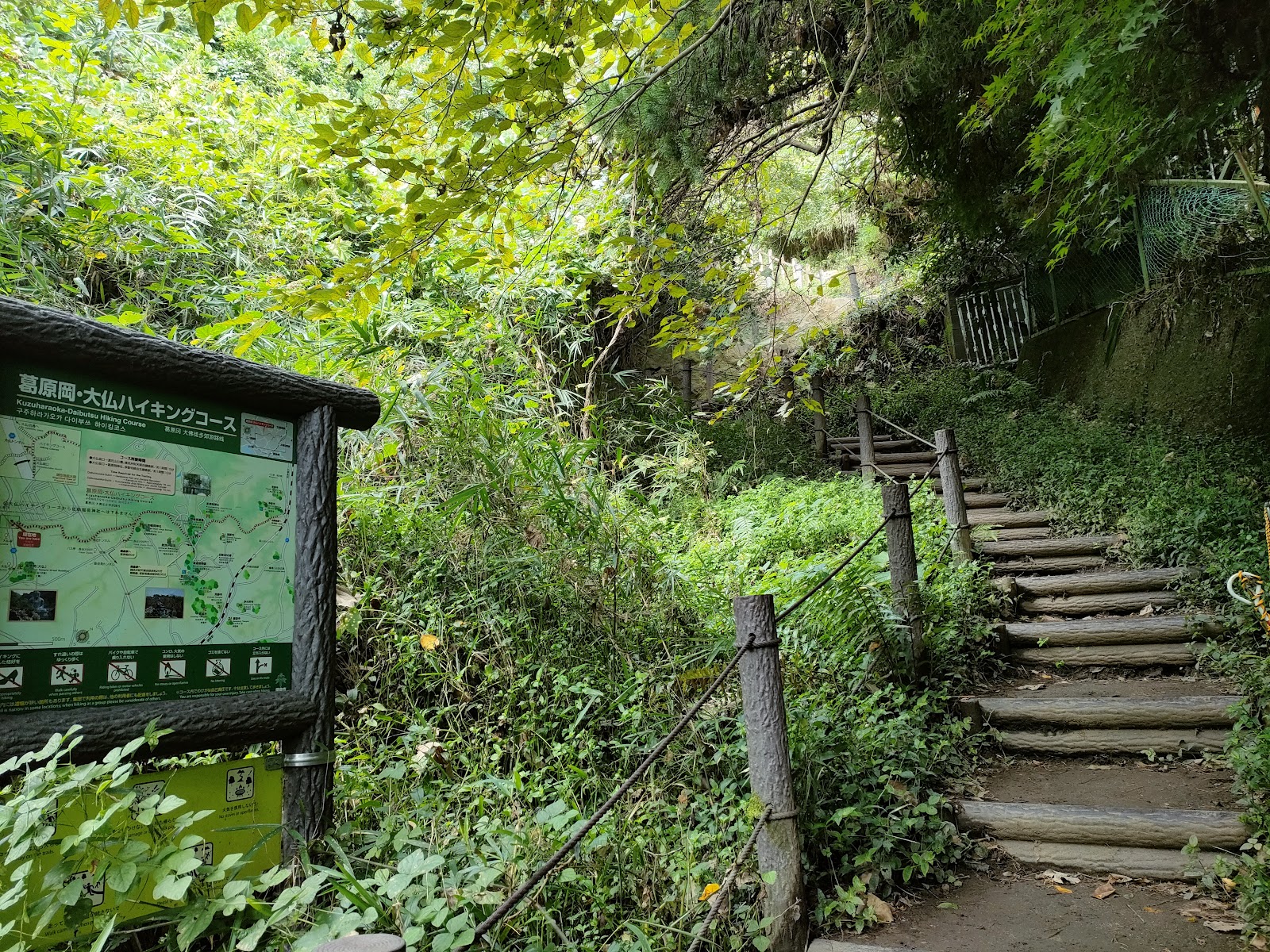
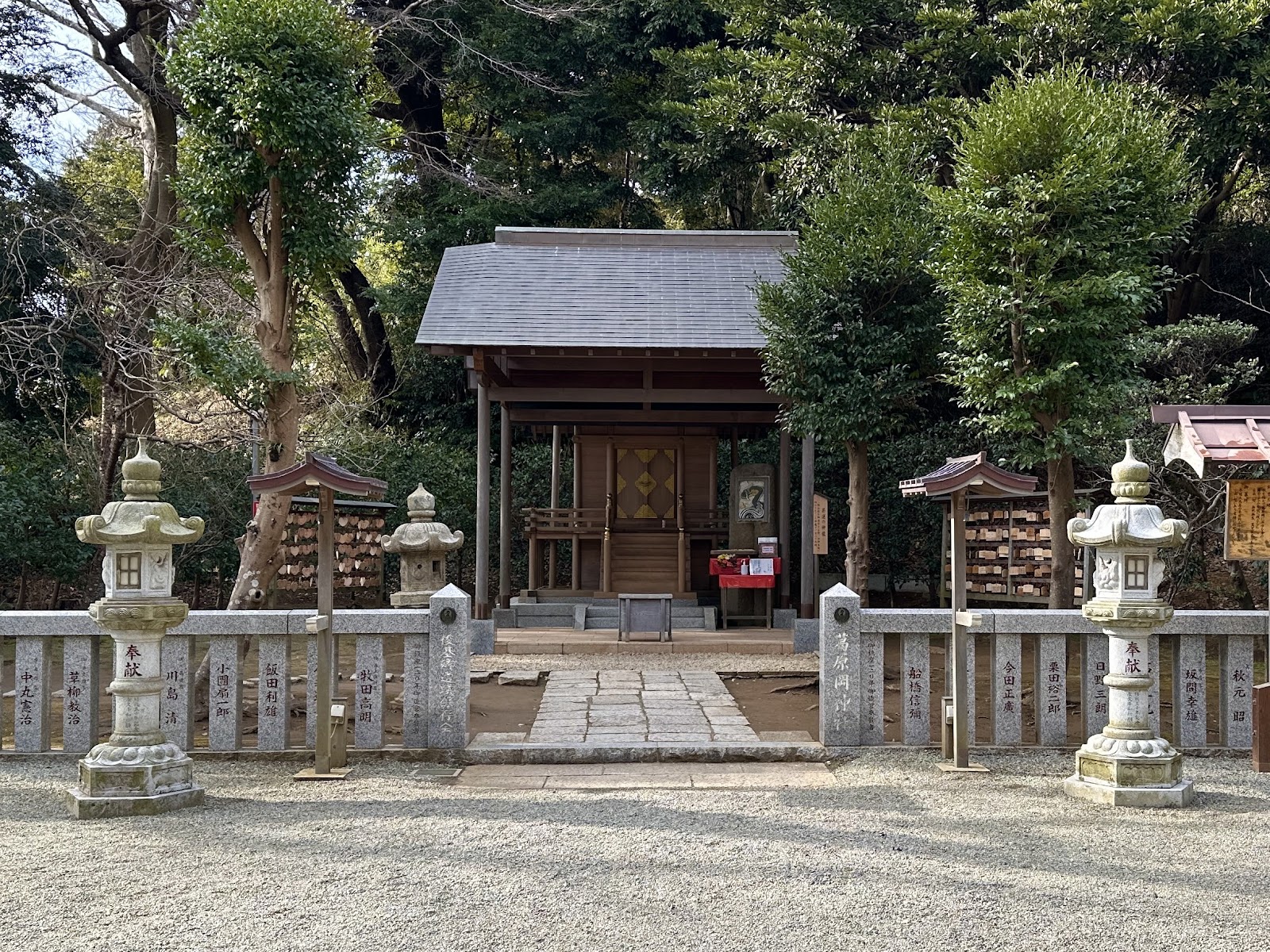
Most visitors arrive here on foot as part of a longer outing. Genjiyama is the natural midpoint of the Daibutsu Hiking Trail, which links Jochi-ji near Kita-Kamakura to the Great Buddha at Kotoku-in, so walkers pause here to catch their breath. A few minutes away are two of Kamakura's most atmospheric shrines: Zeniarai Benzaiten, where visitors wash coins in a spring-fed cave in the hope of multiplying their money, and Kuzuharaoka Shrine, a popular spot for those praying for good relationships. Together they make the ridge an easy half-day of gentle nature and folklore.
The visiting experience is straightforward but requires a little effort. There is no entrance fee and the park is always open, though it is unlit after dark and best visited in daylight. Paths are unpaved and undulating, so wear proper shoes; the climb from the station is manageable for most reasonably fit visitors but not suitable for wheelchairs or strollers. Simple restrooms and benches are available, but there are no shops on the hill, so carry water and snacks.
Getting there is part of the pleasure. From Kamakura Station's west exit, walk about 20 to 25 minutes uphill through the residential Sasuke valley, following signs for Zeniarai Benzaiten; the park lies just beyond. Alternatively, join the Daibutsu Trail at Jochi-ji, a short walk from Kita-Kamakura Station, and let the ridge path carry you to the park in around 30 to 40 minutes. Either way, Genjiyama rewards the climb with cherry blossom, quiet forest and a tangible link to the samurai capital that Kamakura once was.
A local's tip
Bring a picnic: the lawn around the Yoritomo statue is one of the few places in central Kamakura where you can sit under cherry trees without the crush of Tsurugaoka Hachimangu.
Best time to visit
Early April for cherry blossoms; November for autumn colour
Getting there
From Kamakura Station west exit, walk ~20-25 min uphill through the Sasuke district, or reach it midway along the Daibutsu Hiking Trail from Jochi-ji. The neighbouring Zeniarai Benzaiten and Kuzuharaoka Shrine share the same wooded ridge.
Good to know
- Benches
- Restrooms
Plan the whole trip offline
Genjiyama Park is one of many places in the Real Japan app — with turn-by-turn directions, nearby spots and full offline maps you can use with no signal.