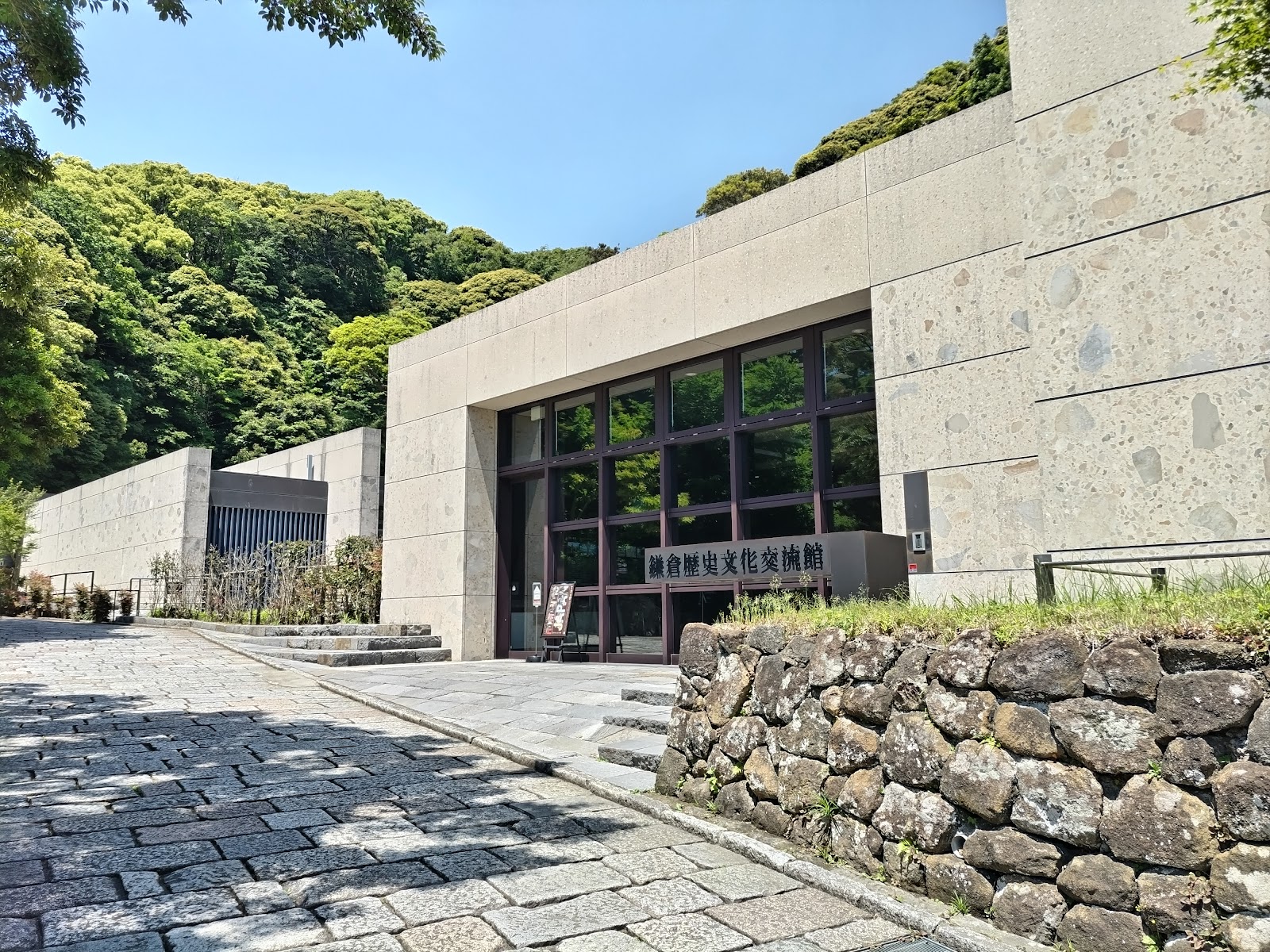
A sleek museum tracing 10,000 years of Kamakura history, set in a hillside villa remodeled by Foster + Partners.
The Kamakura Museum of History and Culture - Kamakura Rekishi Bunka Koryukan - is the best single place in the city to grasp the entire sweep of Kamakura's past, from prehistoric hunter-gatherers to the modern seaside town. Opened in 2017 in a quiet hillside setting in the Onarimachi district west of the station, it occupies a strikingly elegant building: a former private residence whose main structure was designed by the celebrated British firm Foster + Partners. That pedigree gives the museum a rare architectural refinement, with clean lines, generous glazing and a garden and terrace that open onto the wooded slopes behind - the kind of building that would draw visitors even if it were empty.
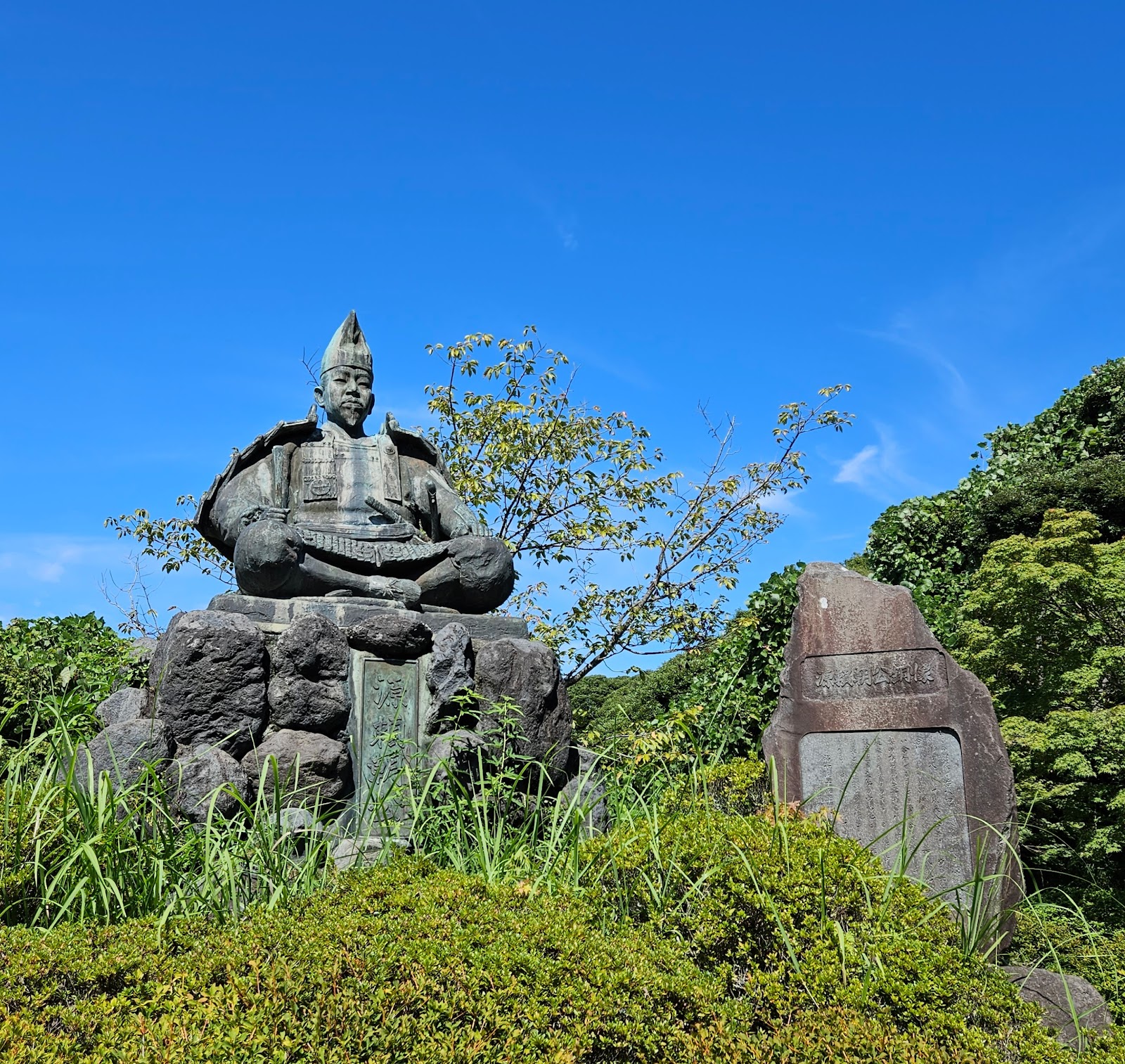
Inside, the permanent exhibition is organized as a clear chronological journey. It begins in the deep past, with stone tools and pottery from the Jomon period showing that people lived on this land some ten thousand years ago, and moves through the centuries to the moment that made Kamakura famous. In 1185 Minamoto no Yoritomo established Japan's first samurai government here, and for roughly a century and a half Kamakura was the political capital of the entire country - a city of temples, warriors and Zen culture that rivaled Kyoto. The museum uses excavated artifacts, models, maps and clear graphics to explain how this coastal valley, ringed by hills and open to the sea, became the seat of the shogunate, how the city was laid out and defended, and how ordinary people lived, worked and worshipped there. It then carries the story onward through the medieval decline, the Edo period, and Kamakura's rebirth as a resort and residential town in modern times.
What makes the museum especially useful is its role as an orientation point. Many of Kamakura's greatest sights - the temples, the shrine, the Great Buddha - are scattered across the valley and easy to experience as a disconnected checklist. Here you get the connective tissue: the why and how behind the ruins and statues, presented compactly and attractively. Because it draws on ongoing archaeological work in the city, displays are refreshed with new finds, and special exhibitions explore particular themes in greater depth.
The visiting experience is calm and unhurried, well suited to an hour of relaxed learning. English signage is partial rather than complete, but the exhibits are visual and well-designed enough to follow, and the architecture and garden reward slow appreciation - step onto the terrace and you look out over the same hills that once sheltered the shogun's capital. On busy days the museum limits numbers and reservations may be advised, which helps keep the atmosphere serene.
It lies about thirteen minutes on foot west of Kamakura Station, along pleasant residential lanes in Onarimachi, and makes an ideal first stop on arrival - visit it early to frame everything else you will see, or at the end of a trip to tie the pieces together. Admission is modest. For travelers who want more than a photo of the Great Buddha, and who care about understanding the place beneath their feet, the Museum of History and Culture is the most intelligent introduction Kamakura offers.
A local's tip
The building - a former private residence remodeled by Foster + Partners - is as much a draw as the exhibits; enjoy the garden and hillside views.
Best time to visit
Weekday afternoons; reservations advised on busy days
Getting there
About a 13-minute walk west of Kamakura Station in the Onarimachi district, on a quiet hillside lane.
Good to know
- Garden
- Restrooms
- English signage
Plan the whole trip offline
Kamakura Museum of History and Culture is one of many places in the Real Japan app — with turn-by-turn directions, nearby spots and full offline maps you can use with no signal.