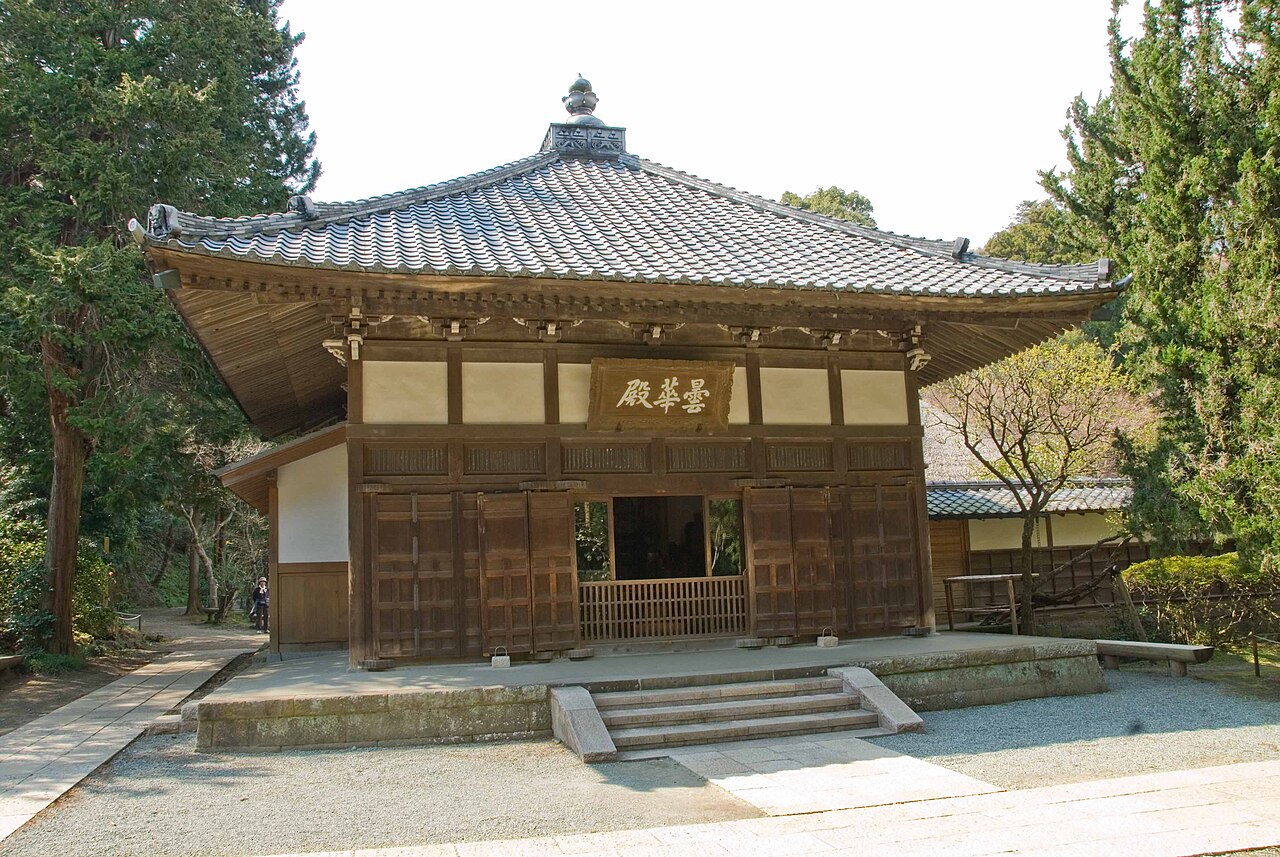
The fourth of Kamakura's five great Zen temples, a serene wooded compound founded by the Hojo regents in 1281.
Jochi-ji is a small but deeply atmospheric Zen temple in the quiet northern valley of Kita-Kamakura, ranked fourth among the Kamakura Gozan, the five great Zen temples of the medieval samurai capital. It was founded in 1281 by the powerful Hojo family — the regents who ruled the shogunate on behalf of figurehead shoguns — in memory of Hojo Munemasa, and it belongs to the Engaku-ji branch of the Rinzai Zen sect. At its medieval height the temple was a substantial institution with numerous sub-temples and many resident monks, a centre of the Chinese-influenced Zen learning that the ruling warriors so admired.
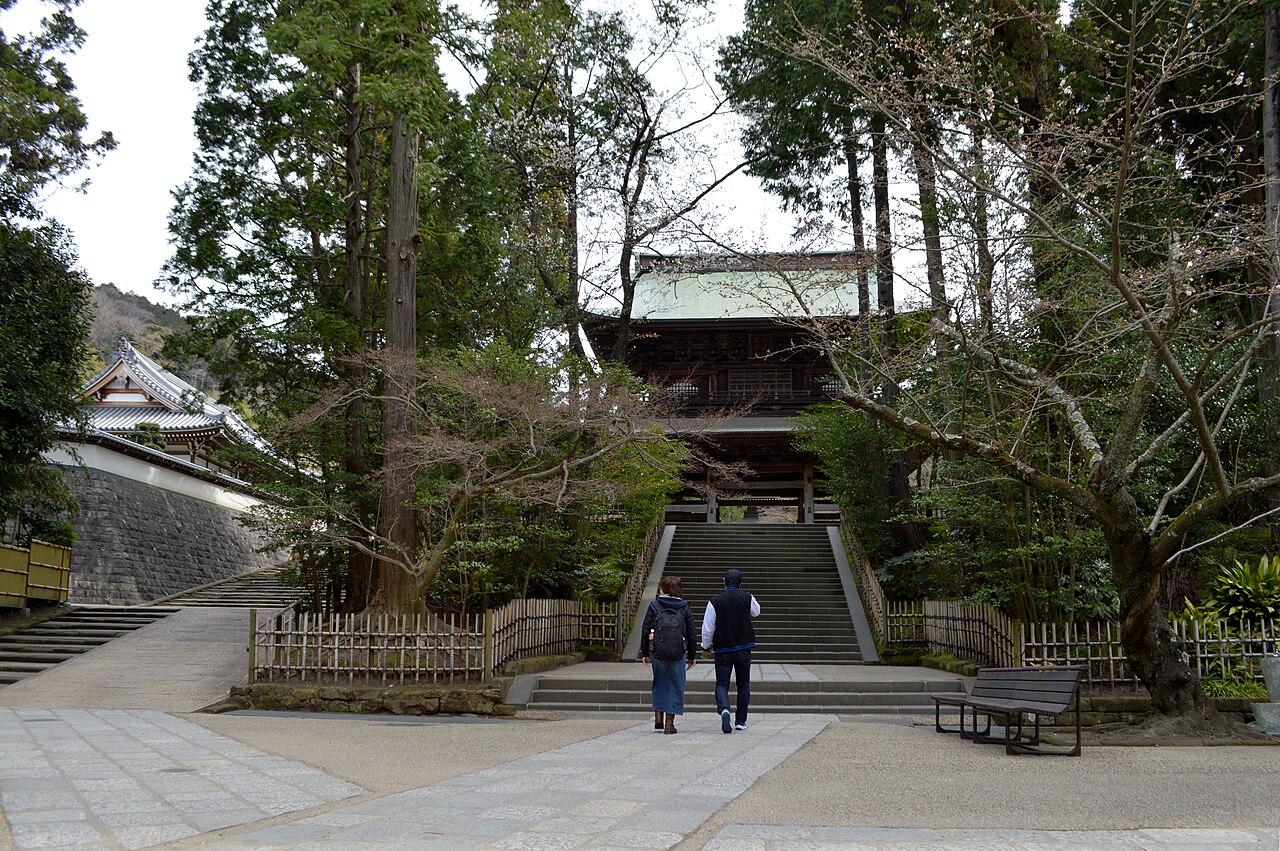
Like much of old Kamakura, Jochi-ji was diminished by the centuries — earthquakes, especially the devastating Great Kanto Earthquake of 1923, destroyed most of its original buildings, and what stands today is smaller and more intimate than the temple's former grandeur. Yet this modest scale is precisely its charm. The approach is unforgettable: you climb a flight of worn, uneven stone steps, softened by moss and shaded by tall trees, passing beneath a distinctive two-story Chinese-style gate, the Shoro-mon, which uniquely combines a gate with a bell tower, the temple bell hanging in its upper story. Beside the steps a spring called Kanro-no-i, the 'Well of Sweet Dew', is counted among the ten notable wells of Kamakura.
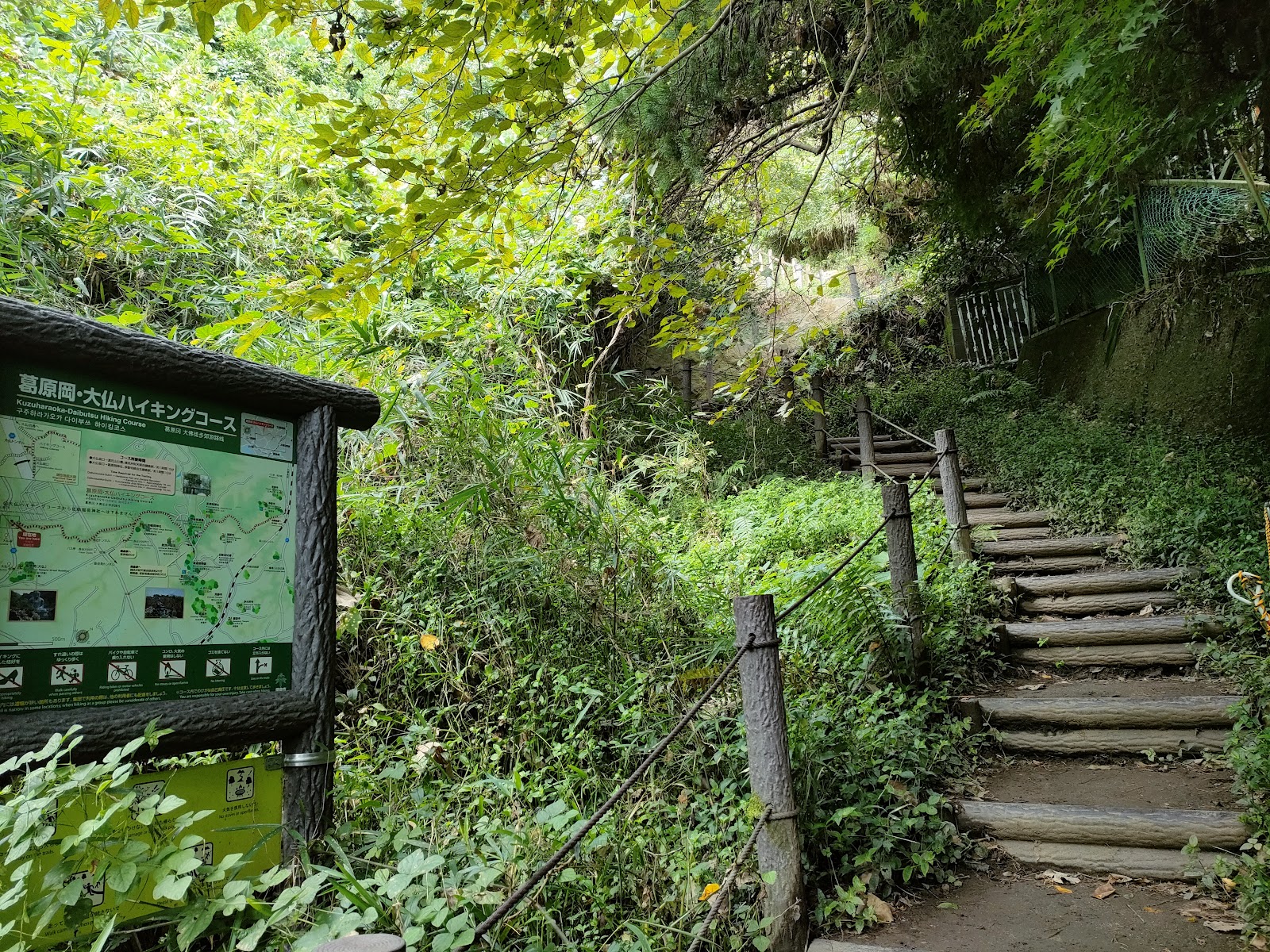
Beyond the gate the compound unfolds as a series of hushed, green spaces rather than grand halls. The main hall enshrines a trinity of Buddhas representing the past, present, and future. Paths wind past bamboo, seasonal flowers, and old trees to the rear of the grounds, where a small cave in the cliff holds a rotund statue of Hotei, the pot-bellied god of contentment and one of the Seven Lucky Gods of Kamakura; visitors rub his belly for good fortune, and it has been polished smooth by generations of hands.
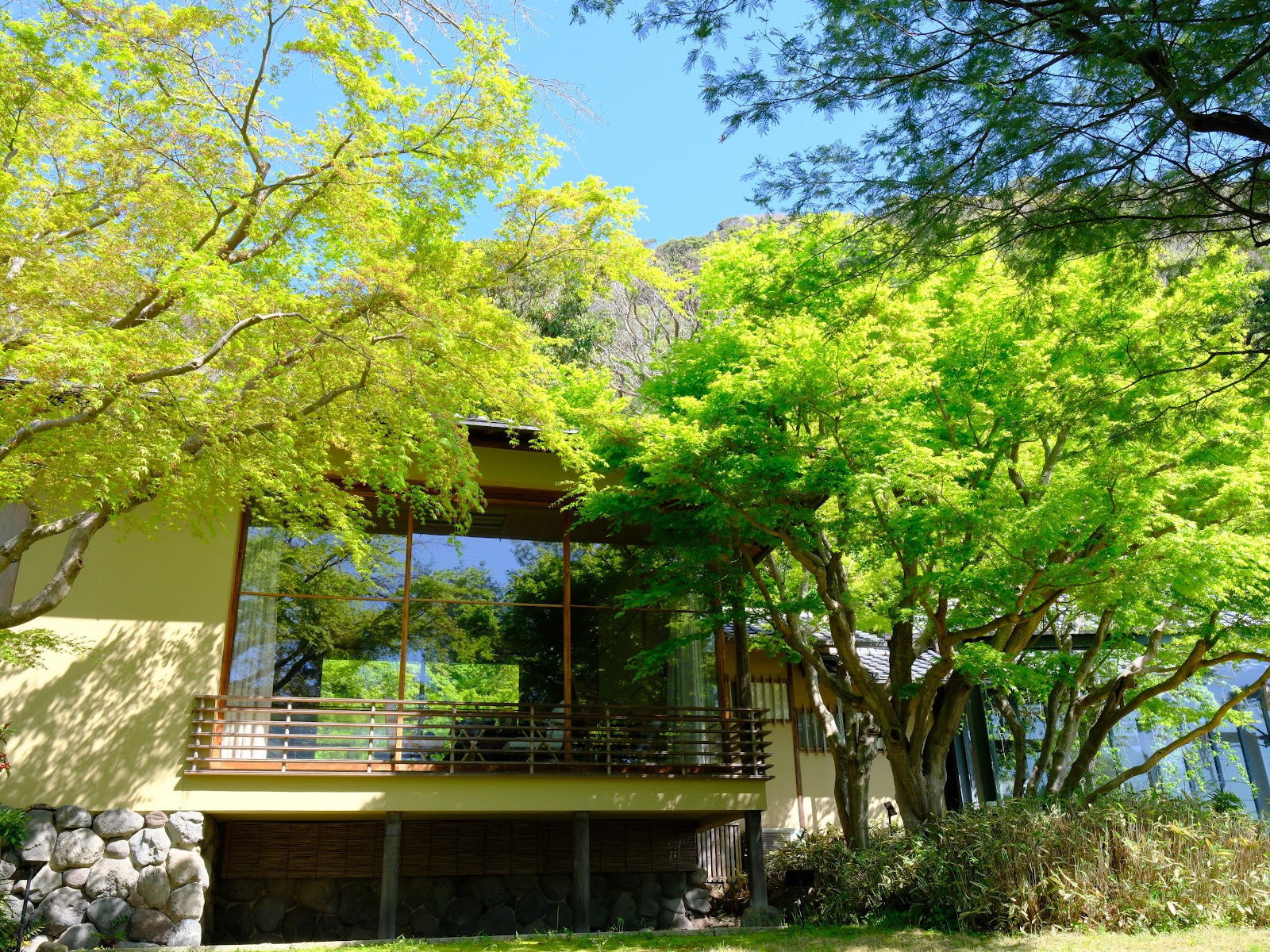
The temple is a place to slow down. It charges only a small entry fee and is never as crowded as the great halls of Kencho-ji or Engaku-ji nearby, so it retains the meditative quiet that Zen intends. Seasonal beauty marks the year: hydrangeas in June, and Japanese maples that flush red in late autumn, all set against the dark timber and grey stone. The mossy steps and wooded slopes give the whole place the feel of a mountain retreat, despite being minutes from the station.
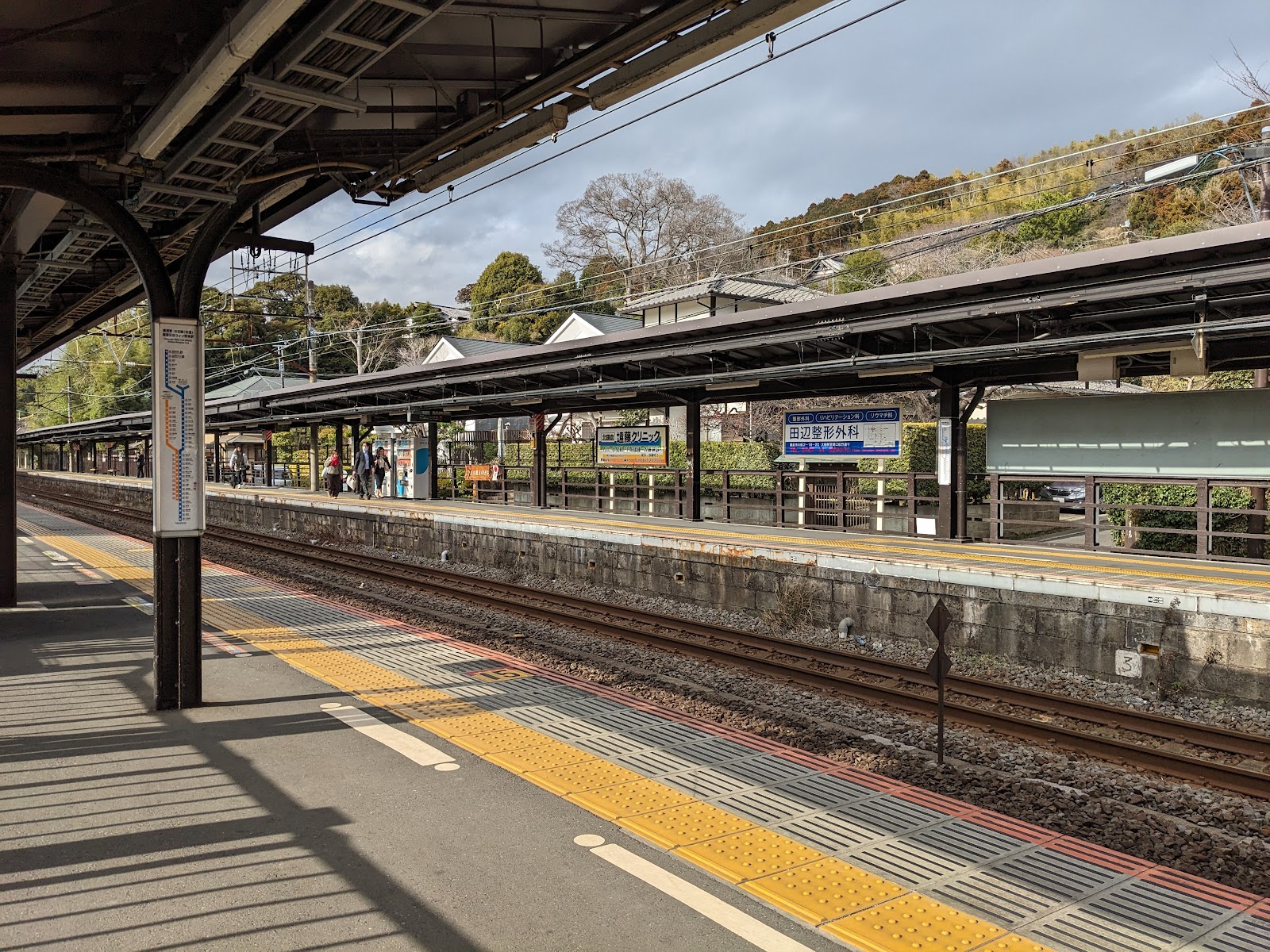
Because of its stone steps and sloping paths, Jochi-ji is best suited to those steady on their feet, though the effort is gentle and the reward immediate. Come in the morning, when light filters through the trees and the grounds are at their most tranquil. The temple is an eight-minute walk from Kita-Kamakura Station, ideally combined with the neighbouring Engaku-ji and Kencho-ji for a day tracing the roots of Japanese Zen in the valley where it first flourished.
A local's tip
Behind the main garden, follow the path to the small cave where a plump statue of Hotei, one of the Seven Lucky Gods, sits — rubbing his belly is said to bring good fortune.
Best time to visit
Morning; hydrangeas in June and maples in late autumn
Getting there
An 8-minute walk from Kita-Kamakura Station along the main road toward Kamakura, on the right.
Good to know
- Restrooms
Plan the whole trip offline
Jochi-ji is one of many places in the Real Japan app — with turn-by-turn directions, nearby spots and full offline maps you can use with no signal.