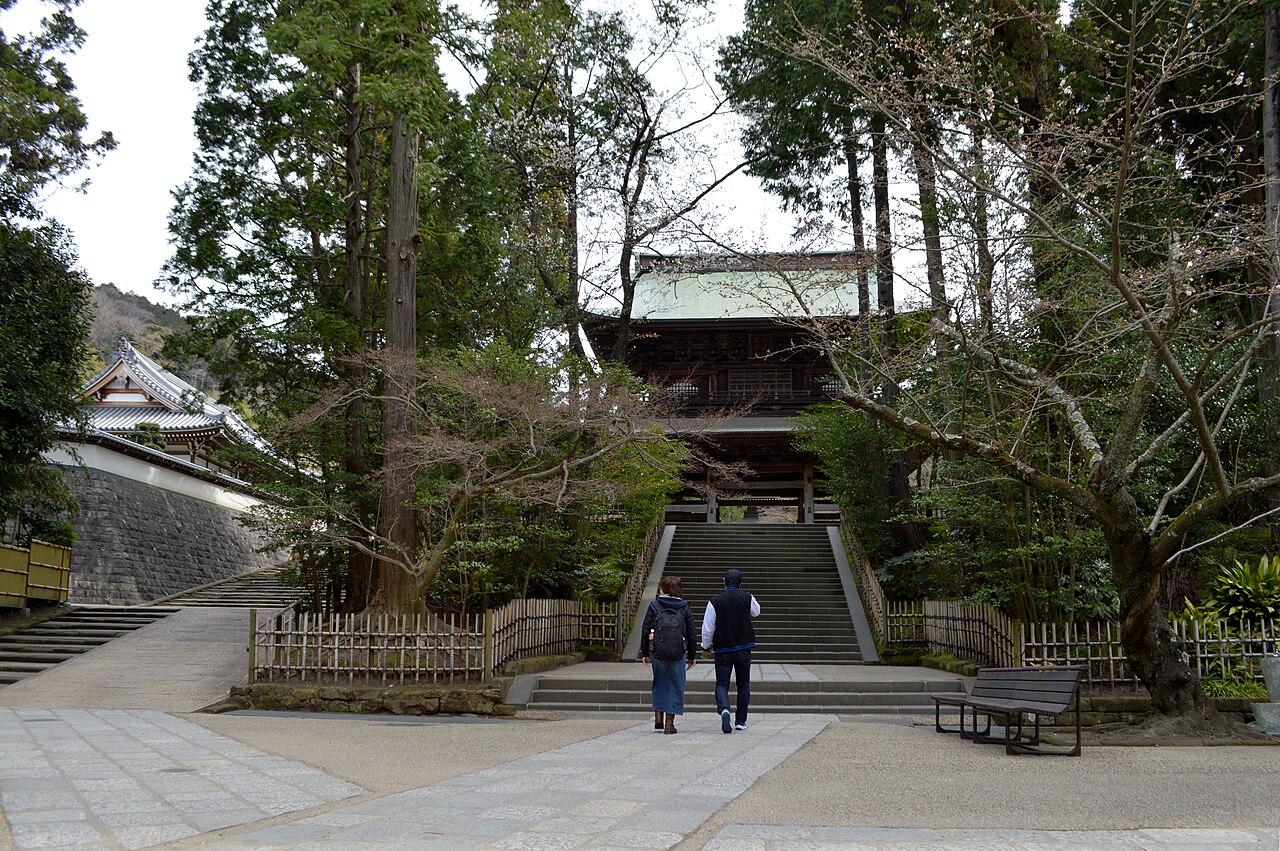
One of Kamakura's Five Great Zen temples, a wooded Rinzai complex by Kita-Kamakura.
Engaku-ji is one of the foremost Zen temples in Japan and ranks second among Kamakura's Gozan, the officially ranked Five Great Zen Temples of the medieval city. It was founded in 1282 by the Hojo regent Tokimune, then the effective ruler of Japan, to honour the soldiers, both Japanese and Mongol, who died during the Mongol invasions of the 1270s and 1280s. The Chinese Zen master Mugaku Sogen was invited to establish it, and the temple became a leading centre of Rinzai Zen practice, a role it continues to fill today as an active training monastery.
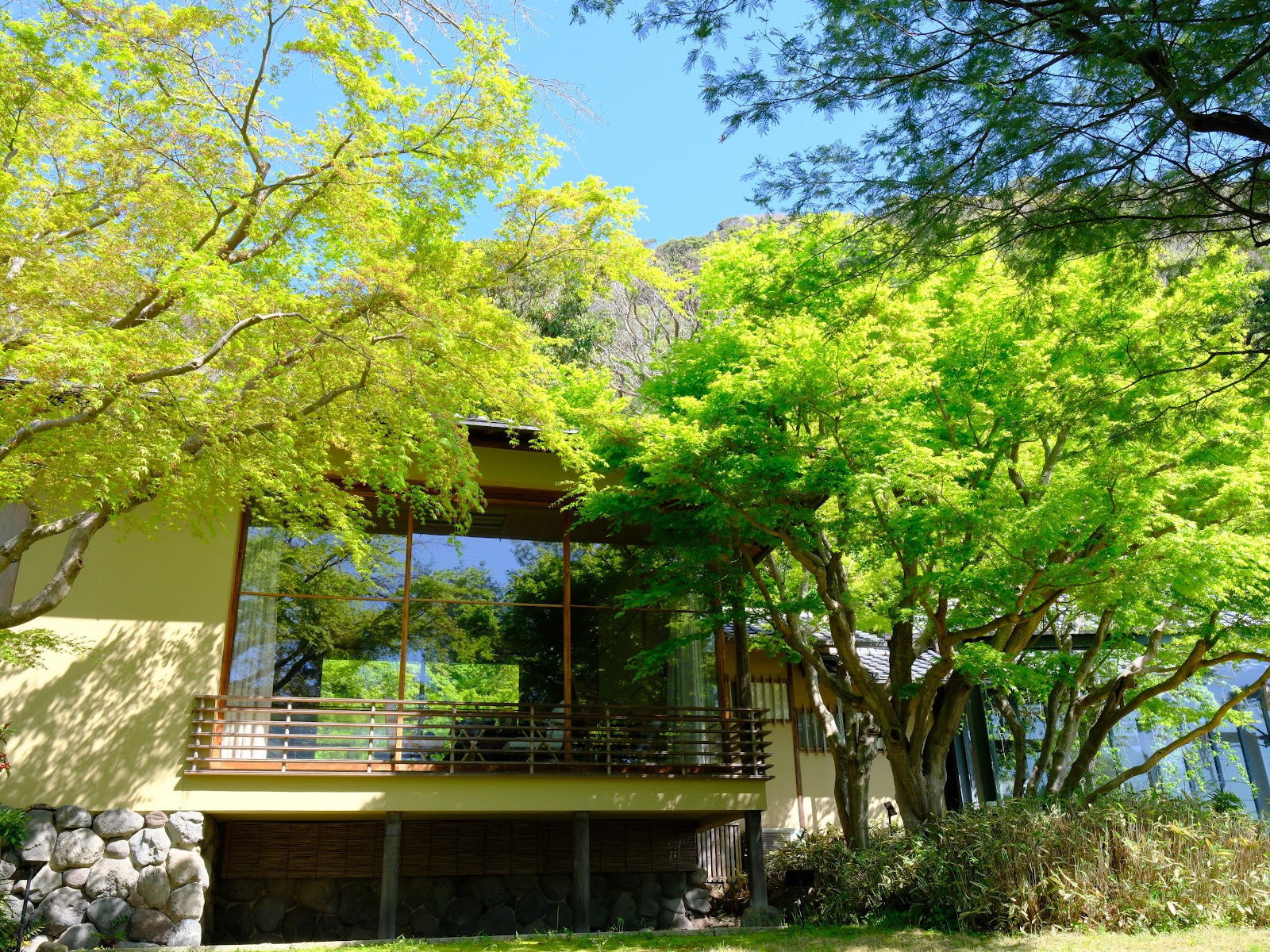
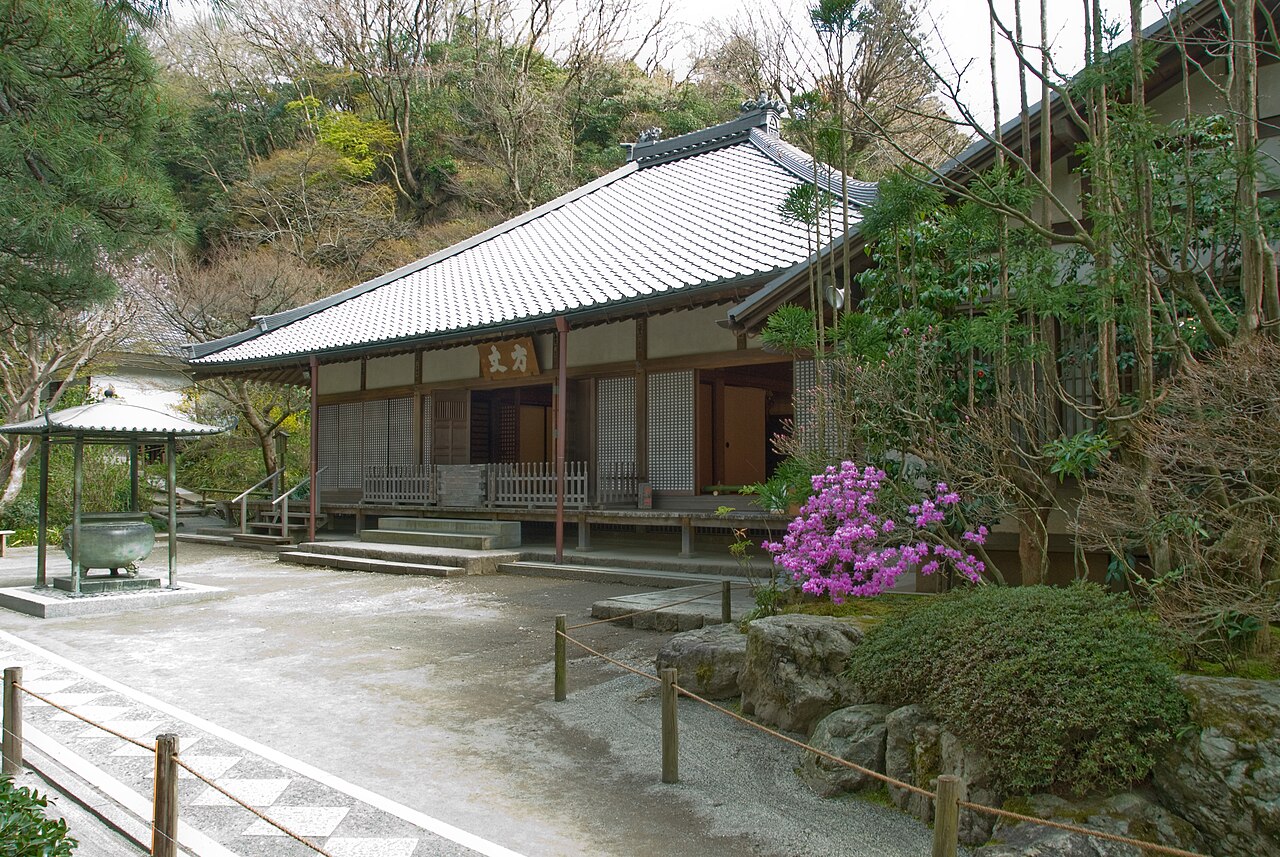
The complex unfolds up a wooded valley immediately beside Kita-Kamakura Station, its buildings stepping gently up the hillside among towering cedars. Passing through the imposing two-storey Sanmon main gate, rebuilt in the early 19th century, you reach the Butsuden, the Buddha hall, and beyond it the halls and subtemples that make up the working monastery. The atmosphere is serene and green, and the sense of a functioning Zen community, rather than a museum, gives Engaku-ji a particular gravity.
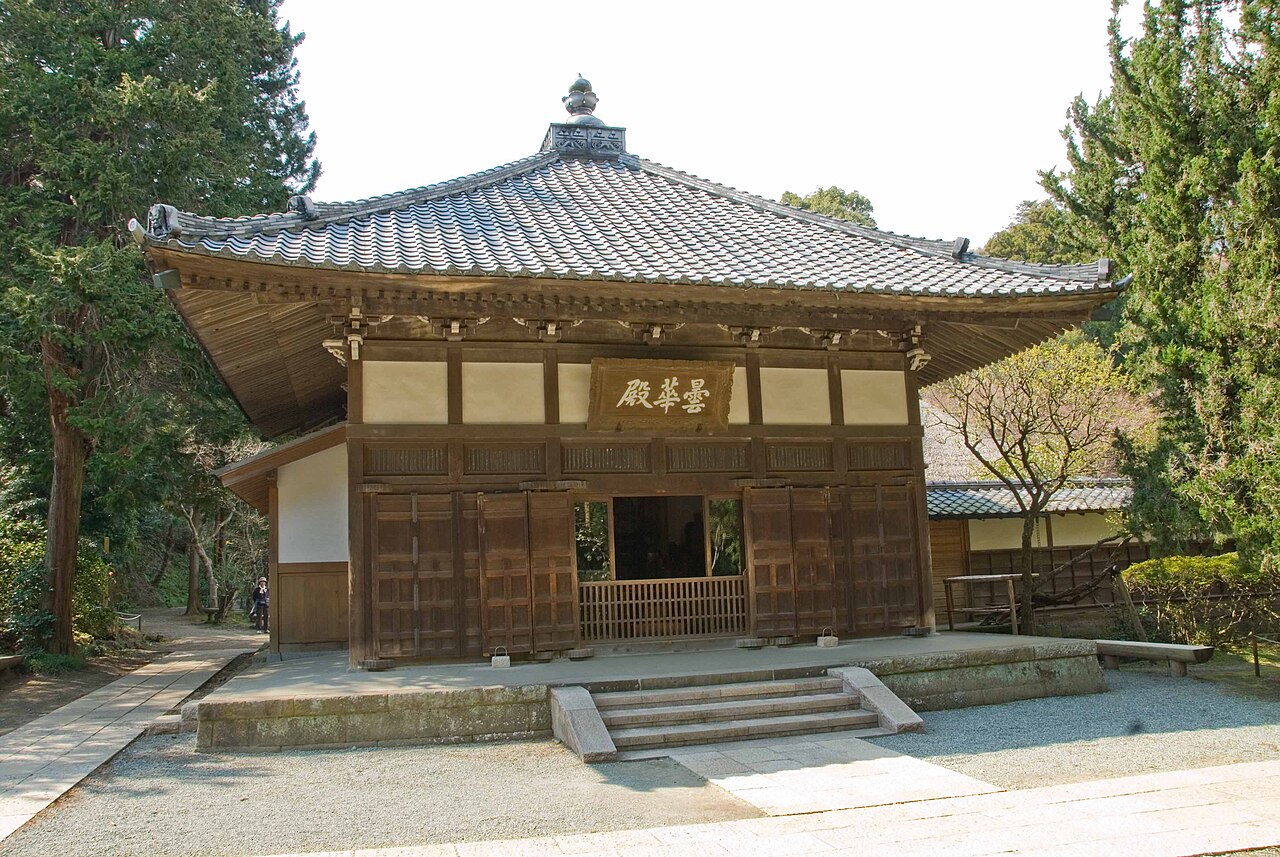
Engaku-ji holds two National Treasures. The Shariden, or Relic Hall, is said to enshrine a tooth of the Buddha and is considered one of the finest examples of Song-influenced Zen architecture in Japan, its steep thatched roof and elegant proportions embodying the imported Chinese style; it is usually viewed from a distance except during special openings. The second is the Ogane, a massive bronze bell cast in 1301, the largest temple bell in Kamakura, which hangs on a rise reached by a flight of steps at the far side of the grounds. Beside it a simple teahouse serves matcha, and the little terrace offers a restful view back across the valley of temple roofs and forest.
The temple is a celebrated spot for autumn colour. In late November the maples that fill the ravine turn deep crimson and gold, framing the old gates and halls, and the site draws photographers and leaf-viewers in numbers. Spring brings plum and cherry blossom, and even in the quieter months the mossy stone paths, the sub-temple gardens and the birdsong in the cedars reward an unhurried wander. Zazen meditation sessions open to visitors are held regularly, offering a rare chance to experience the practice in an authentic setting.
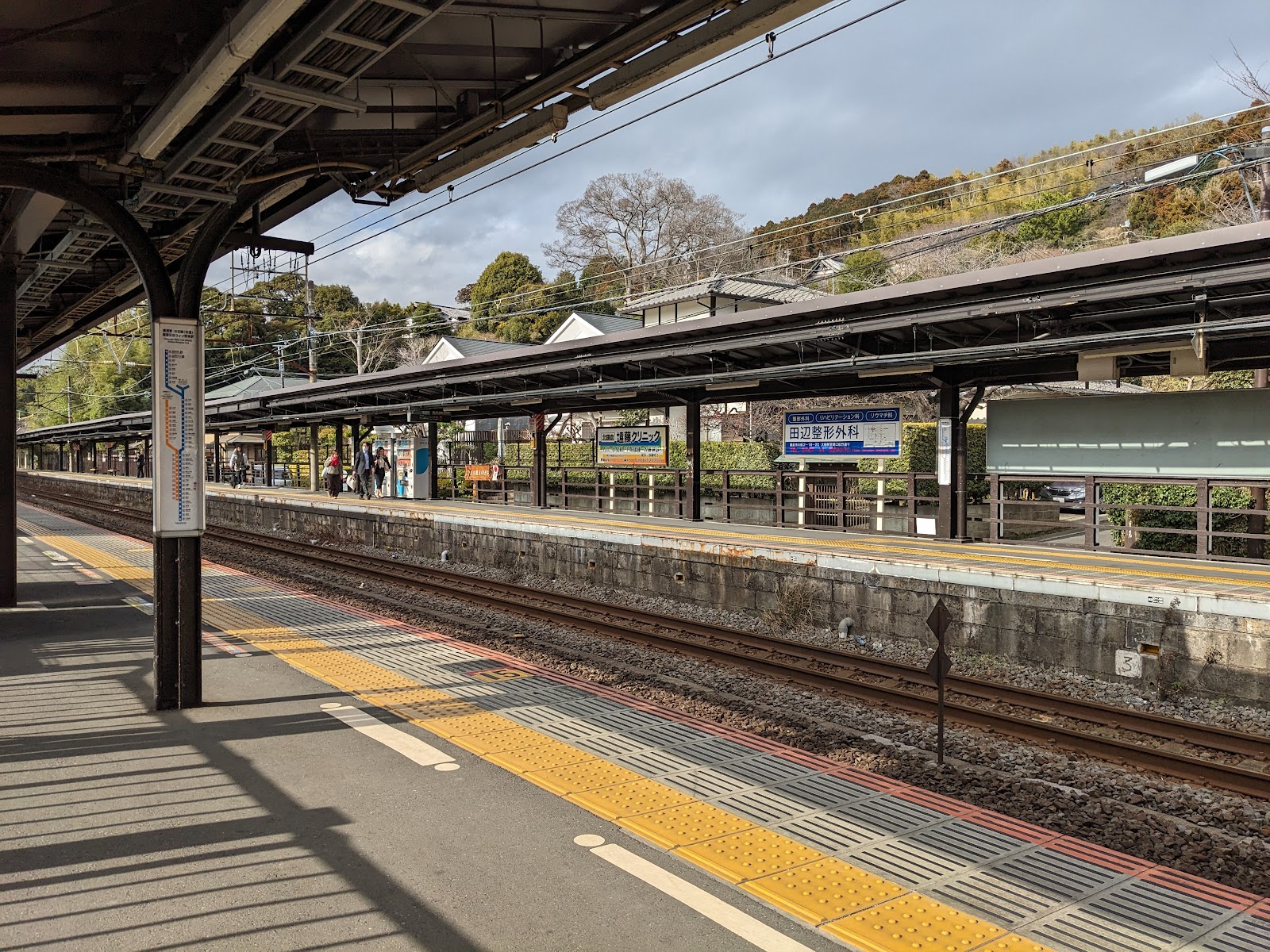
Getting there could hardly be simpler: Engaku-ji sits directly beside Kita-Kamakura Station on the JR Yokosuka Line, one stop before Kamakura and fully covered by the Japan Rail Pass, so the gate is barely two minutes from the platform. The grounds involve gentle slopes and several staircases, particularly up to the great bell, so it counts as a moderate walk, though the lower halls are easily reached. Allow about an hour. Engaku-ji pairs naturally with Tokei-ji and Kencho-ji along the Kita-Kamakura temple trail, making it the ideal first stop for a day of Zen temples before descending toward the town centre.
A local's tip
Walk up to the Ogane great bell and the teahouse beside it for a quiet view over the temple valley.
Best time to visit
Late November for maple colour
Getting there
Engaku-ji is directly beside Kita-Kamakura Station on the JR Yokosuka Line; exit and the gate is a two-minute walk.
Good to know
- Teahouse
- Gift Shop
- Restrooms
Plan the whole trip offline
Engaku-ji is one of many places in the Real Japan app — with turn-by-turn directions, nearby spots and full offline maps you can use with no signal.