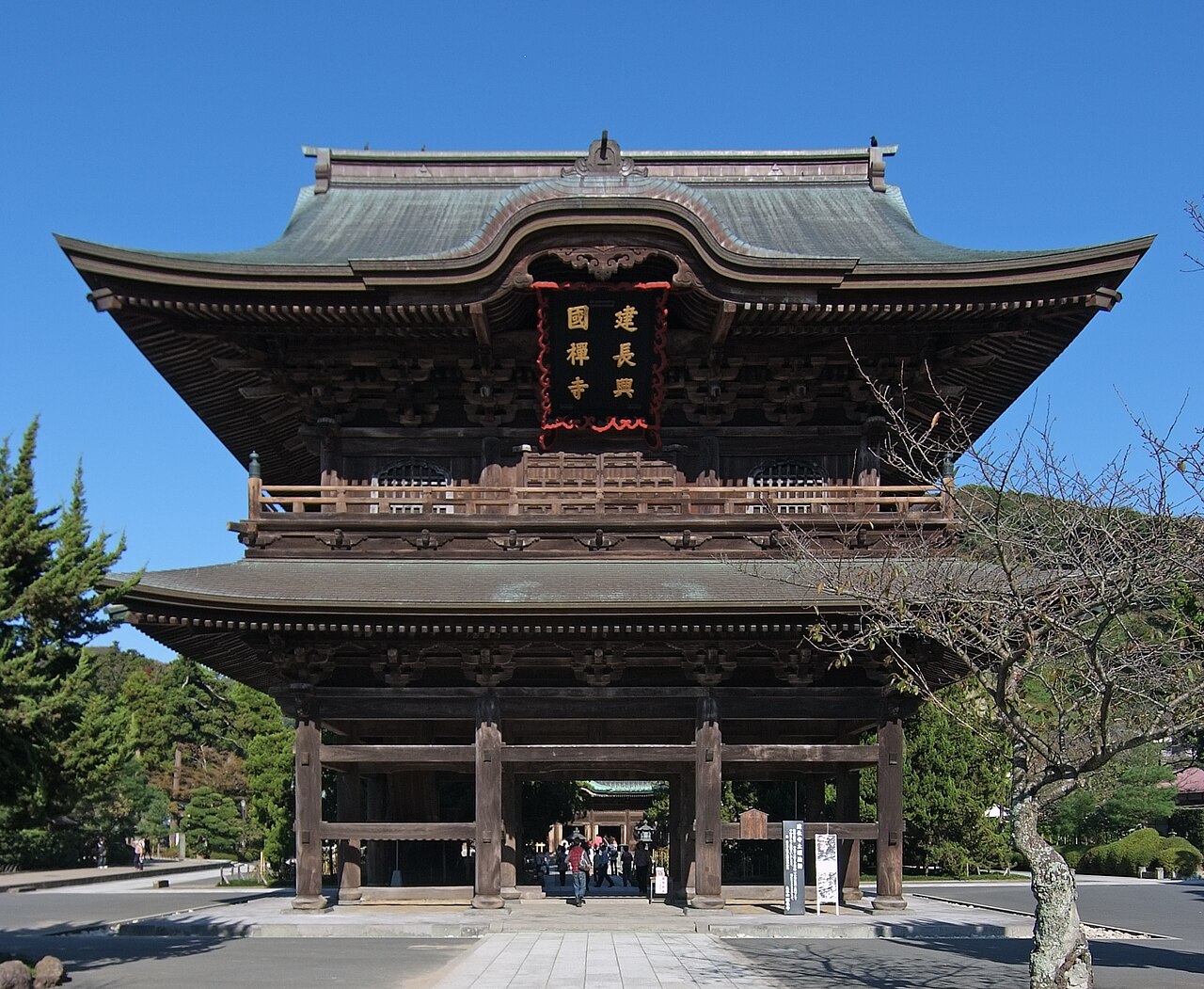
Kamakura's premier Zen temple, first of the Five Great Temples, with a hilltop shrine.
Kencho-ji is the first-ranked of Kamakura's Gozan, the Five Great Zen Temples, and the oldest Zen training monastery in Japan. It was founded in 1253 by the Hojo regent Tokiyori, who invited the Chinese Chan master Rankei Doryu (Lanxi Daolong) to lead it, making Kencho-ji a wellspring from which authentic Chinese-style Rinzai Zen spread through the country. Nearly eight centuries later it remains an active monastery, and to walk through it is to move along one of the most influential religious sites in Japanese history.
The temple is laid out on a long central axis climbing gently into a valley, the classic plan of a Chinese Zen monastery. You pass first through the great Sanmon gate, a towering two-storey wooden structure, then reach the Butsuden Buddha hall and the Hatto, the vast lecture hall that is among the largest wooden Buddhist buildings in eastern Japan; its ceiling bears a dramatic modern painting of a coiled dragon. Before the Buddha hall stand a row of ancient juniper trees, said to have been grown from seeds the founder brought from China, now gnarled giants more than seven centuries old.
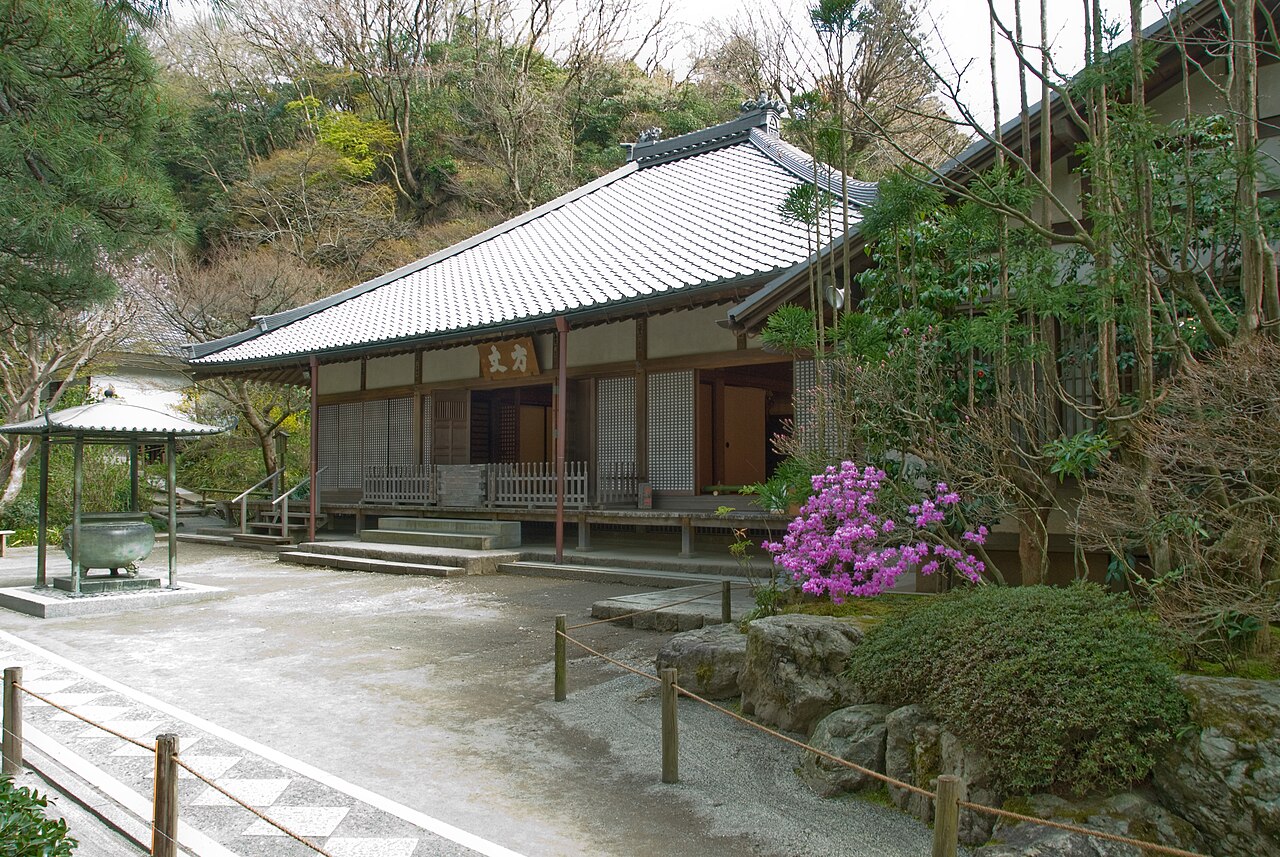
Behind the main halls lies the Hojo, the abbot's quarters, fronting a serene pond garden attributed to the celebrated monk-designer Muso Soseki. The garden, shaped like the Chinese character for heart or mind, is meant for quiet contemplation, and its calm water and borrowed backdrop of forested hills reward a pause on the veranda. A bronze temple bell cast in 1255, a National Treasure, hangs near the entrance, its inscription written by the founding master himself.
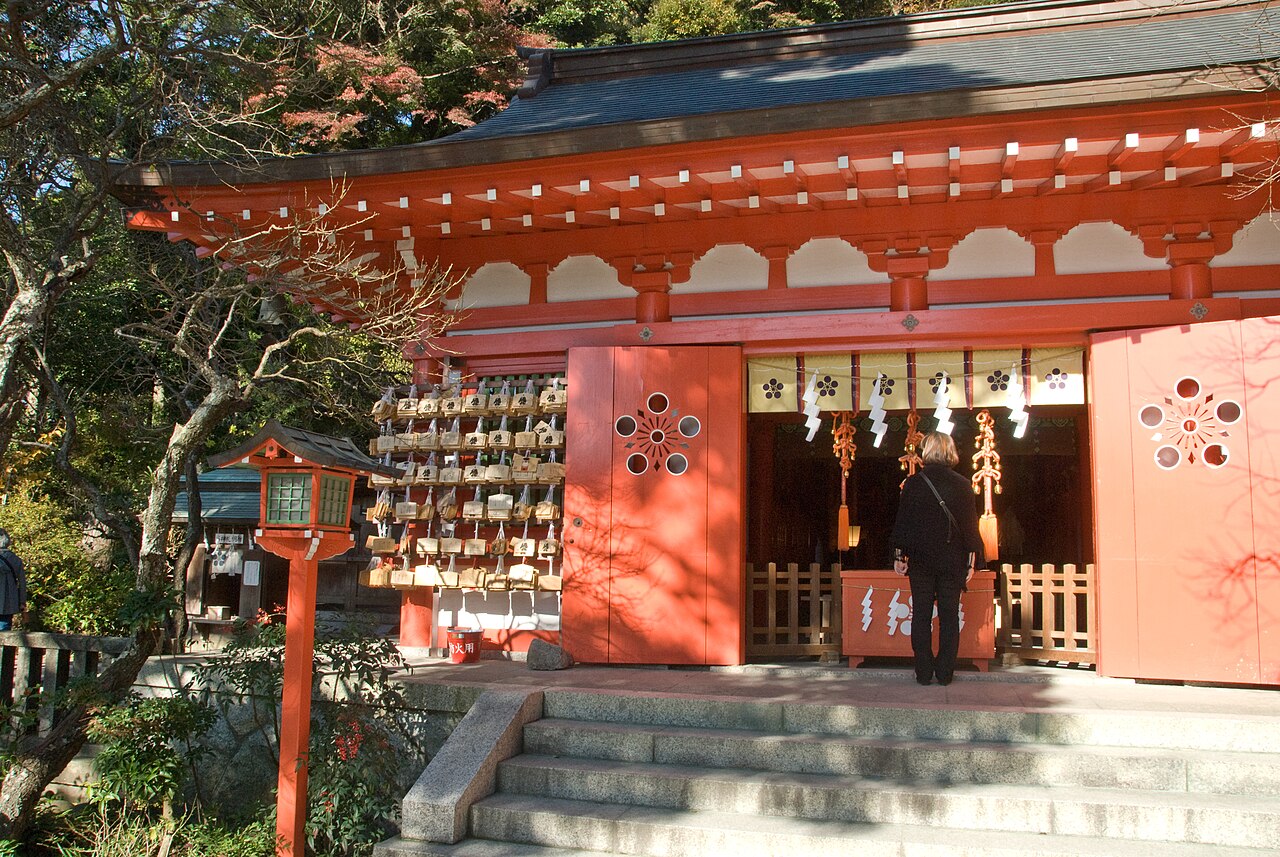
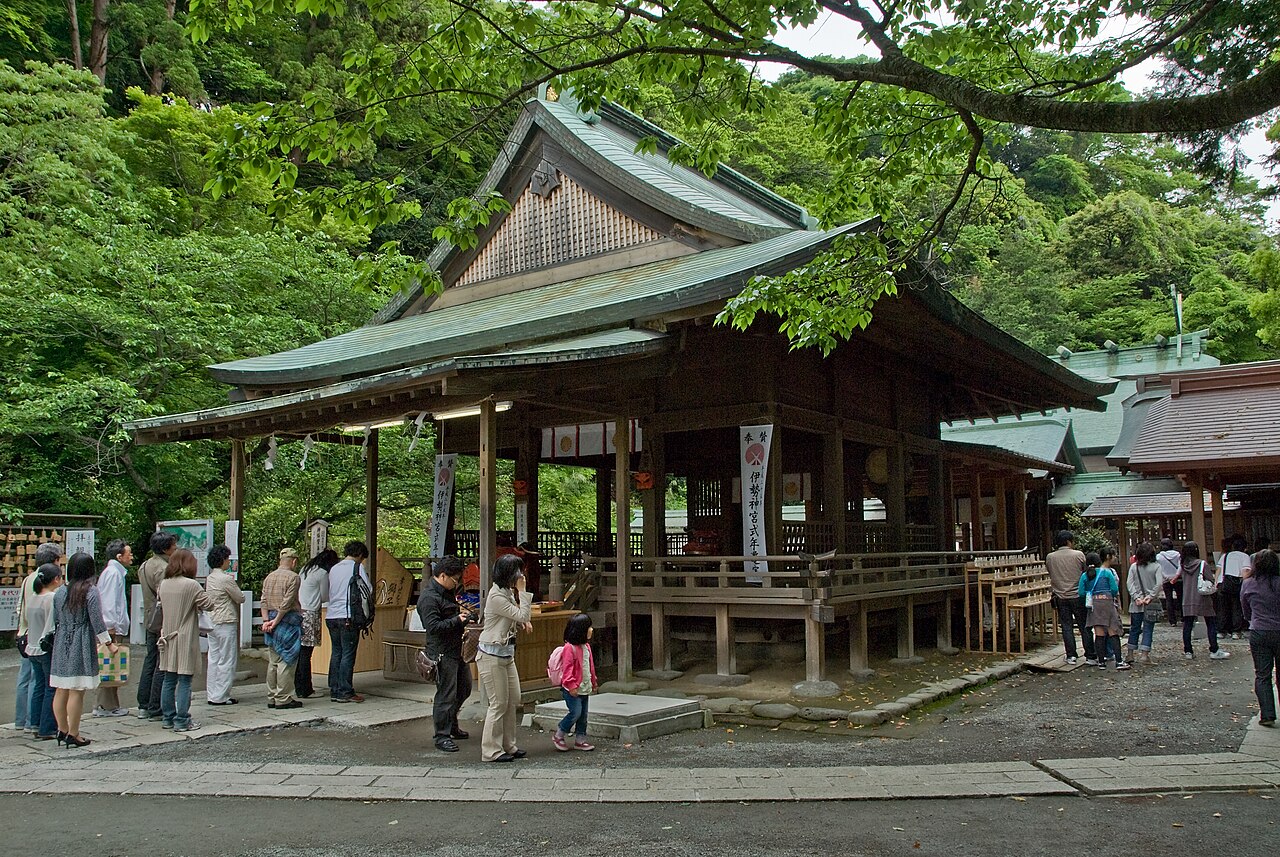
What sets Kencho-ji apart is the climb at its rear. A path leads up through the trees to Hansobo, the temple's guardian mountain shrine, its steep stairways lined with statues of tengu, the winged, long-nosed mountain spirits, poised among the cedars. From the upper terraces the view opens spectacularly over the whole temple complex and the town beyond, and on clear days Mount Fuji floats on the horizon. Energetic walkers can continue from here onto the Ten-en hiking trail that ridges around eastern Kamakura, linking to other temples through the hills.
Seasons bring their own rewards: cherry and plum in spring, cool green shade in summer, and in late November a blaze of red and gold maples through the valley and along the shrine stairs. Zen meditation sessions are offered to visitors on set days, a chance to sit in the tradition the temple helped establish.
Kencho-ji lies about a 15-minute walk from Kita-Kamakura Station along the main road toward the town centre, and the station is fully covered by the Japan Rail Pass on the JR Yokosuka Line. The lower grounds are easy going, but the ascent to Hansobo involves a long flight of steps, so allow extra time and energy if you plan to reach the viewpoint. Budget around 70 minutes, more if you climb high or take the hiking trail, and treat Kencho-ji as the grand centrepiece of the Kita-Kamakura Zen temple walk.
A local's tip
Keep climbing past the rear garden and up the long staircase to the Hansobo shrine for tengu statues and a Mt. Fuji view on clear days.
Best time to visit
Autumn for foliage; clear days for the hilltop view
Getting there
Walk about 15 minutes from Kita-Kamakura Station along the main road toward central Kamakura; the great gate is on the left.
Good to know
- Garden
- Gift Shop
- Restrooms
Plan the whole trip offline
Kencho-ji is one of many places in the Real Japan app — with turn-by-turn directions, nearby spots and full offline maps you can use with no signal.