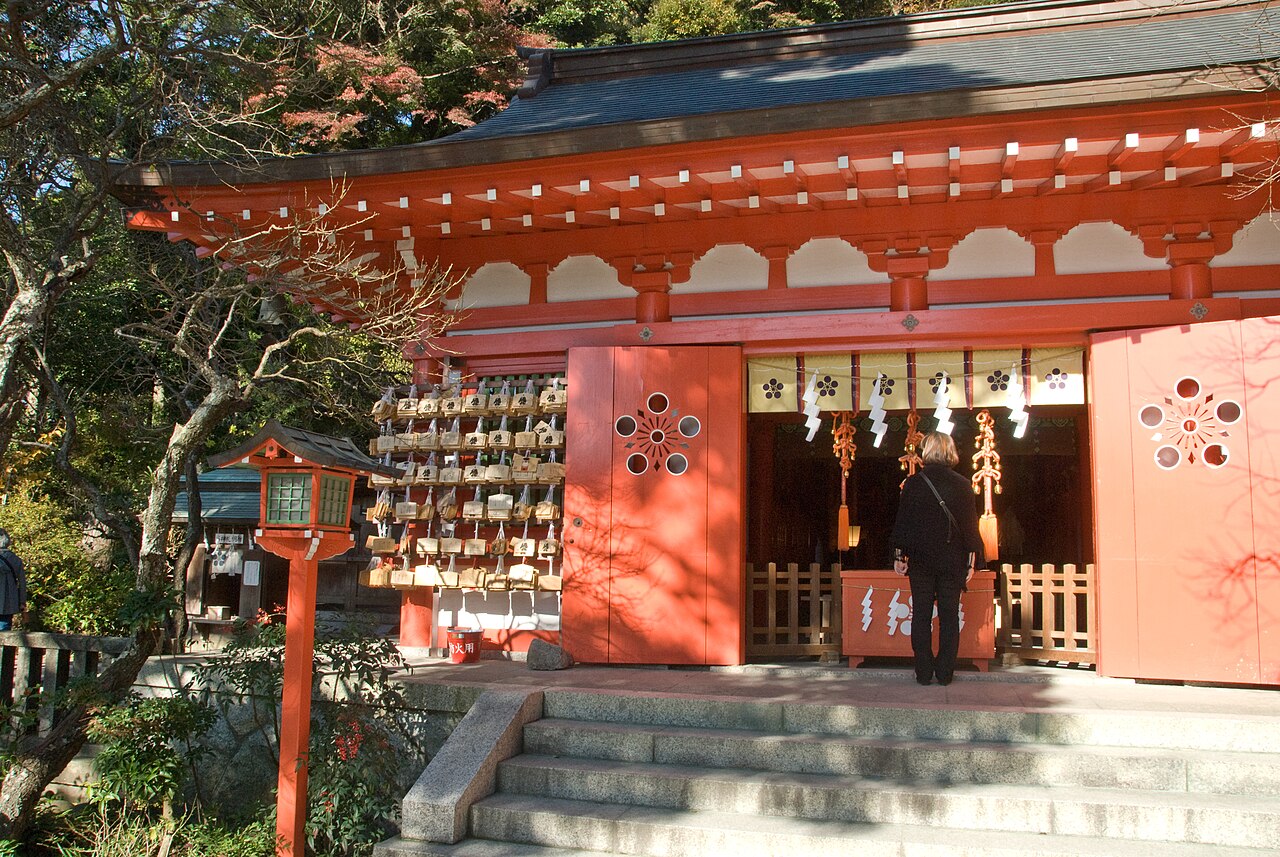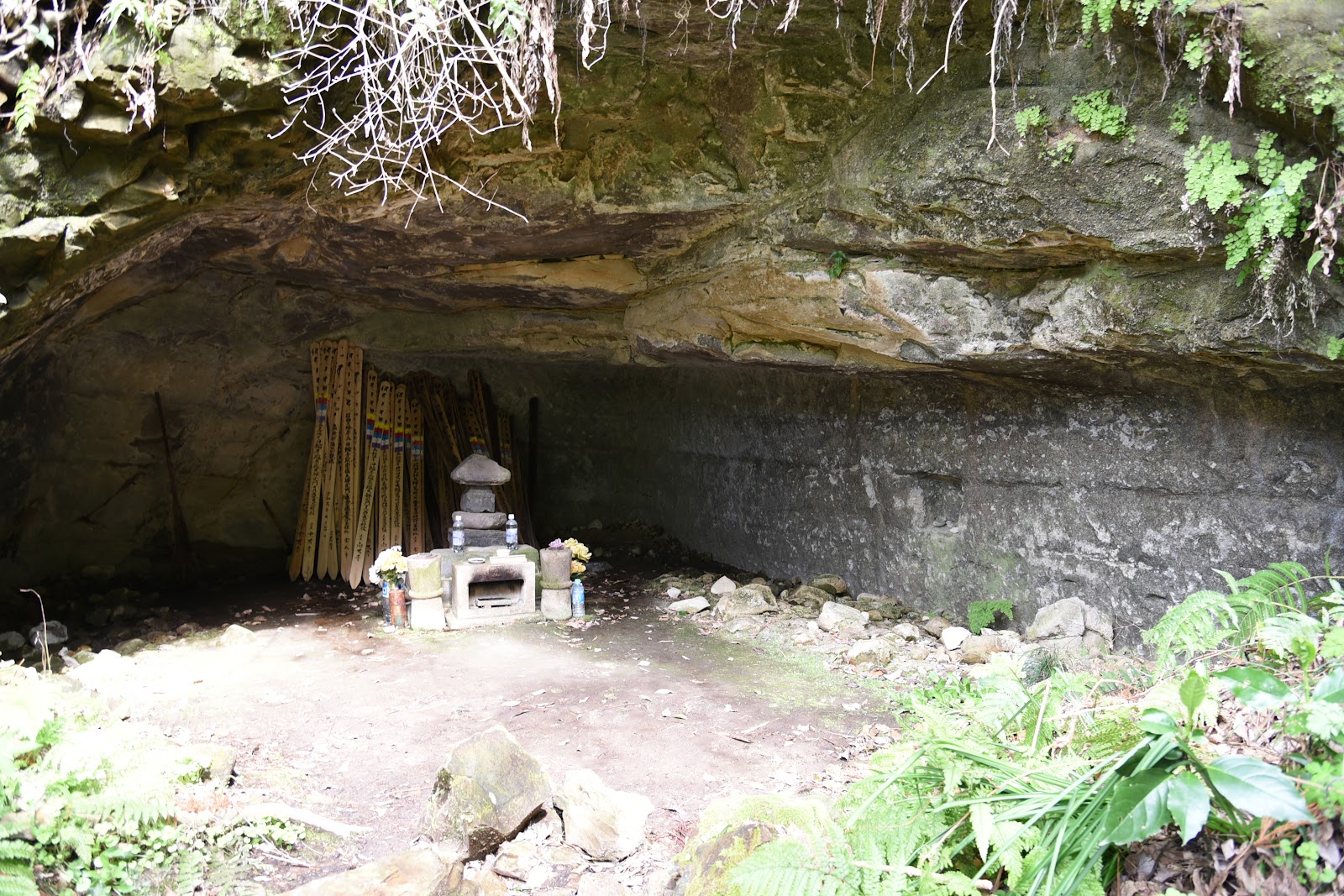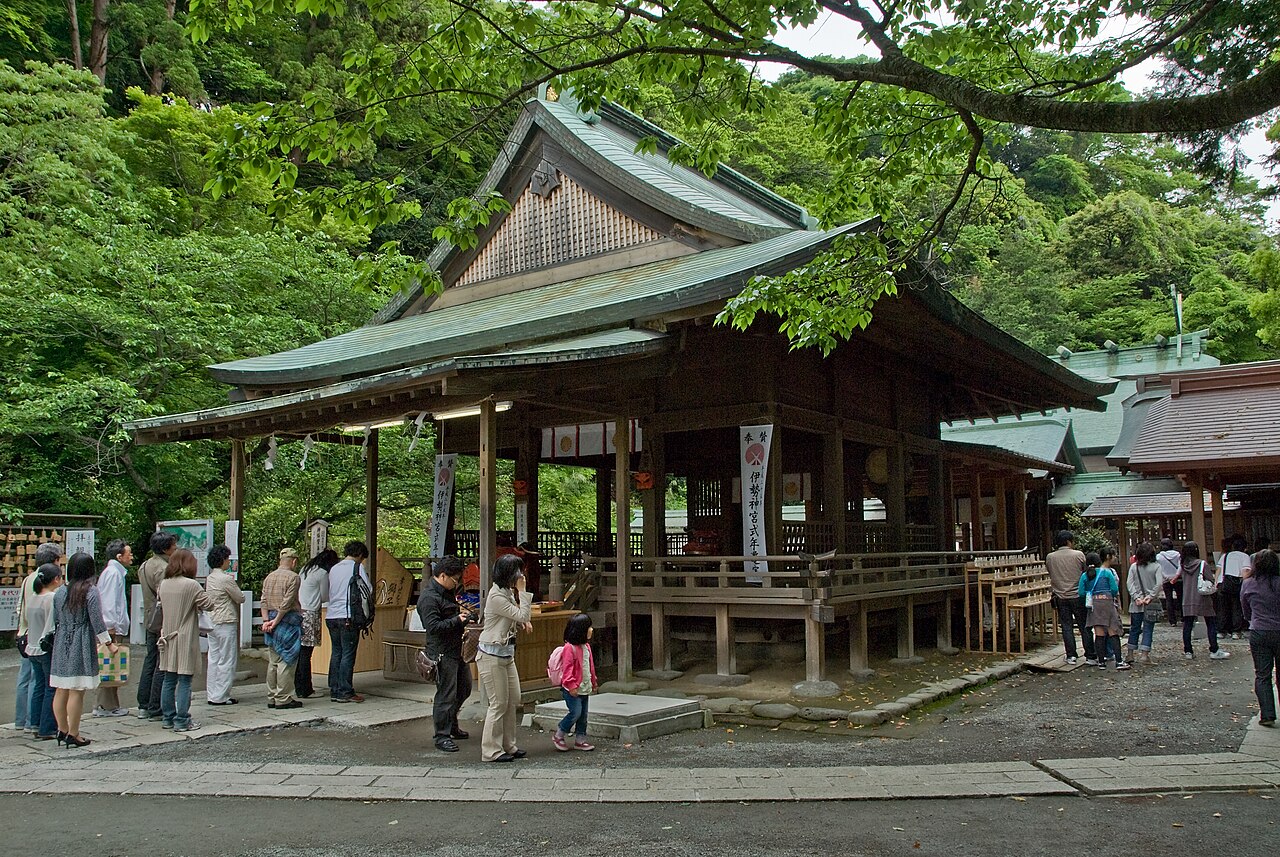
A Meiji-era shrine honouring the tragic Prince Morinaga, built beside the very cave where he was imprisoned and killed in 1335.
Kamakura-gu, also known as Daito-no-miya, is a shrine of unusually recent foundation but ancient, tragic subject matter. It was established in 1869 by the Meiji Emperor himself, in the first years of his reign, to honour Prince Morinaga — a fourteenth-century imperial prince whose short, dramatic life ended violently on this very spot. The choice to build here was intensely political: the young Meiji government, having just restored direct imperial rule after centuries of samurai dominance, sought to celebrate historical figures who had fought for the emperor against the warrior class, and Prince Morinaga was among the most poignant of them.
Morinaga was a son of Emperor Go-Daigo, the sovereign who briefly overthrew the Kamakura shogunate in the 1330s and attempted to restore imperial power. A warrior-monk turned general, the prince played a leading role in the campaign that toppled the Hojo regents. But in the treacherous politics that followed, he fell foul of the ascendant warlord Ashikaga Takauji, was slandered, stripped of rank, and imprisoned in a dank cave in Kamakura for many months. In 1335, as rebellion swept the region, he was executed in his prison — killed, according to tradition, at the age of only twenty-seven. His story became a byword for loyalty betrayed.
The shrine built in his memory sits in a green valley in eastern Kamakura, its bright vermilion torii and buildings a cheerful contrast to the sombre history they commemorate. The grounds are pleasant and uncrowded, with seasonal blossom and autumn colour, and a small treasure hall displaying artefacts connected to the prince and to the shrine's Meiji-era founding.
The most powerful feature lies behind the main shrine. For a small additional fee, visitors can view the dokutsu — the cave, cut into the hillside, that tradition holds to be the actual dungeon where Prince Morinaga was confined and met his end. Dim, cramped, and cold, the cave is a genuinely affecting place, one of the few spots in Kamakura where a specific historical tragedy can be so directly felt. A statue and memorial mark the site.
Visiting is easy and mostly free, with the modest charge only for the treasure hall and the cave. The grounds are largely flat and accessible, and the shrine makes a natural pairing with the nearby temples of Kamakura's eastern valleys, such as Zuisen-ji, Sugimoto-dera, and the bamboo grove of Hokoku-ji, all within walking distance. Because it lies a good distance from the station — about twenty-five minutes on foot, or a short bus ride — it sees fewer visitors than the central sights, which only adds to its reflective calm.
Come in autumn, when the surrounding hills turn colour, and take the time to see the cave; it transforms a pretty but modern shrine into a moving encounter with the turbulent moment when emperors and samurai fought for the soul of Japan.
A local's tip
Pay the small fee to see the cave behind the shrine said to be the dungeon where Prince Morinaga was imprisoned — a rare, genuinely eerie historical site.
Best time to visit
Autumn; combine with nearby temples of the eastern valleys
Getting there
A 25-minute walk from Kamakura Station, or take a bus toward Daitonomiya and alight at the Daitonomiya stop right by the shrine.
Good to know
- Restrooms
- Treasure hall
Plan the whole trip offline
Kamakura-gu Shrine is one of many places in the Real Japan app — with turn-by-turn directions, nearby spots and full offline maps you can use with no signal.