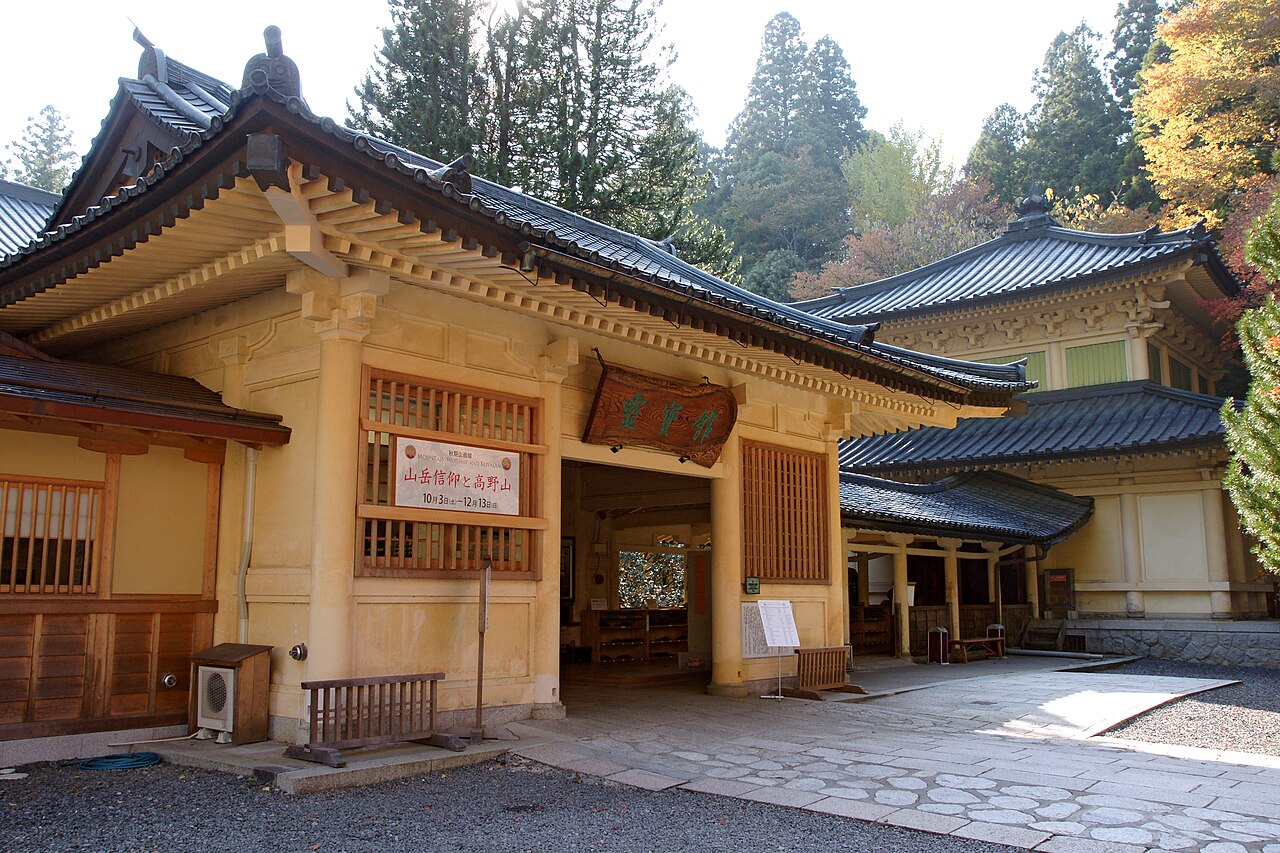
Koyasan’s treasure house, safeguarding thousands of Buddhist artworks including many National Treasures.
The Koyasan Reihokan, literally the “Sacred Treasure Hall,” is the museum that preserves and displays the extraordinary artistic heritage of Mount Koya. Opened in 1921, it was founded to protect the paintings, sculptures, sutras and ritual objects that had accumulated across the mountain’s many temples over more than a thousand years. Today its collection numbers in the tens of thousands of items, including a remarkable concentration of National Treasures and Important Cultural Properties — among the richest holdings of esoteric Buddhist art anywhere in Japan.
The museum exists because Koyasan is not simply a scenic temple town but the headquarters of the Koyasan Shingon sect, founded by Kukai (Kobo Daishi) in 816. Over the centuries, emperors, shoguns and noble families endowed its 117 temples with devotional art of the highest order. Wooden statues of Buddhas and guardian kings, hanging scroll paintings of mandalas and deities, illuminated sutras, lacquerware and ritual implements were created or donated here. Because many of these objects are fragile and irreplaceable, they cannot be safely kept in the working temple halls, where fire and humidity are constant risks. The Reihokan provides climate-controlled, secure galleries where the finest pieces can be conserved and shown to the public.
Highlights of the collection include Heian and Kamakura-period Buddhist sculpture of superb quality, some by masters of the Kei school, along with painted mandalas central to Shingon practice and personal effects associated with Kukai himself. Exhibits rotate through the year, and the museum stages special exhibitions that bring out rarely seen treasures, so no two visits are quite the same. Bilingual labelling helps international visitors understand the iconography of esoteric Buddhism — the meaning of the mudras, the identities of the wrathful guardians, the structure of the Womb and Diamond Realm mandalas.
The original 1921 building is itself an attractive piece of Taisho-era architecture, and a newer wing provides modern gallery space. A visit typically takes around an hour, longer for those who linger over the detail. Because the galleries are indoors and calm, the Reihokan is an excellent choice on a rainy or cold day, of which Koyasan, sitting at over 800 metres altitude, has plenty.
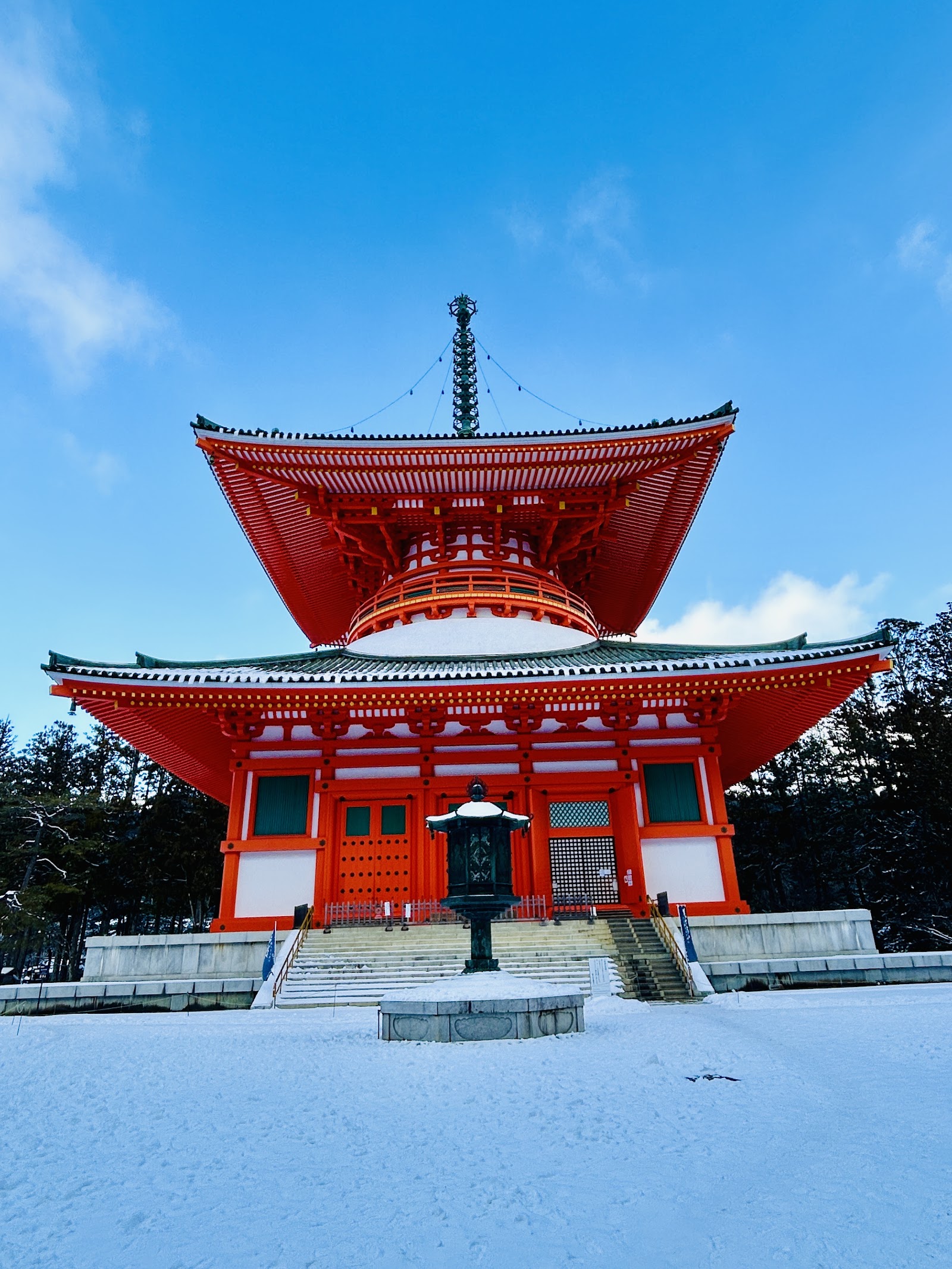
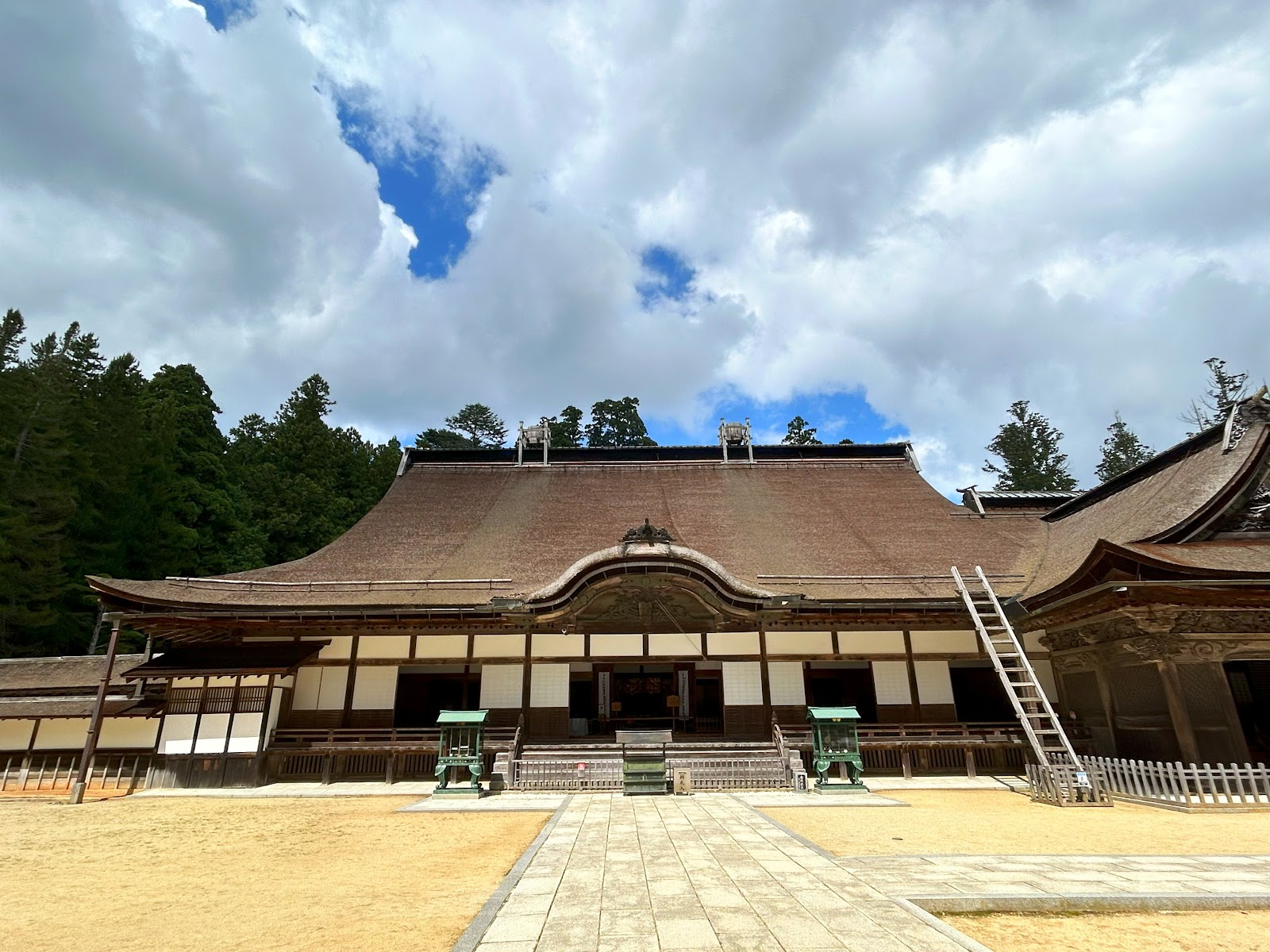
The museum stands in the heart of the temple town, right beside the Danjo Garan, the sacred central precinct with its great vermilion pagoda. This makes it easy to combine with the main sights: many visitors see the Garan and Kongobu-ji, then step into the Reihokan to view the actual masterpieces that once filled those halls. It is reached in a few minutes on foot from the town centre, or by the local bus from the cable-car station to the Reihokan-mae stop. For anyone interested in the art, history and spiritual world behind Koyasan’s temples, it is an essential stop rather than an optional extra.
A local's tip
This is where Koyasan’s most fragile National Treasures are safely displayed — many of the temple halls keep replicas, so the museum is where you see the real thing.
Best time to visit
Any time; a good rainy-day option
Getting there
In central Koyasan next to the Danjo Garan complex. Take the bus from Koyasan cable-car station to the Reihokan-mae or Karukayado-mae stop, or walk from the town centre.
Good to know
- Wi-Fi
- Gift shop
- Restrooms
Plan the whole trip offline
Koyasan Reihokan Museum is one of many places in the Real Japan app — with turn-by-turn directions, nearby spots and full offline maps you can use with no signal.