The historic 23.5 km pilgrim path up to Mount Koya, marked by ancient stone pillars through cedar forest.
The Choishi-michi is the original and most sacred pilgrimage route up to Koyasan, the mountaintop monastic complex founded by the monk Kukai in the ninth century. For more than a thousand years, before cable cars and mountain roads existed, pilgrims reached the sacred precincts on foot along this path, and walking even part of it remains one of the most rewarding ways to experience Mount Koya's spiritual landscape. The route is inscribed as part of the UNESCO World Heritage 'Sacred Sites and Pilgrimage Routes in the Kii Mountain Range.'
The trail takes its name from the choishi, weathered stone pillars that line the way. There are 180 of them between the traditional starting point at Jison-in temple, near Kudoyama, and the Danjo Garan, the central temple complex on the mountain, plus a further series continuing to the Okunoin mausoleum. Placed roughly every 109 metres, each pillar is carved with Sanskrit characters and served as both a distance marker and an object of devotion, a rhythm of small shrines guiding pilgrims upward. Many date back centuries, giving the walk a tangible sense of the countless feet that have passed before.
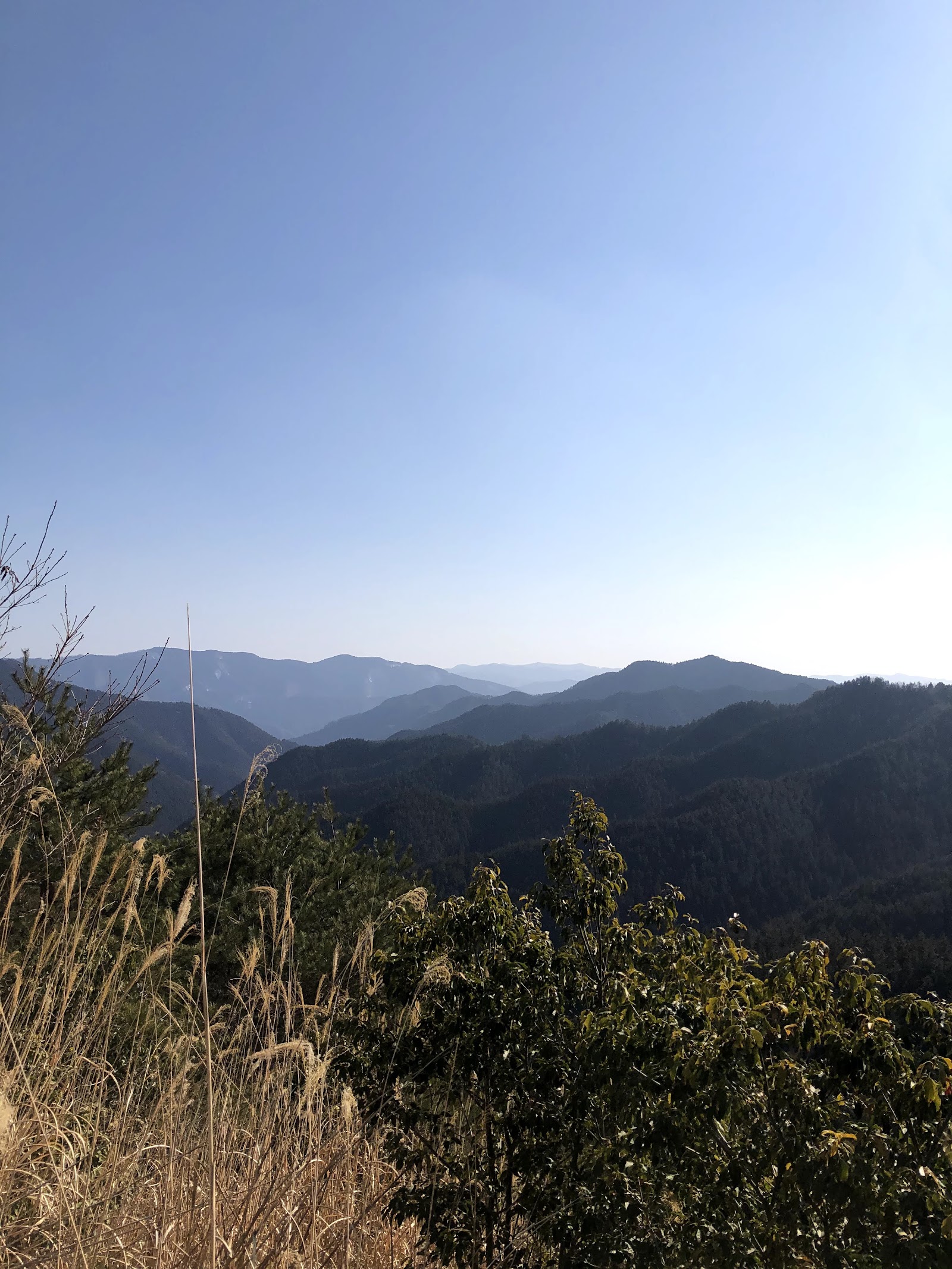
The route runs about 23.5 kilometres and climbs steadily through cedar and cypress forest, terraced fields and quiet hamlets, gaining several hundred metres in altitude. It is a genuine full-day hike of around six to seven hours for fit walkers, and should be treated seriously: sturdy footwear, water, food and an early start are essential, as facilities along the way are sparse. The reward is solitude, birdsong, dappled forest light and a slow, meditative ascent that mirrors the spiritual preparation the pilgrimage was designed to encourage. Autumn brings fiery koyo colour to the maples, while late spring offers fresh green and comfortable temperatures.
The path is rich in landmarks. It passes Jison-in, historically the point where female pilgrims once had to stop when women were barred from the mountain, as well as viewpoints, old teahouse sites and the Nyonin-do at the mountain's edge. It finally emerges at the great Daimon gate and the Danjo Garan, the symbolic heart of Koyasan, so the walk delivers you directly into the sacred core rather than the modern town fringe — a far more meaningful arrival than stepping off a cable car.
For those without a full day or the legs for the whole climb, there are gentler ways to taste the Choishi-michi. You can walk the lower section out from Kudoyama and return, or ride the train and cable car up to Koyasan and then descend a scenic stretch of the trail, letting gravity do the hard work while still walking among the ancient stone markers and towering cedars.
However you approach it, the Choishi-michi connects you to the deep history of Japanese mountain pilgrimage in a way no other access route can. It is not a manicured tourist path but a living devotional road, and even a couple of hours on it, beneath the great trees and beside the moss-covered choishi, leaves a lasting impression of why Kukai chose this remote, forested plateau as the home of his faith.
A local's tip
You do not have to walk the whole route — start at Kudoyama and turn back, or take the cable car up and walk a scenic downhill section to sample the trail without the full seven-hour climb.
Best time to visit
Late spring and autumn for cool, clear walking
Getting there
The classic trailhead is at Jison-in temple near Kudoyama Station on the Nankai Koya Line. The trail climbs roughly 23.5 km to the Danjo Garan on Mount Koya; allow a full day and carry water.
Good to know
- Water
- Signage
- Restrooms
Plan the whole trip offline
Choishi-michi Pilgrimage Trail is one of many places in the Real Japan app — with turn-by-turn directions, nearby spots and full offline maps you can use with no signal.