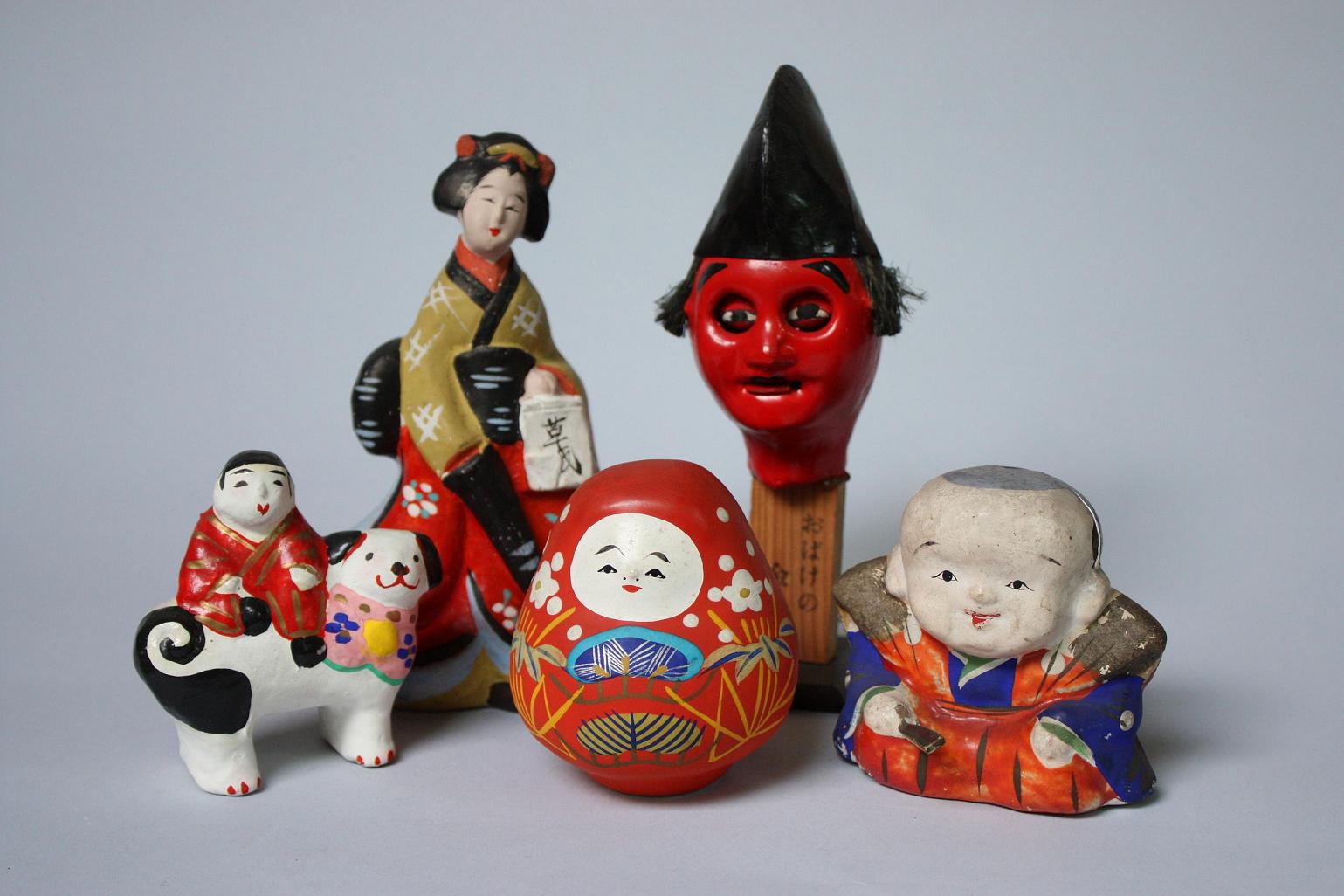
Two-star Michelin Green Guide museum with 90,000 toys and dolls housed in white-walled storehouses.
Tucked into the rural Kodera district northeast of central Himeji, the Japan Toy Museum is one of the region's genuine hidden treasures — a private museum that has earned two stars in the Michelin Green Guide Japan yet remains blissfully uncrowded. Founded in 1974 by Isao Inoue, who began collecting toys as a young schoolteacher, it has grown into one of the most important collections of its kind in the country, holding roughly 90,000 toys and dolls from Japan and around 160 countries worldwide.
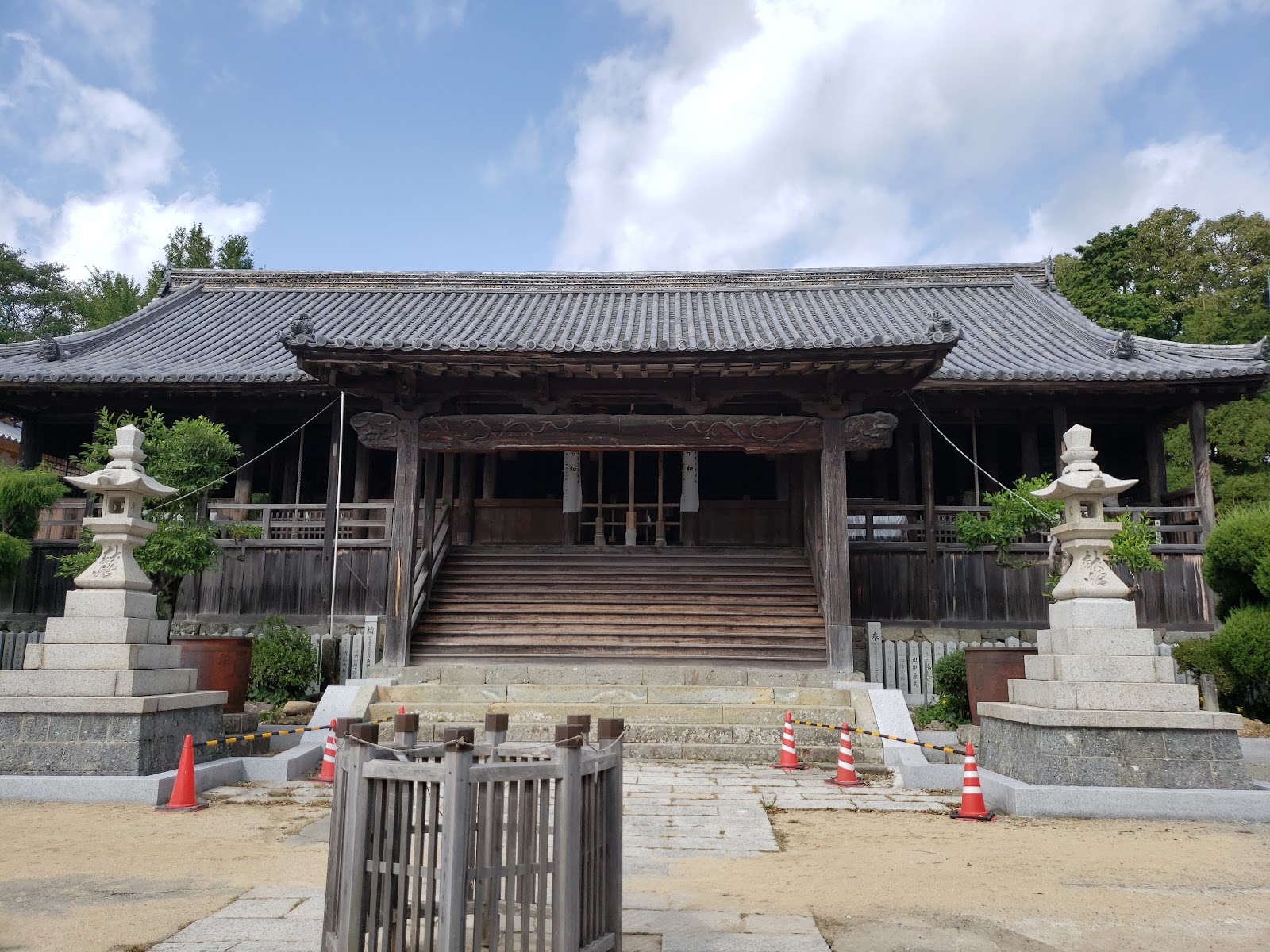
The setting is as memorable as the collection. The museum occupies a cluster of six white-walled, black-tiled storehouses (kura) built in the traditional style of the Harima countryside, arranged around a garden so that visiting feels like wandering through an old rural estate. Inside, the buildings are packed floor to ceiling with beautifully curated displays: Japanese folk toys and regional crafts, celluloid and tin toys from the early twentieth century, chirimen-zaiku fabric dolls, candy-store toys that evoke childhood in Showa-era Japan, and an astonishing international gallery of dolls, masks and playthings gathered from every continent.
The collection is more than nostalgia. It functions as a serious ethnographic record of how children have played, and how craft traditions have been passed down, across cultures and centuries. Local Japanese toys (kyodo-gangu) are grouped by region, revealing the distinct folk aesthetics of different prefectures, while the world gallery invites fascinating comparisons — the same impulses to make dolls, spinning tops and animal figures appearing in wildly different materials and styles across the globe.
Seasonal displays are a particular highlight and worth planning around. For Hina Matsuri (the Doll Festival) in spring, the museum stages a breathtaking exhibition of antique tiered hina-doll sets, and for Children's Day it fills a hall with carp streamers and warrior dolls. These special installations transform the storehouses and draw visitors who return year after year.
Getting here takes a little effort — the JR Bantan Line to Koro Station followed by a fifteen-minute walk through quiet countryside — but that journey is part of the charm, delivering you into a slower, greener corner of Himeji far removed from the castle crowds. The rural setting, the atmospheric old storehouses and the sheer depth of the collection combine to make a visit feel like a discovery.
Admission is modest at around 600 yen. The museum is closed on Wednesdays and over the New Year holidays, and opening hours run from 10:00 to 17:00. Allow at least ninety minutes to do the storehouses justice, and longer if a seasonal display is on. For families, craft lovers, and anyone charmed by folk culture, the Japan Toy Museum is one of the most rewarding and unexpected reasons to venture beyond central Himeji.
A local's tip
Time your visit to the spring doll festivals — the museum mounts one of Japan's most spectacular Hina Matsuri displays, with tiered platforms of antique dolls filling entire storehouses.
Best time to visit
Any season; special seasonal displays for Hina Matsuri and Tango-no-Sekku
Getting there
Take the JR Bantan Line from Himeji Station to Koro Station (about 20 minutes), then walk roughly 15 minutes through the rural Kodera district. It is out in the countryside northeast of central Himeji, so allow travel time.
Good to know
- Parking
- Gift Shop
- Restrooms
Plan the whole trip offline
Japan Toy Museum is one of many places in the Real Japan app — with turn-by-turn directions, nearby spots and full offline maps you can use with no signal.