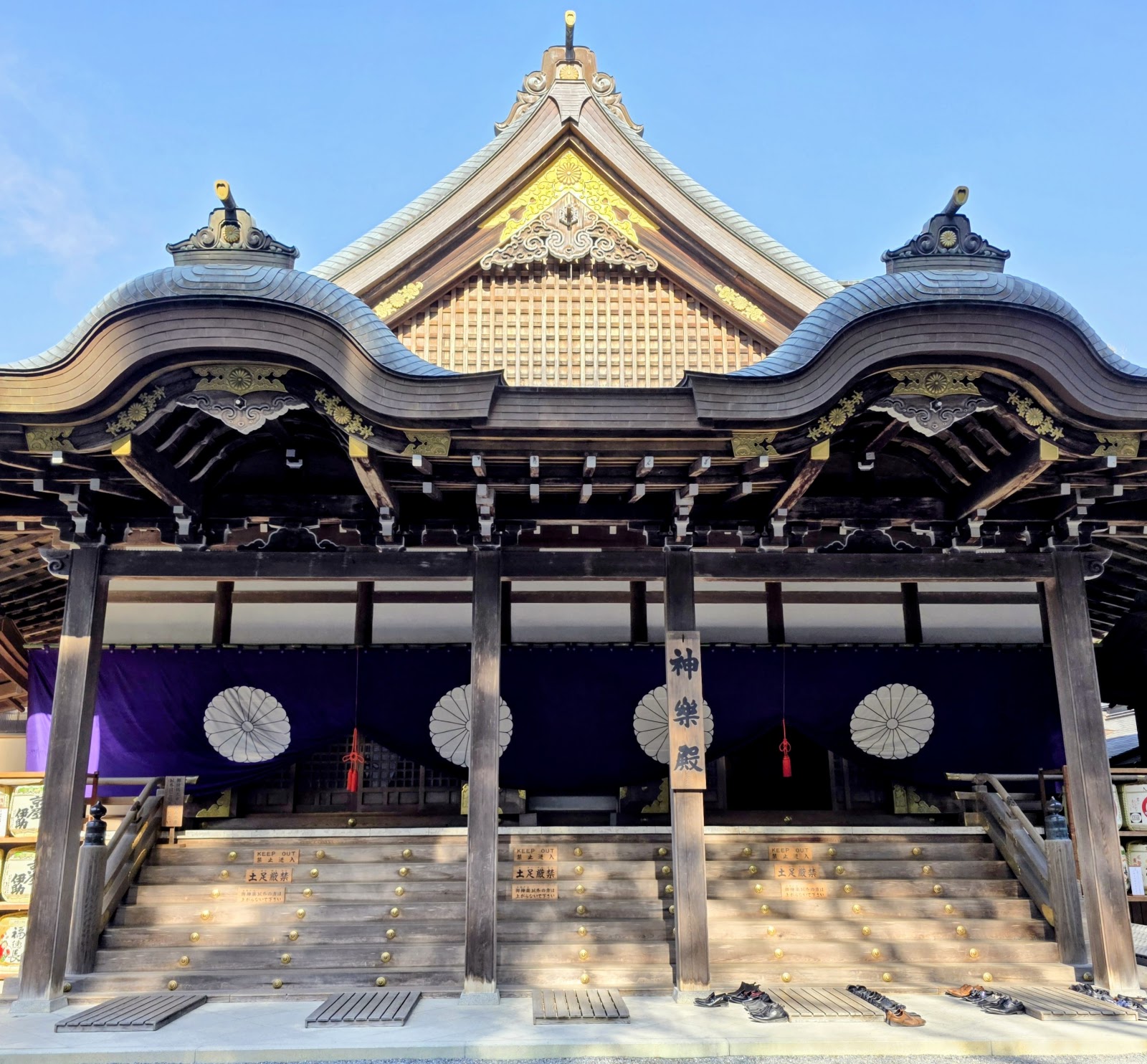
Japan's most sacred Shinto shrine, dedicated to the sun goddess Amaterasu and rebuilt from scratch every twenty years.
Ise Jingu Naiku, the Inner Shrine, is the holiest site in all of Shinto and the spiritual centre of Japan. Dedicated to Amaterasu Omikami, the sun goddess from whom the imperial family traditionally claims descent, it is said to enshrine the Yata no Kagami, the sacred mirror that is one of the three Imperial Regalia. For nearly two thousand years pilgrims have journeyed here, and a visit remains one of the most profound experiences the country offers.
The shrine's origins are traced to around the third century, when, according to legend, the sacred mirror was brought to this spot on the banks of the pure Isuzu River after a long search for a permanent home for Amaterasu's spirit. Since then Naiku has stood at the head of a network of some 125 shrines that together make up Ise Jingu.
What astonishes most visitors is not opulence but its opposite. There are no gilded halls or soaring pagodas; instead, unpainted Japanese cypress buildings in the ancient Yuiitsu Shinmei-zukuri style stand within a forest of towering cedars, their thatched roofs and plain timber radiating a severe, elemental beauty. Most sacred of all is the main sanctuary, which ordinary visitors may glimpse only from beyond a wooden fence; photography is forbidden past a certain point, and the inner precincts are reserved for priests and the imperial house.
Ise's most extraordinary tradition is the Shikinen Sengu, the ritual rebuilding of the shrine every twenty years. On an adjacent plot, an exact replica of the sanctuary is constructed using traditional joinery and freshly felled cypress, the sacred objects are transferred to the new building in a solemn nocturnal ceremony, and the old structure is dismantled. This cycle, performed for some 1,300 years and most recently completed in 2013, embodies the Shinto ideals of renewal, impermanence and eternal freshness, and it keeps ancient carpentry skills alive across generations.
The approach itself is part of the pilgrimage. Visitors cross the wooden Uji Bridge over the Isuzu River, said to mark the boundary between the everyday and the sacred, then walk broad gravel paths through cool, cathedral-like woodland, pausing to purify their hands in the river's clear current. The sense of stepping out of ordinary time is palpable.
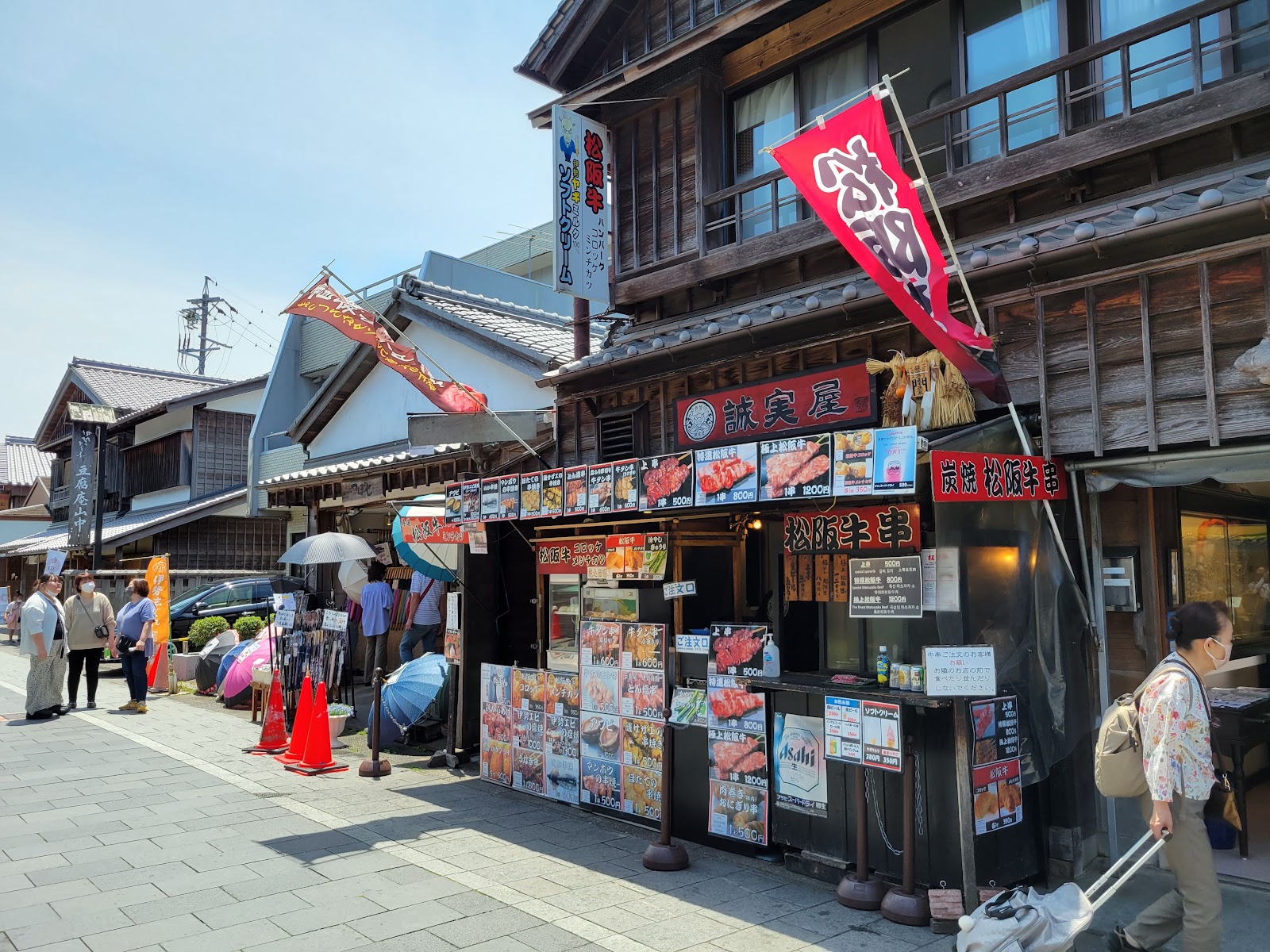
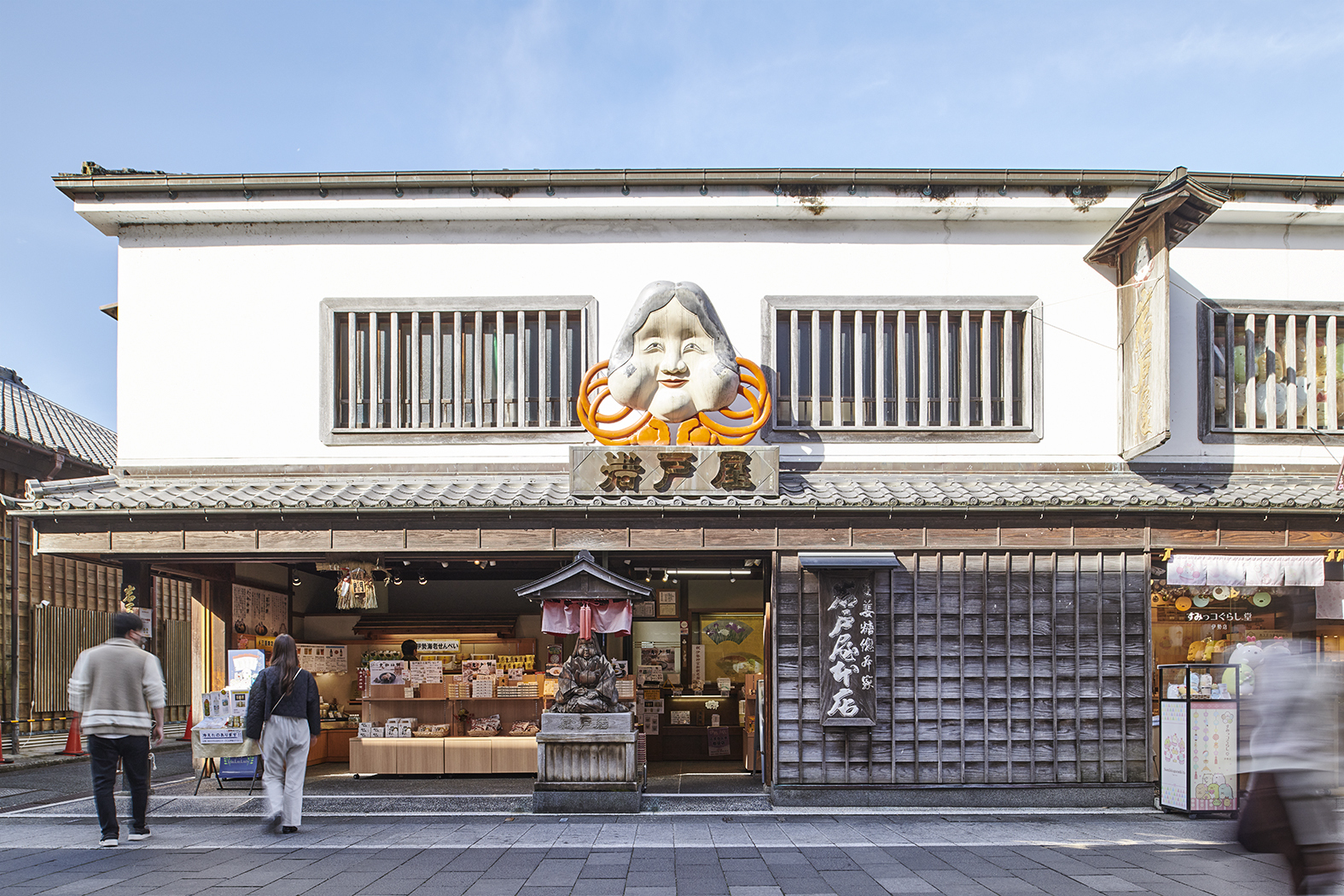
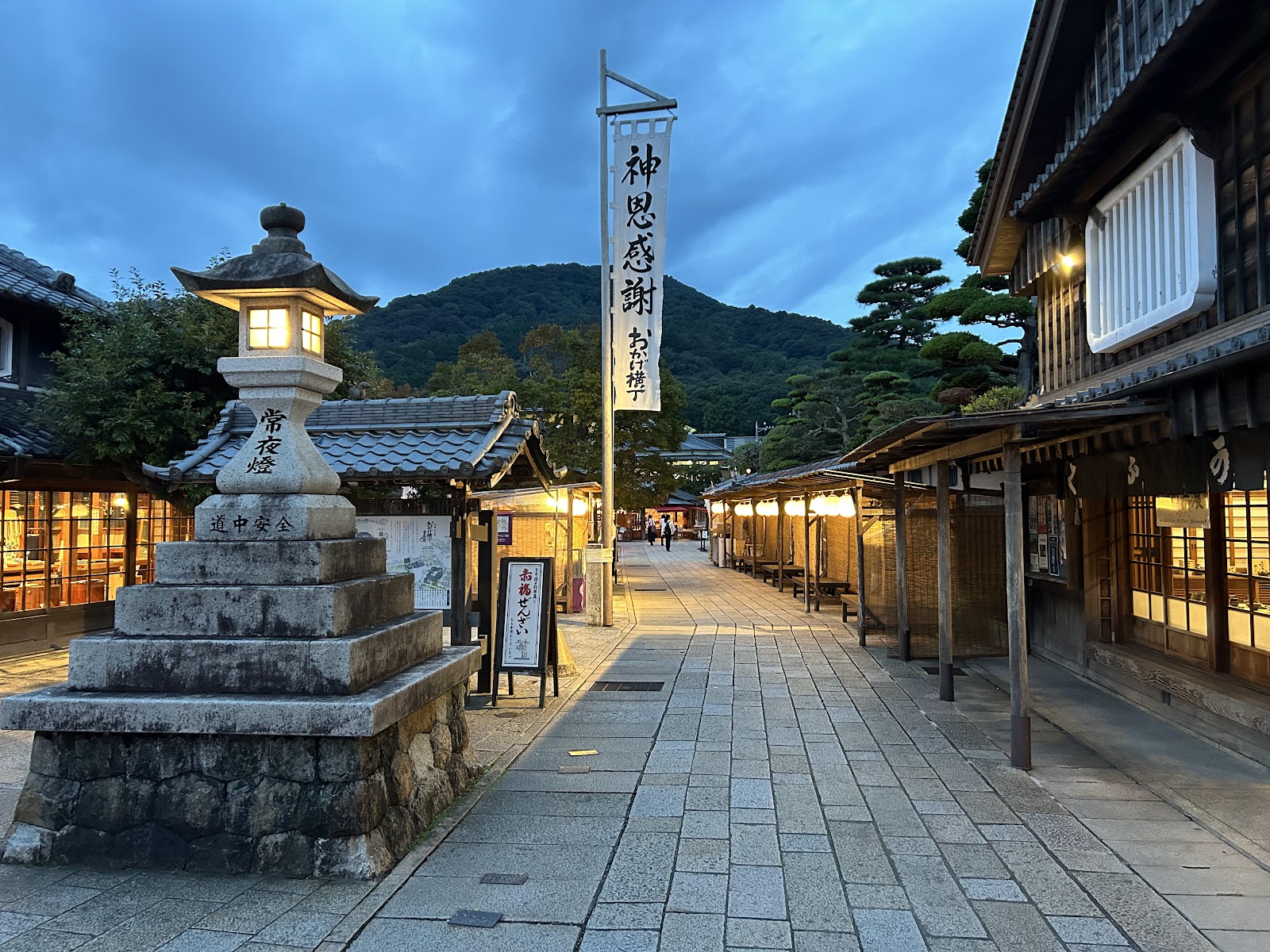
Entry to Naiku is free and it is open from dawn. It sits a short bus ride from Iseshi and Ujiyamada stations, and just outside its gates lie the lively Oharaimachi and Okage Yokocho districts for food and souvenirs. By custom, worshippers visit the Outer Shrine first and the Inner Shrine second. However you approach it, walking the forest paths of Naiku toward the home of the sun goddess is a quietly overwhelming encounter with the roots of Japanese identity and faith.
A local's tip
Follow tradition and visit the Geku (Outer Shrine) first, then the Naiku; and rinse your hands in the clear Isuzu River at the riverside purification spot rather than only at the trough.
Best time to visit
Early morning, when mist rises off the Isuzu River
Getting there
From Iseshi Station take the Mie Kotsu bus toward Naiku-mae (about 15 minutes), or bus from Ujiyamada Station. Many visitors combine it with the Geku via the shuttle bus.
Good to know
- Parking
- Restrooms
- Guided tours
Plan the whole trip offline
Ise Jingu Naiku (Inner Shrine) is one of many places in the Real Japan app — with turn-by-turn directions, nearby spots and full offline maps you can use with no signal.