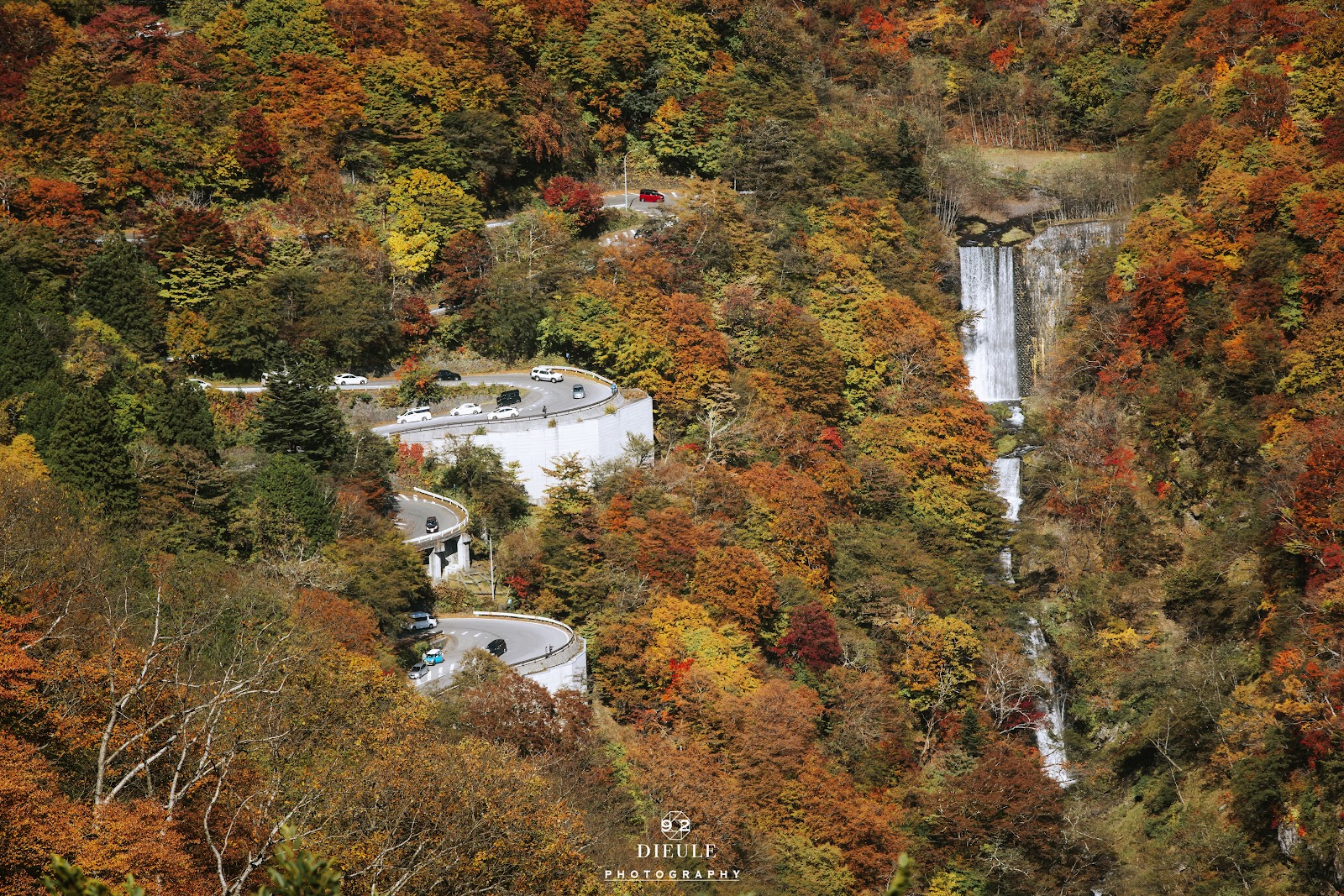
A legendary switchback road of 48 hairpin turns named after the old Japanese alphabet, most spectacular in autumn.
The Irohazaka is one of Japan's most famous mountain roads and a Nikko attraction in its own right. Linking the lower town of Nikko with the highland lake district of Oku-Nikko, it climbs some 440 metres through a dense forest in a dizzying series of hairpin bends. There are forty-eight curves in total, and because forty-eight is also the number of syllables in the traditional Japanese kana ordering that begins "i-ro-ha," each corner is signposted with a successive character of that ancient alphabet, giving the road its poetic name.
To manage the heavy tourist traffic to Lake Chuzenji, the route is split into two one-way roads. The downhill second Irohazaka, the newer of the pair, carries traffic from the lake back down toward town, while the uphill first Irohazaka handles the ascent; together they form a continuous scenic loop. This clever arrangement means drivers and bus passengers experience different curves and outlooks depending on the direction of travel, so a return trip effectively shows you two roads.
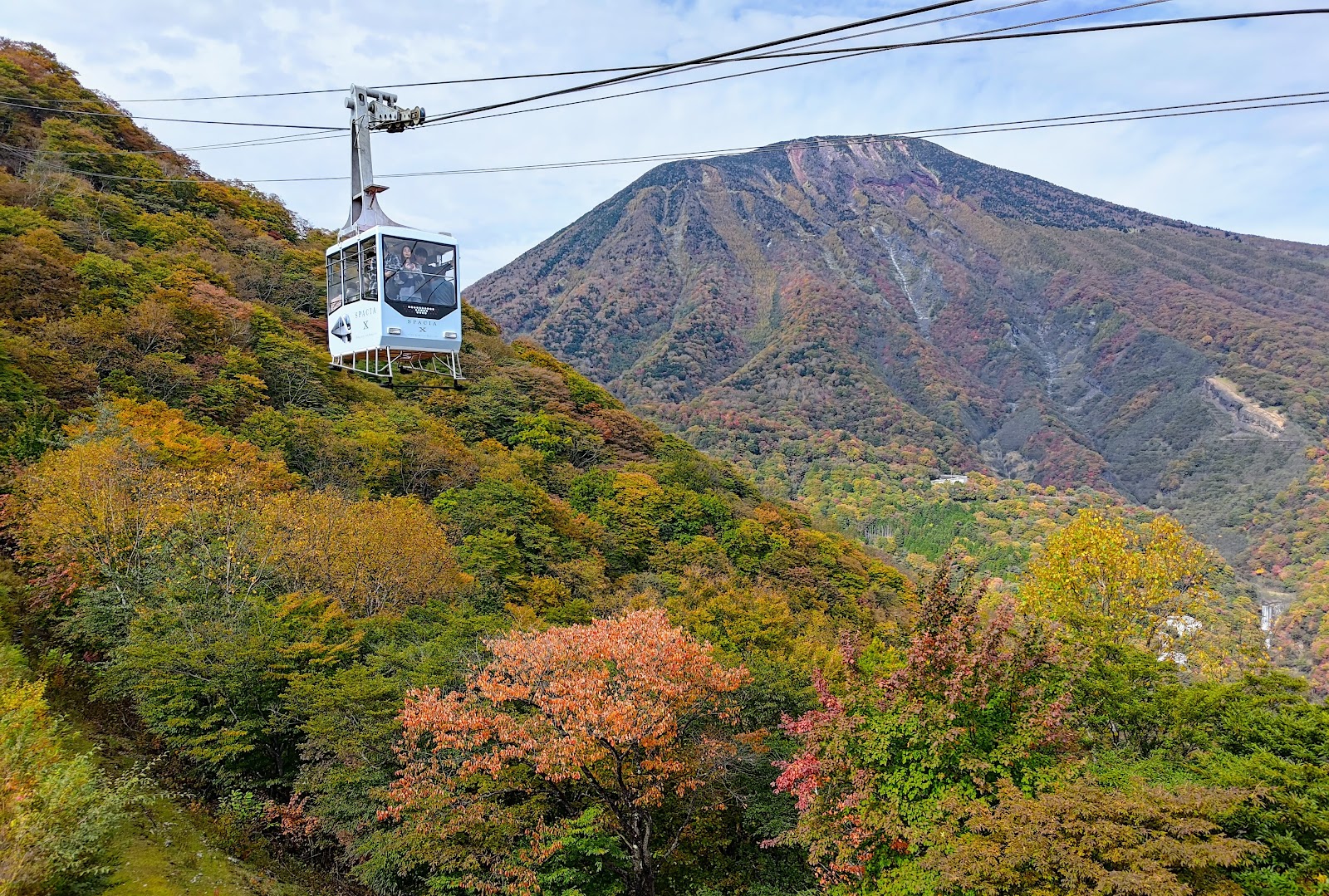
The headline reason to ride the Irohazaka is autumn. From roughly the third week of October into the first days of November the entire hillside erupts in colour, and because the road climbs through 440 metres of elevation the foliage peaks at different heights over an extended window, stretching the season. Maples turn deep scarlet, birches and larches glow yellow, and the switchbacks offer constantly changing frames of the blazing valley. It is so popular that traffic can slow to a crawl on peak foliage weekends; patience, or an early start, is essential.
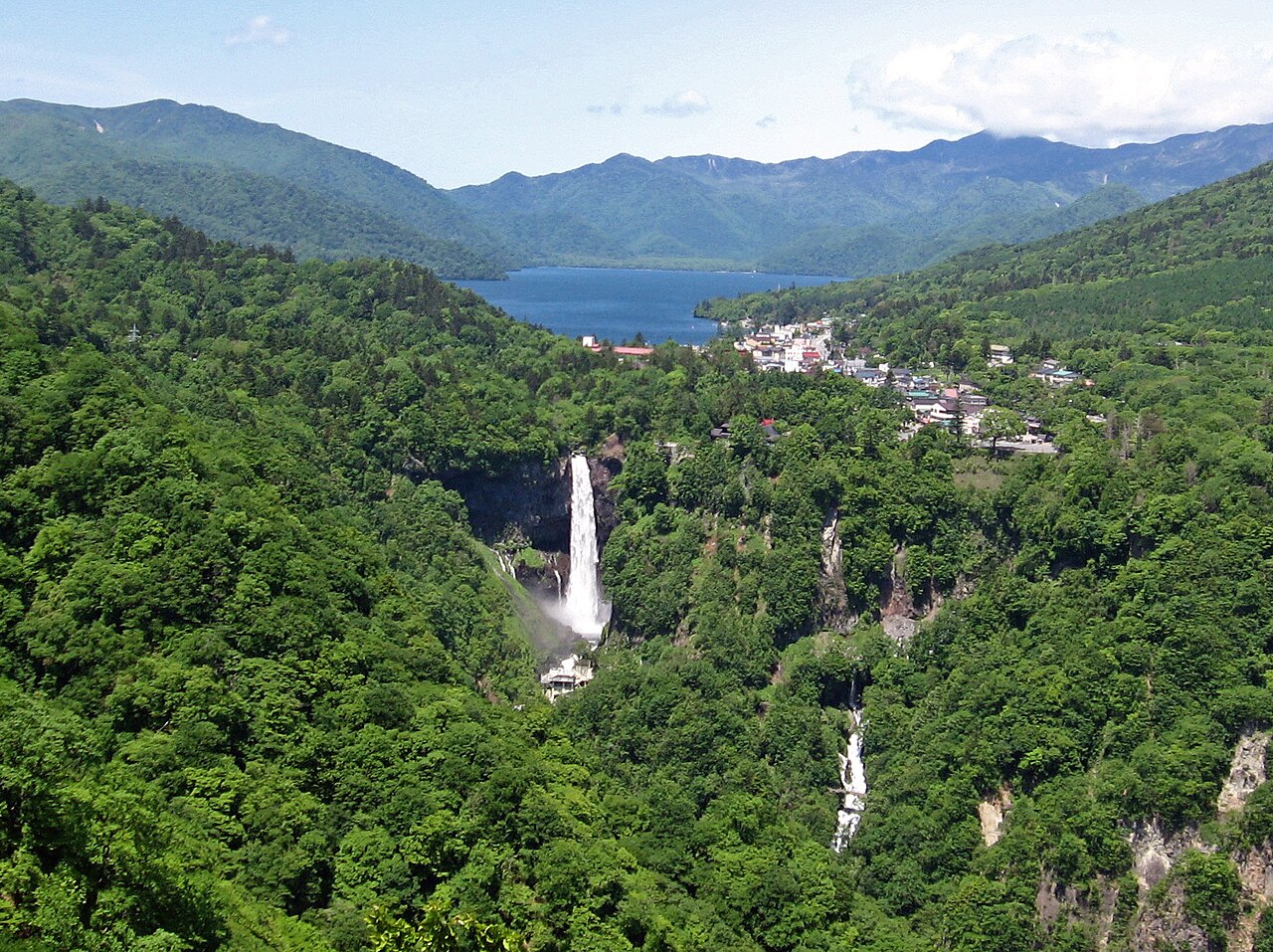
Midway along the second Irohazaka lies the Akechidaira plateau, the road's premier stopping point, where a ropeway lifts visitors to a deck overlooking Kegon Falls and Lake Chuzenji. Lower down, the historic Umagaeshi marks the old "horse return" point where pilgrims once had to continue on foot. Between them the road threads past waterfalls, rock faces and forest so thick that in places it feels like a green tunnel.
The Irohazaka has a long history tied to the sacred mountains above. For centuries this steep flank barred easy passage to Lake Chuzenji and the shrines of Oku-Nikko, and travellers climbed a rough pilgrim's path. Modern engineering finally tamed the slope in the twentieth century, opening the highlands to everyday visitors and turning what was once an ordeal into a celebrated joyride.
You do not need a car to enjoy it. Every Tobu bus running from Nikko Station up to Chuzenji Onsen and Yumoto Onsen climbs the Irohazaka, so simply riding to the lake delivers the full experience from a comfortable seat; sit on the valley side for the best outlook. Drivers should note that both roads are steep and continuously curving, with tight radius bends that demand low gears and full attention, and that winter can bring ice and snow to the upper sections. Whether behind the wheel or gazing from a bus window, the Irohazaka is a thrilling gateway that turns the mere journey up to Oku-Nikko into one of the region's great scenic set pieces.
A local's tip
Travelling up in the morning and down in the late afternoon lets you ride both the second and first Irohazaka, each a one-way road, and catch the light from opposite sides of the valley.
Best time to visit
Late October to early November for peak autumn colour
Getting there
Any Tobu bus from Nikko Station toward Chuzenji Onsen or Yumoto Onsen climbs the Irohazaka; simply ride it to enjoy the switchbacks. By car, follow National Route 120 up from central Nikko toward Lake Chuzenji.
Good to know
- Shops
- Parking
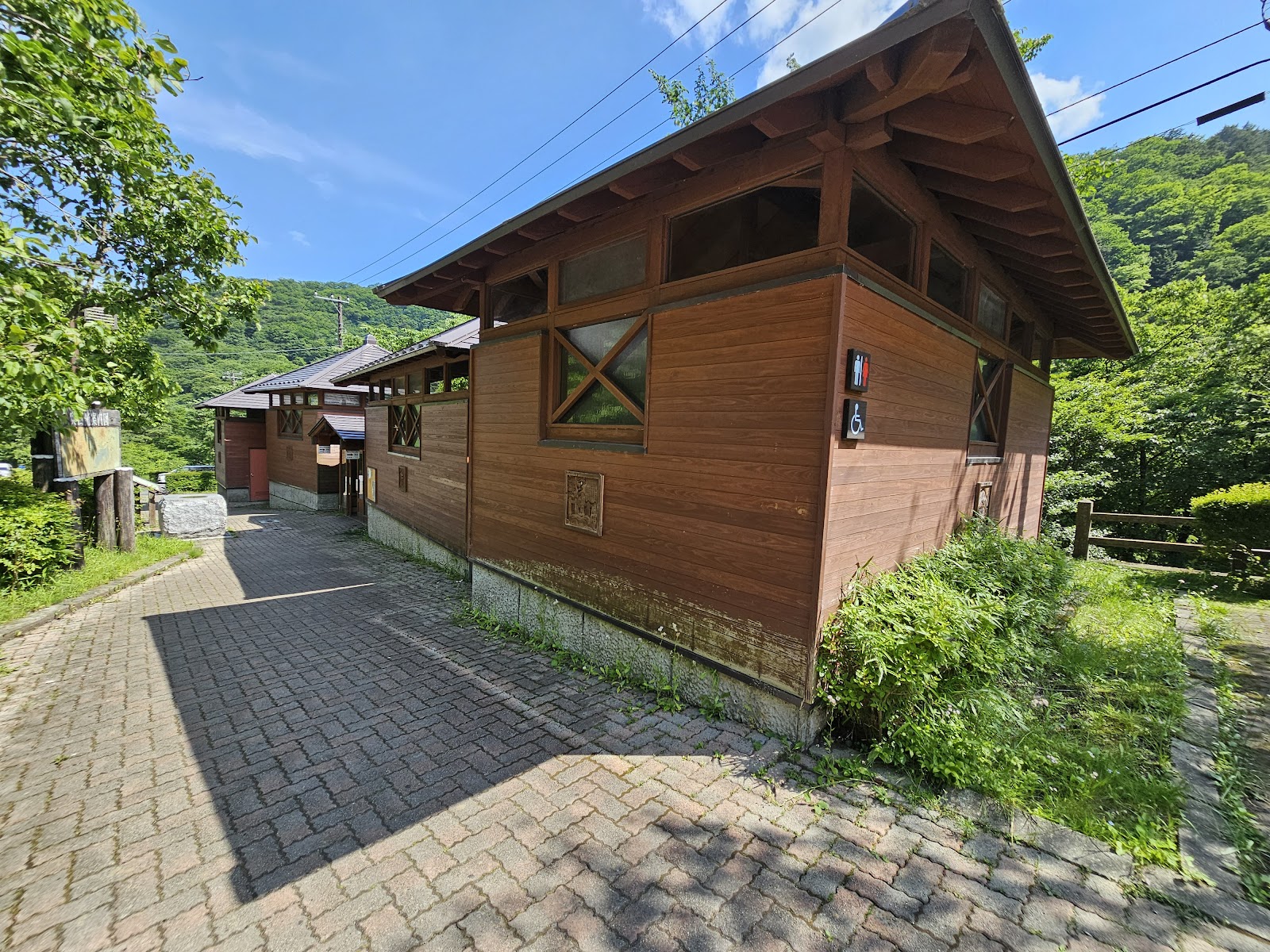
- Restrooms
Plan the whole trip offline
Irohazaka Winding Road is one of many places in the Real Japan app — with turn-by-turn directions, nearby spots and full offline maps you can use with no signal.