Interactive museum on the volcanic geology, wildlife and ecology of the Oku-Nikko highlands and Lake Chuzenji.
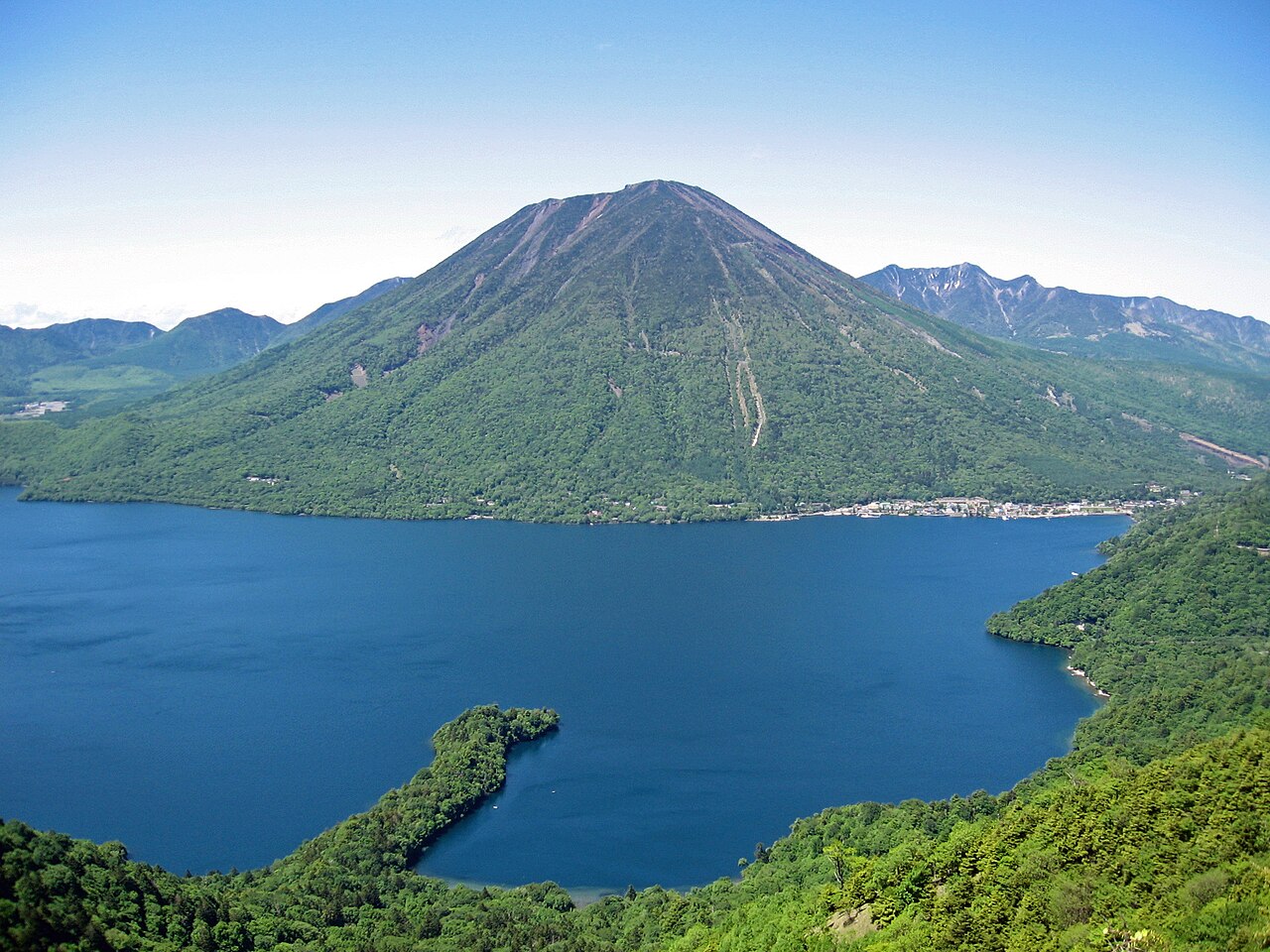
The Nikko Natural Science Museum sits in the highland resort of Chuzenji Onsen, up beyond the famous hairpin bends of the Irohazaka road, and it exists to explain the extraordinary volcanic landscape that surrounds it. Oku-Nikko, the upper reaches of the national park, is a world apart from the shrine town below: a plateau of lakes, marshes, waterfalls and forests formed by the eruptions of Mount Nantai, and this compact, well-designed museum decodes how it all came to be, making everything you go on to see outside far more meaningful.
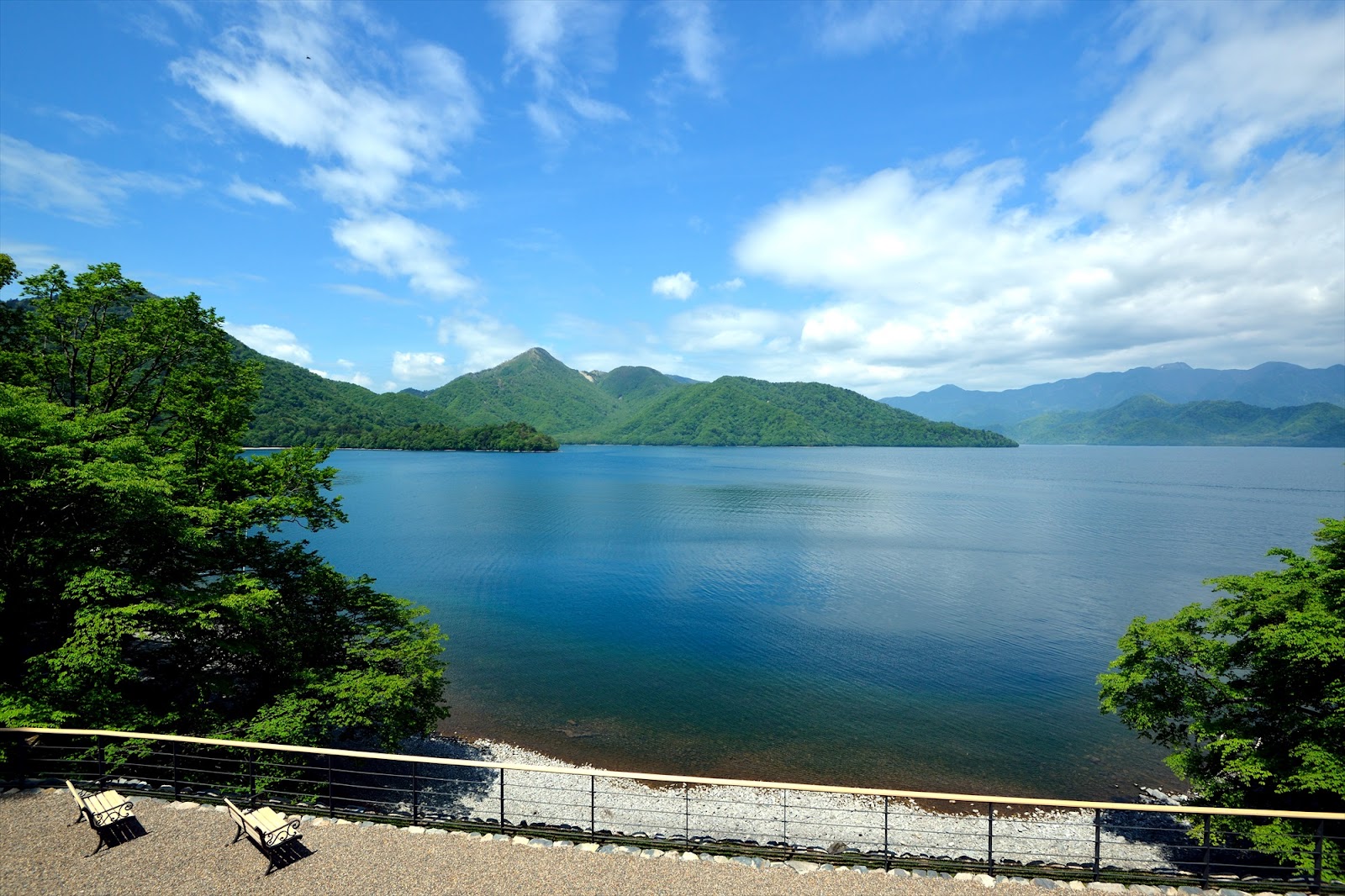
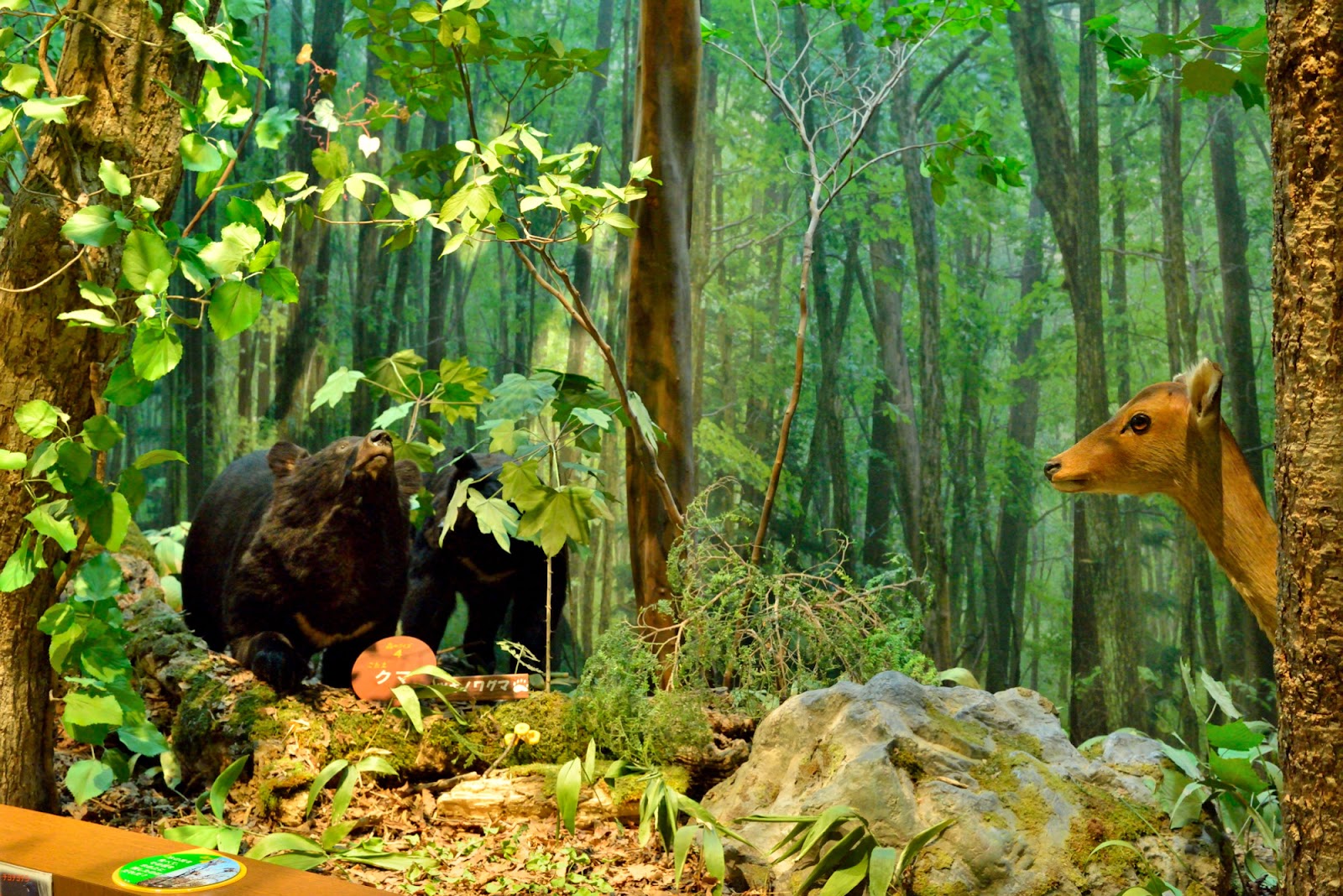
Inside, the exhibits cover the geology, flora and fauna of the Nikko highlands through models, dioramas, video presentations and hands-on displays aimed at all ages. Visitors learn how Mount Nantai's eruptions dammed a river to create Lake Chuzenji, how the overflow carved the mighty Kegon Falls, and how the resulting cool, high wetlands of Senjogahara developed their distinctive plant communities. Displays introduce the animals of the park, including deer, monkeys, bears and the rich birdlife of the marshes, and explain the seasonal rhythms that make the area a magnet for hikers, birdwatchers and autumn-leaf tourists. A theatre presentation gives an overview of the landscape through the year, and interactive corners keep younger visitors engaged.
The museum is deliberately positioned as a gateway to Oku-Nikko, and it works best as the first stop of a day spent exploring the highlands. Armed with an understanding of the volcanic story, a walk out to the thundering Kegon Falls, a stroll along the shore of Lake Chuzenji beneath the cone of Mount Nantai, or a hike across the boardwalks of Senjogahara marsh all become richer experiences, the raw scenery suddenly legible as the product of fire, water and time. For families it is a welcome, weatherproof stop that turns a scenic drive into a genuine learning day.
Because it lies at over twelve hundred metres, the setting itself is part of the appeal, cool and fresh in summer when the city below swelters, ablaze with red and gold in the celebrated Oku-Nikko autumn, and wrapped in snow in winter. The building is modern and accessible, with a shop and ample parking, and it charges only a modest admission, making it easy to fold into a Chuzenji itinerary.
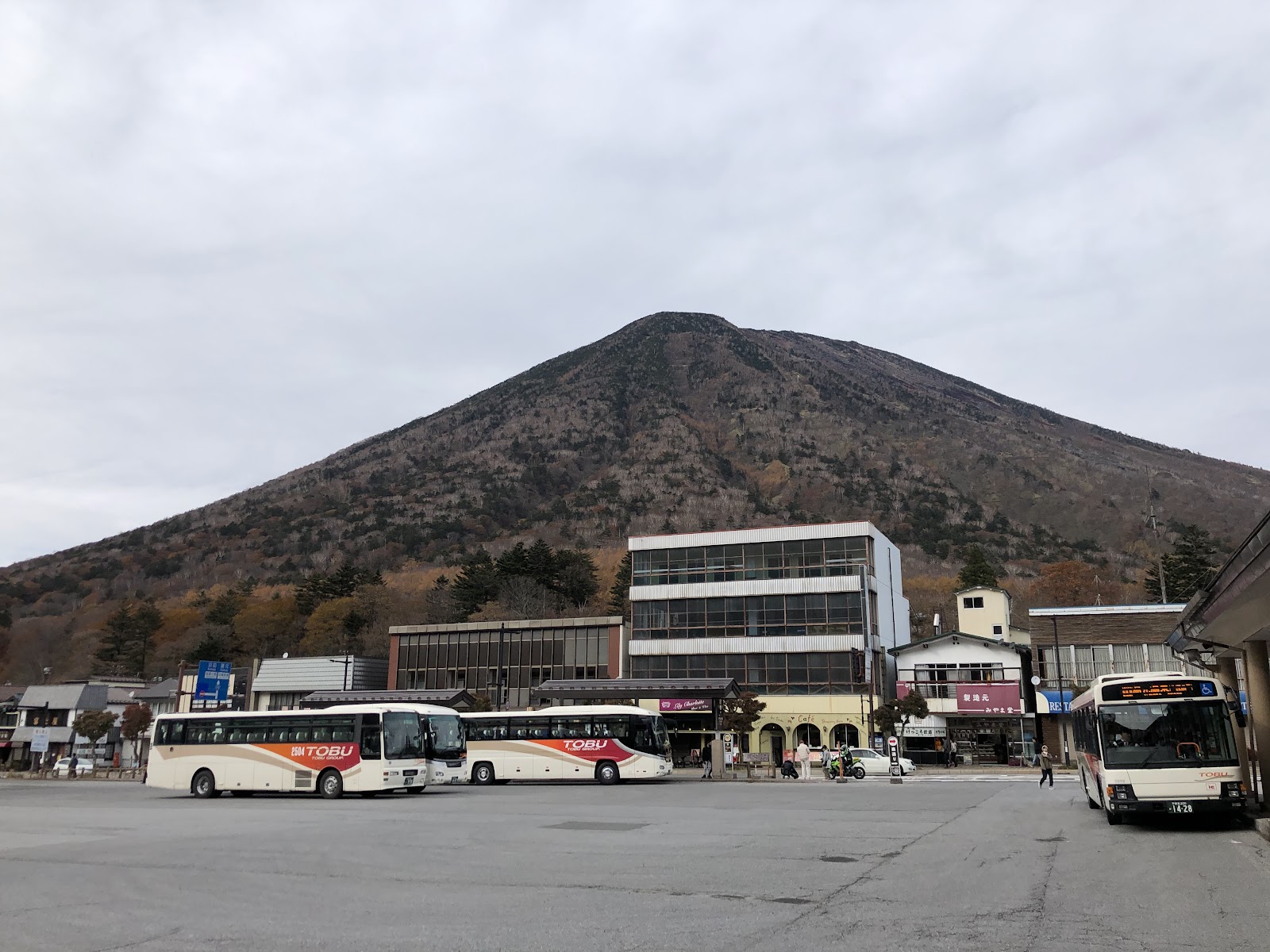
To reach the museum, take a Tobu bus from either Nikko station up the dramatic Irohazaka switchback road to the Chuzenji Onsen area, a scenic ride of about fifty minutes, and walk the short distance to the museum near the lake and falls. Allow around fifty minutes inside, and plan your day so the museum comes before your outdoor exploring. Note that it closes on Mondays outside holidays, and remember that mountain weather changes quickly, so pack a layer even in summer before heading out to the falls and marshes beyond.
A local's tip
Visit the museum first to understand the volcanic origins of Lake Chuzenji, then walk out to Kegon Falls and Mount Nantai and the whole landscape suddenly makes sense.
Best time to visit
Before or after exploring Lake Chuzenji and Kegon Falls
Getting there
Take a Tobu bus from either Nikko station up the hairpin Irohazaka road to the Chuzenji Onsen area, a journey of about fifty minutes, and walk to the museum near the eastern shore of Lake Chuzenji, close to Kegon Falls.
Good to know
- Shop
- Parking
- Exhibits
- Restrooms
Plan the whole trip offline
Nikko Natural Science Museum is one of many places in the Real Japan app — with turn-by-turn directions, nearby spots and full offline maps you can use with no signal.