Japan's most famous waterfall, a 97-metre column plunging from Lake Chuzenji through Nikko's volcanic cliffs.
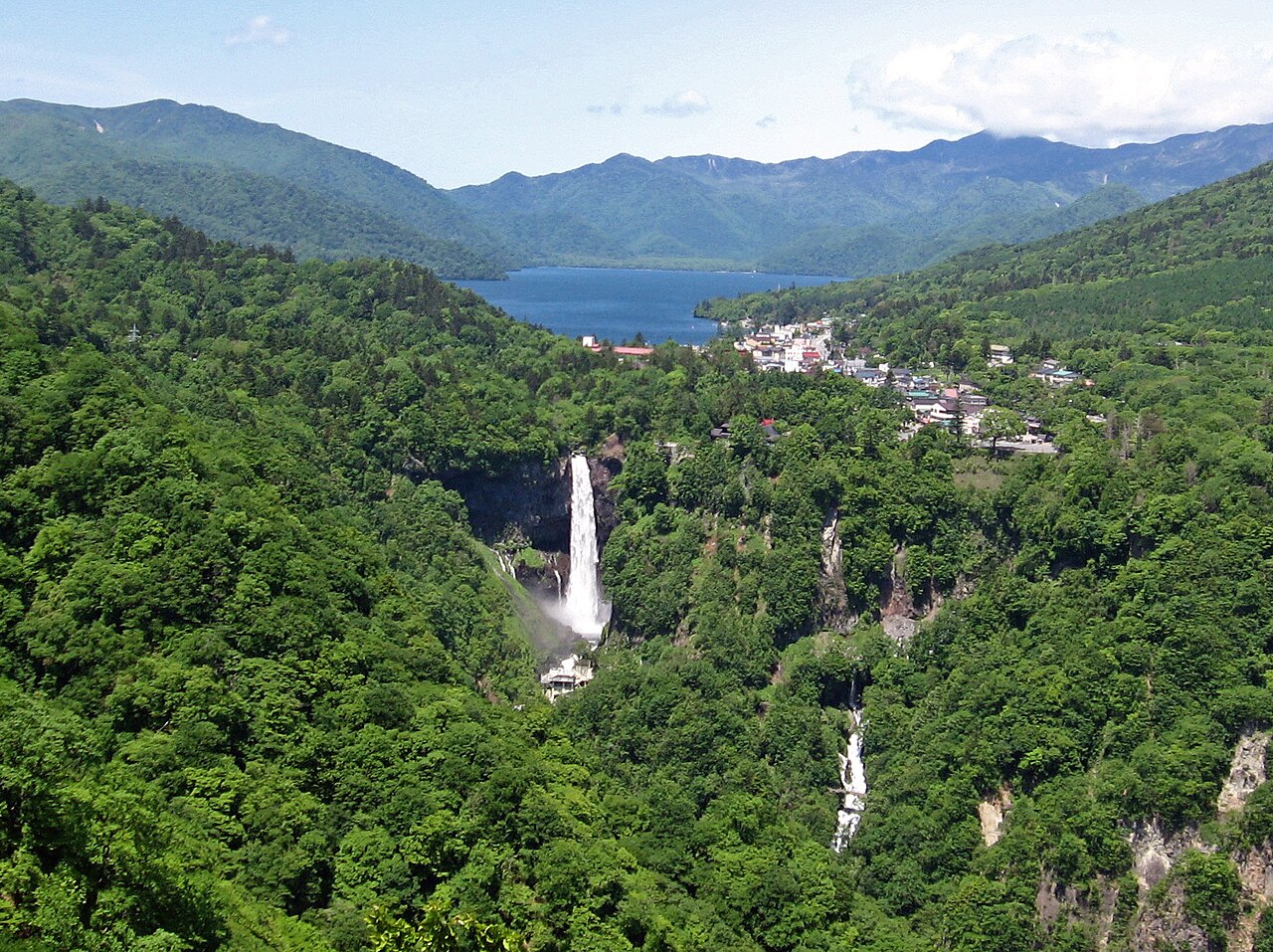
Kegon Falls is the most celebrated of the roughly forty-eight waterfalls scattered through Nikko, and one of Japan's three great cascades. Here the waters of Lake Chuzenji spill over a lava cliff and drop 97 metres in a single thunderous column, while a dozen smaller threads leak through cracks in the rock face on either side, fed by underground springs. The result is a broad, shimmering curtain framed by forest that changes character with every season.
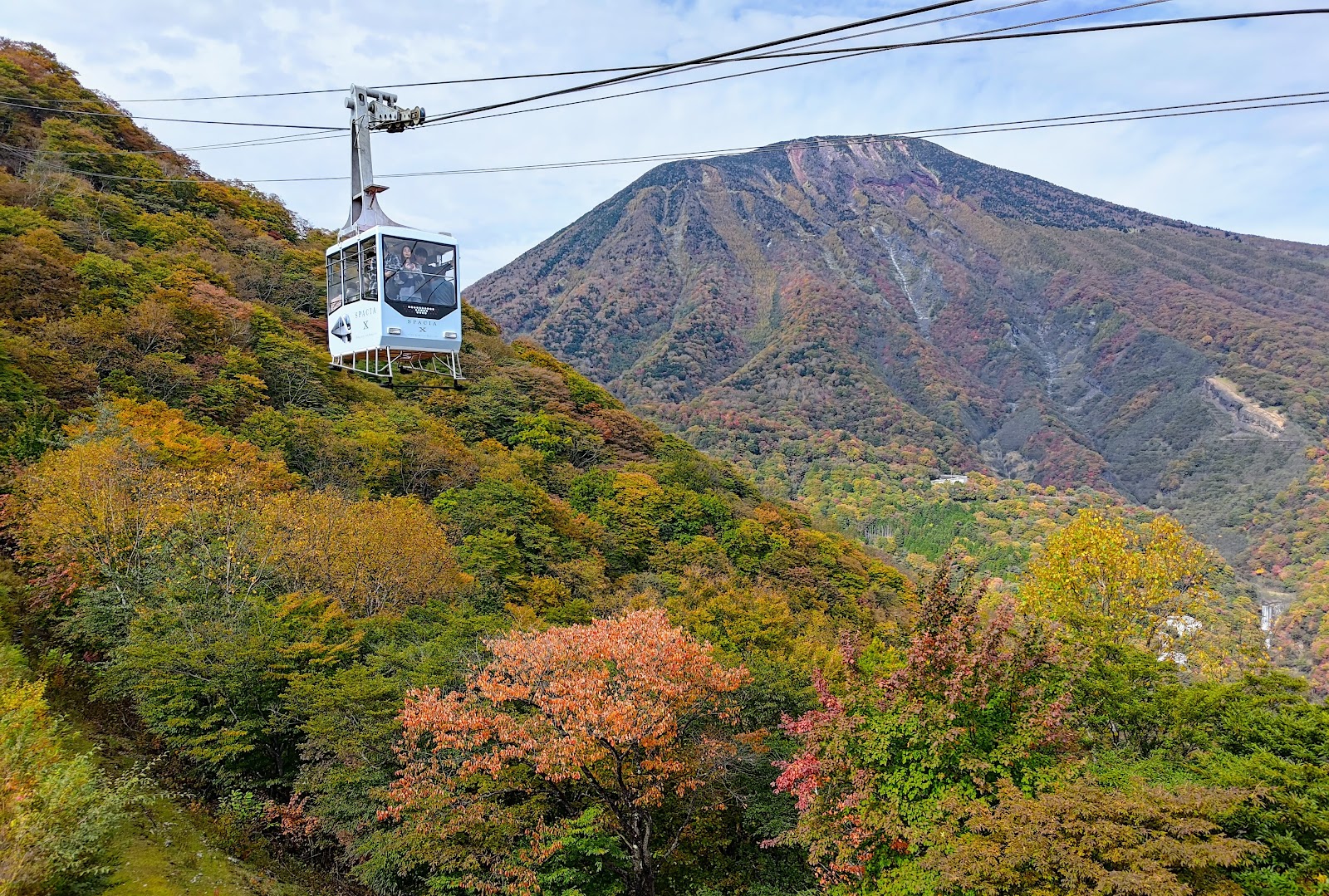
The falls owe their existence to Mount Nantai, the sacred volcano whose eruptions some 20,000 years ago dammed the valley and created Lake Chuzenji above. The name Kegon comes from the Avatamsaka (Kegon) Sutra, reflecting the deeply Buddhist history of the Nikko mountains, which were opened as a religious training ground by the priest Shodo Shonin in the 8th century.
There are two ways to view the falls. A free observation platform at the top gives a quick head-on look. The far better experience is the paid elevator, which drops 100 metres through the cliff to a lower observatory that places you almost level with the plunge pool - close enough to feel the spray and hear the roar echo off the gorge walls. From here the full height of the column and the delicate side-cascades are visible at once.
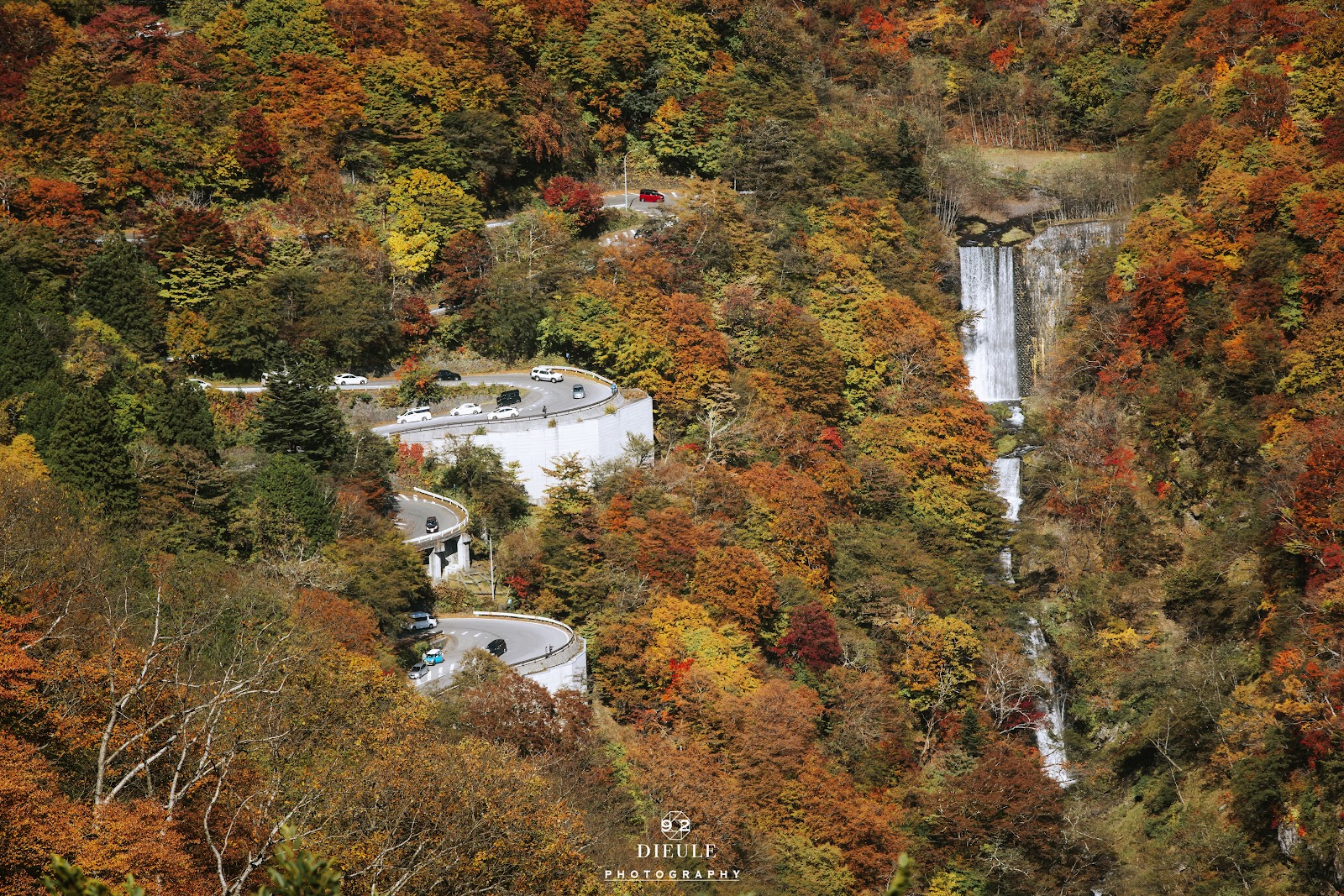
Each season rewrites the scene. Spring brings fresh green and migrating Asian house martins that nest in the cliffs. Summer is cool and misty. Autumn, peaking in mid-October, is the headline act, when the surrounding maples and larches blaze red and gold - the reason traffic up the Irohazaka switchbacks can crawl for hours. In deep winter the side-streams freeze into pale blue icicles while the main fall keeps flowing, a striking contrast.
The falls sit within Nikko National Park at the eastern edge of Lake Chuzenji, beside the small hot-spring town of Chuzenji Onsen. It pairs naturally with a boat trip or lakeside stroll, and with Nikko's UNESCO shrines lower down the mountain.
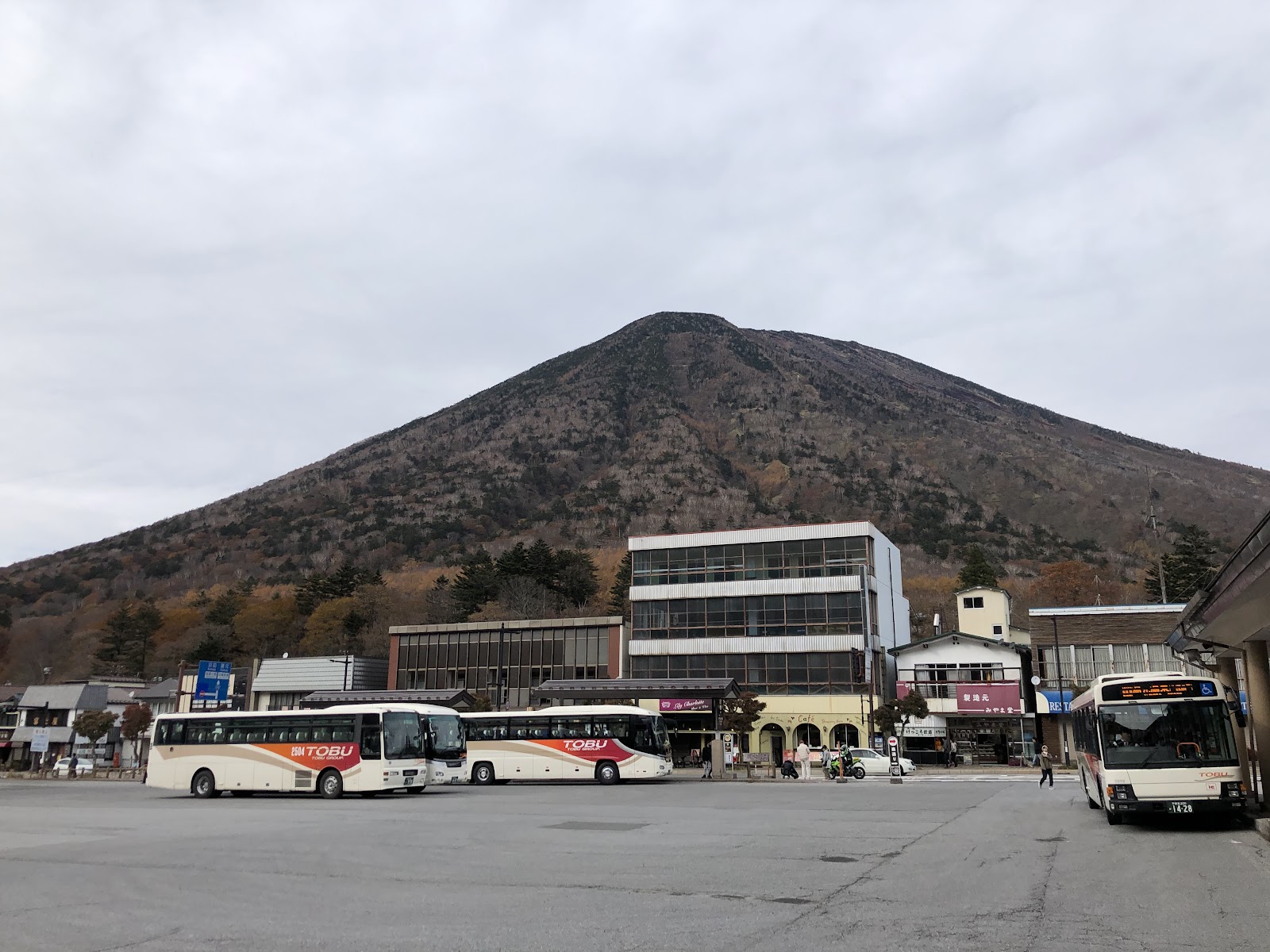
Getting there is straightforward but time it well. From Tobu-Nikko Station, Tobu buses bound for Chuzenji Onsen or Yumoto Onsen climb the famous Irohazaka road, a one-way spiral of twenty hairpin bends whose curves are lettered after the old Japanese syllabary. The ride takes about 45 minutes; from the Chuzenji Onsen stop the falls and elevator entrance are five minutes on foot. Go early in the day, especially in October, to reach the lower observatory before the tour coaches arrive and the light is still soft on the water.
A local's tip
Skip the free upper viewpoint and pay for the elevator to the lower observatory - it puts you level with the plunge pool where the 97 m column and the twelve side-cascades are most dramatic.
Best time to visit
Mid-October for autumn colours; early morning to beat tour buses
Getting there
From Tobu-Nikko Station take a Tobu bus bound for Chuzenji Onsen or Yumoto Onsen (about 45 minutes up the hairpin Irohazaka road) and alight at Chuzenji Onsen. The falls are a 5-minute walk. A paid elevator descends 100 m to the base-level observation deck.
Good to know
- Wi-Fi
- Parking
- Restrooms
Plan the whole trip offline
Kegon Falls is one of many places in the Real Japan app — with turn-by-turn directions, nearby spots and full offline maps you can use with no signal.