The historic 'horse return' point at the foot of the Irohazaka, gateway to the sacred mountains and a quiet forest viewpoint.
Umagaeshi sits at the foot of the Irohazaka, at the exact point where the gentle valley of Nikko gives way to the steep mountain climb toward Lake Chuzenji. Its name means "horse return," and it records a piece of old pilgrim history: in centuries past, travellers ascending to the sacred shrines and lake of Oku-Nikko had to leave their horses here, for the slope beyond was too severe for the animals, and continue the sacred ascent on foot. That threshold quality still clings to the place today.
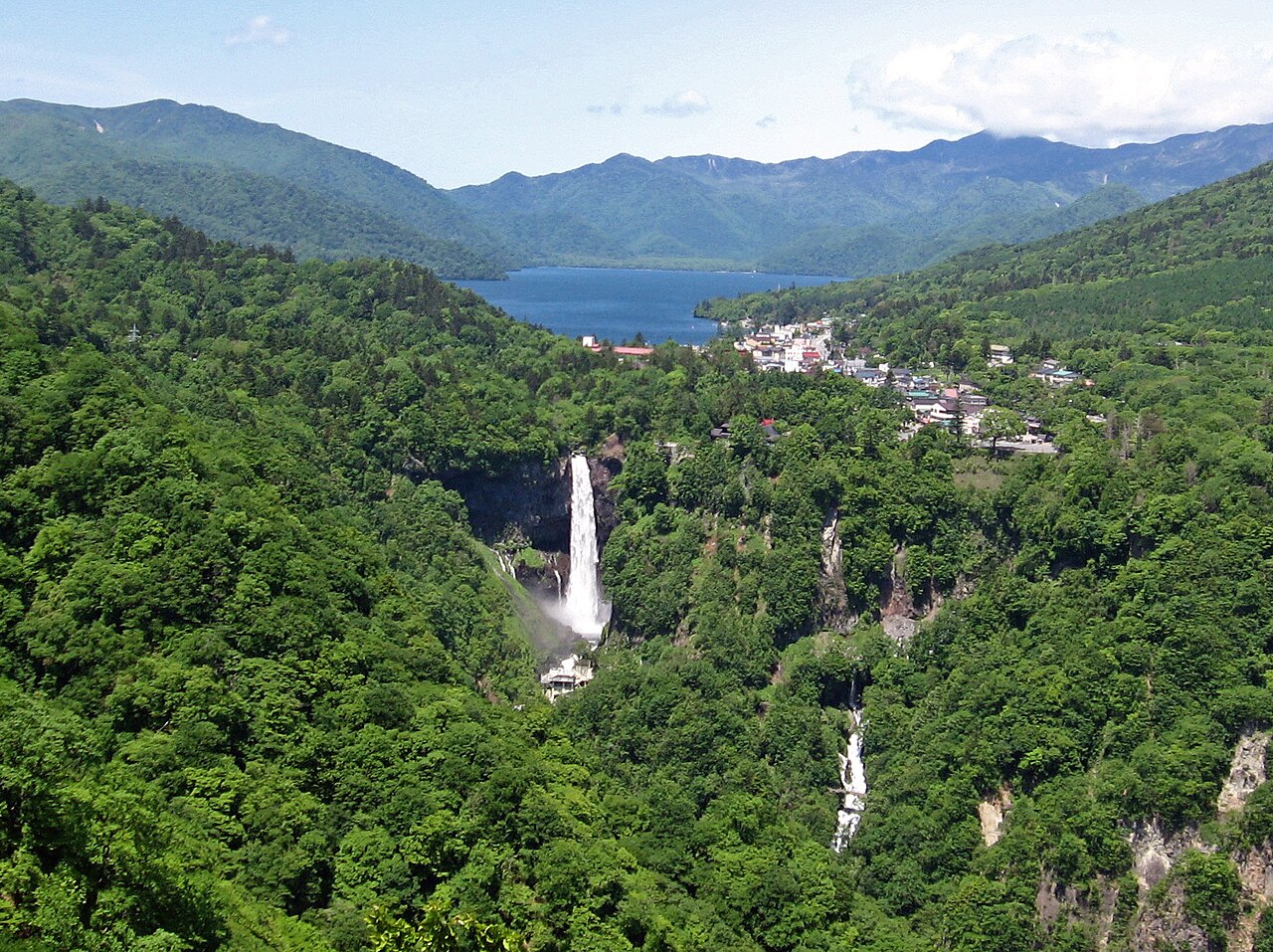
Standing at around 843 metres, Umagaeshi marks the boundary between the everyday world below and the holy highlands above, and it retains the atmosphere of a mountain gateway. The surrounding forest is quiet and cool, and short walking trails, remnants of the old pilgrim path, climb from here toward Akechidaira and the highland lake, offering glimpses back down the Daiya valley that the buses speeding up the modern road never pause to enjoy.
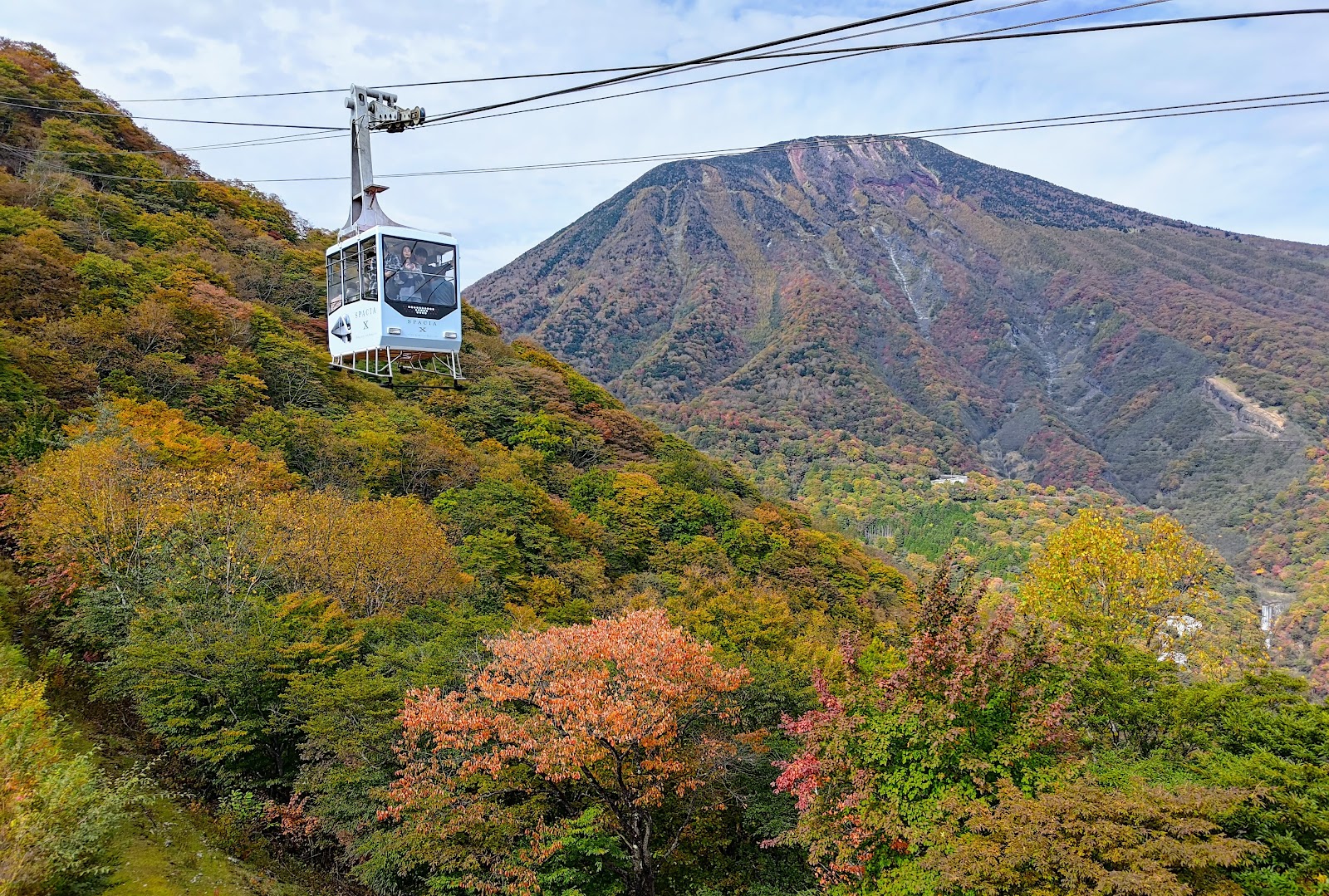
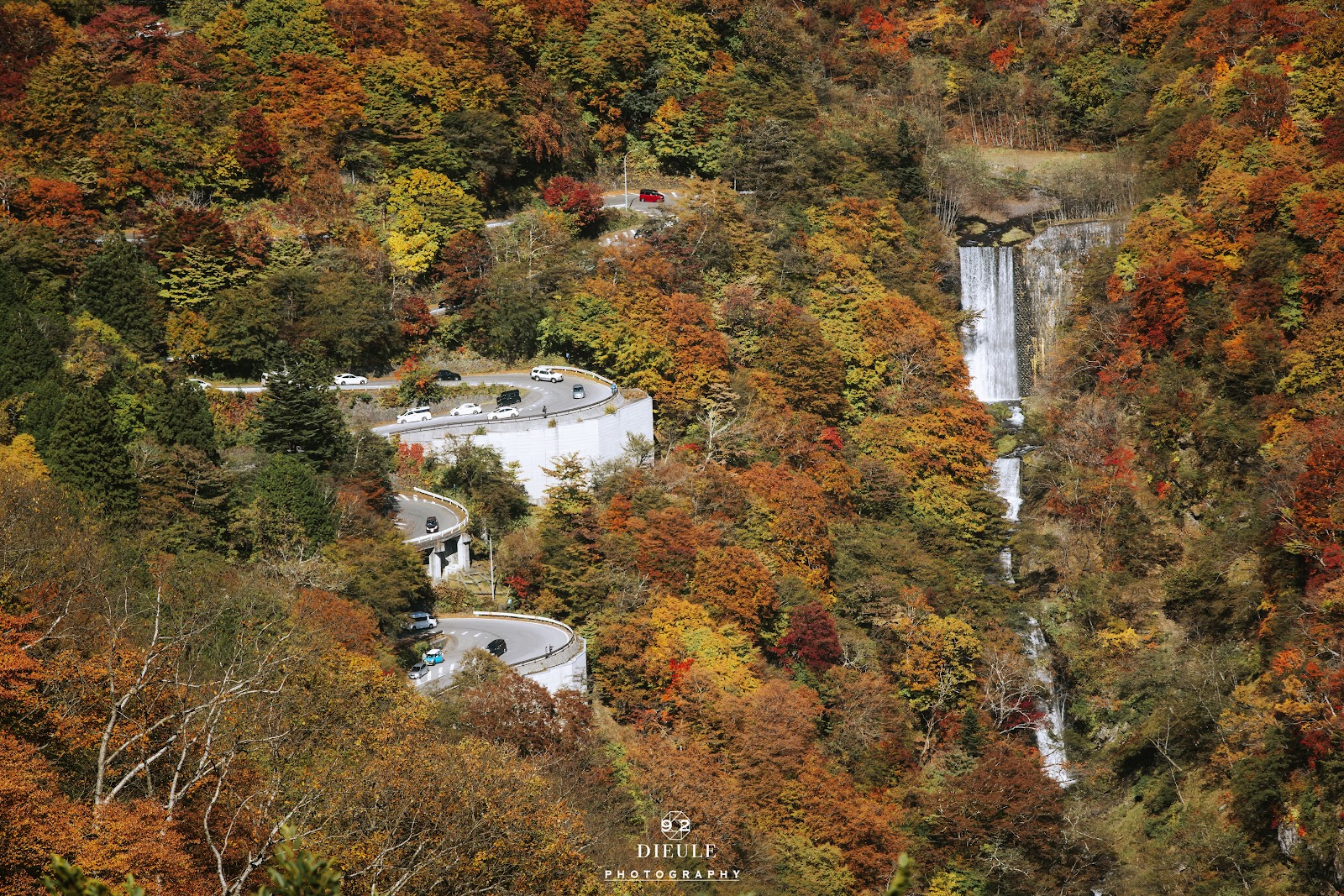
The spot is woven into the history of access to Oku-Nikko. In the twentieth century a cable car once ran from Umagaeshi up the mountainside, ferrying visitors toward Akechidaira before the modern Irohazaka roads made it obsolete; the line has long since closed, but Umagaeshi remains the symbolic and practical start of the climb. Today it is the point where National Route 120 begins its dramatic switchbacking ascent as the first Irohazaka, and the name lives on in the bus stop and the trailheads that gather here.
As a viewpoint, Umagaeshi is more intimate than the grand panoramas higher up, offering a forested, valley-edge outlook rather than a sweeping vista, but it comes into its own in autumn. Because it sits at the base of the 440-metre climb, the foliage here turns among the first and last along the Irohazaka, extending the colour season, and the mix of maple and cedar around the old gateway glows warmly from late October into November. In summer the shade and mountain air make it a cool, green pause on the way up to the lake.
For history-minded travellers and walkers, Umagaeshi is a rewarding stop precisely because it is so easy to overlook. Most visitors flash past on the bus without a thought, but stepping off here connects you to the centuries of pilgrims who once stood at this same spot, dismounted, and set their faces to the sacred climb. The trailheads invite even a short exploration of the old route, a chance to experience the mountains at walking pace as the pilgrims did.
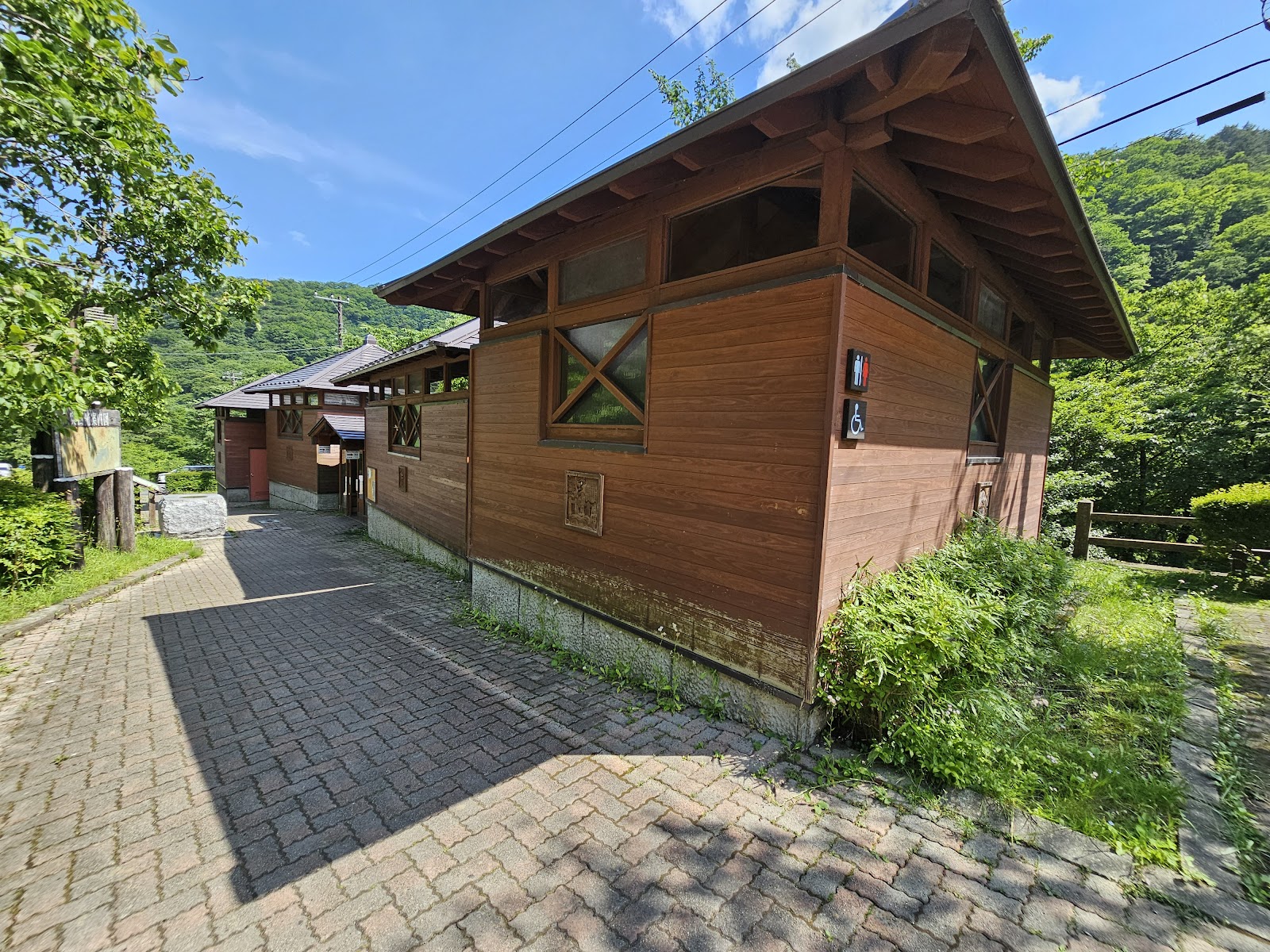
Reaching Umagaeshi is simple: Tobu buses from Nikko Station bound for Chuzenji Onsen and Yumoto Onsen stop here about thirty minutes out of town, at the foot of the switchbacks. There are restrooms and parking, but few other services, this is a gateway rather than a destination in itself. Pair it with a ride up the Irohazaka and the ropeway at Akechidaira for a journey that traces, in reverse and at speed, the very ascent that once demanded pilgrims leave their horses behind and climb on foot into the holy mountains.
A local's tip
Umagaeshi is the trailhead for the old walking path up to Akechidaira; even a short stretch of the historic pilgrim route rewards you with quiet forest and valley glimpses the buses rush past.
Best time to visit
Late October to early November for the start of the Irohazaka foliage
Getting there
Take a Tobu bus from Nikko Station toward Chuzenji Onsen and alight at the Umagaeshi stop, about 30 minutes, at the foot of the first Irohazaka where the mountain climb begins.
Good to know
- Shops
- Parking
- Restrooms
Plan the whole trip offline
Umagaeshi is one of many places in the Real Japan app — with turn-by-turn directions, nearby spots and full offline maps you can use with no signal.