A museum in the ancient Inaba capital celebrating poet-governor Otomo no Yakamochi and the Manyoshu anthology.
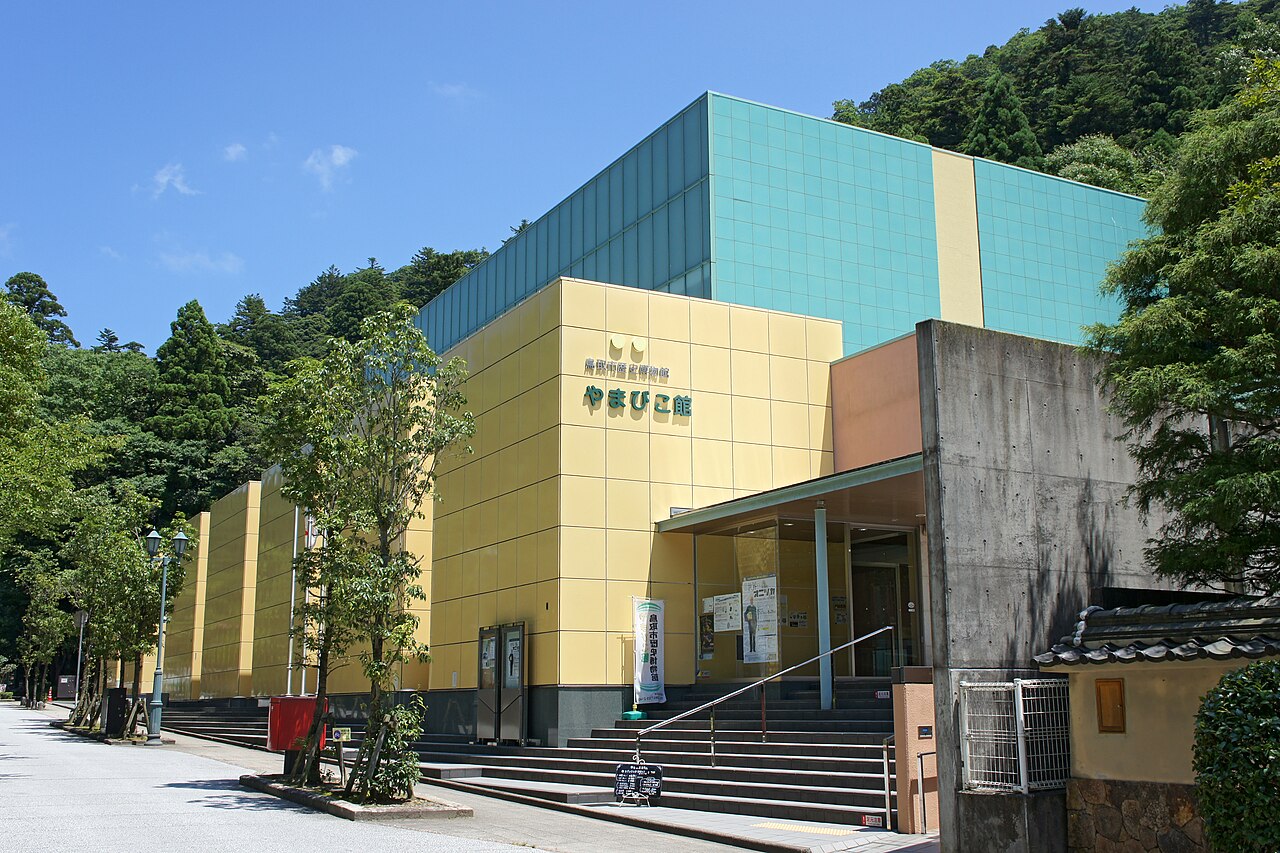
The Inaba Manyo Historical Museum sits in Kokufu-cho, a quiet district southeast of central Tottori whose name literally means provincial capital, because this is where the government of ancient Inaba Province once stood. The museum exists to honour a single luminous connection: the great poet and courtier Otomo no Yakamochi, chief compiler of the Manyoshu, Japan's oldest surviving anthology of poetry, served here as provincial governor. The very last poem in that eighth-century collection was composed by Yakamochi in Inaba on New Year's Day of 759, and the museum builds an entire experience around that closing verse and the world that produced it.
Inside, exhibits introduce the Manyoshu itself, a monumental anthology of more than 4,500 poems written by everyone from emperors to frontier guards and farmers, prized for its directness and emotional honesty. Displays explain how the poems were recorded in an ingenious early script, what daily life and government looked like in the Nara period, and how Yakamochi's career carried him from the capital to remote provinces like Inaba. Reproductions, models and illustrated panels make an ancient literary tradition approachable even for visitors who have never read a line of classical Japanese verse.
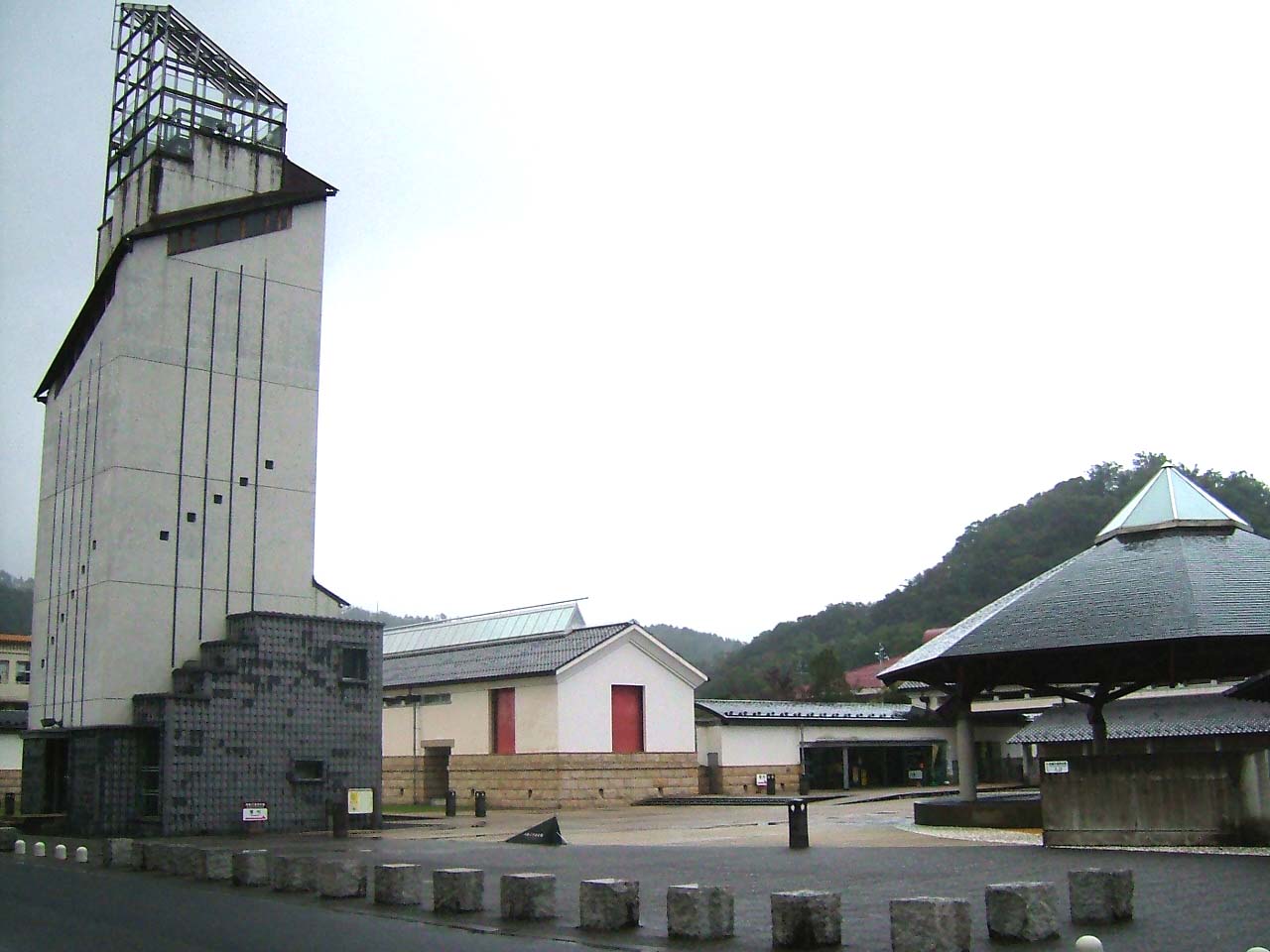
The building is architecturally distinctive, crowned by a tall observation tower that has become a local landmark. Climbing it rewards you with a sweeping view across the Kokufu plain, the same landscape Yakamochi would have governed and written about, ringed by mountains and threaded by rivers. Standing there, with the poet's final New Year poem in mind, it is easy to feel the long continuity between the ancient administrators of Inaba and the fields still farmed below.
Beyond the permanent galleries, the museum functions as a cultural centre for the district. The landscaped grounds host seasonal events, including atmospheric evening illuminations that draw local families, and there are spaces for calligraphy, poetry readings and workshops that keep the Manyo spirit alive as a living practice rather than a dusty relic. Cherry blossom in spring and coloured leaves in autumn make the setting especially photogenic.
Practically, the museum is a little way out of the city, so most visitors arrive by taxi or local bus, and drivers will find easy parking. English materials are limited, which means some of the finer literary points require a translation app or prior reading, but the observation tower, the models of Nara-period life and the tranquil grounds have plenty of visual appeal on their own.
For travellers with an interest in Japanese literature, history or the roots of the country's poetic tradition, the Inaba Manyo Historical Museum offers something rare: a chance to stand in the actual place where a foundational work of national culture was sealed. Paired with Tottori's better-known natural attractions, it adds a thoughtful, contemplative note to a visit and connects the region to the very origins of Japanese verse.
A local's tip
Climb the tower for a view over the old provincial capital plain, then time a visit to catch one of the seasonal light-up events in the grounds.
Best time to visit
Year-round; evenings during summer illumination events
Getting there
About 15 minutes by taxi or local bus southeast of Tottori Station to the Kokufu-cho district, the site of the ancient Inaba provincial capital.
Good to know
- Cafe
- Parking
- Restrooms
Plan the whole trip offline
Inaba Manyo Historical Museum is one of many places in the Real Japan app — with turn-by-turn directions, nearby spots and full offline maps you can use with no signal.