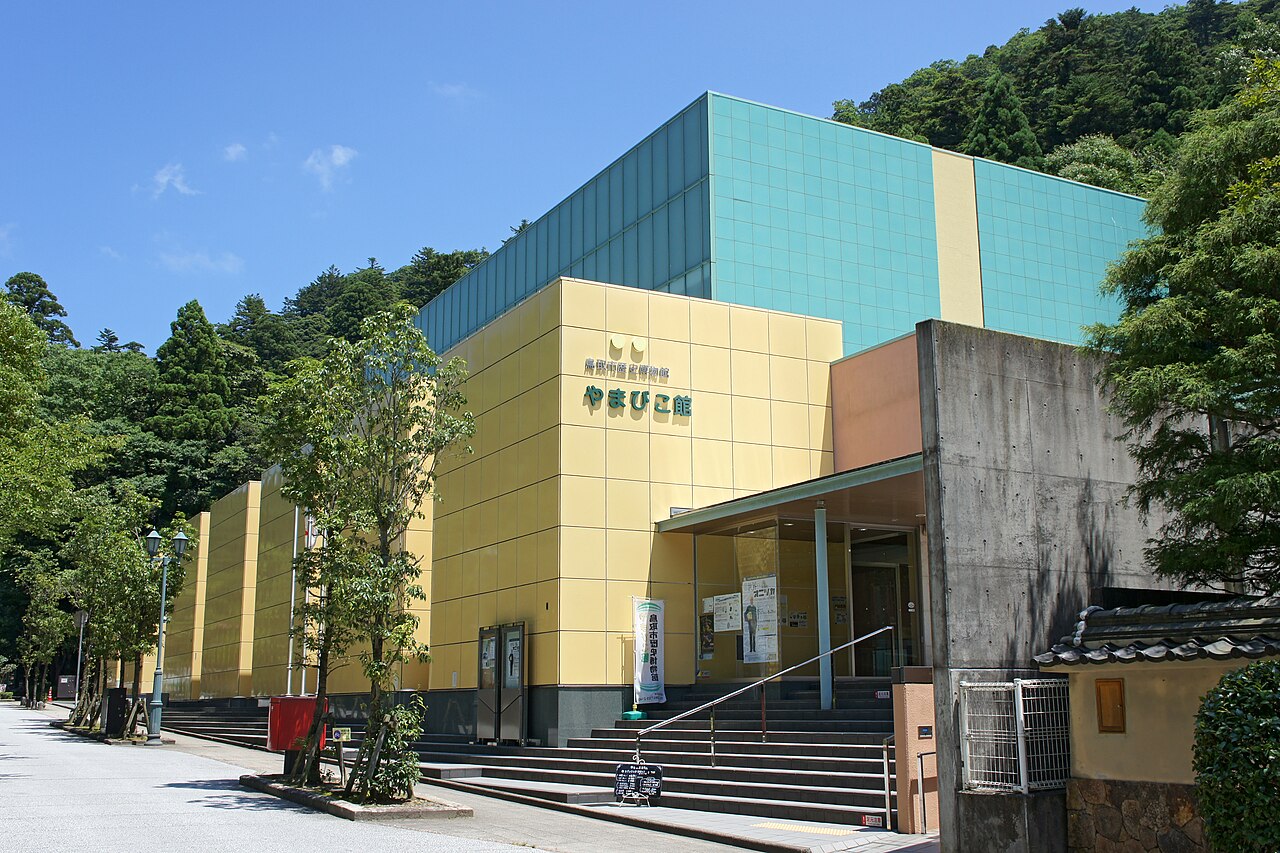
Tottori's city museum, nicknamed Yamabiko-kan, tells the story of the castle town and the Ikeda daimyo through documents, armour and reconstructed streets.
The Tottori City Historical Museum, affectionately known as Yamabiko-kan, is the best single place to understand how the modern city grew out of a feudal castle town. It stands at the foot of Kyusho-zan, the wooded hill crowned by the ruins of Tottori Castle, and treats that castle as the spine of its story. Rather than presenting history as a row of glass cases, the museum walks you chronologically from the region's earliest settlements through the long rule of the Ikeda clan, who governed the 325,000-koku Tottori Domain for more than two centuries until the Meiji Restoration.
The permanent galleries lean on original documents, maps and everyday objects to show what life was like inside a castle town: the class geography of samurai, merchant and artisan districts; the tools of trade and farming; and the festivals that still shape the city's calendar today. A favourite with visitors is the partial reconstruction of an old townscape, where shopfronts and interiors are rebuilt at full scale so you can step off a modern floor and into an Edo-period street. Seasonal special exhibitions dig into narrower themes, from local ceramics and folk religion to the hardships of the wartime years and the great 1943 earthquake and 1952 fire that repeatedly forced Tottori to rebuild itself.
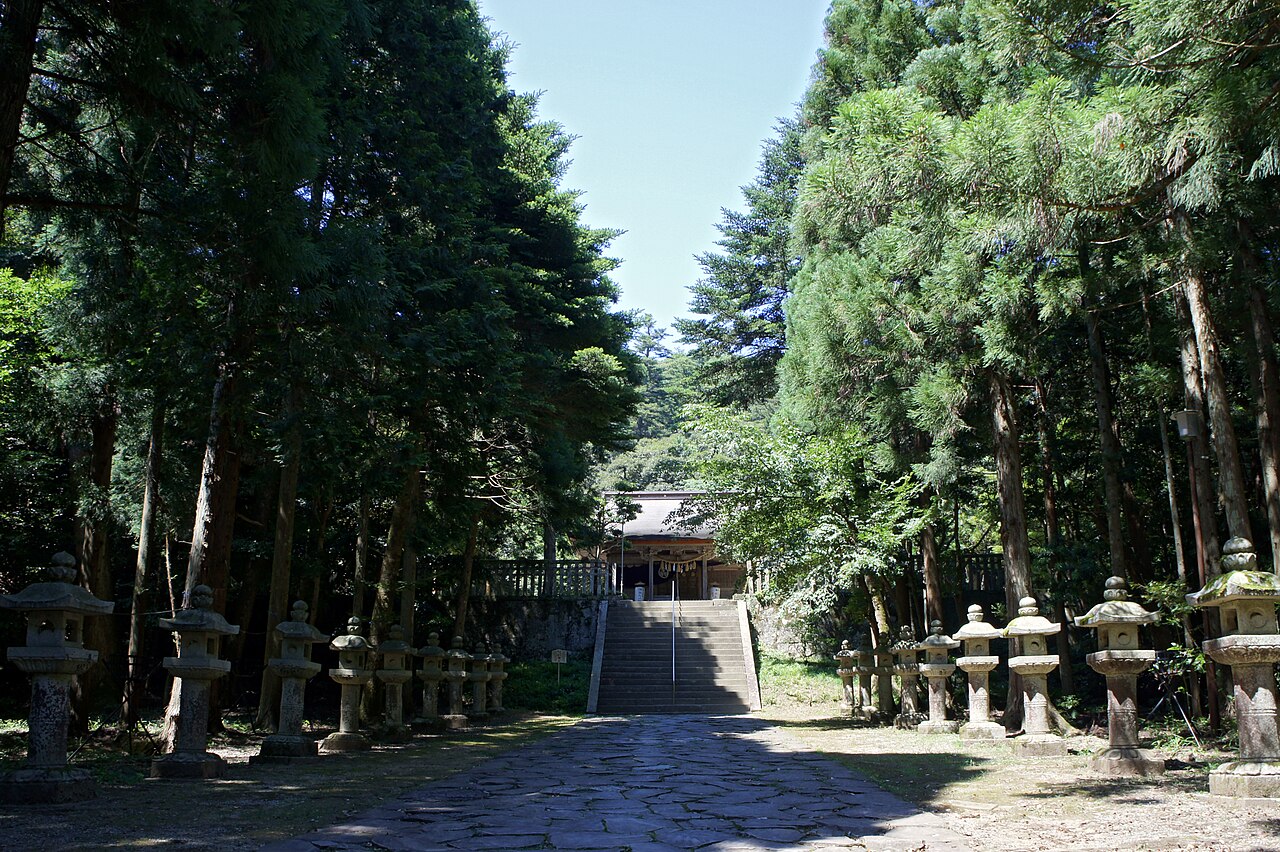
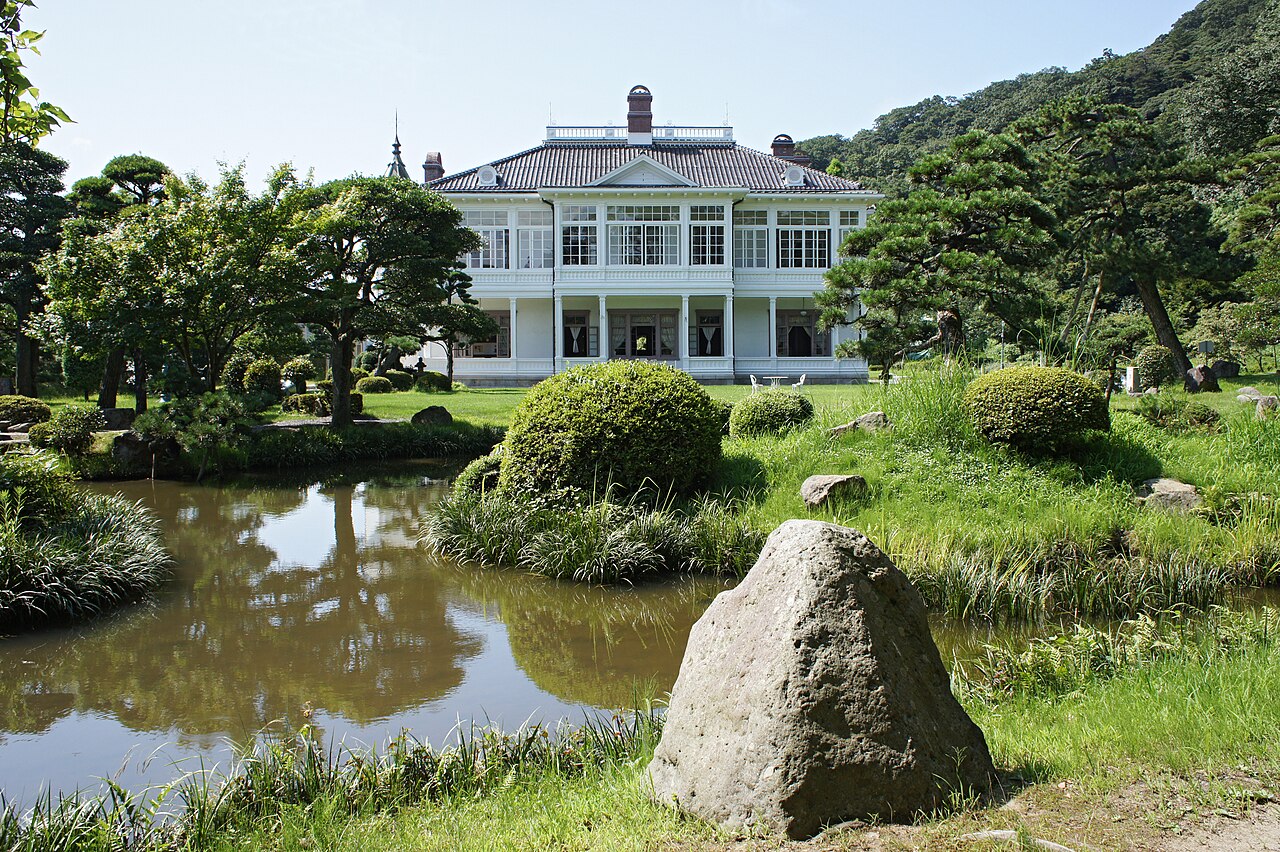
What makes the museum genuinely worth the detour is its setting. It is embedded in the green belt of Uenokoen and Kannon-in, so a visit naturally extends into a wider historical stroll. A few minutes on foot bring you to the beautifully preserved Kannon-in Garden, a nationally designated scenic pond garden, and to the stone walls and moat of Tottori Castle itself, where in 1581 Toyotomi Hideyoshi conducted one of Japanese history's most notorious sieges by starvation. Seeing the artefacts first and then the real ground they describe gives the whole area far more meaning.
The building is modern, calm and rarely crowded, which means you can take your time with the English-supported panels and the hands-on corners aimed at children. Displays on the region's flooding, fires and reconstruction quietly explain why so little of the original wooden town survives, and why places like this museum matter for keeping that memory alive.
Getting there is easiest by the city's Kururi loop bus from Tottori Station, or a short taxi ride; drivers will find free parking on site. Allow around 75 minutes for the museum alone, or half a day if you fold in the garden and castle ruins. Come in spring when the surrounding park fills with cherry blossom, or in autumn when the hillside behind the museum turns red and gold, and the walk between the exhibits and the ruins becomes as memorable as the collection itself.
A local's tip
Combine it with the neighbouring Kannon-in Garden and the castle ruins for a half-day of samurai-era Tottori in one compact area.
Best time to visit
Year-round; spring for cherry blossoms nearby
Getting there
From Tottori Station take the Kururi loop bus or a 10-minute taxi toward Kannon-in/Uenokoen; the museum sits below Kyusho-zan hill near Tottori Castle Park.
Good to know
- Wi-Fi
- Parking
- Restrooms
Plan the whole trip offline
Tottori City Historical Museum is one of many places in the Real Japan app — with turn-by-turn directions, nearby spots and full offline maps you can use with no signal.