A 17th-century Tosho-gu shrine to Tokugawa Ieyasu in the forested Ochidani valley, with buildings designated Important Cultural Properties.
Tottori Tosho-gu, historically known as Ochidani Shrine, is the city's most important Shinto monument and a beautifully preserved piece of early Edo-period architecture hidden in a wooded valley northeast of the castle. It was founded in 1650 by Ikeda Mitsunaka, the young lord of the Tottori Domain, who like daimyo across Japan sought to bind his house to the prestige of the Tokugawa by enshrining the deified spirit of Tokugawa Ieyasu, founder of the shogunate and Mitsunaka's own great-grandfather. The shrine is, in effect, Tottori's local branch of the grand Tosho-gu network whose most famous member is the lavish complex at Nikko.
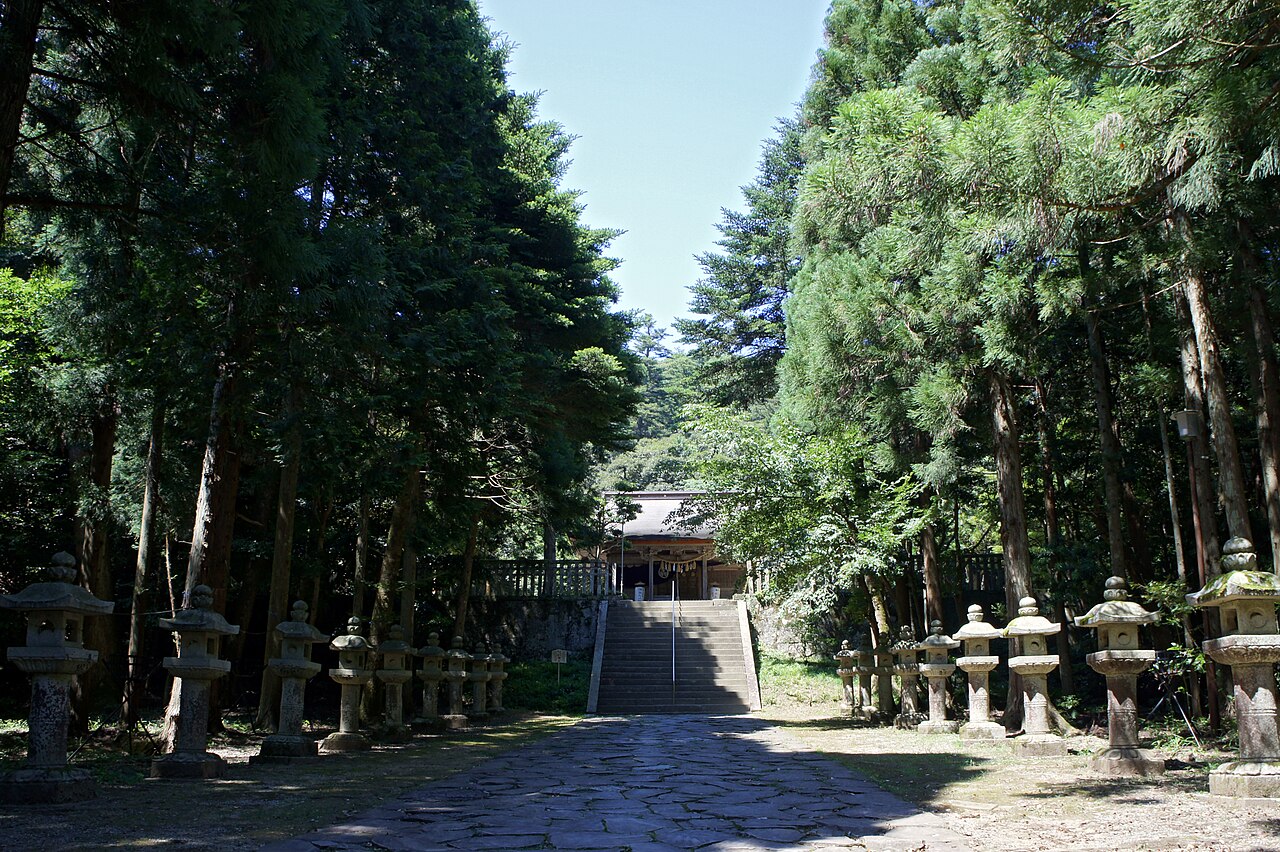
While more restrained than Nikko, the Tottori shrine is a genuine architectural treasure. Its main hall, offering hall, worship hall and gate survive from the original 1650 construction and are designated Important Cultural Properties of Japan, showing the dignified, carefully proportioned style of the period. Set against dark cedar forest and approached across a stone bridge and up a stately stone stairway, the vermilion and weathered-wood structures have a quiet, ceremonial gravity that rewards slow looking. Carved details, metal fittings and the layered roofs repay a closer inspection than the shrine's peaceful obscurity might first suggest.
The setting is as much a draw as the buildings. The shrine sits within Ochidani Park, a green ribbon following a famously clear mountain stream. In spring the valley is soft with fresh leaves and cherry blossom; in early summer it becomes one of the region's best-known spots for watching fireflies dance over the water at dusk; and in autumn the maples turn the whole ravine to red and gold. Because it lies a little away from the city centre, the atmosphere is contemplative and uncrowded, a true local sanctuary rather than a tourist conveyor belt.
Historically, the shrine is a window onto how power worked in Tokugawa Japan. By venerating Ieyasu, the Ikeda lords advertised their loyalty and their bloodline connection to the ruling dynasty, reinforcing their legitimacy over a large and prosperous domain. Walking its grounds, you are standing at a point where local pride and national politics were deliberately fused in wood, stone and ritual.
Admission is free and the grounds are always accessible, making the shrine an easy and rewarding addition to a day exploring Tottori's samurai-era heritage. It pairs naturally with the nearby castle ruins, the city historical museum and the Kannon-in Garden, all clustered around the same green hills, so you can move from feudal fortress to daimyo garden to Tokugawa shrine in a single unhurried outing.
Reach it by taxi or the city loop bus from Tottori Station, allowing around 45 minutes to an hour to appreciate the buildings and stroll the surrounding park. English information is sparse, so a little background beforehand helps, but the combination of important early-Edo architecture and a serene forest valley speaks clearly to anyone who makes the short trip out to Ochidani.
A local's tip
Come at dusk in early summer, when the clear stream running through Ochidani Park below the shrine is famous for its fireflies.
Best time to visit
Spring for fireflies and greenery; autumn for foliage
Getting there
About 10 minutes by taxi or the Kururi loop bus from Tottori Station to the wooded Ochidani valley northeast of the castle ruins.
Good to know
- Parking
- Restrooms
Plan the whole trip offline
Tottori Tosho-gu is one of many places in the Real Japan app — with turn-by-turn directions, nearby spots and full offline maps you can use with no signal.