A seaside district shaped by decades of American occupation, now blending retro Stateside style, big shopping centres and the classical Sankeien Garden nearby.
Honmoku is a coastal district in the south-east of central Yokohama with a distinctive and slightly unexpected character, born of a history quite different from the treaty-port core. While Kannai and Yamate tell the story of nineteenth-century foreign trade, Honmoku's modern identity was forged in the twentieth century by a long American military presence, and traces of that Stateside influence still colour the neighbourhood today.
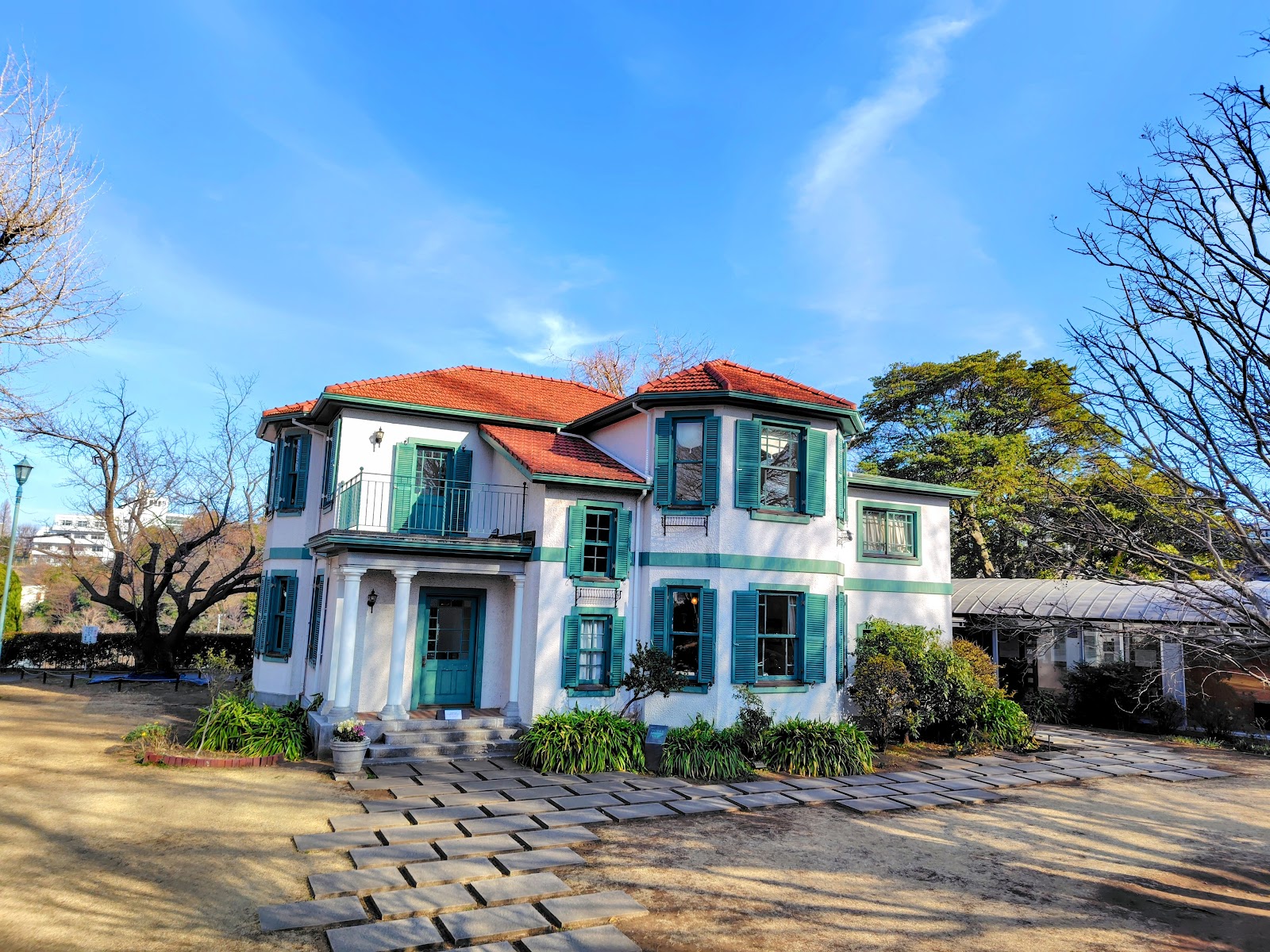
After the Second World War, a large swathe of Honmoku was requisitioned to build housing for United States military families, and for decades the area was effectively a piece of suburban America transplanted onto the Japanese coast, complete with detached houses, lawns and imported goods. When the land was finally returned to Japan in the early 1980s, it was redeveloped, but the cultural residue remained. Even now Honmoku carries a faint retro-American flavour, visible in its vintage clothing stores, diner-style eateries, import shops and a certain low-slung, car-oriented layout unusual for a Japanese city district. For fans of Americana and mid-century nostalgia, it is a curious and enjoyable place to browse.
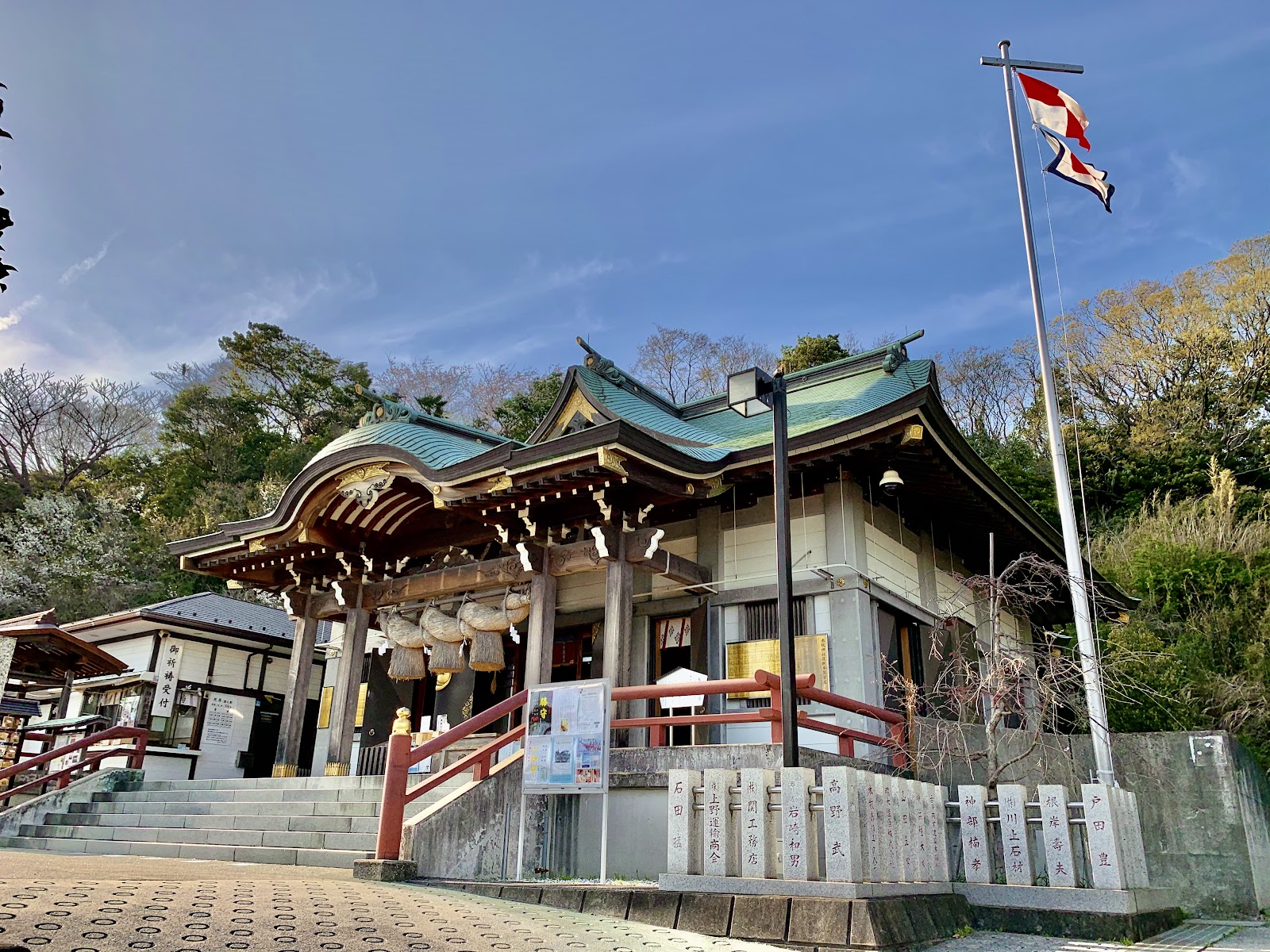
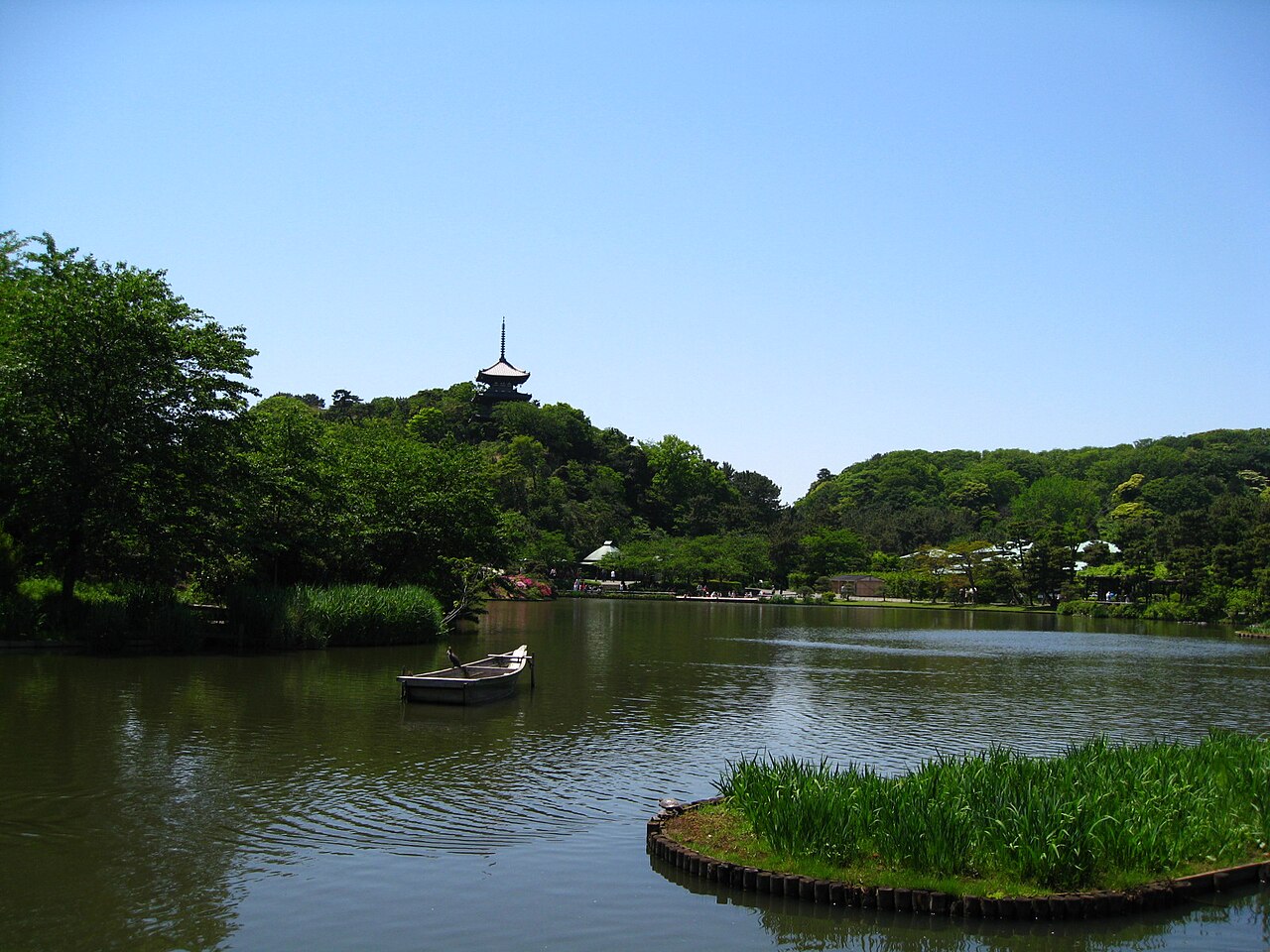
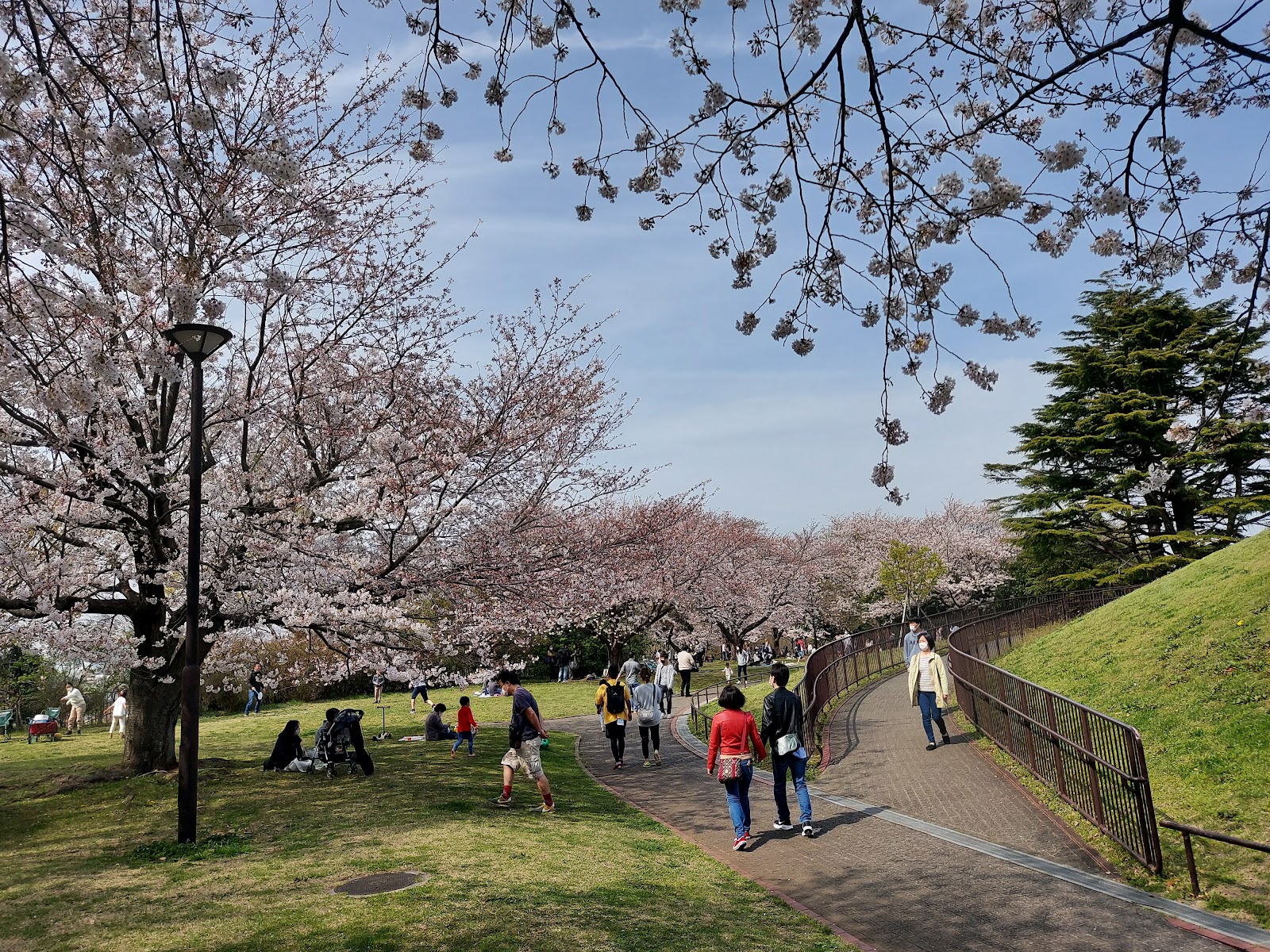
Modern Honmoku is largely a comfortable residential and shopping district. Large shopping centres and homeware stores make it a practical destination for locals, and its wide streets and seaside setting give it an airy, suburban feel. But the district's real crown jewel sits at its northern edge: Sankeien, one of the finest classical Japanese landscape gardens in the country. Created by a wealthy silk merchant in the early twentieth century, Sankeien gathers historic buildings — a three-storey pagoda, teahouses and villas relocated from Kyoto and Kamakura — around ponds and streams, and is spectacular in plum, cherry and autumn-maple seasons. Nearby, the leafy expanse of Honmoku Sancho Park and the coastal green spaces add further reasons to linger.
For the traveller, Honmoku is best understood as a change of pace rather than a headline sight. It rewards those who enjoy reading a city's layered history in its streetscape and who like exploring neighbourhoods that ordinary residents actually use. A satisfying visit might combine a wander through its retro-tinged shopping streets with a leisurely couple of hours in Sankeien Garden, ending with a stroll along the reclaimed seafront.
The main practical wrinkle is access. Honmoku is the rare central Yokohama district with no train station of its own, a legacy of its car-centric American-era development. Most visitors reach it by bus from Yokohama, Sakuragicho or Negishi stations, or on foot in about twenty minutes from Negishi Station on the JR Negishi Line. Once there, the terrain is flat and easy to walk. Come in spring or autumn to catch Sankeien at its most beautiful, and treat Honmoku as an intriguing footnote to Yokohama's better-known international story.
A local's tip
Look for the lingering American influence in vintage clothing shops and diners — a hangover from the decades when a huge U.S. military housing area occupied the district after the war.
Best time to visit
Weekend afternoons for the shopping and Americana vibe
Getting there
Honmoku has no station of its own; take a bus from Yokohama, Sakuragicho or Negishi stations toward Honmoku, or walk about 20 minutes from Negishi Station on the JR Negishi Line.
Good to know
- Wi-Fi
- Gardens
- Shopping
- Restrooms
Plan the whole trip offline
Honmoku District is one of many places in the Real Japan app — with turn-by-turn directions, nearby spots and full offline maps you can use with no signal.