A historic guardian shrine of the Honmoku district, known for its ancient masked Otenno summer festival.
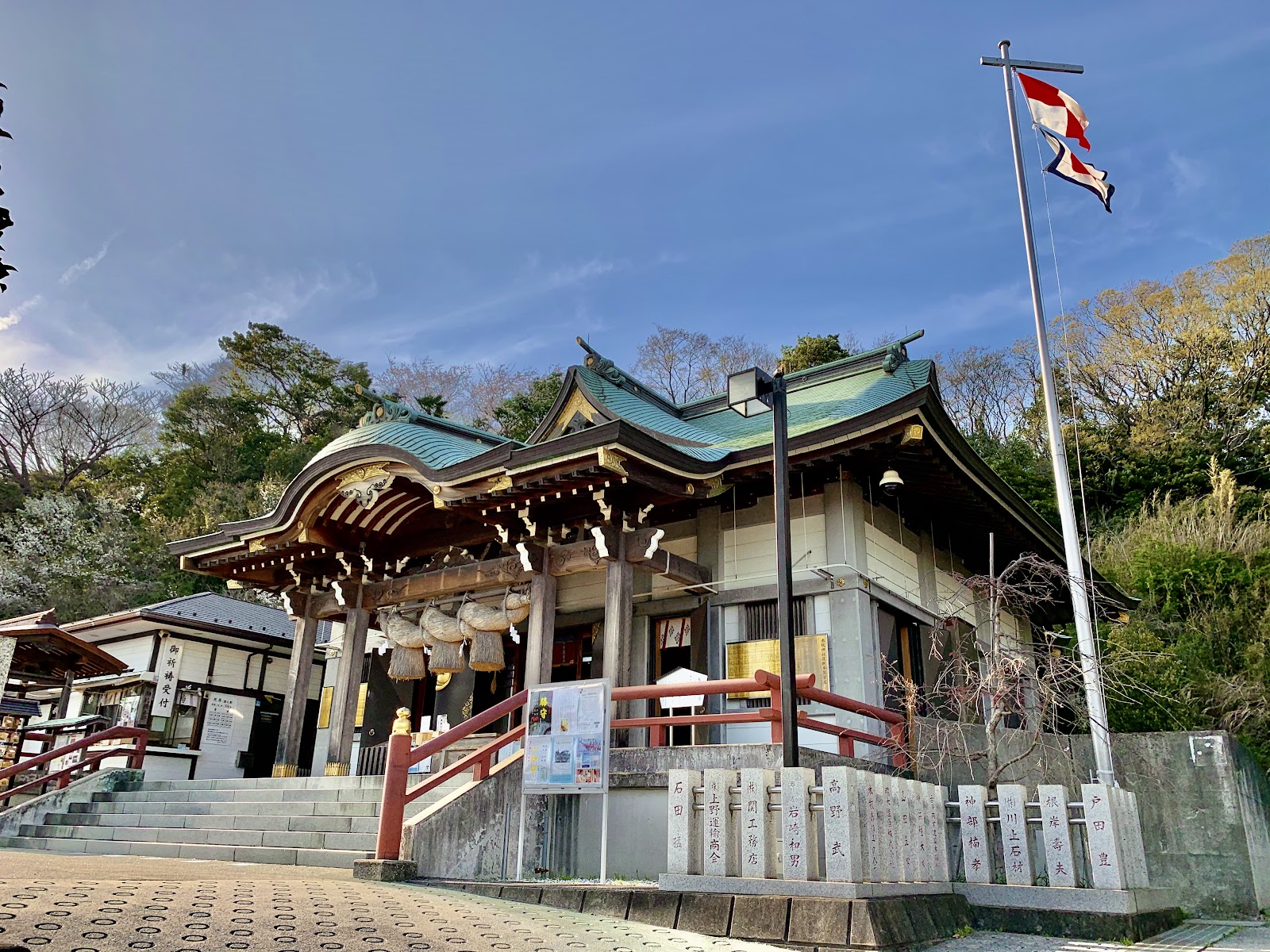
Honmoku Shrine (本牧神社, Honmoku Jinja) is the guardian shrine of Yokohama's Honmoku district, a coastal neighbourhood south of the harbour that was once a cluster of fishing villages and, after the war, home to a large American naval housing area. The shrine's long history and its vivid folk festival make it one of the most characterful of Yokohama's local sanctuaries — a place with deep roots that most foreign visitors never reach.
The shrine traces its origins back to the Kamakura period, some eight centuries ago, when it was established to protect the fishing communities of the Honmoku shore and ensure safe passage and good catches. For generations it stood on a small island-like promontory just offshore, reached at low tide — a dramatic setting that made it a beloved local landmark. Land reclamation in the 20th century filled in the surrounding sea, and the shrine was eventually rebuilt on its present inland site, but the community's devotion never wavered.
Honmoku Shrine's signature is the Otenno festival (お馬流し, Ouma-nagashi), held each August and counted among the oldest continuously observed rituals in the Yokohama area, with a documented history stretching back roughly 450 years. Its centrepiece is a set of six grotesque straw effigies with the heads of horses and the bodies of serpents — the 'Oma-sama' — which are paraded through the district to absorb the community's misfortunes and disease before being floated out to sea and released, carrying away all ill fortune with the tide. The masked, straw-bodied figures are genuinely striking, and the ritual's blend of solemnity and folk theatre draws crowds and photographers each summer.
The present shrine buildings, rebuilt in the modern era, are relatively plain, but the precinct has a warm, lived-in neighbourhood feel: local families come for New Year prayers, Shichi-Go-San blessings for their children in November, and the summer festival. The shrine office sells distinctive omamori and goshuin, and the grounds are pleasant to wander, with the quiet dignity of a place that belongs to its community rather than to tourism.
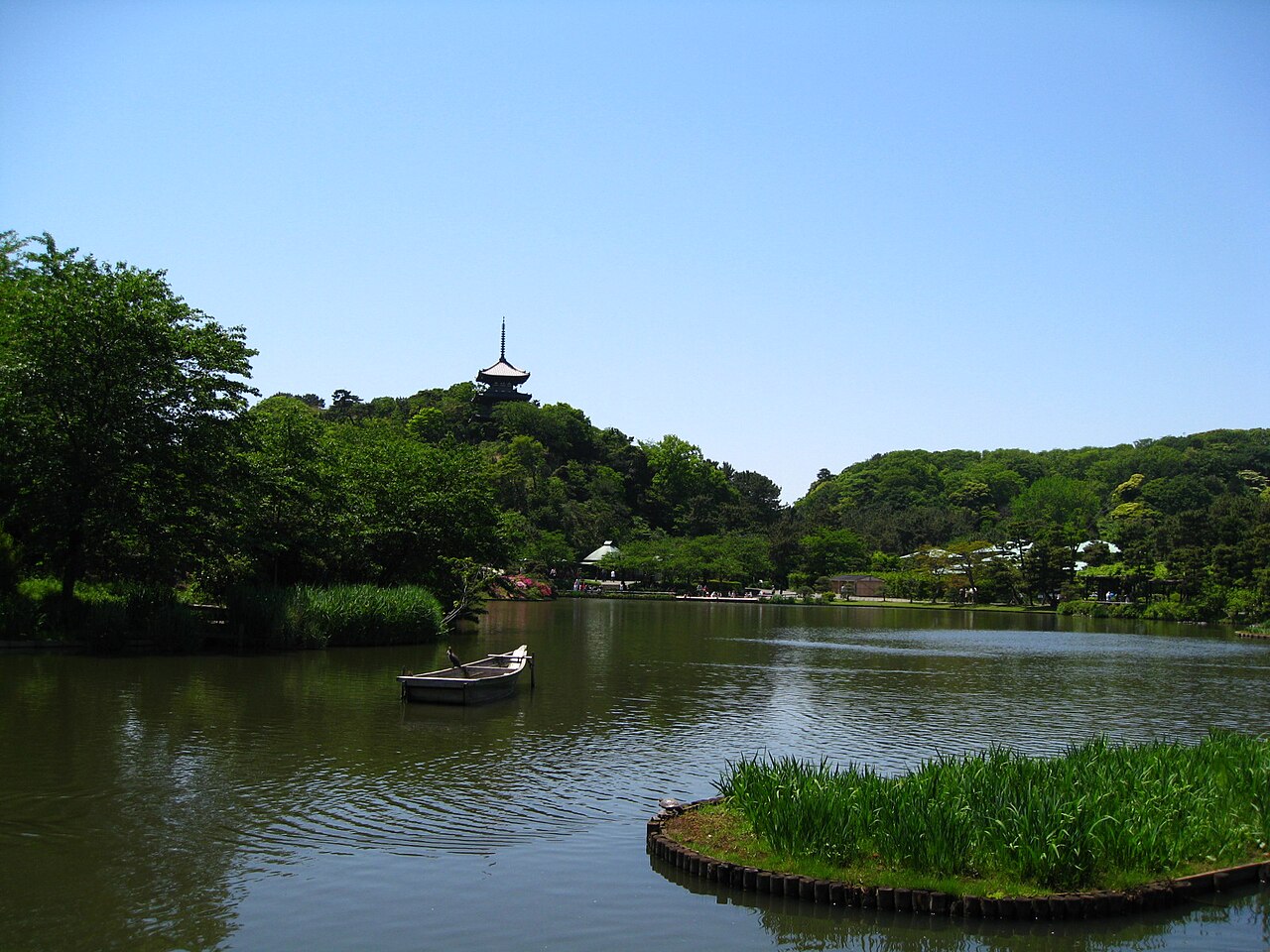
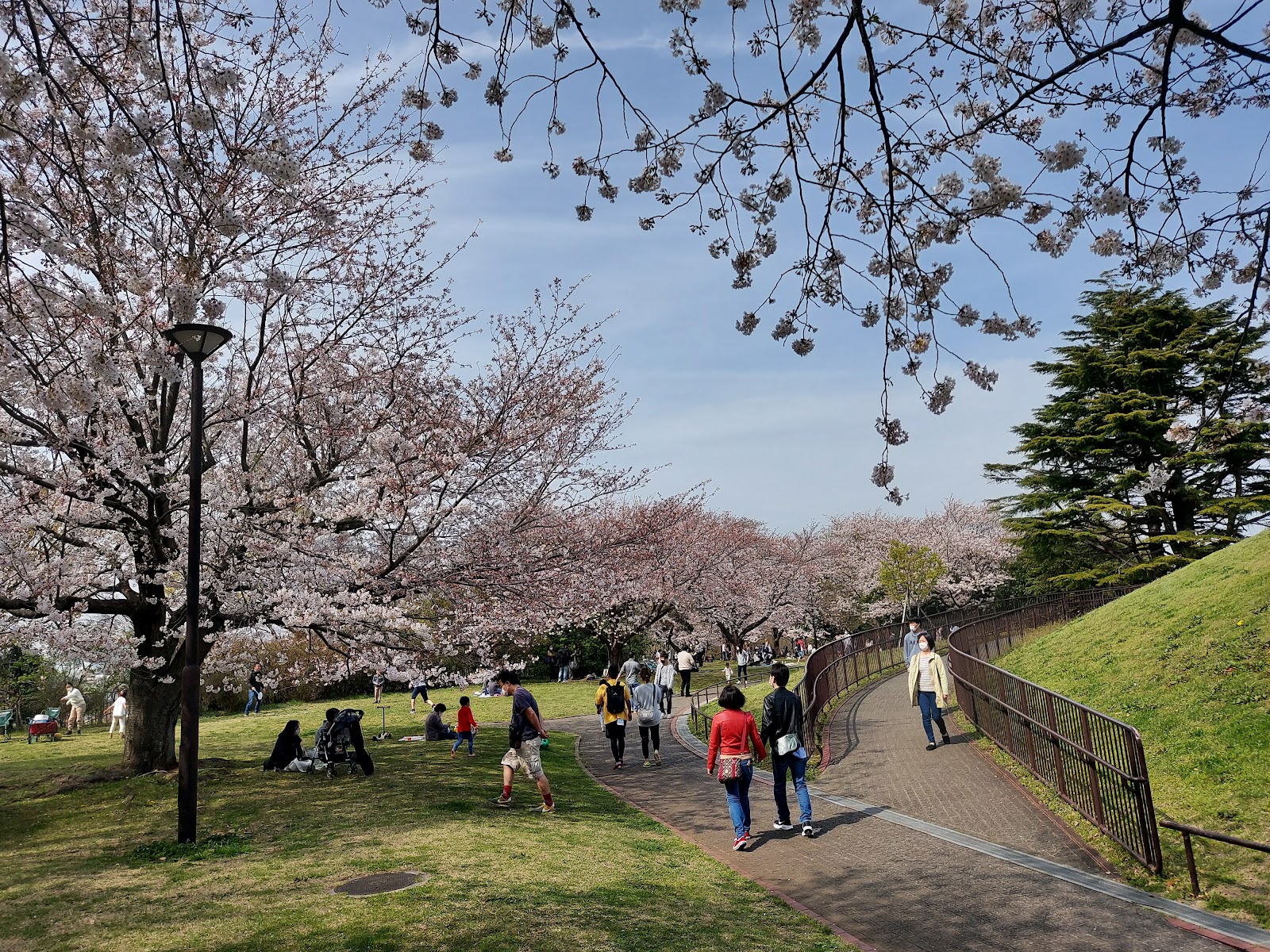
Honmoku itself repays a little exploration — nearby are the sprawling Honmoku Sancho Park, the celebrated Sankeien garden a short distance away, and the Hasseiden hill with its octagonal hall, so the shrine pairs naturally with a half-day in the district. There are no train stations right beside it; the practical approach is a short city bus ride from JR Negishi Station (Negishi Line, Japan Rail Pass covered) or from Sakuragichō or Yokohama stations toward Honmoku, alighting near the Honmoku Shrine stop, or a twenty-minute walk from Negishi.
Allow around half an hour to visit — longer if a festival or ceremony is underway. Honmoku Shrine won't dazzle with grand architecture, but it offers something rarer: an authentic slice of old maritime Yokohama, still keeping a 450-year-old ritual alive by the sea.
A local's tip
Look for the fearsome straw 'Oma-sama' masks that give the shrine its character — if you time your visit to the mid-August Otenno festival you'll see the masked figures parade, one of Yokohama's oldest surviving folk rituals.
Best time to visit
Mid-August (Otenno festival) or early morning
Getting there
From JR Negishi Station take a bus toward Honmoku (5-10 min) and walk, or a 20-minute walk; several city buses from Sakuragichō and Yokohama stations stop near Honmoku Shrine-mae.
Good to know
- Parking
- Restrooms
- Omamori charms
Plan the whole trip offline
Honmoku Shrine is one of many places in the Real Japan app — with turn-by-turn directions, nearby spots and full offline maps you can use with no signal.