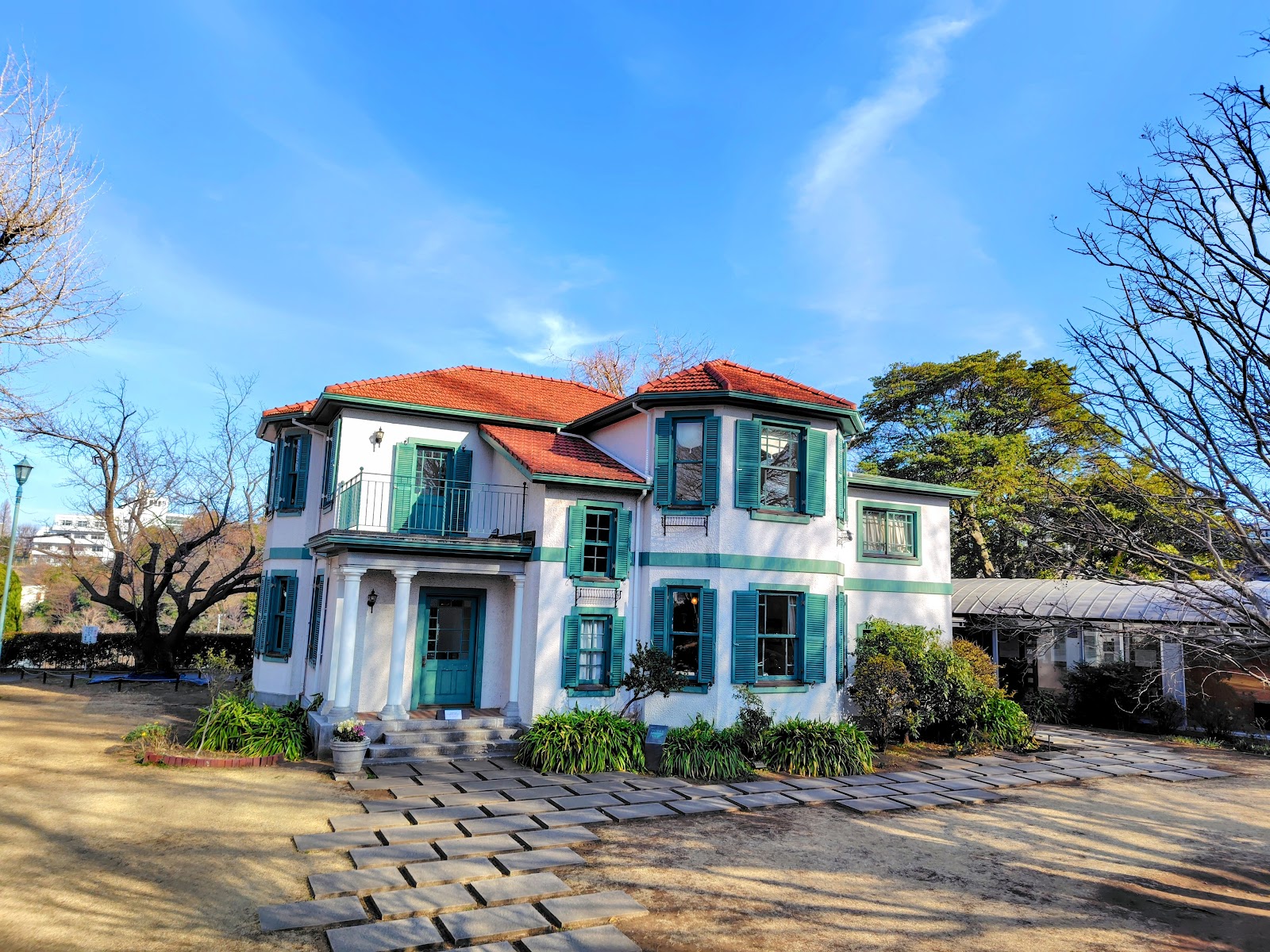
A post-earthquake Bluff residence, relocated to the Yamate Italian Garden and open free to visitors.
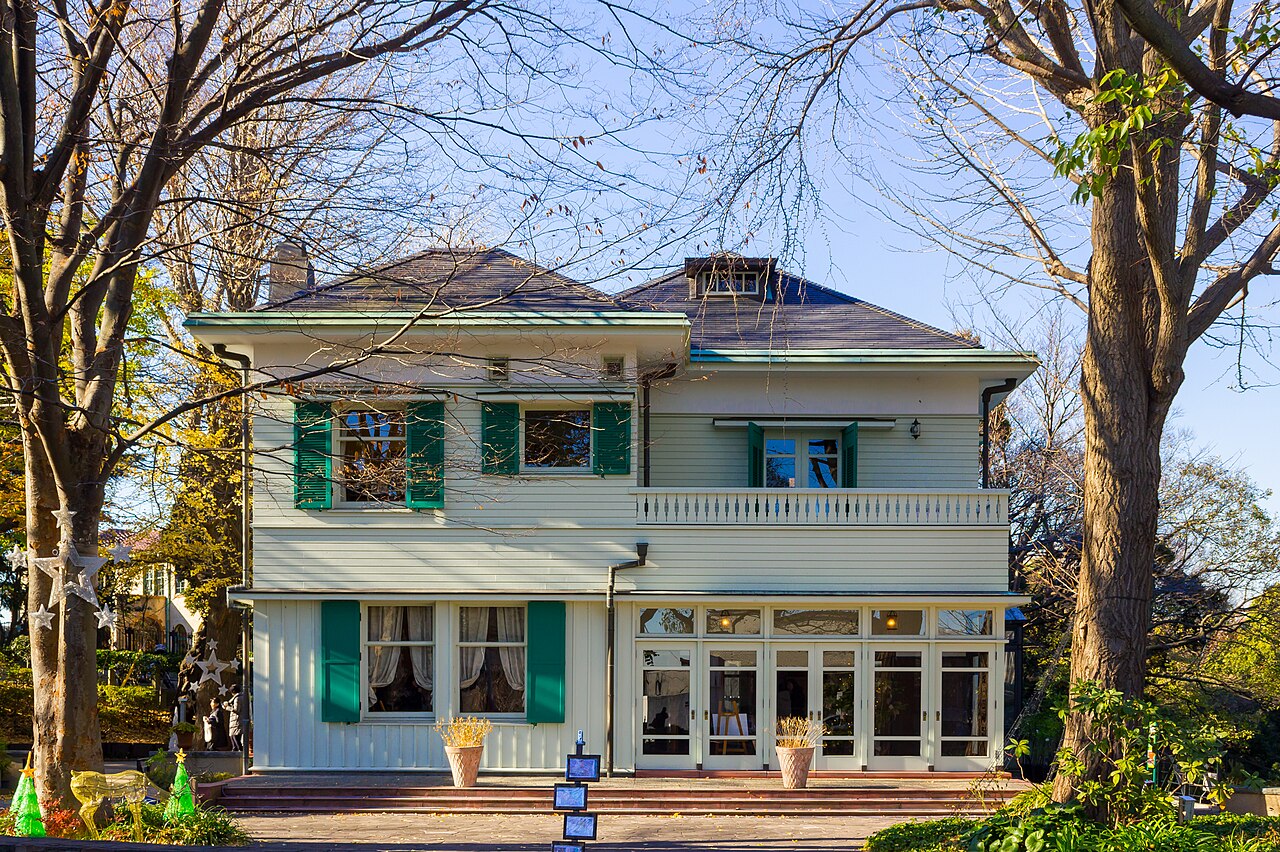
Bluff No. 18 is a modest but atmospheric window onto ordinary foreign life on Yokohama's Yamate hill in the decades between the world wars. Registered as a historic building of the city, it was originally constructed at 45 Yamate-cho as a residence for foreigners after the devastating 1923 Great Kanto Earthquake, part of the wave of rebuilding that gave the Bluff its present character. Later it served for a time as a parish house connected to the Catholic community before the city relocated and restored it, and it now stands within the Yamate Italian Garden alongside the grander Diplomat's House.
The house is a compact wooden Western-style residence, its pale clapboard walls, shuttered windows and simple bay projections typical of the practical homes built for merchants and professionals rather than magnates. Inside, the rooms have been furnished in an early Showa (1920s-30s) style, with period furniture, a parlour, a dining room and a kitchen fitted out to evoke daily domestic routines. Compared with the showpiece mansions nearby, its charm lies precisely in its ordinariness: this is what a comfortable but unpretentious expatriate home actually looked like.
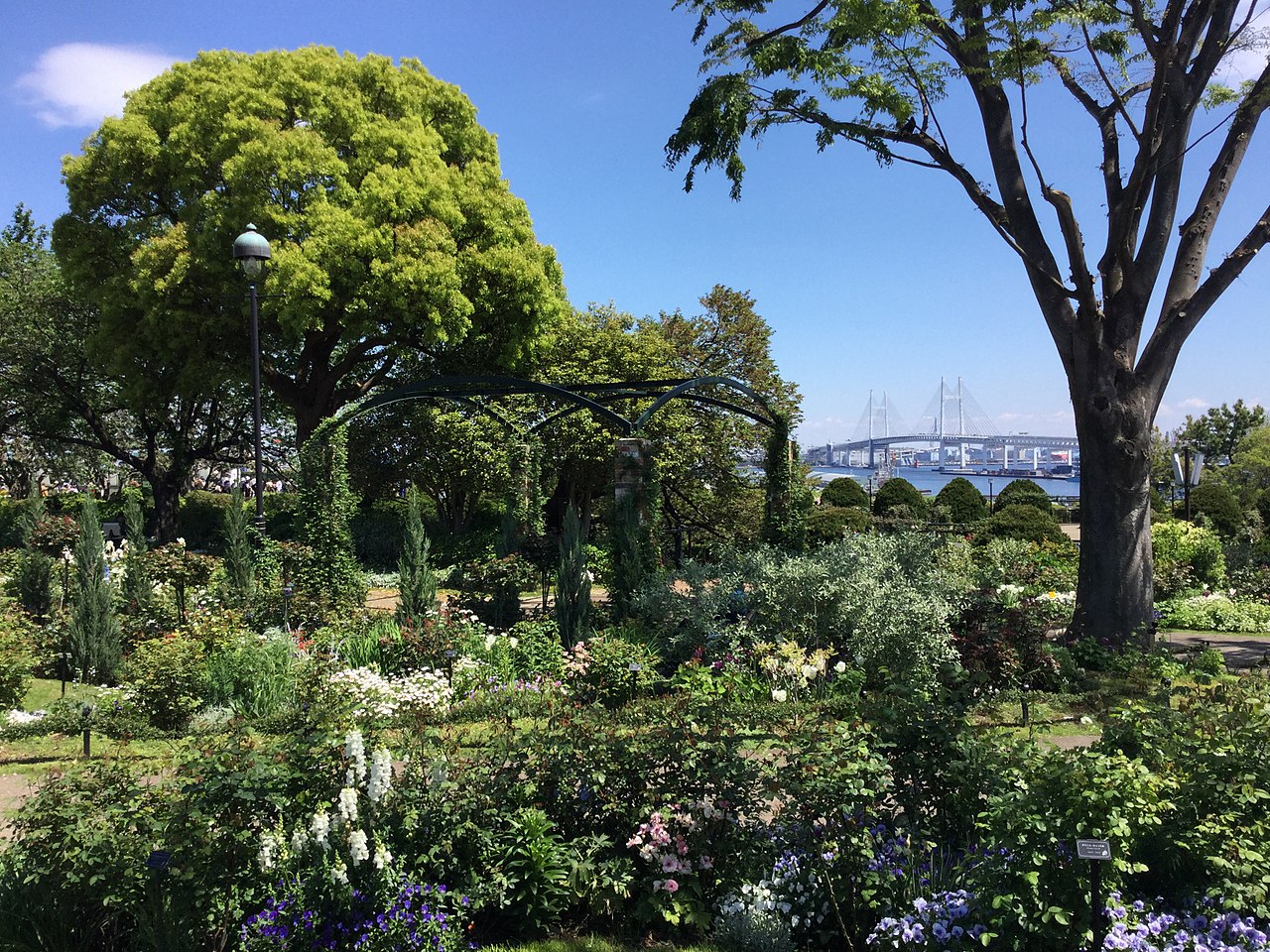
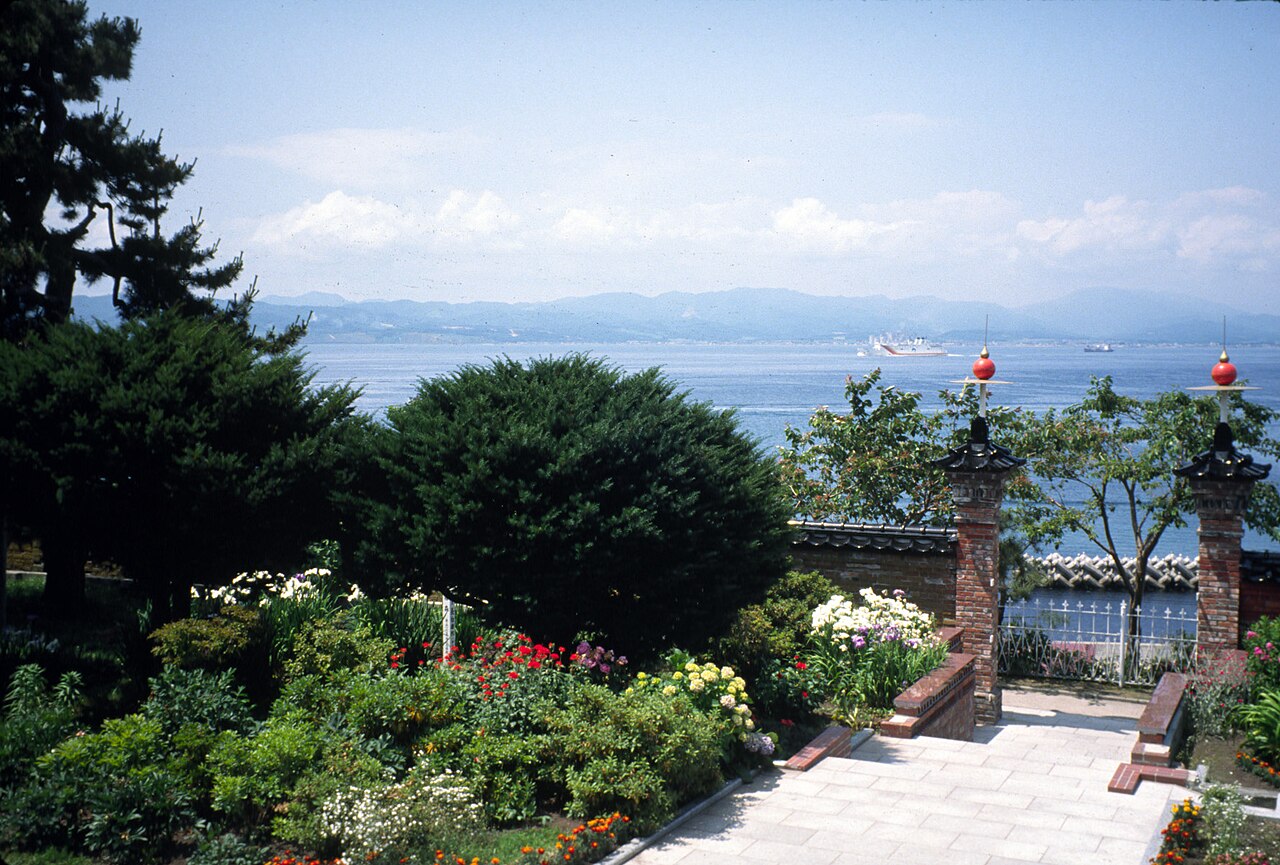
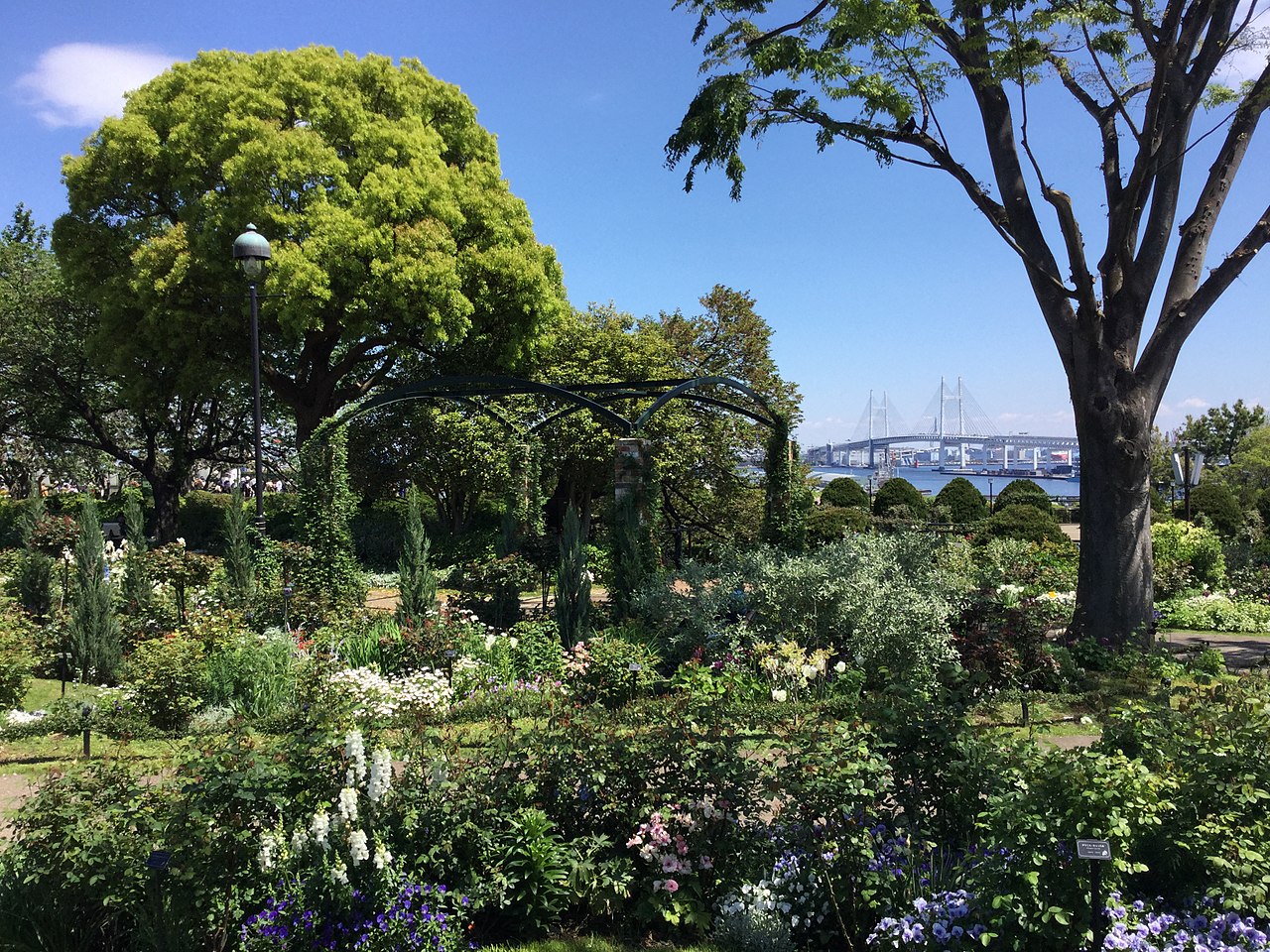
Its setting is a large part of the appeal. The Yamate Italian Garden occupies the site of Japan's first Italian consulate and is laid out in tiers with geometric beds, a reflecting channel and sweeping views over Yokohama toward the harbour and the Minato Mirai skyline. Bluff No. 18 sits within this landscaped frame, so a visit combines a small house-museum with one of the finest viewpoints in the Yamate district. In spring the garden's flowers and cherry blossom are at their best, and autumn brings warm colour to the surrounding trees.
The building's story is really the story of the whole Bluff: a foreign settlement flattened by earthquake and rebuilt, then gradually returned to Japanese ownership and preserved as heritage. By clustering relocated houses like this one into accessible parks and gardens, the City of Yokohama turned a scattered legacy into a walkable open-air museum of treaty-port life.
The visiting experience is simple and free. Admission costs nothing, the house opens Tuesday through Sunday, and it takes only about half an hour to look through; captions in English explain the furnishings and history. The ground floor is broadly accessible, though the garden's terraces involve steps and slopes. Because it shares the Italian Garden with the Diplomat's House, and sits a short walk from Berrick Hall, the Ehrismann Residence and the Foreign Cemetery, it is best enjoyed as one stop on a longer Yamate circuit.
Come in spring or autumn for the garden at its most photogenic, ideally on a clear day when the harbour views open up. To get here, take the Minatomirai Line to Motomachi-Chukagai Station or the JR Negishi Line to Ishikawacho, then climb into Yamate toward the Italian Garden, roughly thirteen minutes on foot. Set aside a half-day to link Bluff No. 18 with the neighbouring residences for a full portrait of old foreign Yokohama.
A local's tip
Pair it with the neighbouring Diplomat's House in the same Italian Garden—two contrasting foreign homes for the price of one free stroll.
Best time to visit
Spring and autumn for the adjoining Italian Garden
Getting there
From Motomachi-Chukagai or Ishikawacho Station, walk up to the Yamate Italian Garden (Motomachi Koen area); Bluff No. 18 stands within the garden grounds, about 13 minutes on foot.
Good to know
- Garden
- Admission
- Restrooms
Plan the whole trip offline
Bluff No. 18 is one of many places in the Real Japan app — with turn-by-turn directions, nearby spots and full offline maps you can use with no signal.