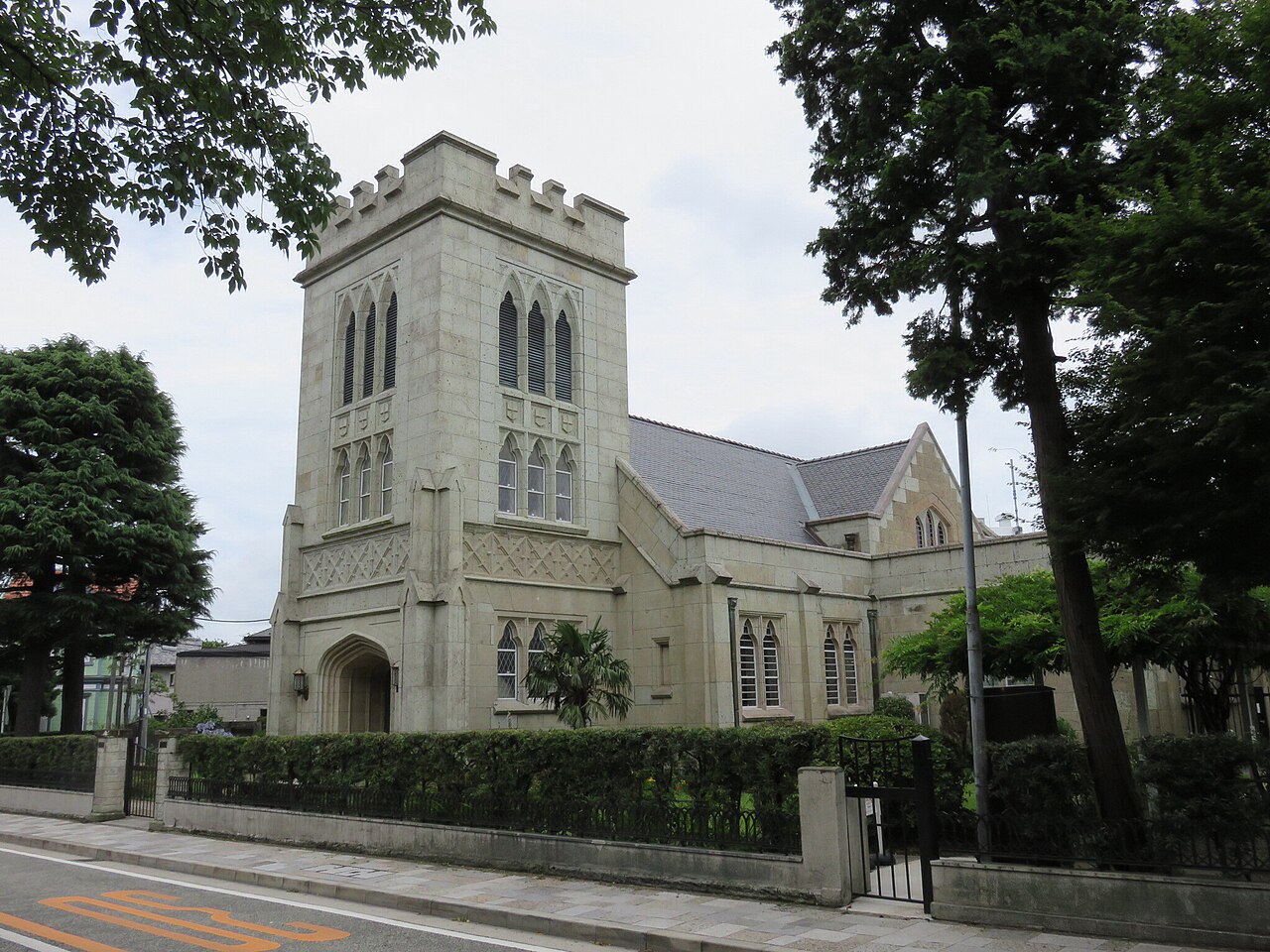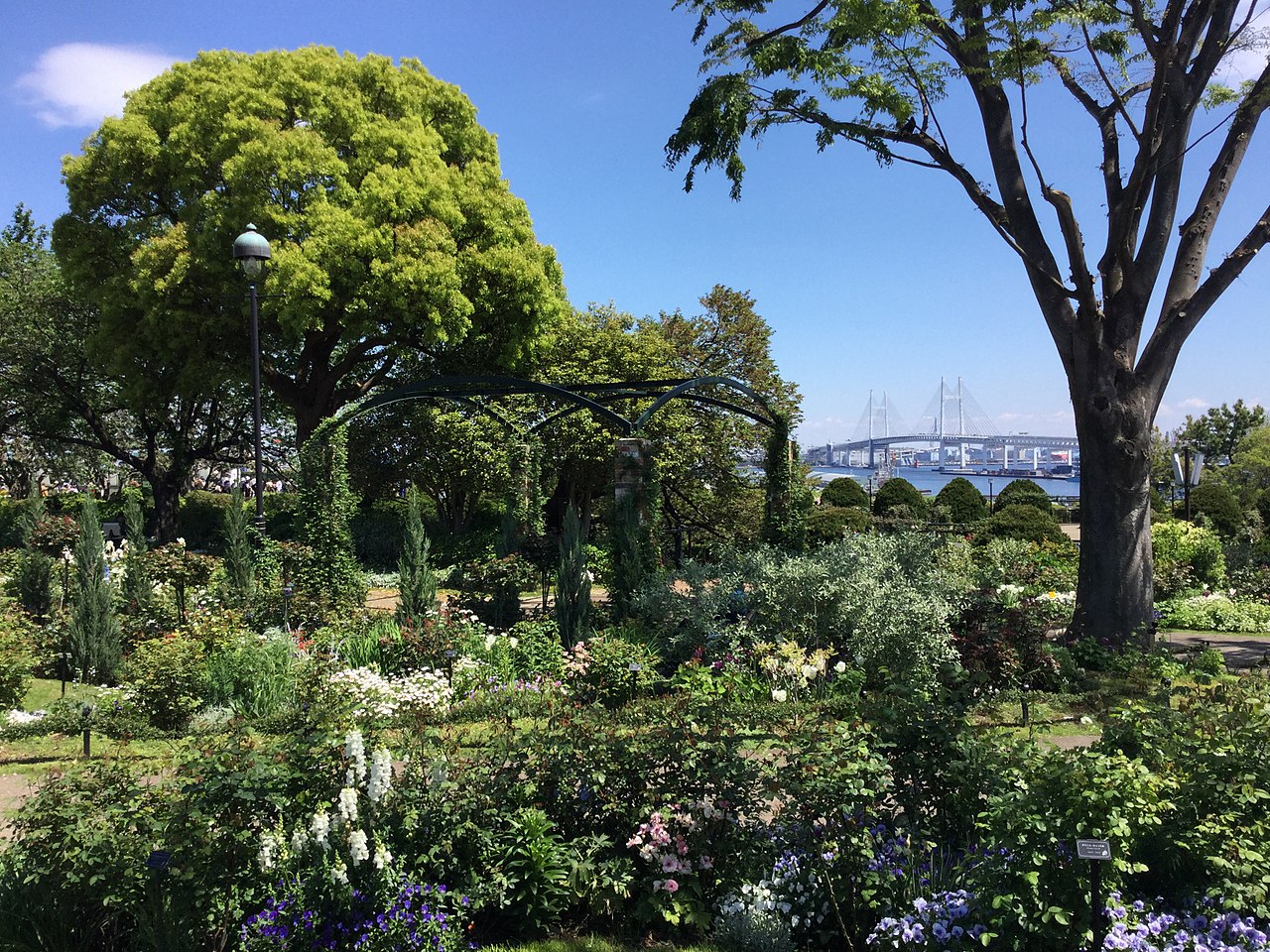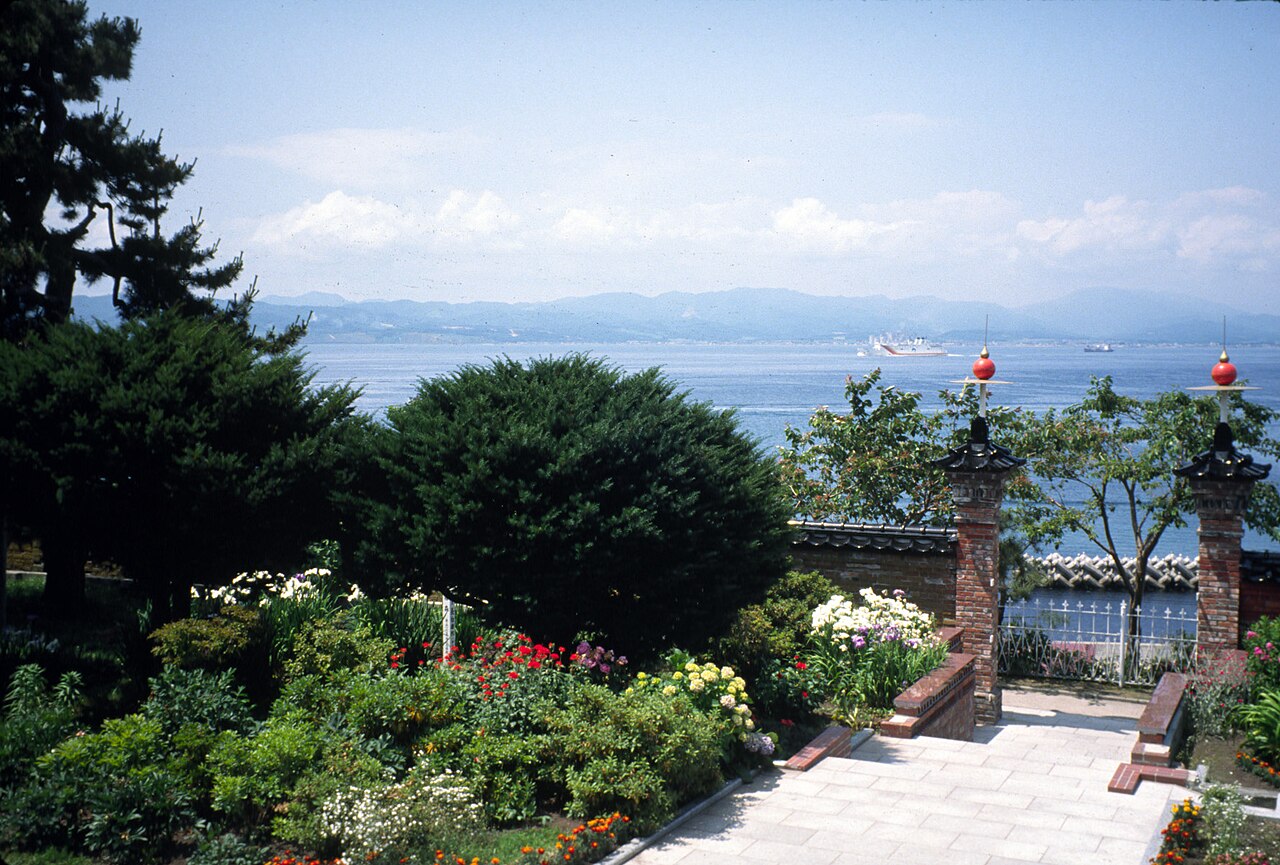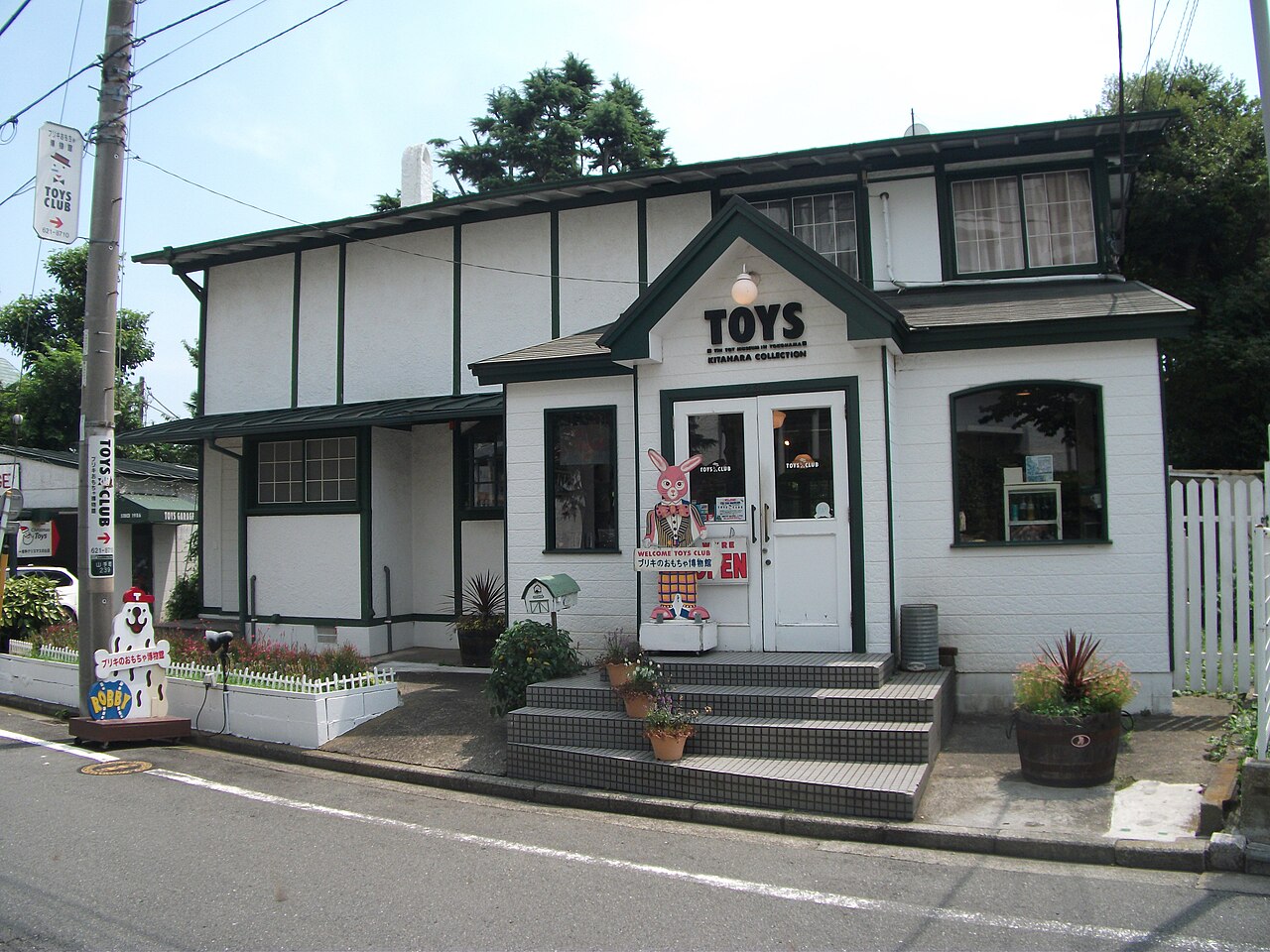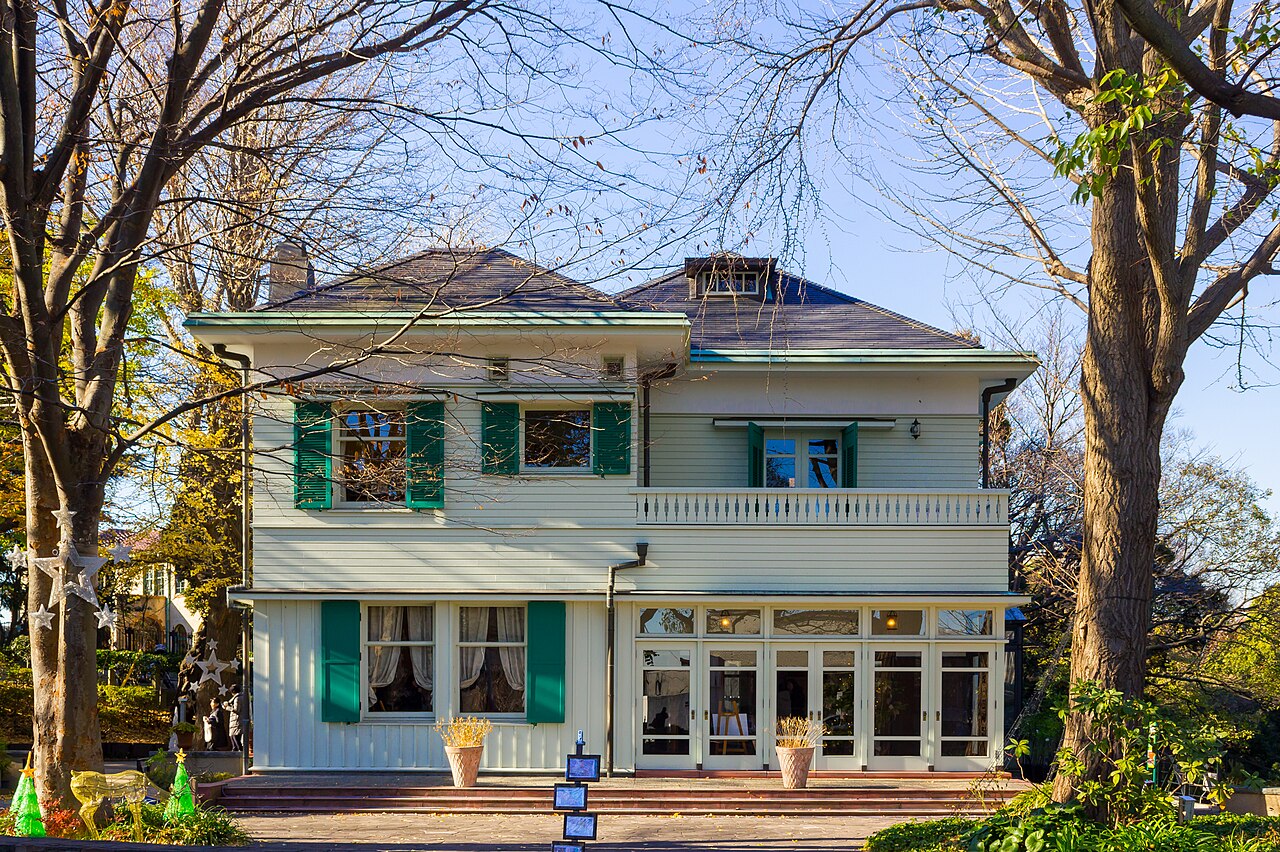
A 1926 Yamate villa designed by Antonin Raymond, now a free house-museum with a garden cafe.
The Ehrismann Residence is one of the most architecturally significant of Yokohama's surviving Bluff houses, because it carries the signature of Antonin Raymond, the Czech-American architect who arrived in Japan as an assistant to Frank Lloyd Wright on the Imperial Hotel and went on to become a founding figure of Japanese Modernism. Raymond designed the house in 1926 for Fritz Ehrismann, the Yokohama-based manager of a Swiss silk-trading firm, and it stands today as a rare, accessible example of his early residential work.
Set at the edge of Motomachi Park in the leafy Yamate hills, the two-storey house shows Raymond moving away from ornate revival styles toward the restraint that would define his career. The composition is calm and horizontal, with wide eaves, simple stucco surfaces and an emphasis on how interior spaces open to light and garden rather than on applied decoration. The most memorable room is the sunroom, a bright glassed-in space that today serves as a small cafe, letting visitors linger over coffee exactly where the Ehrismann family once took in the greenery.
The building has an unusual biography. It originally stood elsewhere in Yamate and was carefully dismantled and reconstructed at its current location in Motomachi Park in the 1990s, when the city moved to preserve the district's foreign heritage as a connected cluster of house-museums. Inside, rooms are furnished in period style and captioned to explain both the Ehrismann family's life in the silk trade—Yokohama's defining export in the treaty-port era—and Raymond's place in architectural history.
What makes the residence rewarding is the combination of pedigree and intimacy. Unlike a grand palace, this is a comfortable family villa you can walk through in half an hour, reading the story of a Swiss merchant household against the backdrop of a hillside that was, a century ago, essentially a European enclave overlooking a Japanese harbour. The garden setting is genuinely pretty in spring, when the cherry trees of Motomachi Park bloom, and pleasant in autumn.
The visiting experience is easy and free. The house opens Tuesday through Sunday, admission costs nothing, and the ground floor is broadly accessible; the cafe makes it a natural rest stop on a longer Yamate walking tour. English signage covers the essentials. Because it sits directly beside Bluff No. 234 and a short stroll from Berrick Hall, the Diplomat's House and the Italian Garden, most visitors string several of these residences together into a single loop.
Come on a bright morning for the best light in the sunroom, or in cherry-blossom season for the park setting. To reach it, take the Minatomirai Line to Motomachi-Chukagai Station and climb into Yamate toward Motomachi Park, about ten minutes on foot; JR travellers can approach from Ishikawacho Station in similar time. Pair it with the neighbouring Bluff houses and Harbour View Park to trace the full arc of Yokohama's foreign settlement in a relaxed half-day.
A local's tip
The sunroom houses a small cafe—order a coffee and sit where Antonin Raymond's clean Modernist lines meet the garden view.
Best time to visit
Morning; the tearoom is pleasant any time
Getting there
Walk up from Motomachi-Chukagai Station to Motomachi Park in the Yamate district; the residence stands at the edge of the park, about 10 minutes on foot.
Good to know
- Cafe
- Admission
- Restrooms
Plan the whole trip offline
Ehrismann Residence is one of many places in the Real Japan app — with turn-by-turn directions, nearby spots and full offline maps you can use with no signal.