A spacious traditional Japanese garden in southern Yokohama dotted with historic buildings brought from Kyoto and Kamakura, including a Muromachi-era pagoda.
Sankeien is a spacious and beautifully composed traditional Japanese garden in the Honmoku district of southern Yokohama, celebrated for the collection of genuinely historic buildings scattered across its wooded hills and ponds. It was created by Hara Sankei, a wealthy silk merchant and patron of the arts whose given name means 'three creeks', and it opened to the public in 1906. What sets Sankeien apart from other stroll gardens is that its structures are not modern replicas but original historic buildings, seventeen in all, that Hara collected from Kyoto, Kamakura and elsewhere and reassembled here, ten of which are designated Important Cultural Properties.
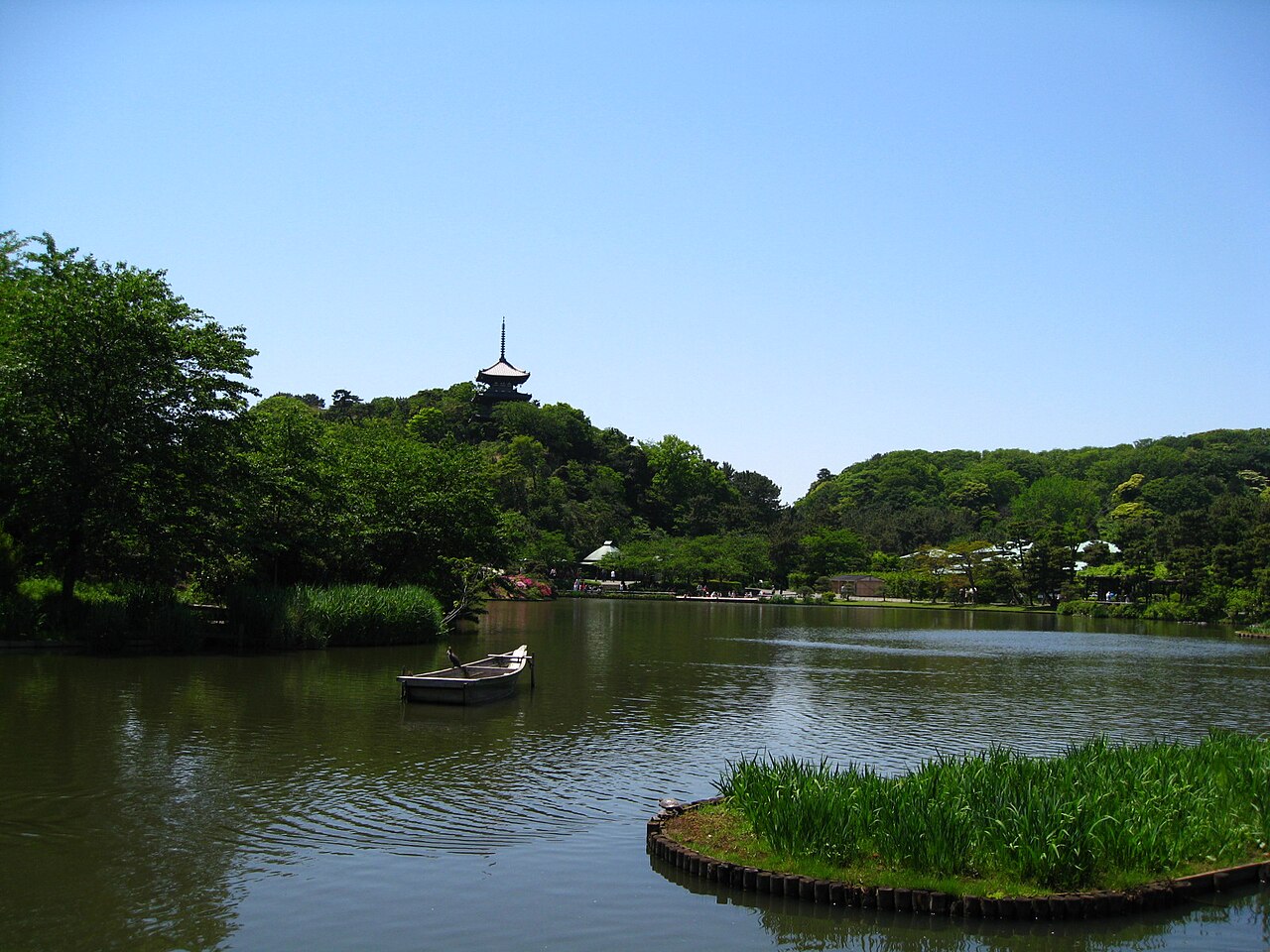
The garden divides into two parts. The Outer Garden, opened first to the public, is arranged around a large pond and is dominated by its most famous landmark, a three-storey pagoda originally built in 1457 at Tomyoji temple in Kyoto and moved here in 1914. Perched on a hill above the water, it is the visual anchor of the whole garden and one of the most photographed sights in Yokohama, especially when framed by cherry blossom in spring or crimson maples in autumn. The Inner Garden, once Hara's private domain, holds the finest buildings, including a former residence of the Tokugawa family from Kyoto, elegant tea houses, and a hall with a striking thatched roof.
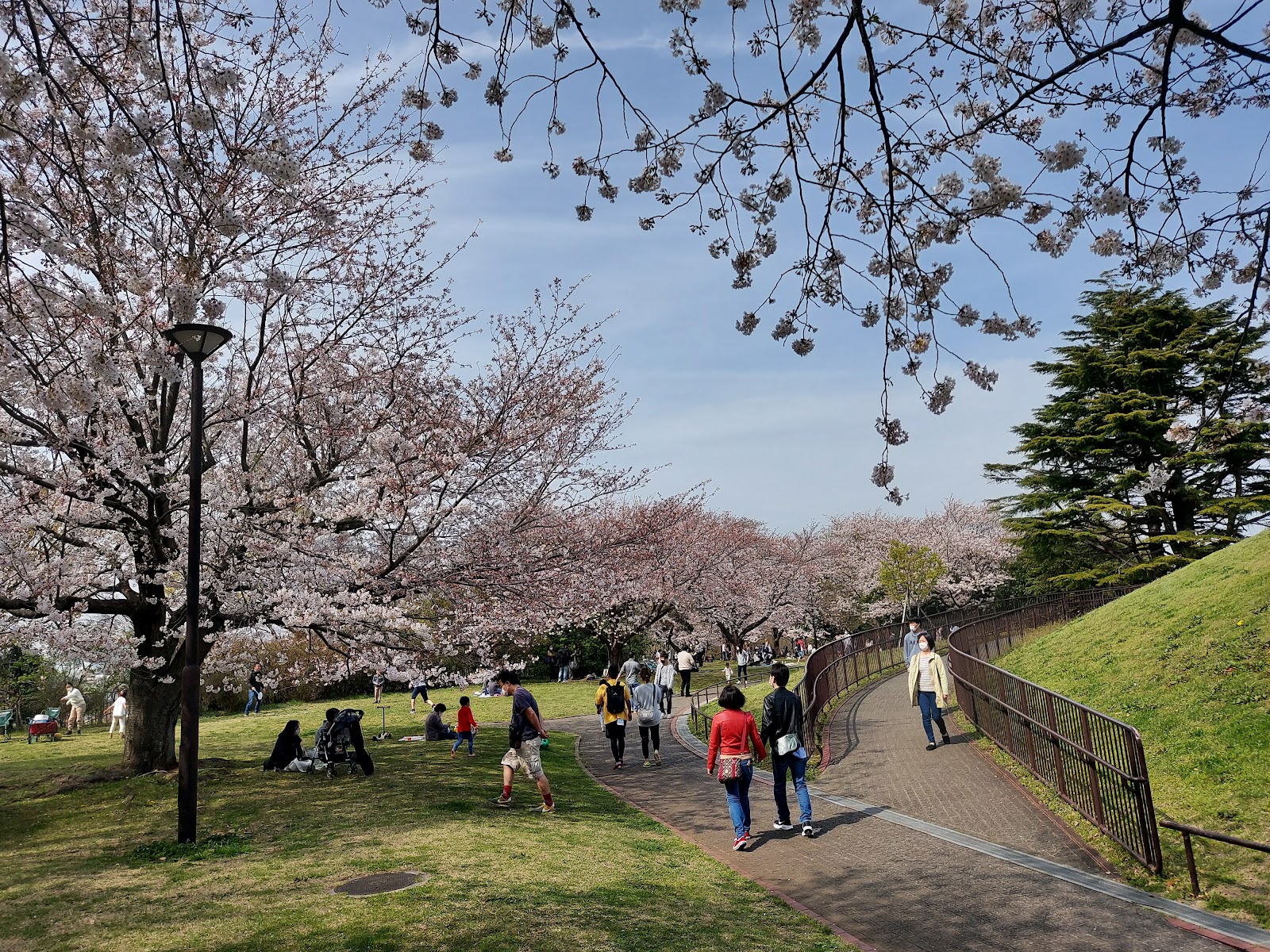
Sankeien is designed as a stroll garden, its paths looping past ponds, streams, stone bridges and seasonal plantings so that the scenery changes with every step and every month. Plum blossoms open the year in February, followed by a spectacular cherry-blossom season in late March and early April, when the trees around the main pond and pagoda draw crowds for hanami. Summer brings irises, water lilies and lotus, and autumn sets the maples ablaze in November, often accompanied by evening illuminations that light the pagoda and colour the still water. Even winter has its quiet appeal, with camellias and the bare architecture of the historic halls.
Beyond its beauty, the garden carries real cultural weight. Hara Sankei was a major patron of Japanese painters and artists in the early twentieth century, and Sankeien became a gathering place for the cultural elite of the day; the effort he made to rescue and preserve important old buildings, at a time when many were being lost, gives the garden a museum-like significance layered over its scenery.
Visitors can rest at a tea house for matcha and a sweet, sample local specialities at the garden's eateries, and browse a small gift shop. The garden is reached by a short bus ride from Negishi Station on the JR Negishi Line, or by bus from Yokohama Station, placing it a little apart from the harbour attractions but well worth the trip. Allow around two hours to walk the full circuit at a relaxed pace. Peaceful, historic and photogenic in every season, Sankeien offers a serene counterpoint to Yokohama's modern waterfront.
A local's tip
Enter through the Outer Garden and save the three-storey pagoda hill for last, climbing it in late afternoon when the low sun lights the historic buildings and the pond mirrors the sky.
Best time to visit
Late March to early April for cherry blossoms; November for autumn colour
Getting there
From Negishi Station on the JR Negishi Line take a local bus (about 10 minutes) toward Honmoku and alight at Honmoku Sankeien-mae, then walk 5 minutes; alternatively a 35-minute bus from Yokohama Station. Taxis from Negishi Station take about 8 minutes.
Good to know
- Cafe
- Gift Shop
- Restrooms
- Tea House
Plan the whole trip offline
Sankeien Garden is one of many places in the Real Japan app — with turn-by-turn directions, nearby spots and full offline maps you can use with no signal.