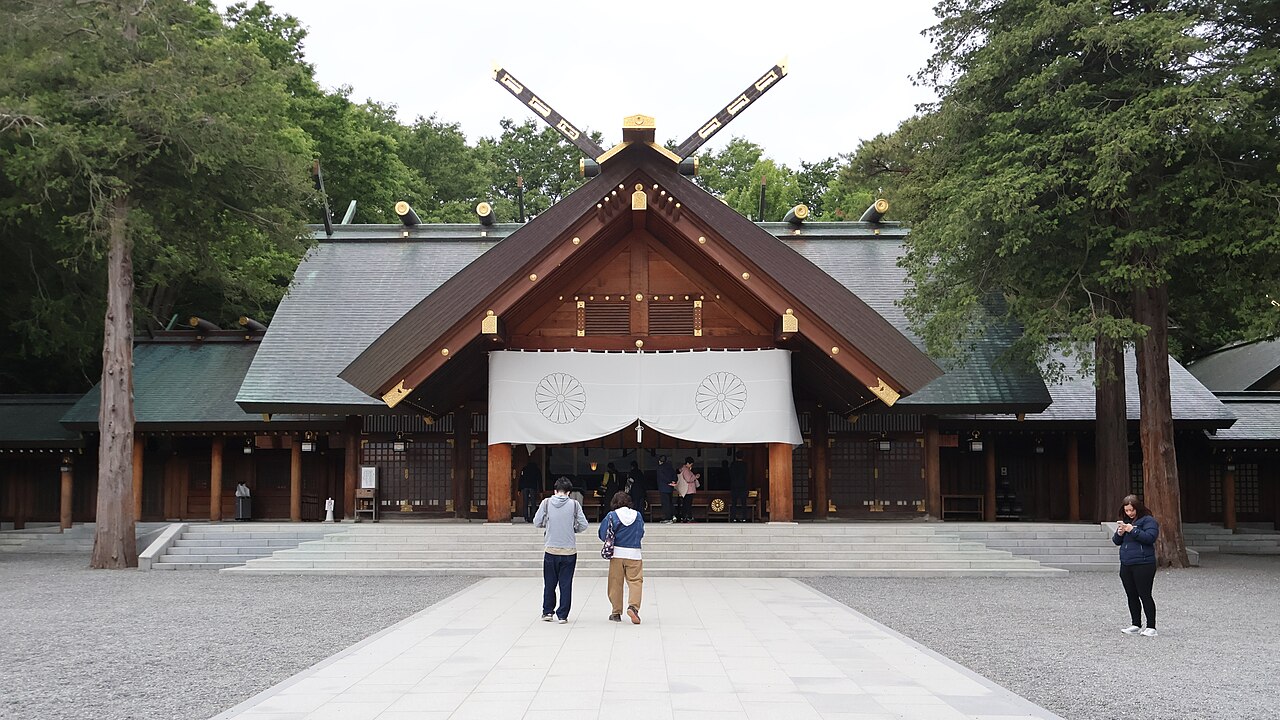
Hokkaido's foremost Shinto shrine, guardian of the island's development, set in a forested park famed for spring blossoms.
Hokkaido Shrine, or Hokkaido Jingu, is the spiritual heart of Japan's northern island and its most important Shinto sanctuary. It was founded in 1871, in the earliest years of Hokkaido's organised settlement, when the Meiji government enshrined three kami, or deities, associated with the pioneering and development of new land. In 1964 the spirit of the Emperor Meiji himself was added, elevating the shrine's status. From the beginning it was conceived as a protective presence over the whole project of settling and cultivating Hokkaido, and it remains the place where the island marks its great seasonal and civic occasions.
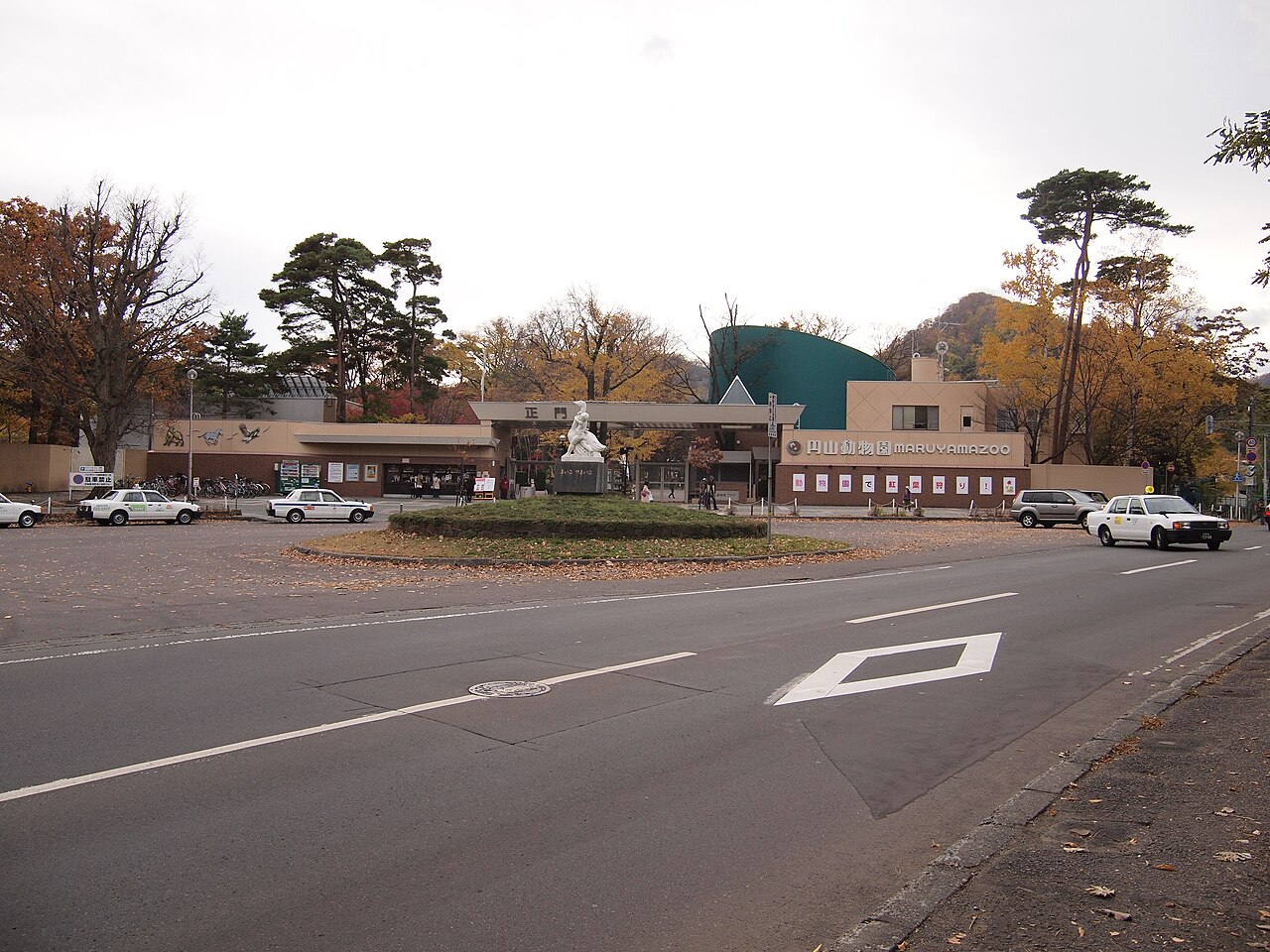
The shrine sits within Maruyama Park on the western edge of central Sapporo, wrapped in a dense grove of trees that muffles the city and creates a genuine sense of retreat. A broad gravel approach leads through torii gates to the main hall, a dignified structure in classic Shinto style with sweeping roofs and unpainted timber. Worshippers pause at the purification fountain to rinse hands and mouth before approaching to offer coins, bow and pray. Throughout the year the grounds host a steady flow of visitors seeking blessings for health, study, business and safe childbirth, and the amulet office does a brisk trade in charms.
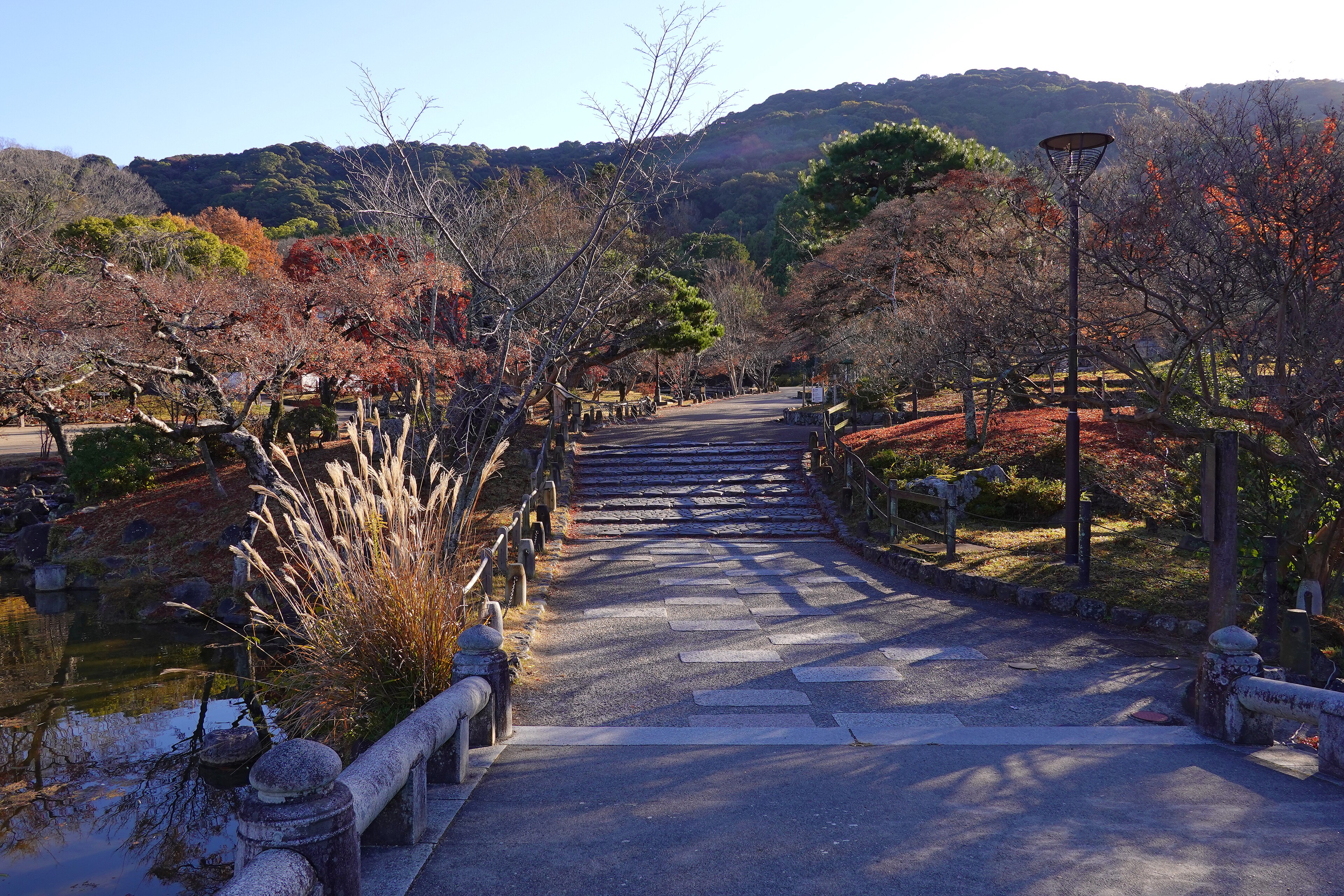
The shrine's most celebrated moments come with the seasons. At New Year it becomes the focus of hatsumode, the first shrine visit of the year, when hundreds of thousands of people queue through the snow to pray for good fortune, and food stalls line the approach. In late April and early May, unusually late by Japanese standards because of Hokkaido's cold climate, the grounds and the surrounding Maruyama Park explode into cherry and plum blossom simultaneously, a rare double bloom that turns the whole area into one of Sapporo's premier hanami spots. Families spread mats beneath the trees, and the mood is festive. Autumn brings rich foliage, and winter blankets the torii and rooftops in snow.
The experience is peaceful and unhurried, and most of the grounds are flat and accessible, reached by wide gravel paths, though there are a few steps near the main hall. Within the precinct stands a rest house run by the famous Hokkaido confectioner Rokkatei, where visitors can enjoy the shrine's traditional half-moon mochi with green tea, a small ritual that rounds out a visit. Most travellers spend around an hour here, longer during blossom season.
A notable historical detail is the enshrinement of a deity specifically linked to the opening of new frontiers, reflecting how Shinto belief was consciously mobilised to give spiritual weight to Hokkaido's colonisation and farming. This makes the shrine not only a religious site but a window into how nineteenth-century Japan understood and sanctified its northern expansion.
The best time to visit is spring for the late-blooming blossoms or New Year for the drama of hatsumode, though the forested calm is rewarding in any season. Reach it by walking fifteen minutes through Maruyama Park from Maruyama-koen subway station, or take a short bus to the entrance. Combining the shrine with a stroll through the park, and perhaps the adjacent zoo, makes for a serene half-day away from the downtown grid.
A local's tip
Buy a stick of the shrine's famous hangetsu (half-moon) mochi from the Rokkatei rest house inside the grounds; it is served free with tea and is a local ritual few tourists know.
Best time to visit
Late April to early May for cherry and plum blossom; New Year for hatsumode
Getting there
Fifteen minutes on foot from Maruyama-koen subway station through Maruyama Park, or a short bus ride to the shrine entrance.
Good to know
- Restrooms
- Tea house
- Amulet shop
Plan the whole trip offline
Hokkaido Shrine is one of many places in the Real Japan app — with turn-by-turn directions, nearby spots and full offline maps you can use with no signal.