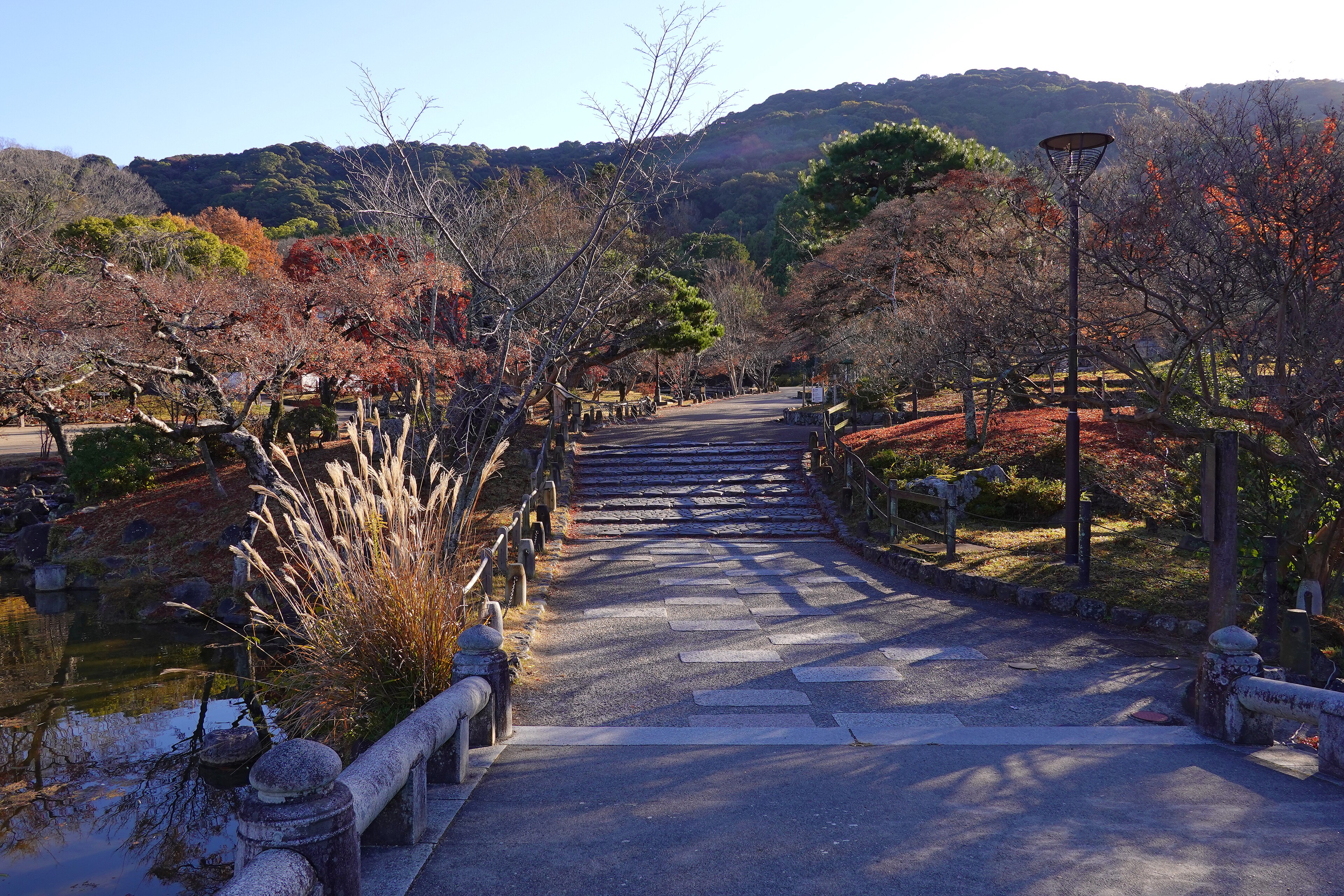
Sapporo's beloved central park, a leafy retreat next to Hokkaido Shrine famed for its spring cherry blossoms.
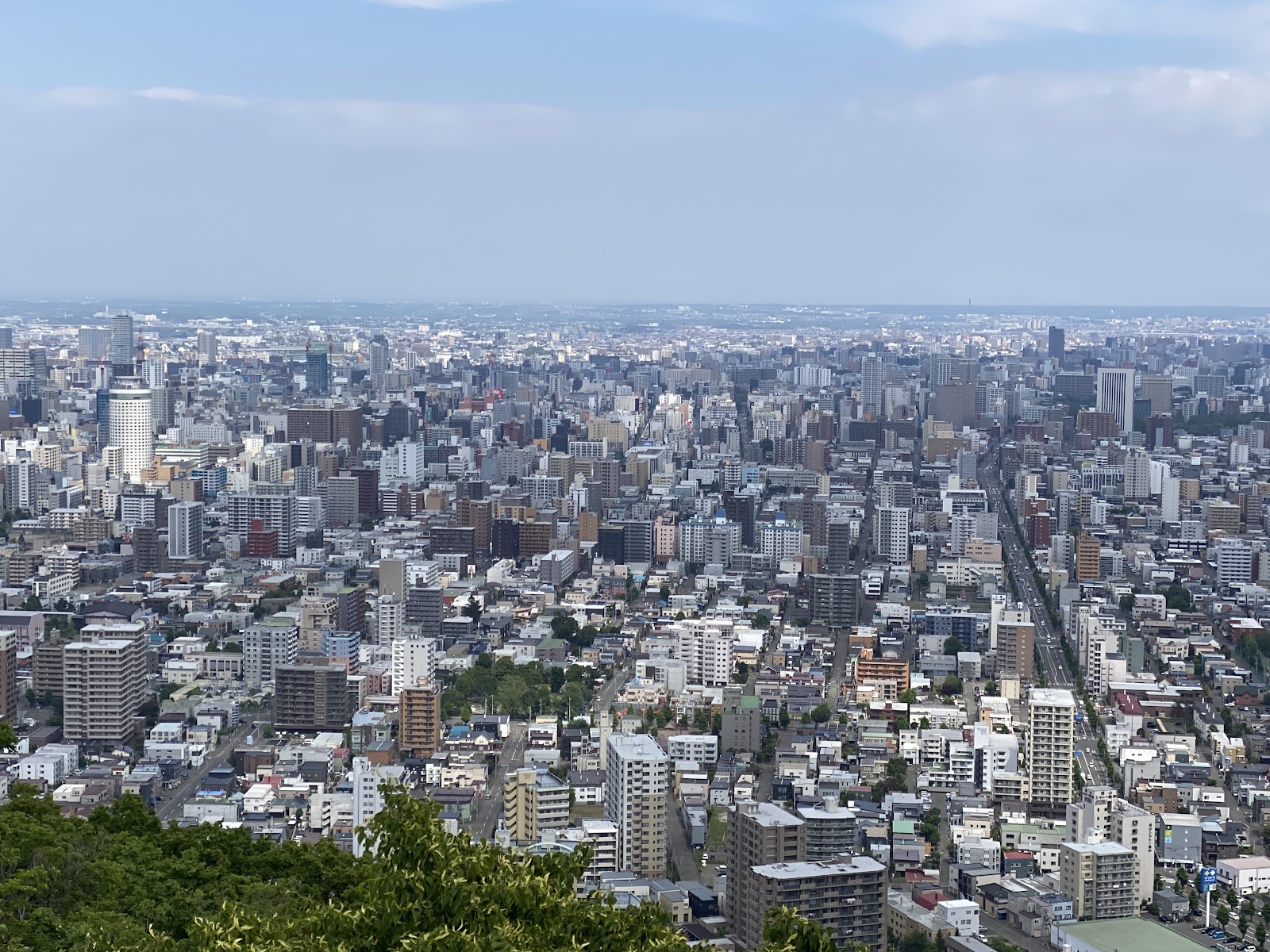
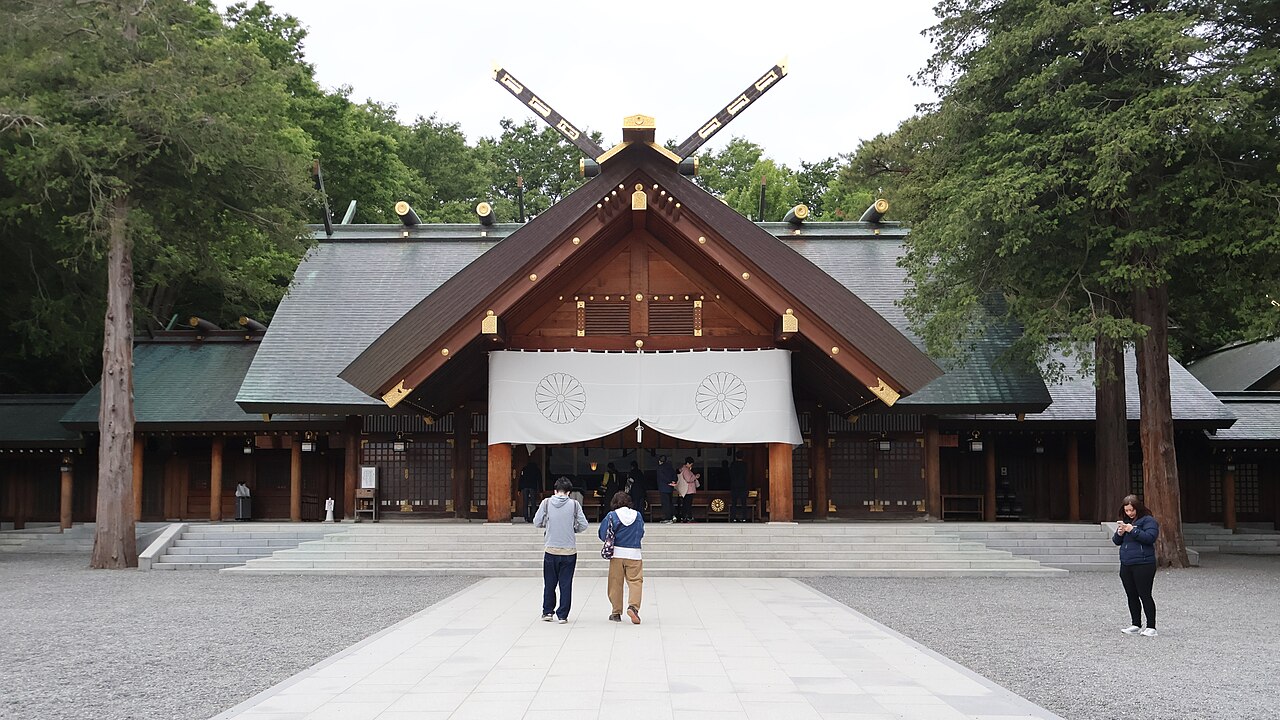
Maruyama Park is Sapporo's green heart, a mature woodland park just west of the city center that locals treat as a shared backyard through every season. Established in 1875 in the early years of Hokkaido's development, it wraps around the base of the small forested peak of Maruyama and sits directly beside Hokkaido Shrine, so a visit naturally combines a walk among old trees with a moment at one of the island's most important Shinto sites.
The park is most famous for spring. When the cherry blossoms open in late April and early May — weeks later than in Tokyo because of Hokkaido's cool climate — Maruyama becomes the epicenter of Sapporo's hanami season. Thousands of residents spread blue tarps beneath the flowering trees, and the atmosphere turns festive, with food stalls and, unusually for Japan, a designated zone where families are allowed to grill and barbecue among the blossoms. The park's cherry and plum trees often bloom together here, layering pink and white against the fresh green of the awakening forest.
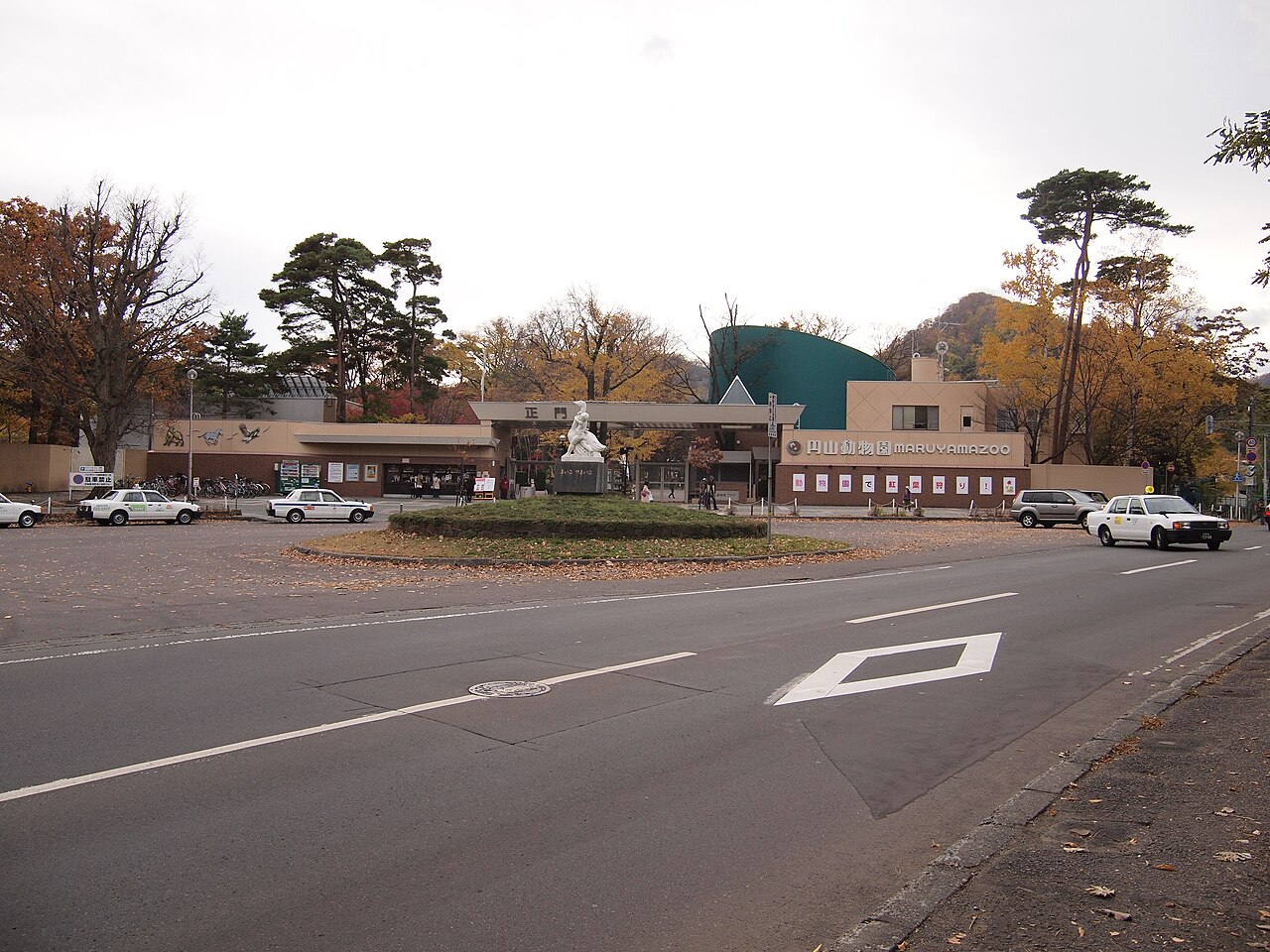
Beyond the blossoms, Maruyama rewards a slower visit. Well-tended paths thread through tall Sakhalin firs, Mongolian oaks and Japanese elms, some of them protected as a natural monument, and birdsong makes it easy to forget the surrounding city. The adjoining Maruyama Primeval Forest offers a taste of the old-growth woodland that once covered the region, and a gentle hiking trail climbs the 226-meter hill in around thirty minutes for a modest view over the rooftops. Families gravitate to the children's amusement area and the neighboring Maruyama Zoo, one of Japan's older zoos, home to polar bears, red pandas and a popular tropical animal house.
Autumn brings its own quiet drama as the oaks and maples turn gold and russet, and winter blankets the paths in deep snow, when the shrine's approach fills with worshippers for the New Year's hatsumode. Because the park flows straight into the shrine precinct, many visitors arrive to pray and then linger among the trees, or vice versa.
Getting there is effortless: the Tozai Subway Line drops you at Maruyama-koen Station just a few minutes from the entrance, making this one of the easiest nature escapes from downtown Sapporo. Allow an hour to wander, more if you combine it with the shrine, the zoo or the hill climb. Come in blossom season for the spectacle and the crowds, or on an ordinary weekday morning for the calmer pleasure of a great city park doing exactly what it was made to do.
A local's tip
During Golden Week the park hosts one of Sapporo's liveliest hanami parties — arrive early to claim a tarp spot under the blossoms, and note that open-flame barbecues are permitted in a designated area, unusual for a city park.
Best time to visit
Late April to early May for cherry blossoms
Getting there
Take the Tozai Subway Line to Maruyama-koen Station; the park entrance is a five-minute walk west, adjoining Hokkaido Shrine.
Good to know
- Parking
- Restrooms
- Playground
Plan the whole trip offline
Maruyama Park is one of many places in the Real Japan app — with turn-by-turn directions, nearby spots and full offline maps you can use with no signal.