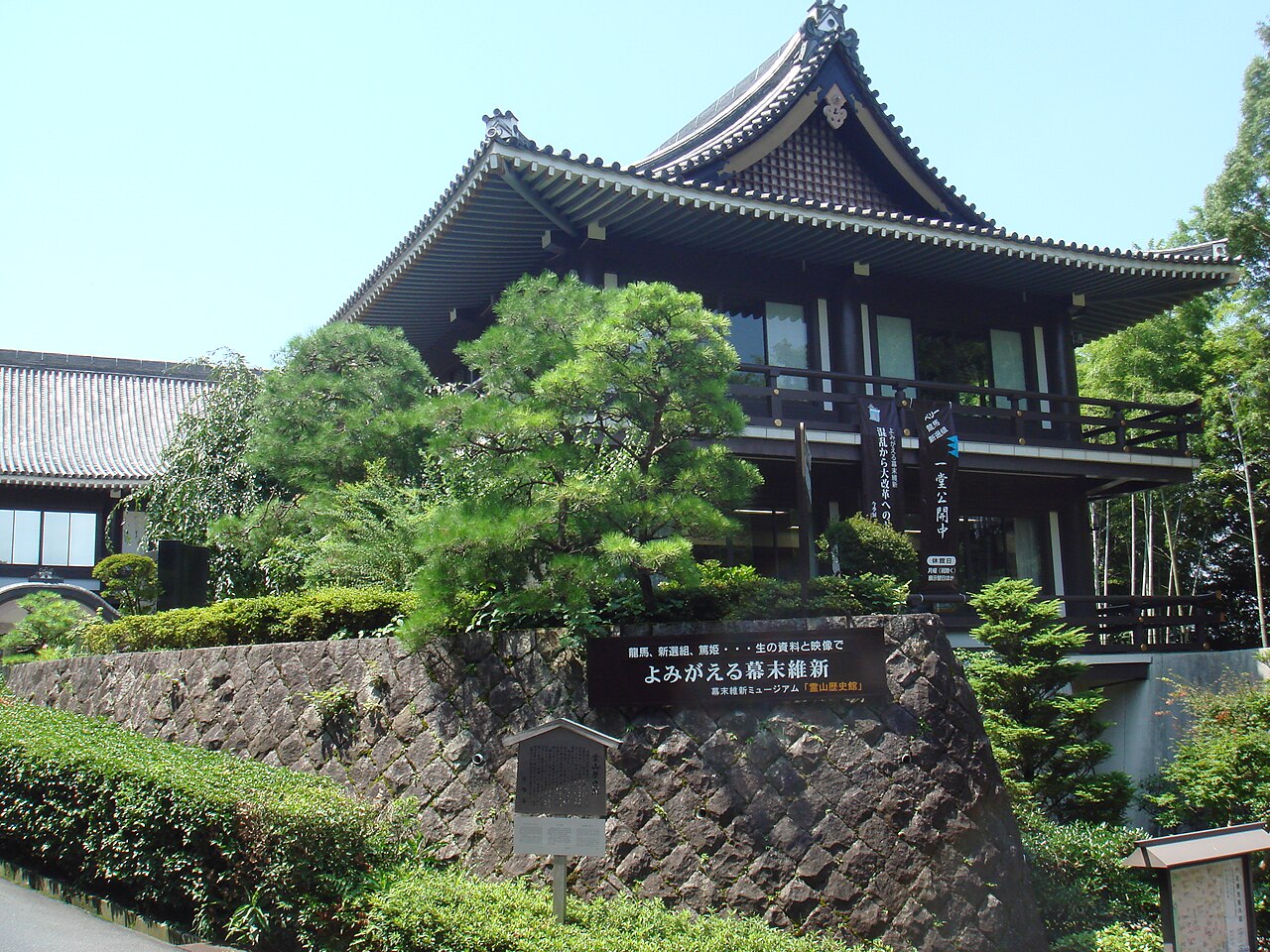
Japan's only museum devoted to the turbulent Bakumatsu era and the Meiji Restoration, in the Higashiyama hills.
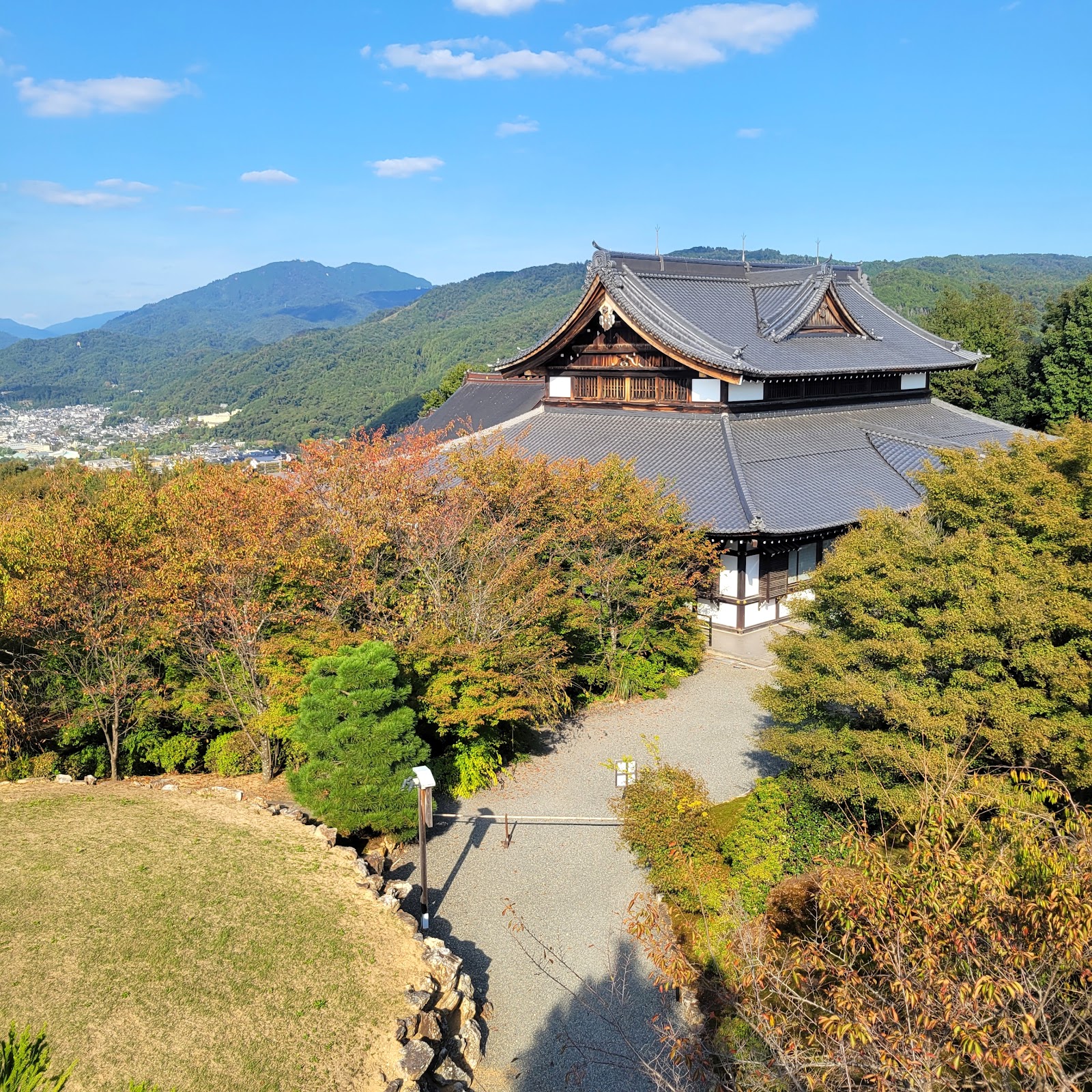
The Ryozen Museum of History is a small but fascinating institution devoted to one of the most dramatic and consequential chapters in Japan's story: the Bakumatsu, the final turbulent years of the Tokugawa shogunate in the 1850s and 1860s, and the Meiji Restoration of 1868 that swept away seven centuries of samurai rule and launched Japan headlong into the modern world. Opened in 1970, it is the only museum in the country dedicated specifically to this pivotal period, and it sits fittingly on the wooded slopes of Higashiyama's Ryozen hill, a place drenched in the history it interprets.
Kyoto was the powder keg at the heart of the Bakumatsu drama. As the emperor's city, it became the stage on which pro-imperial loyalists, shogunate forces, the feared Shinsengumi police corps and reformist samurai from domains such as Satsuma, Choshu and Tosa schemed, clashed and negotiated the fate of the nation. The museum tells this complex story through original documents, letters, weapons, swords, portraits and personal effects of the era's leading figures, supported by models and dioramas that reconstruct key events and locations. Because the collection draws on materials from both the imperial and the shogunate sides, it aims to present the period from multiple perspectives rather than a single heroic narrative.
Among the figures who loom largest here is Sakamoto Ryoma, the charismatic, forward-thinking samurai from Tosa who helped broker the alliance that toppled the shogunate before being assassinated in Kyoto in 1867 at the age of just 31. His enduring popularity in Japan, fed by novels and television dramas, draws many visitors, and the museum holds items connected to him and his contemporaries. Displays also cover the ideology, technology and international pressures, including the arrival of Western powers, that made this revolution both violent and irreversible.
The setting deepens the experience. Directly above the museum on Ryozen hill lie the Gokoku Shrine and the graves of Sakamoto Ryoma, his comrade Nakaoka Shintaro and hundreds of other loyalists who died for the imperial cause, a quiet, moving hillside cemetery with fine views over the city. Nearby stands the enormous white Ryozen Kannon, a postwar memorial statue to the war dead. Together they turn a museum visit into a broader pilgrimage through the birth-pangs of modern Japan.
While the exhibits are richer for those who read Japanese, the story is compelling enough, and increasingly supported by English signage and guides, to reward curious international visitors, especially anyone interested in samurai history or the excellent film and television dramas set in this period. Allow around an hour.
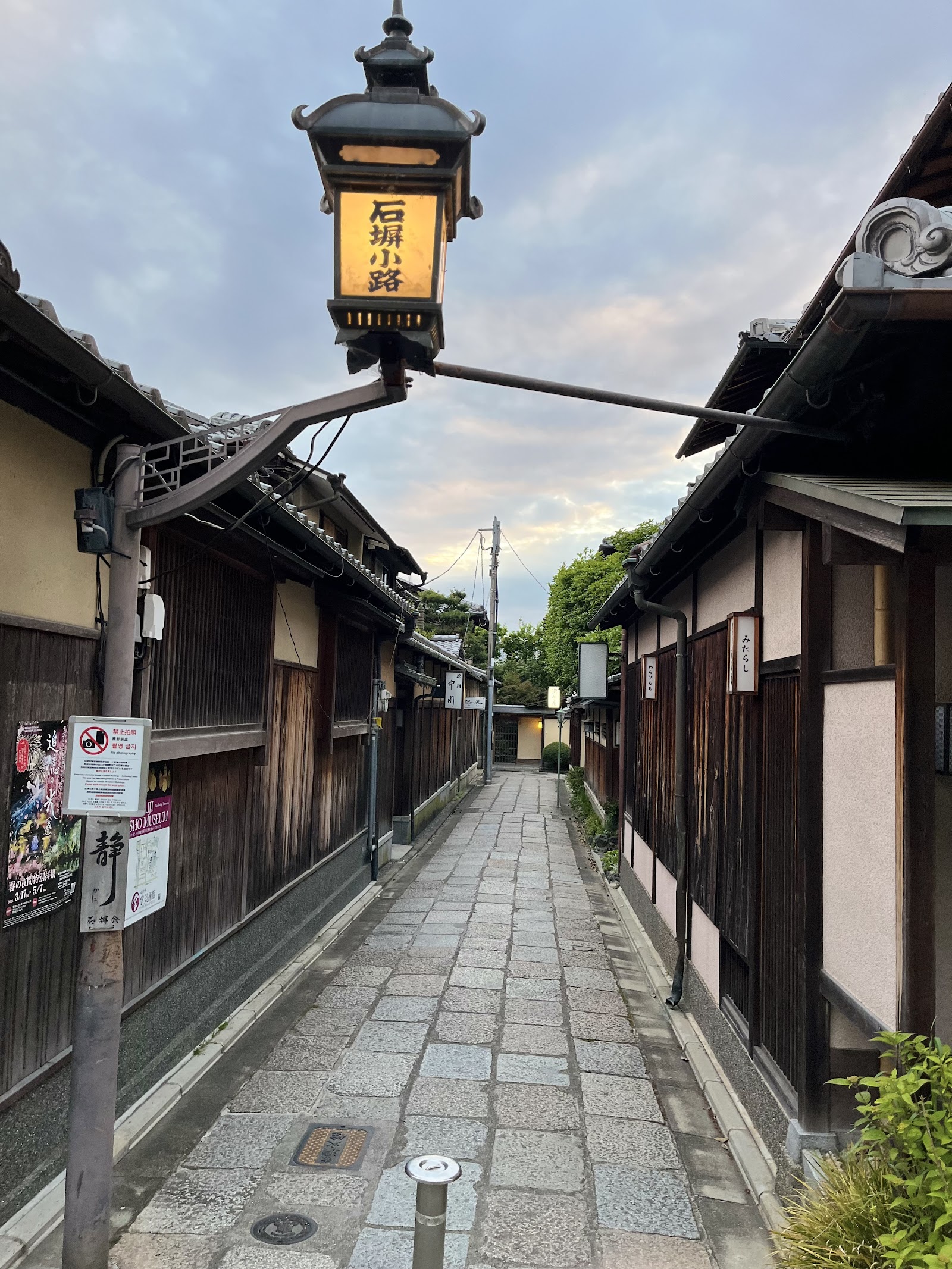
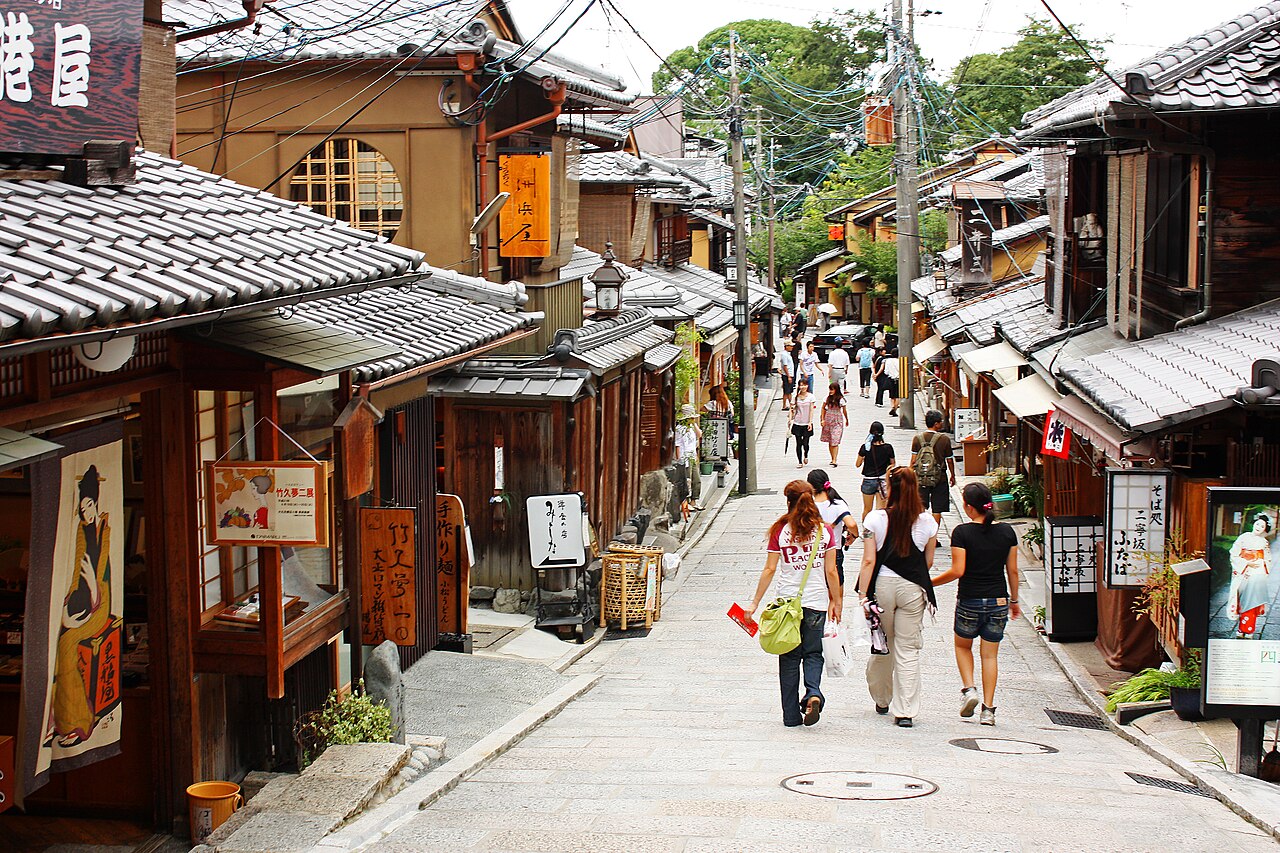
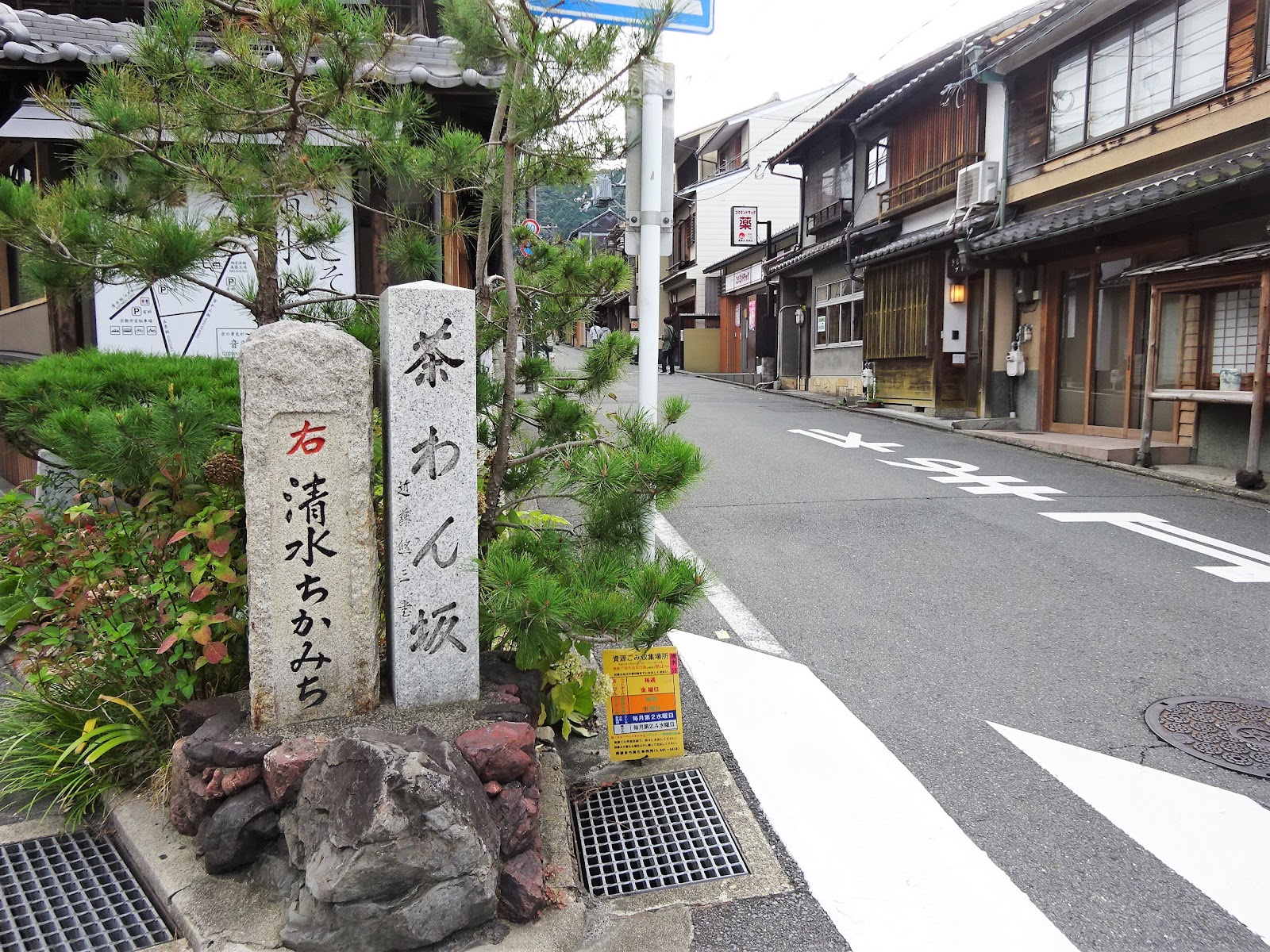
The museum is embedded in the Southern Higashiyama sightseeing route, close to Kodai-ji temple and the atmospheric stone-paved lanes of Nene-no-Michi, Ninenzaka and Sannenzaka that climb toward Kiyomizu-dera, so it fits neatly into a walking day on the eastern hills. It is a steep eighteen-minute walk up from Gion-Shijo Station, or a short bus ride to the Higashiyama-Yasui stop. Admission is around 900 yen, and the museum is closed on Mondays.
A local's tip
Pair the museum with the graves of Sakamoto Ryoma and the loyalist samurai on Ryozen hill just above it, then descend through the atmospheric Nene-no-Michi lane toward Kodai-ji.
Best time to visit
Combine with a morning at Kiyomizu-dera and Higashiyama
Getting there
A steep 18-minute walk uphill from Gion-Shijo Station through Higashiyama, or a short bus ride to Higashiyama-Yasui; it sits near Kodai-ji temple and the Ryozen Kannon.
Good to know
- Wi-Fi
- Restrooms
- Museum Shop
Plan the whole trip offline
Ryozen Museum of History is one of many places in the Real Japan app — with turn-by-turn directions, nearby spots and full offline maps you can use with no signal.