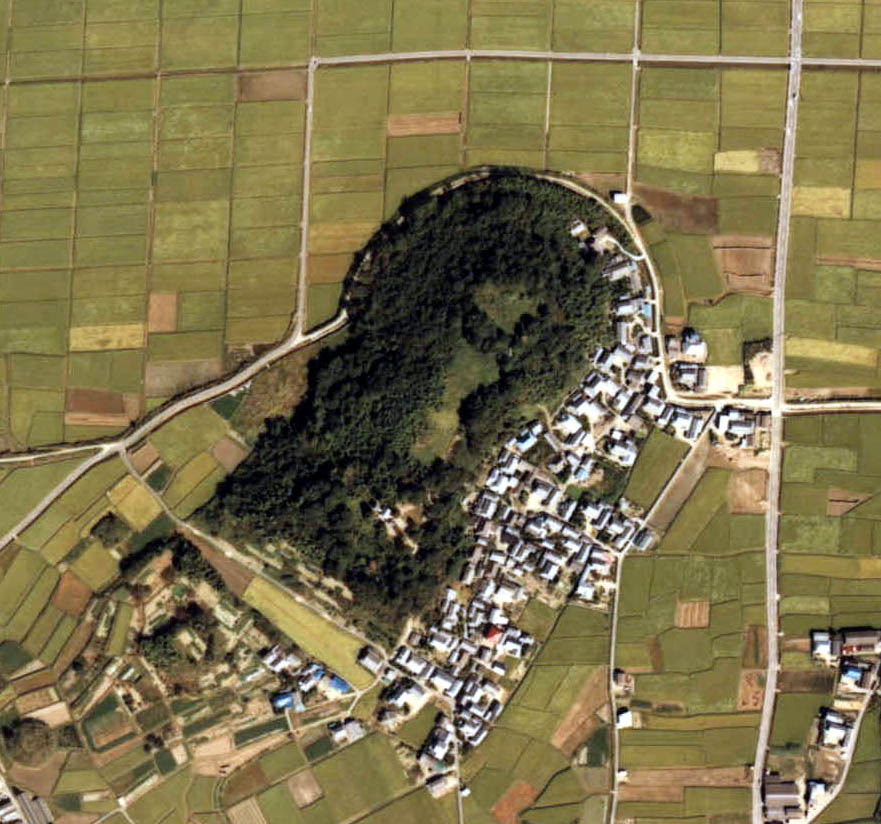
A serene Zen temple near Soja celebrated as the boyhood training ground of the master ink painter Sesshu.
Hofukuji is a Rinzai Zen temple on the outskirts of Soja City in western Okayama, quietly famous as the temple where Sesshu Toyo, Japan's greatest master of suibokuga ink-wash painting, trained as a young boy in the fifteenth century. That association gives this otherwise modest country temple an outsized place in Japanese cultural history, and it draws visitors interested in art and Zen alike to its peaceful, wooded grounds in the historic Kibiji district.
The temple's most beloved story is one every Japanese schoolchild knows. As a boy acolyte, Sesshu is said to have been so absorbed in drawing that he neglected his religious duties, and as punishment was tied to a pillar in the hall. There, using only the tears that fell from his eyes and his toe as a brush, he is said to have drawn a mouse on the floor so lifelike that the head priest, arriving to free him, mistook it for real and reached to shoo it away. The tale, part legend and part parable about devotion to one's art, is inseparable from Hofukuji and is commemorated at the temple, which takes evident pride in its role in nurturing the future master.
Beyond the Sesshu connection, Hofukuji is a genuine working Zen temple with a calm, understated atmosphere. Its grounds include a traditional main hall, subsidiary buildings, and a quiet Zen garden, all set among trees that turn the site into a serene retreat, especially attractive when the maples colour in autumn. The temple is unpolished and uncrowded, which suits its meditative character, and offers a reflective counterpoint to Okayama's busier sights.
Seasonally, autumn is the finest time, when foliage frames the garden and halls in warm reds and golds, while spring brings cherry blossom and fresh greenery. The temple is pleasant year-round, but the garden is at its most photogenic during the koyo. As with all active temples, visitors should move quietly and respect the religious setting.
The grounds are generally free to enter and open during daylight hours, with parking and restrooms on site. From JR Soja Station it is a short bus or taxi ride of around 10 to 15 minutes to the temple, or a longer walk; driving is easy. Allow about 45 minutes to explore the halls and garden and absorb the Sesshu story. Combined with nearby Soja Shrine, Bitchu Kokubunji, and the wider Kibiji sites, Hofukuji makes a rewarding stop for anyone drawn to the meeting of Japanese art, history, and Zen.
A local's tip
This is where the great ink painter Sesshu trained as a boy; look for the tale of him drawing a mouse in tears that came to life, a story every Japanese schoolchild knows.
Best time to visit
Autumn for maple foliage in the Zen garden
Getting there
From JR Soja Station take a bus or taxi (about 10-15 minutes) toward the temple on the outskirts of Soja. Driving is simple with parking on site.
Good to know
- Parking
- Restrooms
- Zen Garden
Plan the whole trip offline
Hofukuji Temple is one of many places in the Real Japan app — with turn-by-turn directions, nearby spots and full offline maps you can use with no signal.