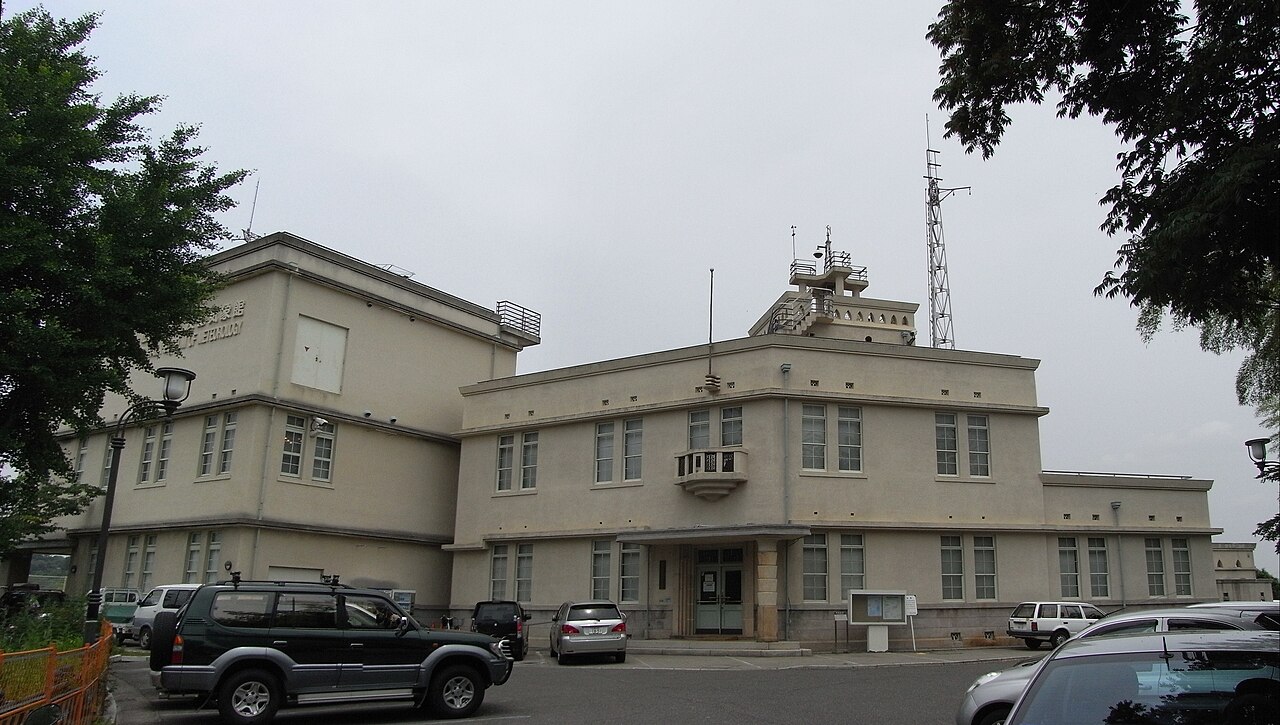
Japan's first meteorology museum, in an A-bomb-surviving 1934 observatory with hands-on weather exhibits.
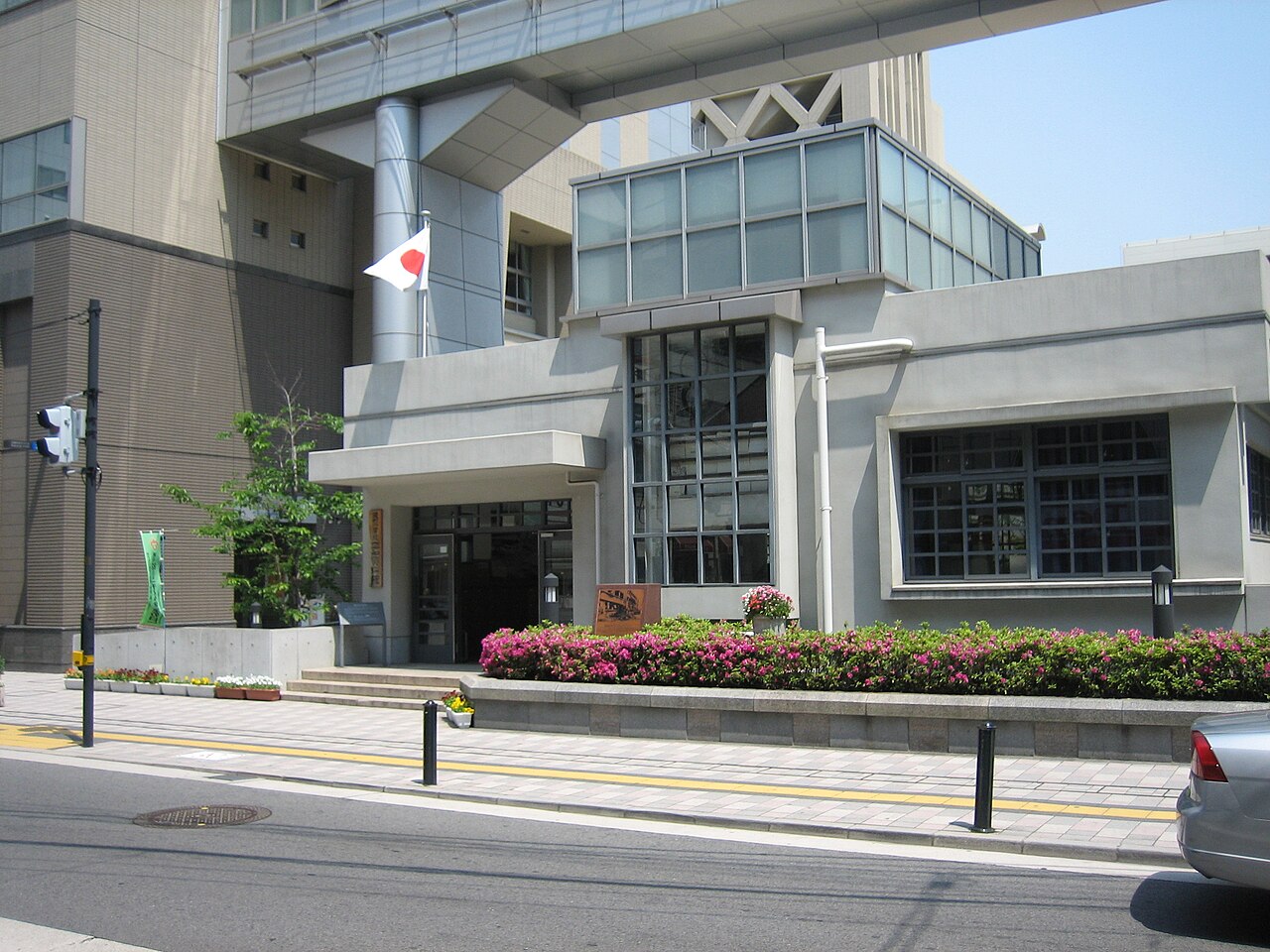
The Hiroshima City Ebayama Museum of Meteorology is a small, characterful museum that packs in far more than its size suggests, blending hands-on science with a moving piece of atomic history. It occupies the elegant 1934 building of the former Hiroshima weather observatory, set on the wooded slopes of Ebayama Park south-west of the city centre, and it holds the distinction of being the first museum devoted to meteorology in Japan.
The building's own story is the emotional core of a visit. When the atomic bomb detonated on 6 August 1945, this observatory, roughly three and a half kilometres from the hypocentre, was badly damaged but survived, and its staff kept recording the weather through the disaster and the days that followed. During the renovation into a museum, the authorities deliberately preserved some of the scars: in one room the window glass remains warped and rippled by the pressure wave, a quiet, physical trace of the blast that most visitors find unexpectedly powerful. As one of Hiroshima's surviving A-bombed buildings, it carries the same weight as the more famous ruins nearer the river, but in a gentler, more domestic register.
Inside, the tone shifts to curiosity and play. The exhibits explain weather, climate and natural phenomena in an approachable, tactile way that delights children and adults alike. You can step into a tornado generator that spins a column of white vapour, trigger a small indoor lightning display, learn how typhoons form and how forecasts are made, and explore rainbows, clouds and the science of the seasons through interactive displays. It is an ideal rainy-day stop and a genuine hit with families, precisely because so much of it invites you to press, spin and watch rather than only read.
The setting adds to the charm. Ebayama Park is a green hill with walking paths and, in early April, lovely cherry blossoms, plus glimpses across Hiroshima toward the sea. The 1930s architecture, with its rounded observation tower, is photogenic in its own right, and the whole visit has an unhurried, local feel far from the tour-bus crowds.
Practically, this is one of the best-value attractions in the city, with admission of only around 100 yen for adults and free entry for children, making it easy to justify even for a short stop. Facilities are simple but adequate, with restrooms and a modest shop; the hilltop site means access is partly stepped, so it is worth checking ahead if mobility is a concern.
Reaching it takes a little more effort than the central museums, which is part of why it stays peaceful. Take the Hiroden tram on the Eba line toward Eba, then walk or catch a short local bus up into the park. IC cards work throughout the city's trams and buses. Come in spring for the blossoms, allow about an hour, and leave having learned something about both the sky and the city's resilience, all under one historic roof.
A local's tip
Look for the window glass in one room still bent and rippled by the atomic blast wave; this building survived 6 August 1945 and the scars were deliberately left visible.
Best time to visit
Spring for hilltop cherry blossoms in Ebayama Park
Getting there
Take the Hiroden tram on the Eba line toward Eba, then walk or take a short bus up into Ebayama Park; the museum occupies the 1934 former weather observatory building near the top of the wooded hill.
Good to know
- Shop
- Restrooms
- Wheelchair
Plan the whole trip offline
Hiroshima City Ebayama Museum of Meteorology is one of many places in the Real Japan app — with turn-by-turn directions, nearby spots and full offline maps you can use with no signal.