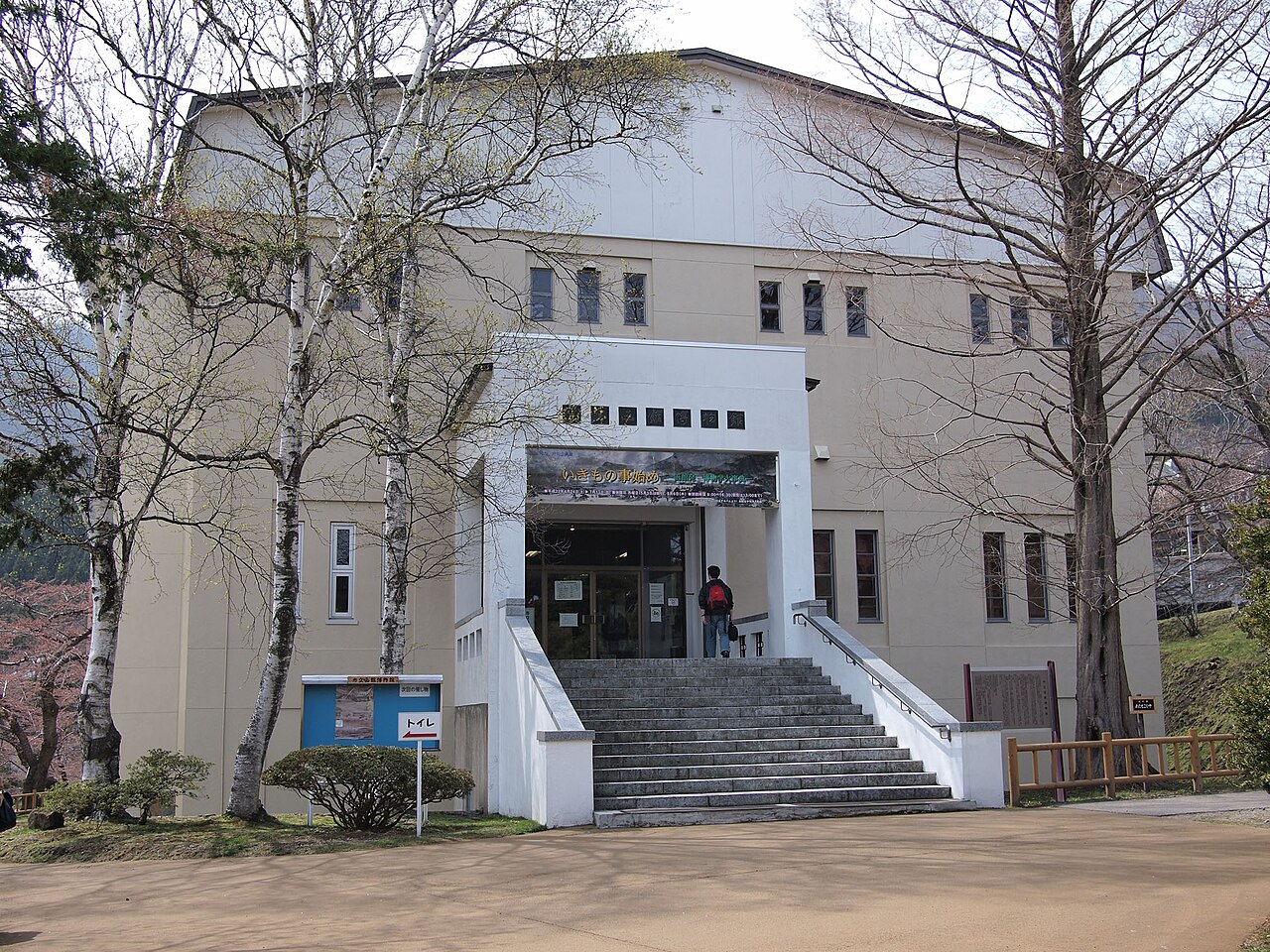
The city's historic municipal museum of local history and natural science, set inside leafy Hakodate Park.
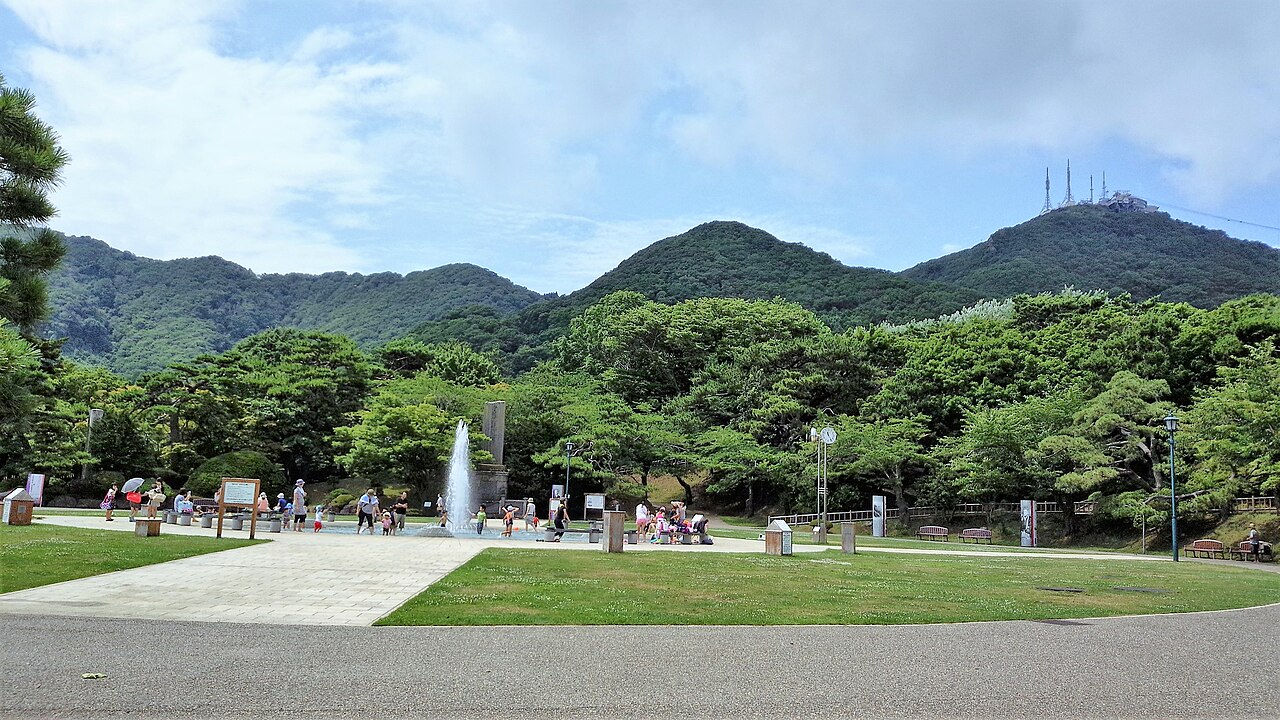
The Hakodate City Museum is the venerable municipal museum of local history and natural science, and it carries the distinction of descending from one of the oldest museum institutions in Japan — its lineage traces back to the Kaitakushi (Colonization Commission) exhibition halls established in the 1870s and 1880s, when the new Meiji government was busy documenting and developing Hokkaido. Today it sits within Hakodate Park on the lower slopes of Mount Hakodate, a green, historic setting that is a genuine part of the appeal.
The collection is a classic general museum mix: the human and natural story of the Oshima Peninsula and southern Hokkaido told through archaeology, folk history, and natural specimens. Displays cover Jomon-period pottery and stone tools from a region rich in prehistoric sites, the era of Matsumae domain rule, the dramatic opening of Hakodate as a treaty port in 1859, and the modernization that followed as the city became a gateway between Japan and the northern seas. There are ethnographic materials, old maps and photographs, everyday objects from Meiji and Showa Hakodate, and natural-history exhibits of the plants, animals, rocks and fossils of Hokkaido. It is the sort of museum where a curious visitor assembles, room by room, a coherent picture of how this place came to be.
The building is modest and old-fashioned in the best sense, and a visit takes around an hour. Admission is famously cheap — typically around 100 yen — which makes it one of the best-value stops in the city for anyone with an interest in local history. English signage is limited, so the archaeological and natural-history objects, which need less translation, tend to carry the experience for international visitors.
What elevates the museum is its setting. Hakodate Park, laid out in 1879, is one of the earliest public parks in the country, a leafy hillside of old trees, stone monuments, a small children's amusement corner and sweeping views down toward the harbour. In spring the park becomes one of Hakodate's premier cherry-blossom spots, the slopes crowded with hanami picnickers and food stalls; in autumn the same trees turn gold and red. Combining the museum with a stroll through the park — and, energy permitting, a walk up toward the Mount Hakodate ropeway or trailheads — makes for a relaxed, atmospheric half-day away from the busier bay-front crowds.
Reached easily from the Aoyagicho tram stop, the Hakodate City Museum suits travellers who like their history rooted in a real, lived-in place rather than a slick modern gallery. It is open daily except Mondays with reliable daytime hours, and its combination of deep local content, tiny admission price and beautiful parkland setting makes it a quietly satisfying corner of the city that most short-stay tourists overlook.
A local's tip
Come in late April or early May and pair the museum with hanami in Hakodate Park — one of the oldest public parks in Japan — when the whole hillside fills with cherry blossoms and food stalls.
Best time to visit
Spring for the surrounding Hakodate Park cherry blossoms
Getting there
Take the Hakodate City Tram to Aoyagicho and walk about eight minutes uphill into Hakodate Park; the museum sits within the park grounds partway up the hill toward Mount Hakodate.
Good to know
- Park
- Restrooms
- English signage
Plan the whole trip offline
Hakodate City Museum is one of many places in the Real Japan app — with turn-by-turn directions, nearby spots and full offline maps you can use with no signal.