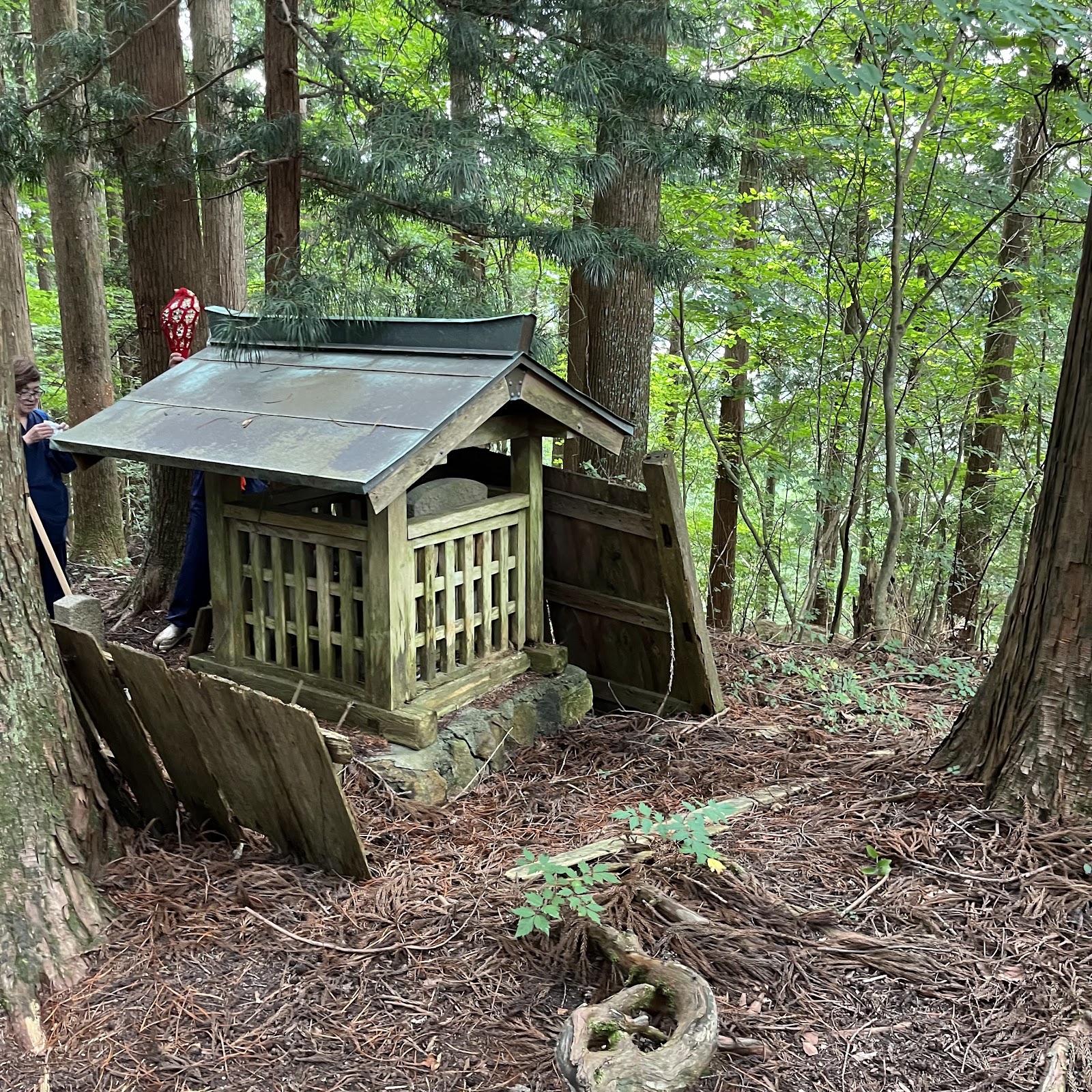
A steep 2.5 km old pilgrim path from the cable-car foot up to Koyasan's surviving women's hall.
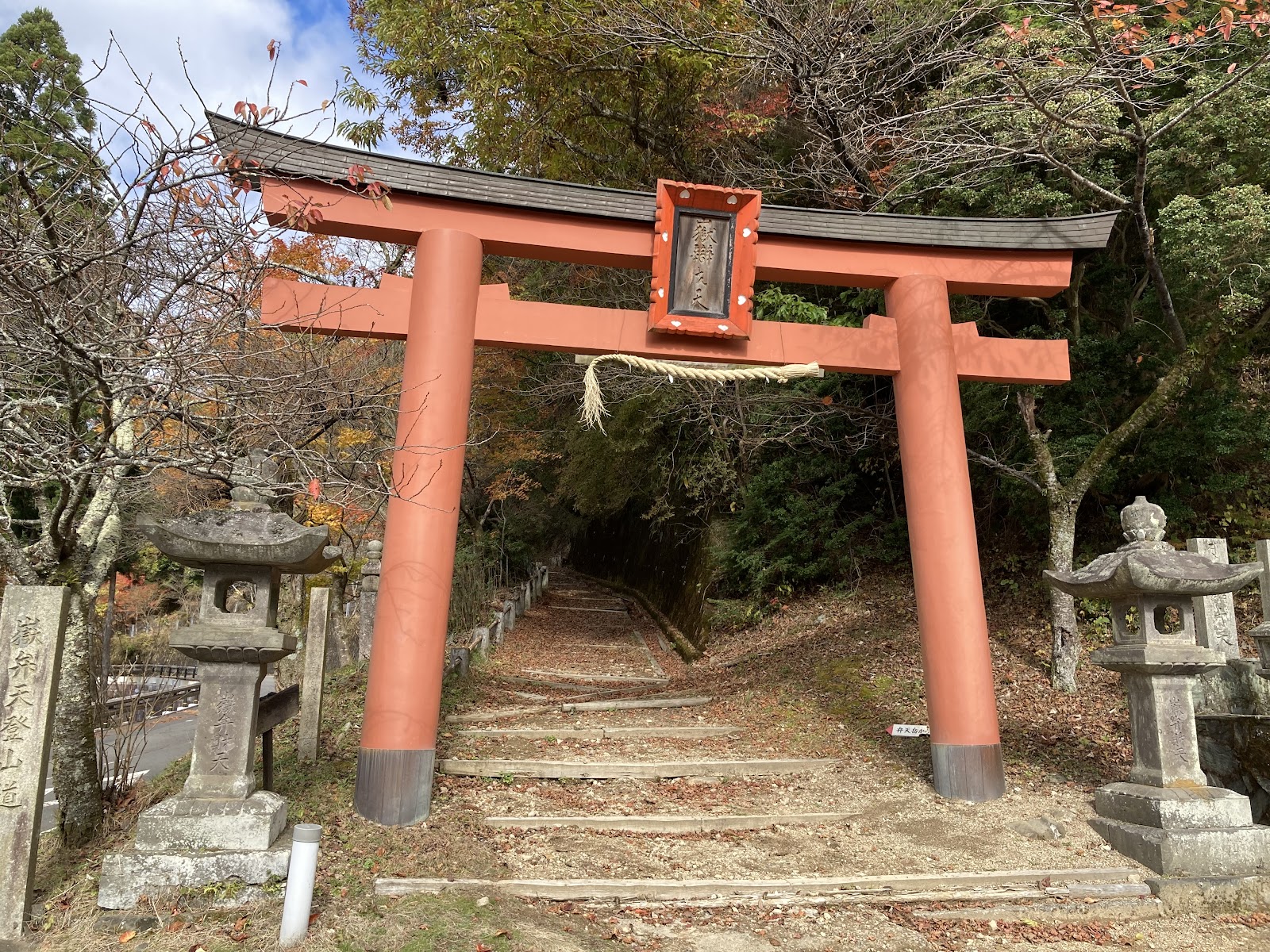
The Fudozaka is the shortest of Koyasan's historic foot approaches, a steep paved-and-stepped pilgrim path that climbs about 2.5 kilometres from Gokurakubashi Station, at the base of the modern cable car, up to the Nyonindo hall on the northern edge of the sacred plateau. For visitors who want to arrive at Mount Koya the old way but lack the time or stamina for the full 23.5-kilometre Choishi-michi, it offers a manageable hour-or-so climb rich in atmosphere and history.
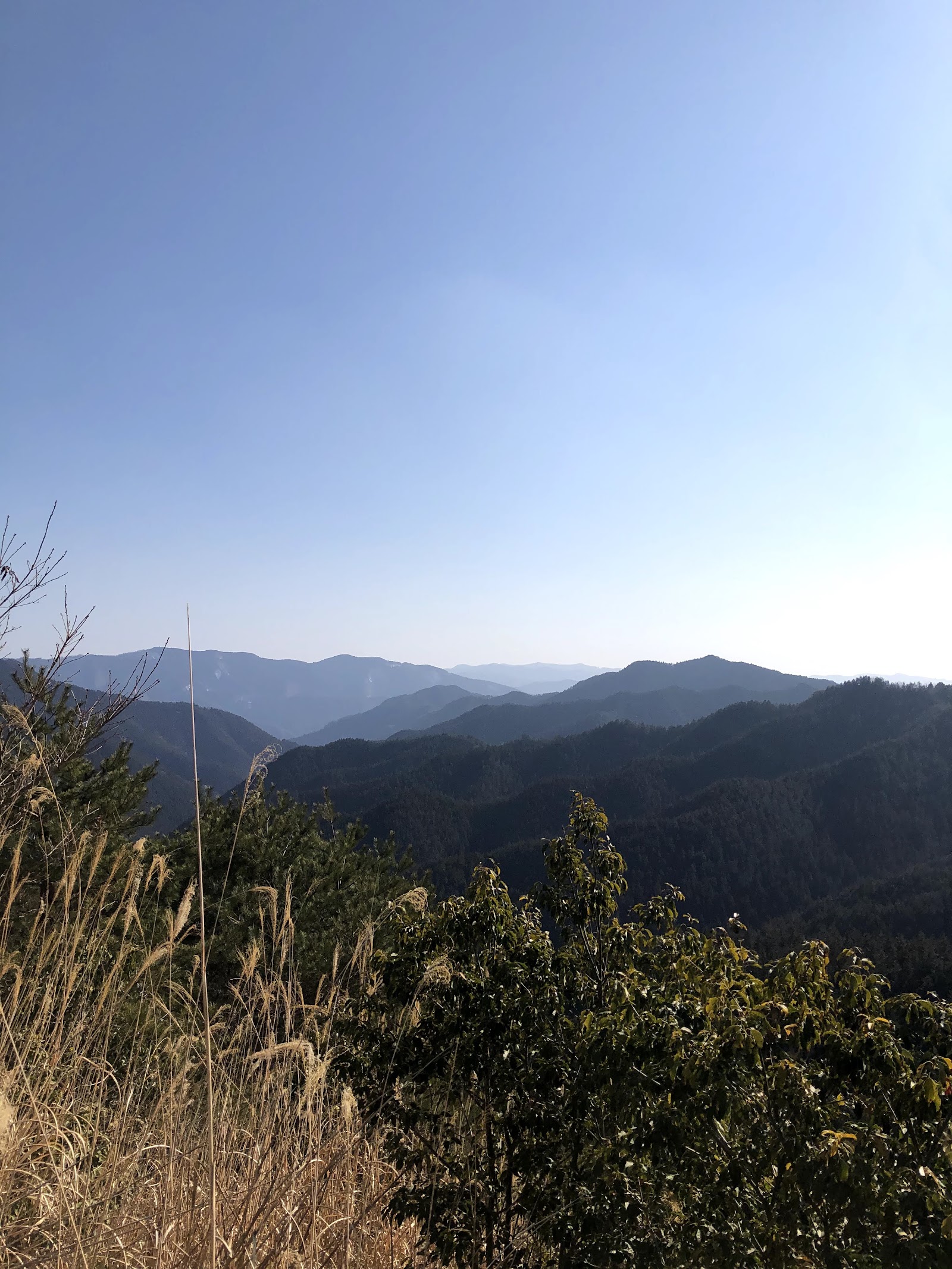
Before the cable car opened in the twentieth century, pilgrims reaching the foot of the mountain by the valley routes faced a final ascent on foot, and the Fudozaka was one of the ways up. The trail rises through dense cedar and cypress forest, at times steeply, following a course walked by countless devotees over the centuries. Though it is paved in stretches, it is a genuine mountain path with a real climb, and sturdy shoes and a steady pace are needed; the reward is deep-forest quiet, birdsong and the satisfaction of ascending to the holy ground under your own power rather than gliding up by funicular.
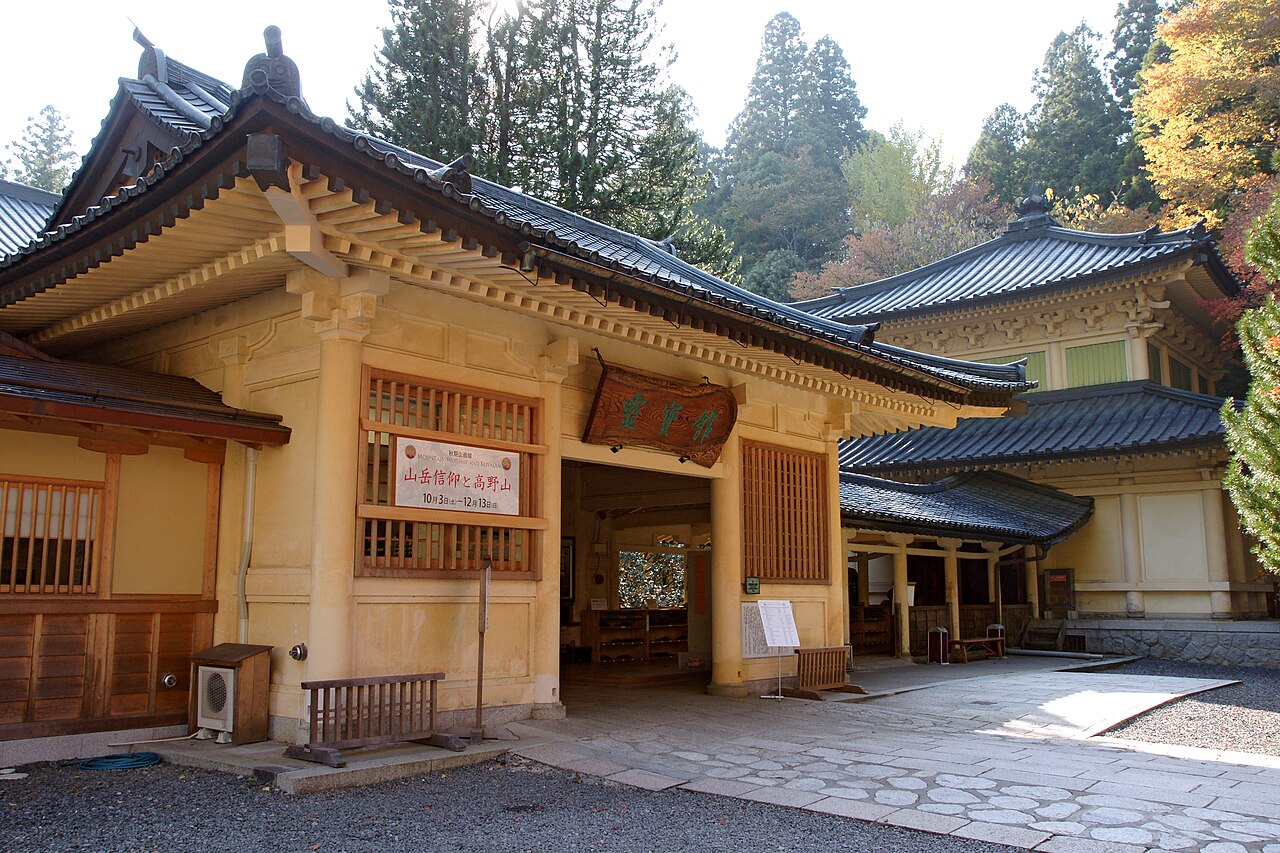
The trail ends at the Fudozaka-guchi Nyonindo, the sole survivor of the seven 'women's halls' that once stood at the entrances to Koyasan. For most of the mountain's history women were barred from the sacred precincts, and these halls gave female pilgrims places to worship at the threshold; the Nyonindo's survival makes it a moving and historically important landmark, and a fitting destination for the climb. From here the encircling Nyonin-michi ridge trail also branches off, so energetic walkers can extend their outing along the rim of the basin.
Because it links directly to the cable-car station, the Fudozaka is easy to build into a Koyasan itinerary in either direction. Many people ride the train and cable car up, sightsee, and then descend the Fudozaka to Gokurakubashi to catch their train home, letting gravity ease the effort; others walk up in the morning to earn their arrival and take the cable car and bus back. Either way, it delivers a taste of pilgrimage on foot without committing a whole day.
Autumn is especially fine, when the maples along the path glow red and gold and the cool air suits the climb, while fresh early-summer green is another lovely time. In winter the trail can be icy and is best avoided or approached with great care, and after heavy rain the steeper sections become slippery. As with all the mountain's paths, water, good footwear and attention to daylight are sensible precautions, since facilities en route are limited to the hall at the top.
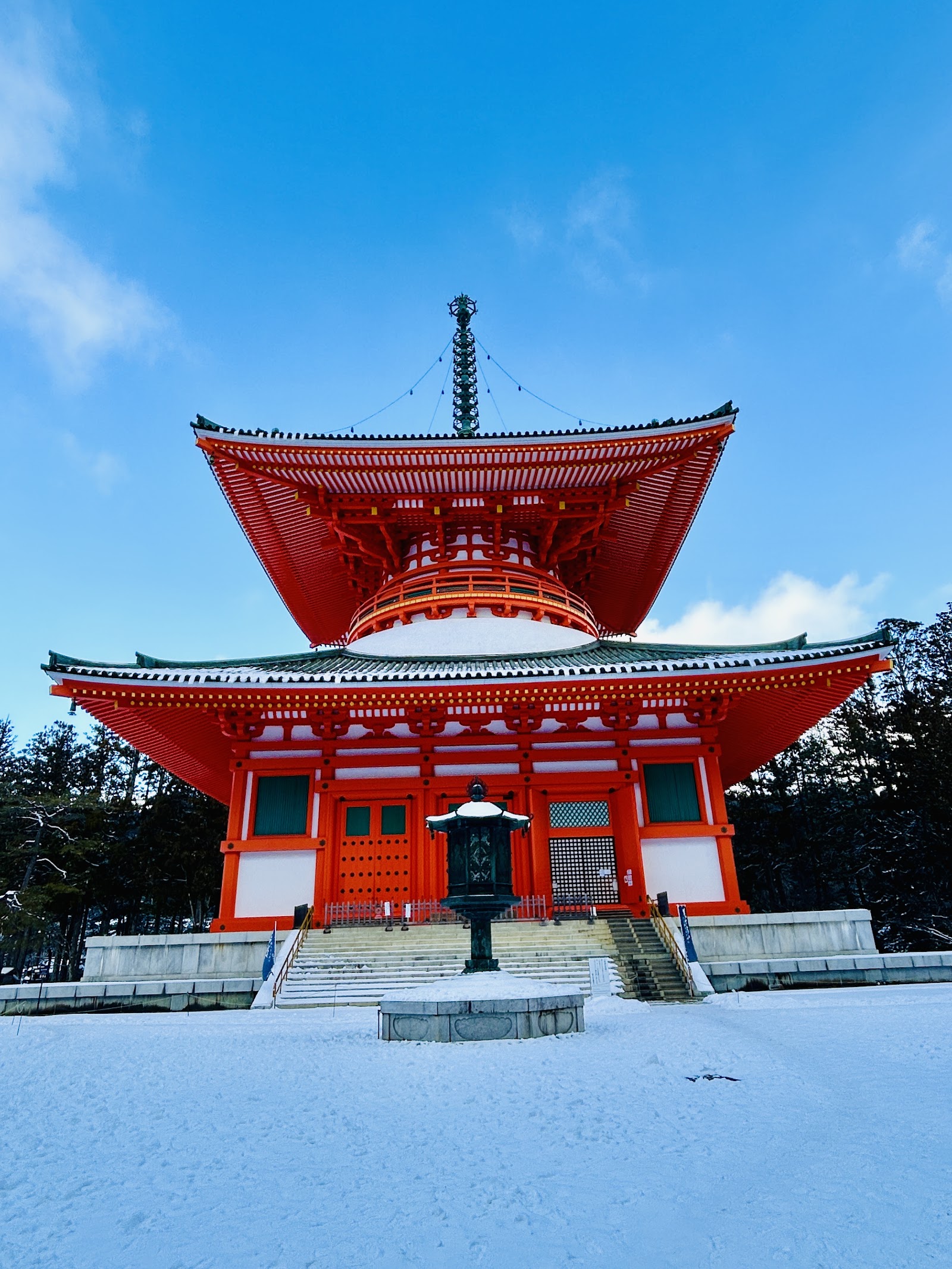
Inscribed within the UNESCO World Heritage sacred landscape of the Kii Mountains, the Fudozaka lets travellers touch Koyasan's pilgrimage tradition in a short, accessible way. Walking up through the towering forest to the lonely women's hall, you trade the convenience of the cable car for a stronger, more earned sense of arrival at one of Japan's holiest mountains.
A local's tip
Walk up the Fudozaka and ride the cable car and bus back down, or vice versa — it is the shortest way to arrive at Koyasan on foot and takes about an hour of climbing.
Best time to visit
Autumn for colour; avoid after heavy rain or snow
Getting there
The trail begins near Gokurakubashi Station, the lower terminus of the Koyasan cable car, and climbs roughly 2.5 km to the Nyonindo hall at the edge of the Koyasan plateau. Reach Gokurakubashi by Nankai Koya Line train.
Good to know
- Water
- Signage
- Restrooms
Plan the whole trip offline
Fudozaka Trail is one of many places in the Real Japan app — with turn-by-turn directions, nearby spots and full offline maps you can use with no signal.