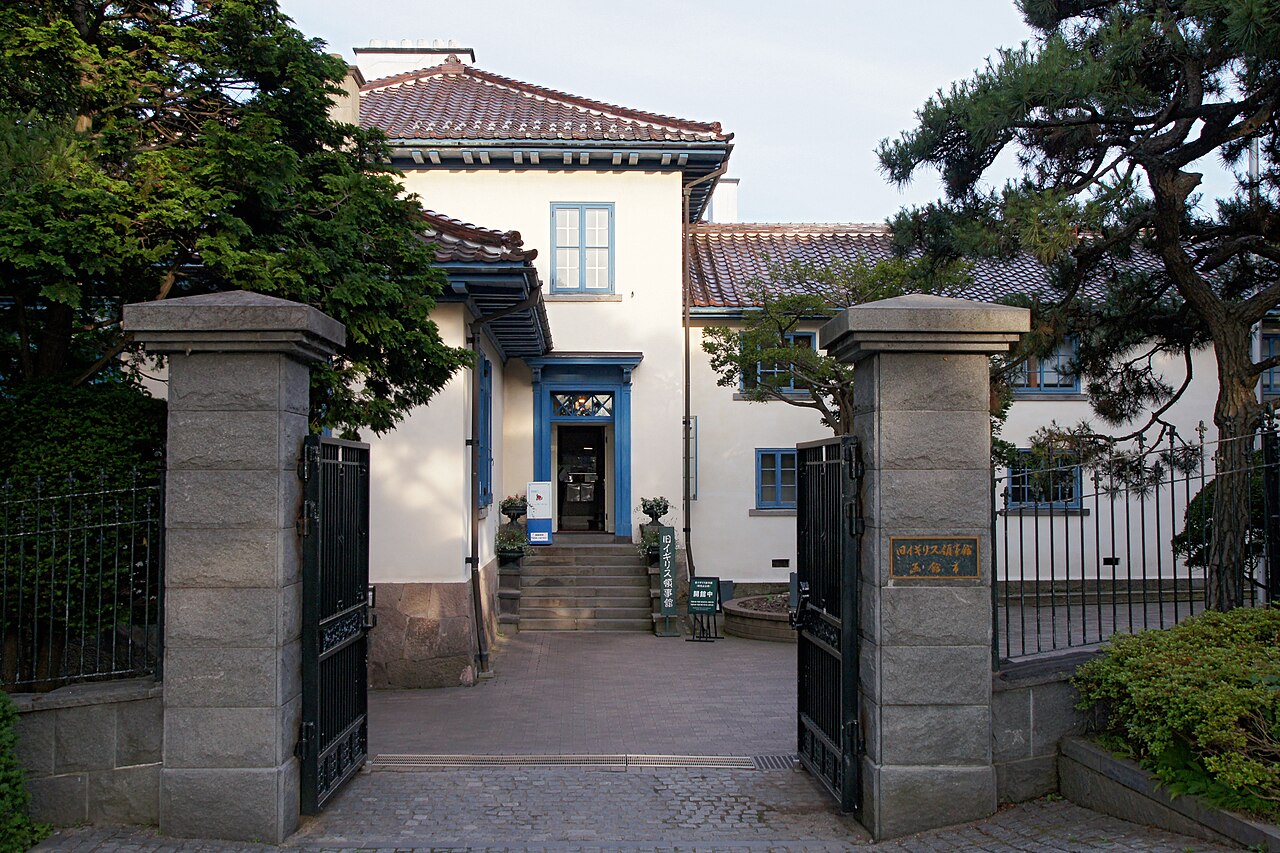
The restored British consulate that served Hakodate's foreign trade era, now a museum with a tearoom and rose garden.
The Former British Consulate of Hakodate is one of the most evocative reminders that this port was, in the mid-19th century, one of Japan's first windows onto the wider world. Set on the historic slopes of the Motomachi district, the pale, colonial-style building tells the story of the decades when foreign diplomats, traders and missionaries settled here after Hakodate opened to international commerce.
Hakodate was designated one of the first three treaty ports opened to foreign trade in 1859, following the end of Japan's long period of seclusion. Britain established a consulate here, and it operated from various premises for more than seven decades until 1934. The current building dates from 1913, rebuilt after an earlier consulate was lost to one of the fires that repeatedly swept the wooden city. After the consulate closed, the structure passed to the city and was eventually restored and opened to the public as a museum of Hakodate's opening to the world.
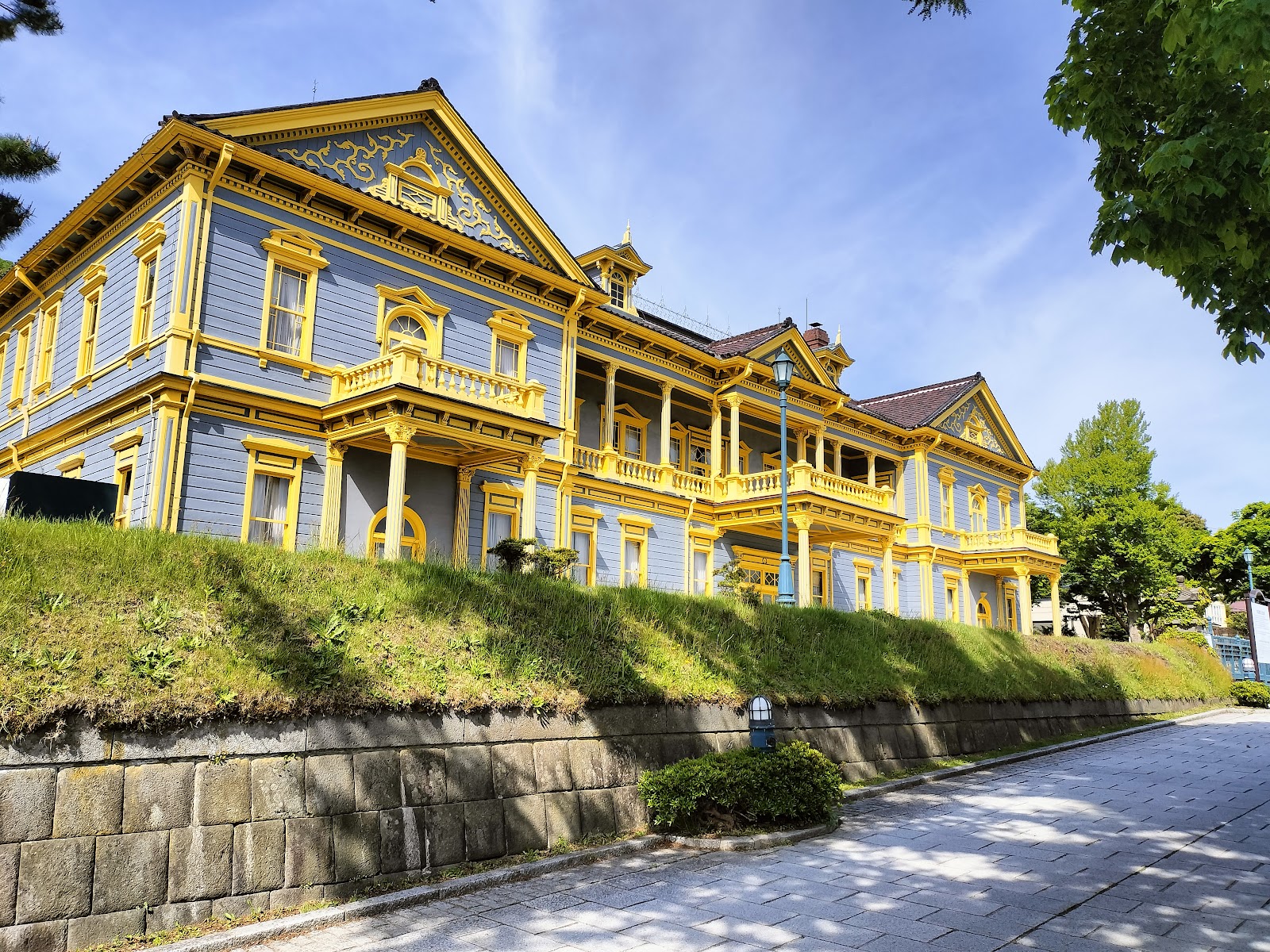
Inside, the ground floor recreates the consul's office and reception rooms with period furnishings, while exhibition spaces trace the history of the port opening, the daily life of the foreign community and the diplomatic relationships that shaped early modern Hakodate. Displays explain how the arrival of foreign ships transformed a remote fishing and trading town into a cosmopolitan gateway, bringing new architecture, food, religion and industry to Hokkaido. The building's own design, with its bright colonial lines and English detailing, is part of the exhibit.
The consulate is deliberately more than a static museum. It houses the Victorian Rose tearoom, where visitors take English afternoon tea with scones and cakes in a period setting, and a gift shop stocked with British-themed goods, tea and souvenirs. Behind the building, a small rose garden blooms through late spring and summer and frames photographs of the elegant facade. This blend of history and hospitality makes it a relaxed, atmospheric stop rather than a demanding one.
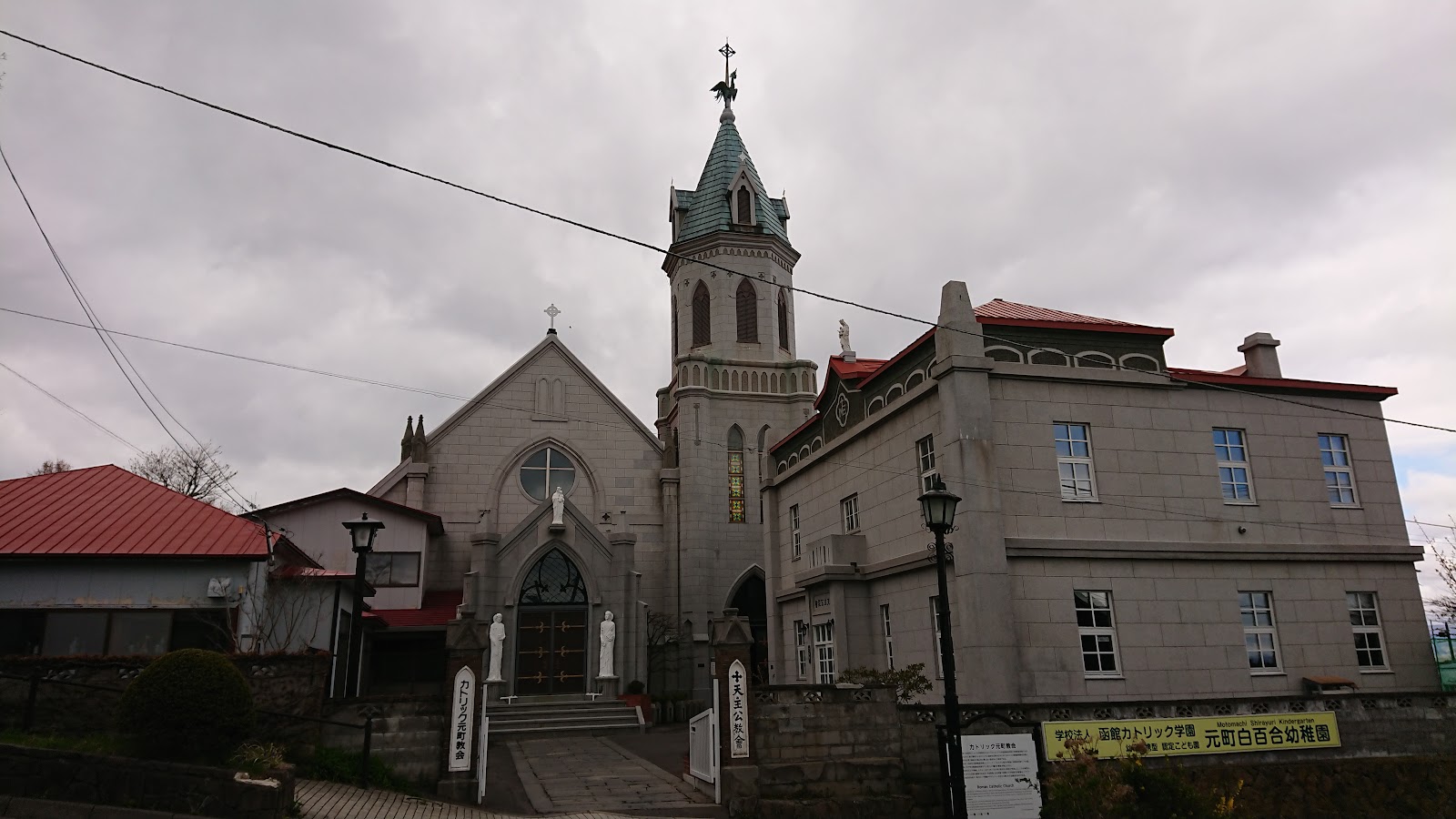
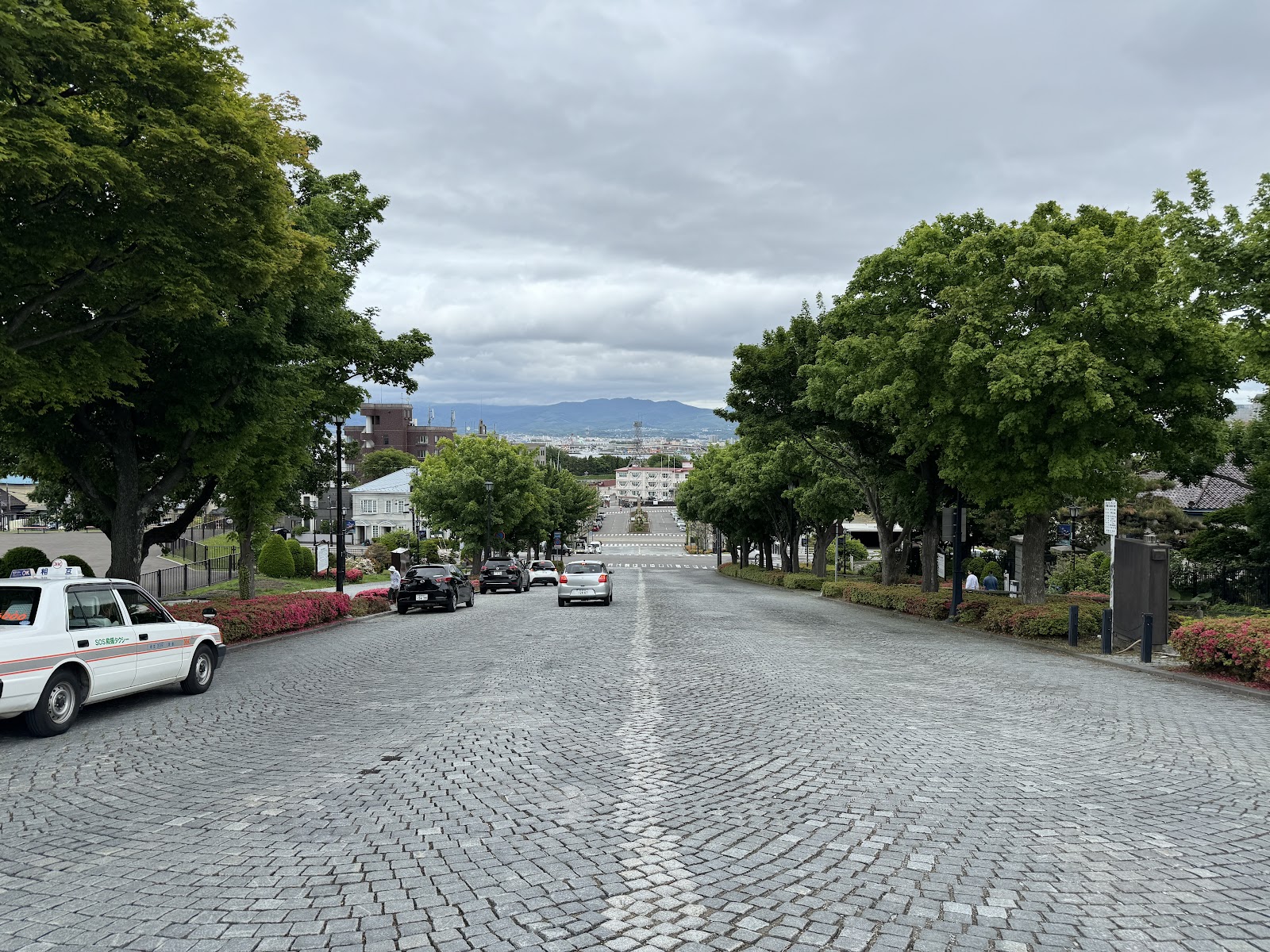
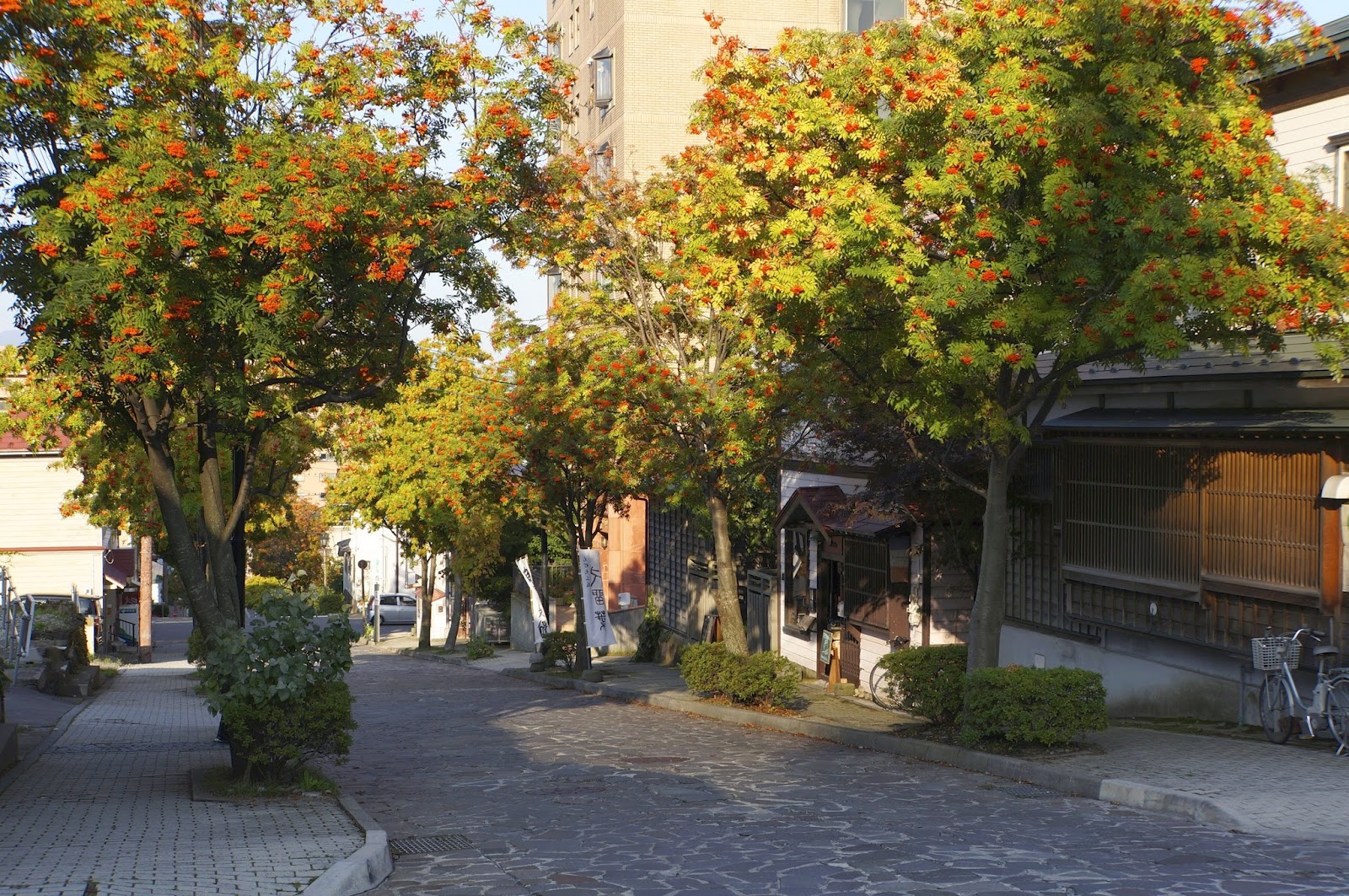
Because it stands in the heart of Motomachi, the consulate is easily combined with the district's other landmarks: the Old Public Hall of Hakodate Ward, the Orthodox, Catholic and Episcopal churches, and the steep photogenic slopes such as Hachiman-zaka that run down toward the harbour. Together they form one of the finest concentrations of Meiji-era Western architecture in Japan.
Reached in a few minutes on foot from the Suehiro-cho tram stop, the Former British Consulate rewards about 45 minutes of exploration, more if you pause for tea. It is a gentle, characterful way to understand how Hakodate became a meeting point of Japanese and Western worlds, and why the Motomachi hillside still carries such a distinctly international air.
A local's tip
Stop for afternoon tea and scones in the consulate's Victorian Rose tearoom, then browse the small gift shop of English-style curios before wandering the rose garden out back.
Best time to visit
Spring for the rose garden in bloom
Getting there
Take the Hakodate City Tram to Suehiro-cho and walk about 10 minutes uphill into the Motomachi district. It is a short stroll from the Old Public Hall and the Motomachi churches, so it fits easily into a walking tour of the historic slopes.
Good to know
- Cafe
- Garden
- Gift shop
- Restrooms
Plan the whole trip offline
Former British Consulate of Hakodate is one of many places in the Real Japan app — with turn-by-turn directions, nearby spots and full offline maps you can use with no signal.