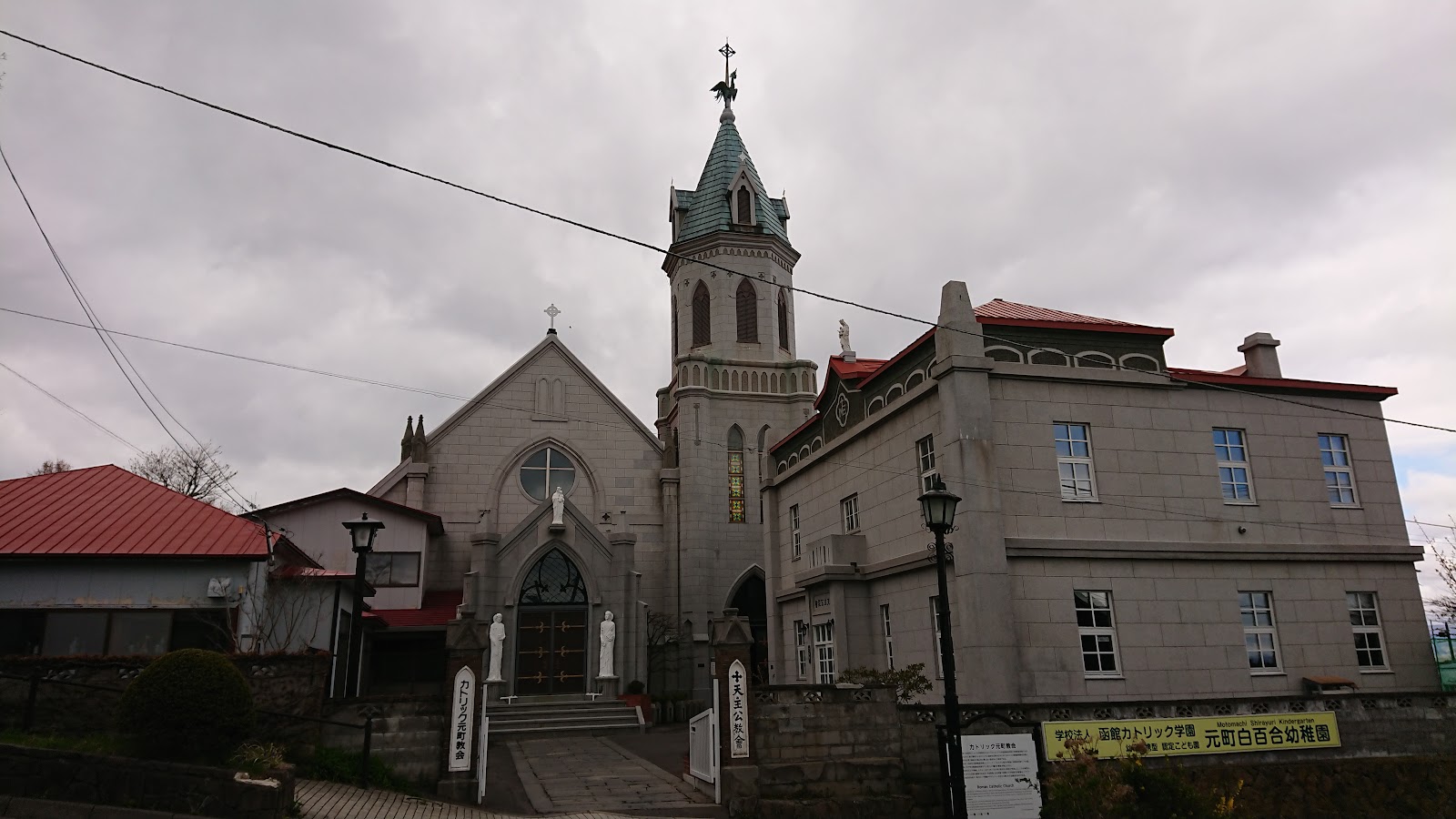
A hillside quarter of steep cobbled slopes, Western churches and old consulates from Hakodate's era as a treaty port.
Motomachi is the historic hillside district that climbs the lower slopes of Mount Hakodate, and it is the single best place to feel the city's cosmopolitan past. When Hakodate became one of the first Japanese ports opened to foreign trade in 1859, merchants, diplomats and missionaries from Russia, Britain, the United States, China and beyond settled here on the hill overlooking the harbour. The neighbourhood they built, a picturesque jumble of Western churches, colonial-style residences and steep straight slopes running down to the water, survives remarkably intact and gives Motomachi an atmosphere unlike anywhere else in Hokkaido.
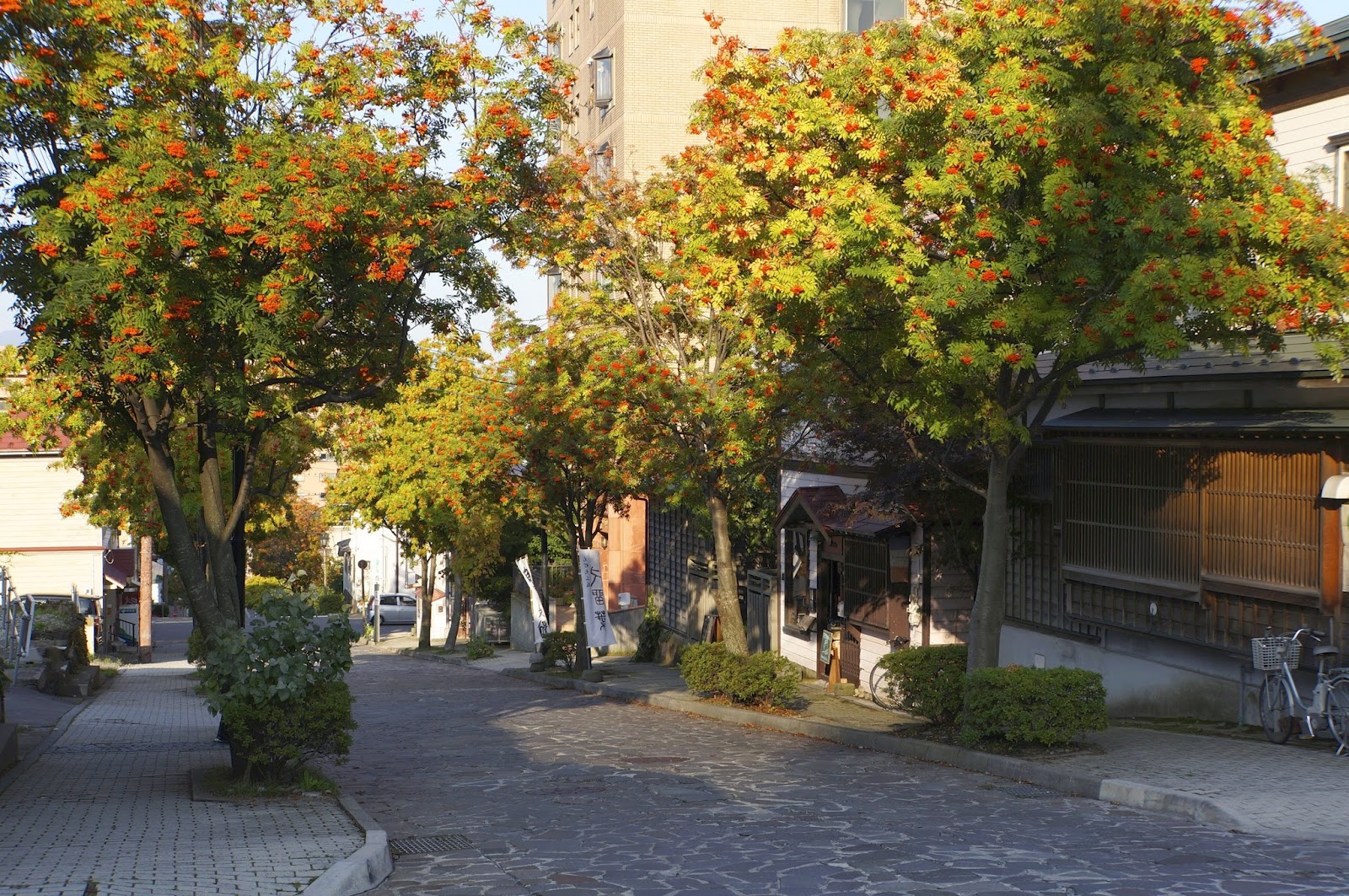
The district's defining feature is its geometry of slopes, or zaka. Because early planners cut streets straight up the hillside to serve as firebreaks, walking Motomachi means climbing a series of dramatic inclines that each frame a view of the bay below. The most famous is Hachiman-zaka, a broad tree-lined slope that descends in a perfectly straight line toward a ship docked in the harbour; it is one of the most photographed streets in Japan and has appeared in films and commercials. Nearby Daisan-zaka and Motoizaka offer similar postcard perspectives.
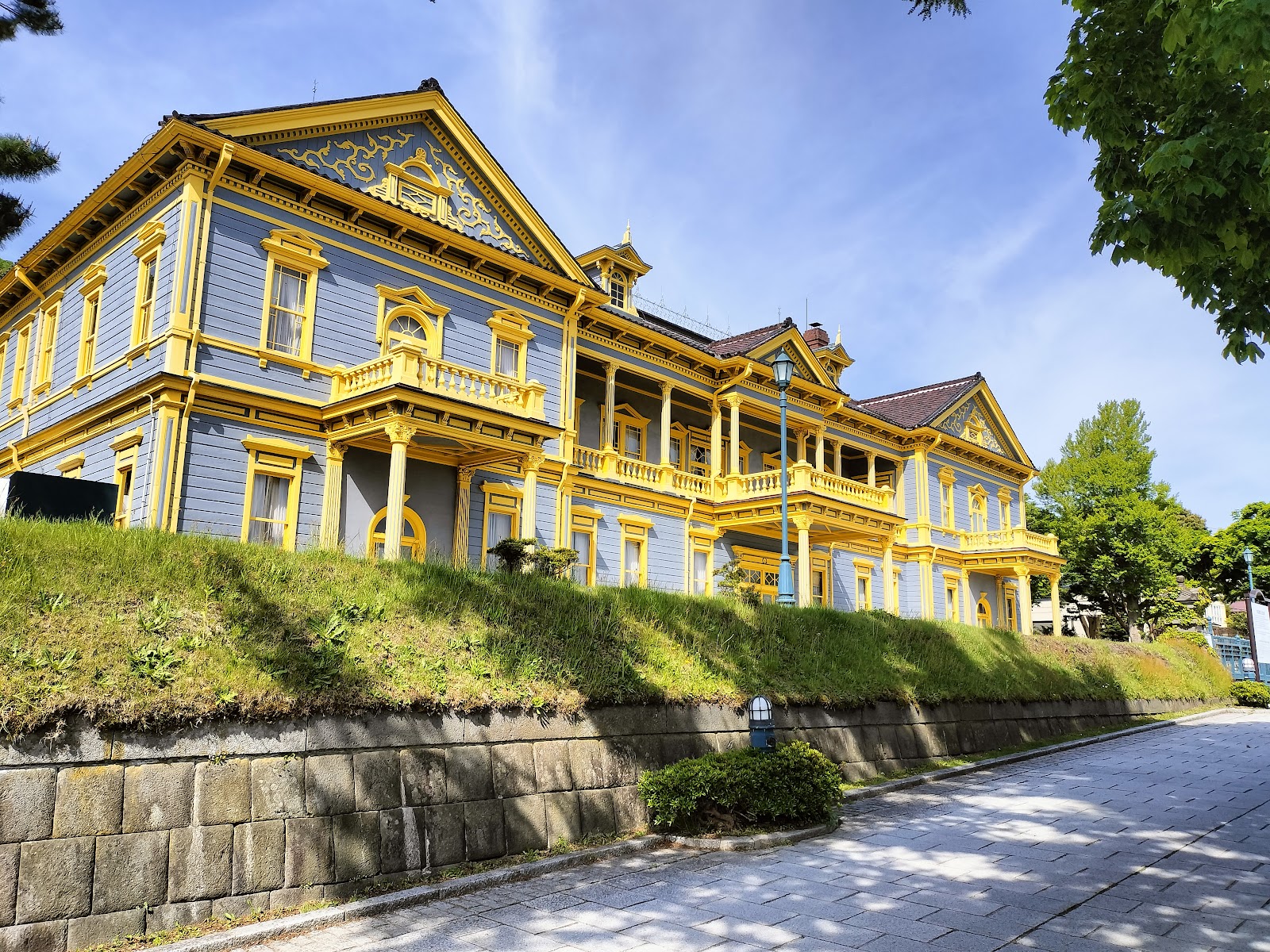
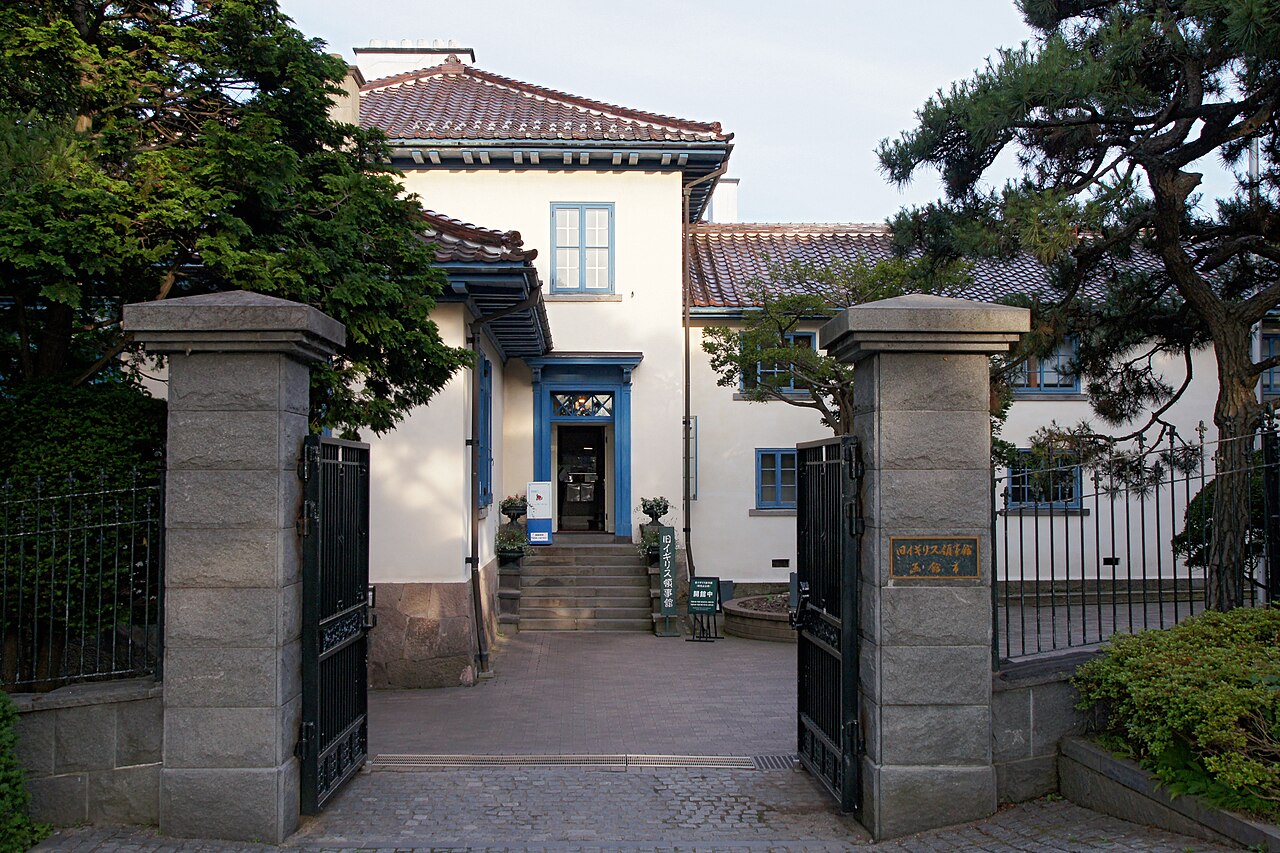
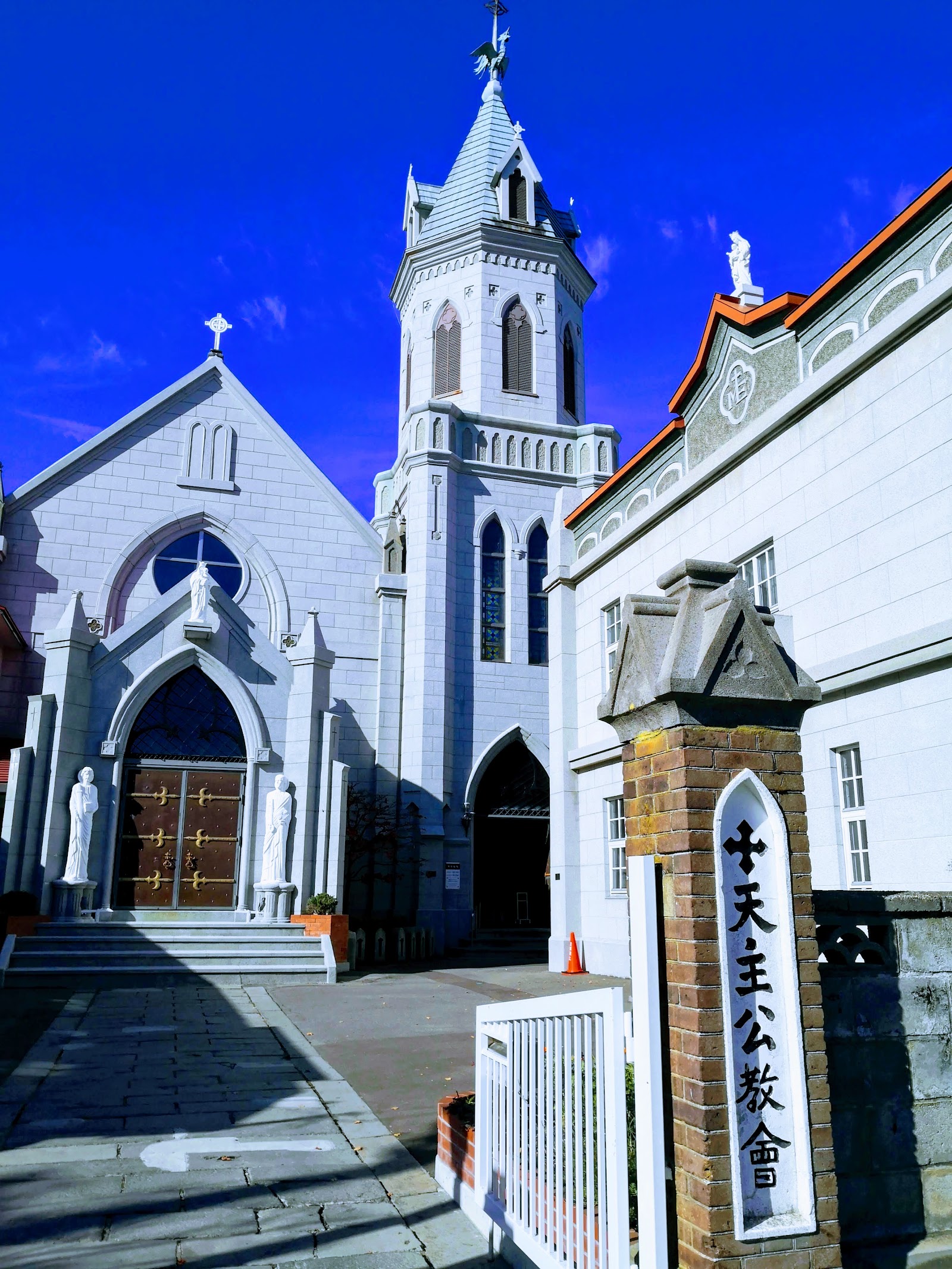
Scattered across these slopes are the landmarks that tell the treaty-port story. The former British Consulate now operates as a small museum and tearoom. The Old Public Hall of Hakodate Ward, a striking blue-and-yellow colonial building, crowns the hill. Churches of several denominations cluster within a few blocks: the green-domed Russian Orthodox church, the Gothic Catholic Motomachi Church, and the Episcopal church all stand within easy walking distance, an unusually dense concentration of foreign architecture. The old Chinese Memorial Hall and various former merchant houses fill out the streetscape.
A notable fact is how thoroughly fire has shaped Motomachi; Hakodate suffered repeated devastating blazes, and many of the "historic" buildings are careful early-twentieth-century rebuildings that incorporated fireproofing and the wide slope-firebreaks that now define the district's charm. What looks purely romantic was born of hard practicality.
The visiting experience is essentially a walking tour, and it rewards slow wandering. Cafés, boutiques and small museums invite pauses, and benches at slope tops offer rest and views. Be prepared for real climbing: the inclines are steep and, in winter, can be icy, so sturdy shoes are wise. Most of the churches and old buildings charge little or nothing to admire from outside, while a few interiors have modest entry fees. Because the streets are always open, you can explore at any hour, though late afternoon into golden hour is magical as the light slants across the harbour.
Every season suits Motomachi. Summer brings lush greenery and long evenings, autumn a gentle warmth of colour, and winter a quiet, snow-hushed beauty that pairs perfectly with the illuminated slopes during the December light festival. Spring is mild and uncrowded.
Getting there is straightforward. From JR Hakodate Station take the historic city tram and alight at Suehirocho or Jujigai, then walk uphill about eight to ten minutes into the district. IC cards work on the tram. Motomachi sits directly below the Mount Hakodate ropeway base, so many visitors explore the slopes and churches in the afternoon and finish at the summit for the night view, an ideal combined itinerary.
A local's tip
Walk up Hachiman-zaka slope for the postcard view straight down to the harbor and a docked ship, best photographed in the late-afternoon light.
Best time to visit
Late afternoon into golden hour
Getting there
Take the tram to Suehirocho, then walk uphill about 8 minutes into the sloping Motomachi neighborhood below Mount Hakodate.
Good to know
- Cafes
- Wi-Fi
- Restrooms
Plan the whole trip offline
Motomachi District is one of many places in the Real Japan app — with turn-by-turn directions, nearby spots and full offline maps you can use with no signal.