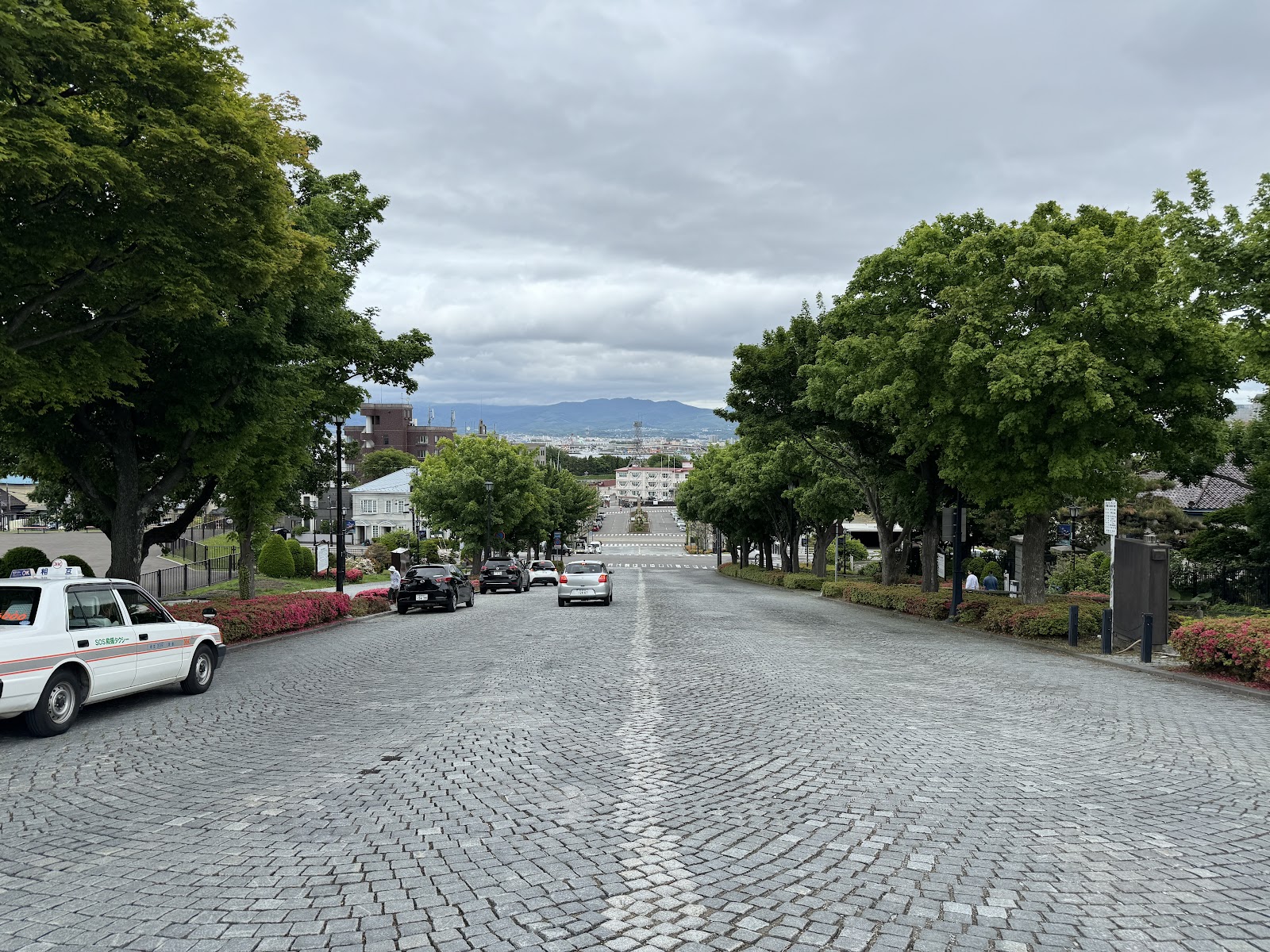
A wide, gas-lamp-lined Motomachi slope past the Old Public Hall, romantic at dusk with harbour views.
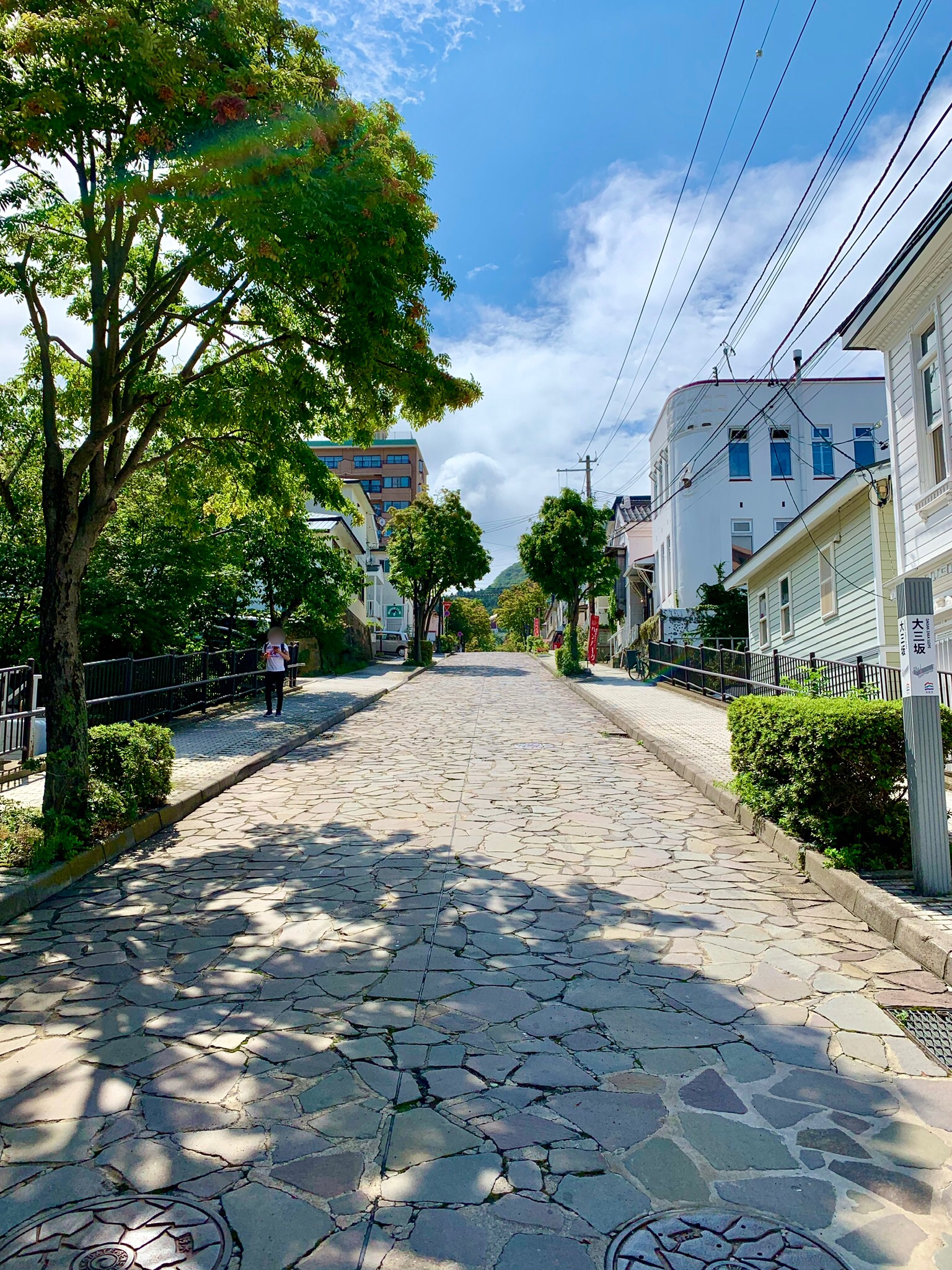
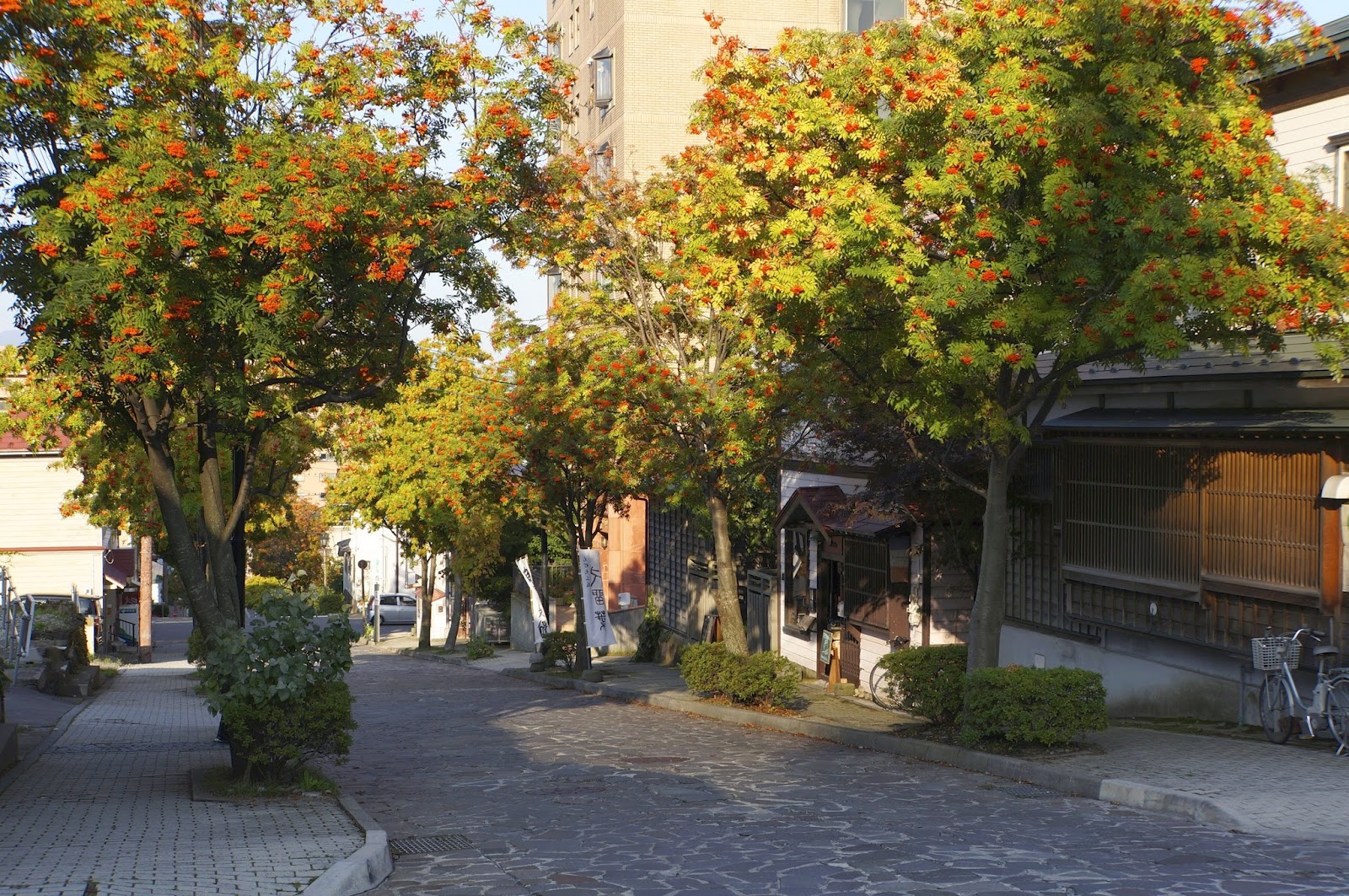
Motoizaka is one of the broad, handsome slopes of Hakodate's Motomachi district, running up the hillside past the elegant Old Public Hall of Hakodate Ward toward the flank of Mount Hakodate. Wide, tree-lined, and set with retro-style gas lamps, it is among the most romantic of the district's streets, particularly at dusk when the lamps glow and the harbour below begins to sparkle with the lights of the evening.
Like the other Motomachi slopes, Motoizaka is both a street and a viewpoint. Looking downhill, the avenue opens toward the port and the bay, offering the framed sea view that is the signature of this hillside quarter, while looking uphill it leads the eye toward the mountain and, along the way, to some of Hakodate's finest historic architecture. Its generous width, the result of the city's fire-conscious rebuilding after repeated blazes, gives it an open, gracious feel, and the ornamental lamps lend it a nostalgic, almost theatrical atmosphere after dark.
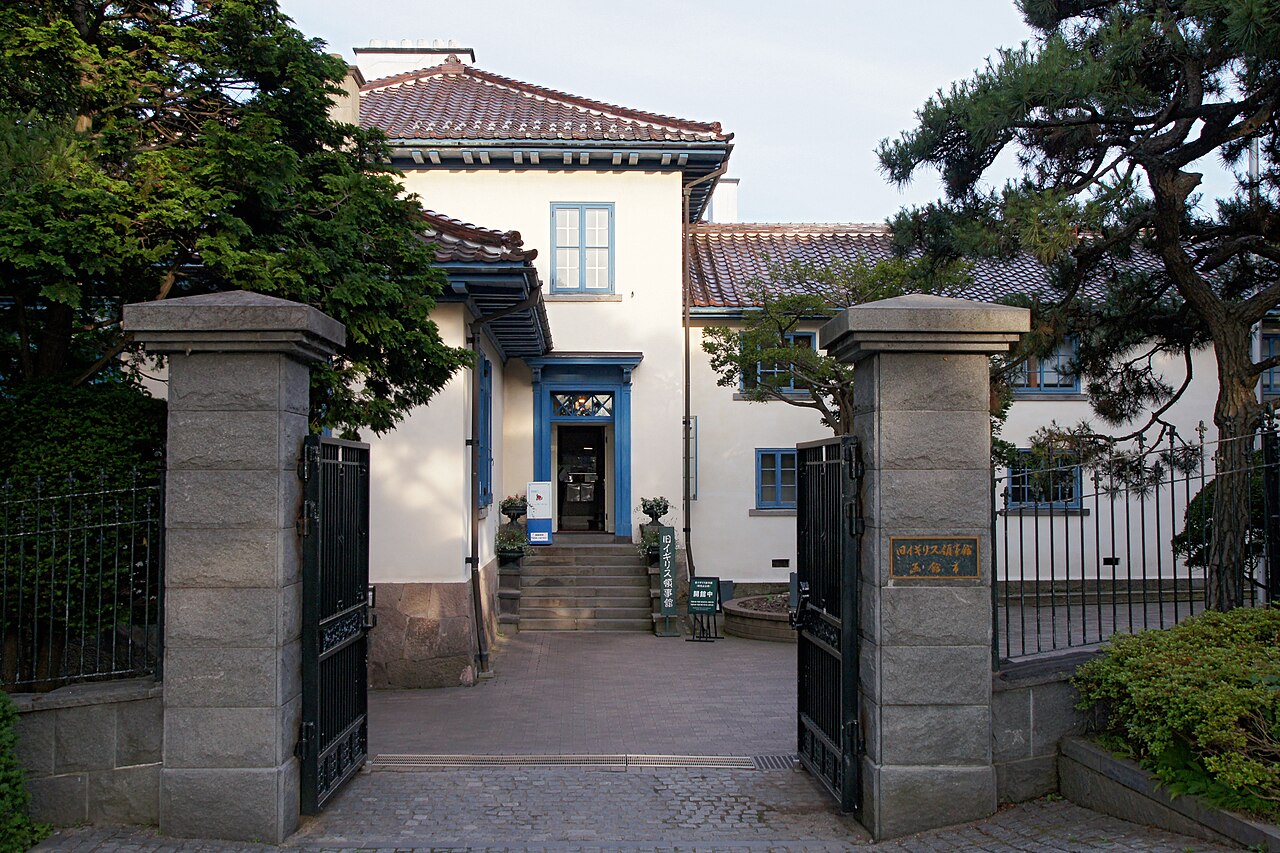
The great landmark of the slope is the Old Public Hall of Hakodate Ward, a beautifully preserved colonial-style building of pale blue and yellow that stands beside the street. Built in the early twentieth century as a public assembly hall, its ornate verandas and symmetrical facade epitomise the Western-influenced architecture that flourished in Hakodate after the port opened to foreign trade, and it is one of the most photographed buildings in the city. The presence of this grand structure gives Motoizaka a particular dignity among the Motomachi slopes and makes it a natural focal point of a walk through the quarter.
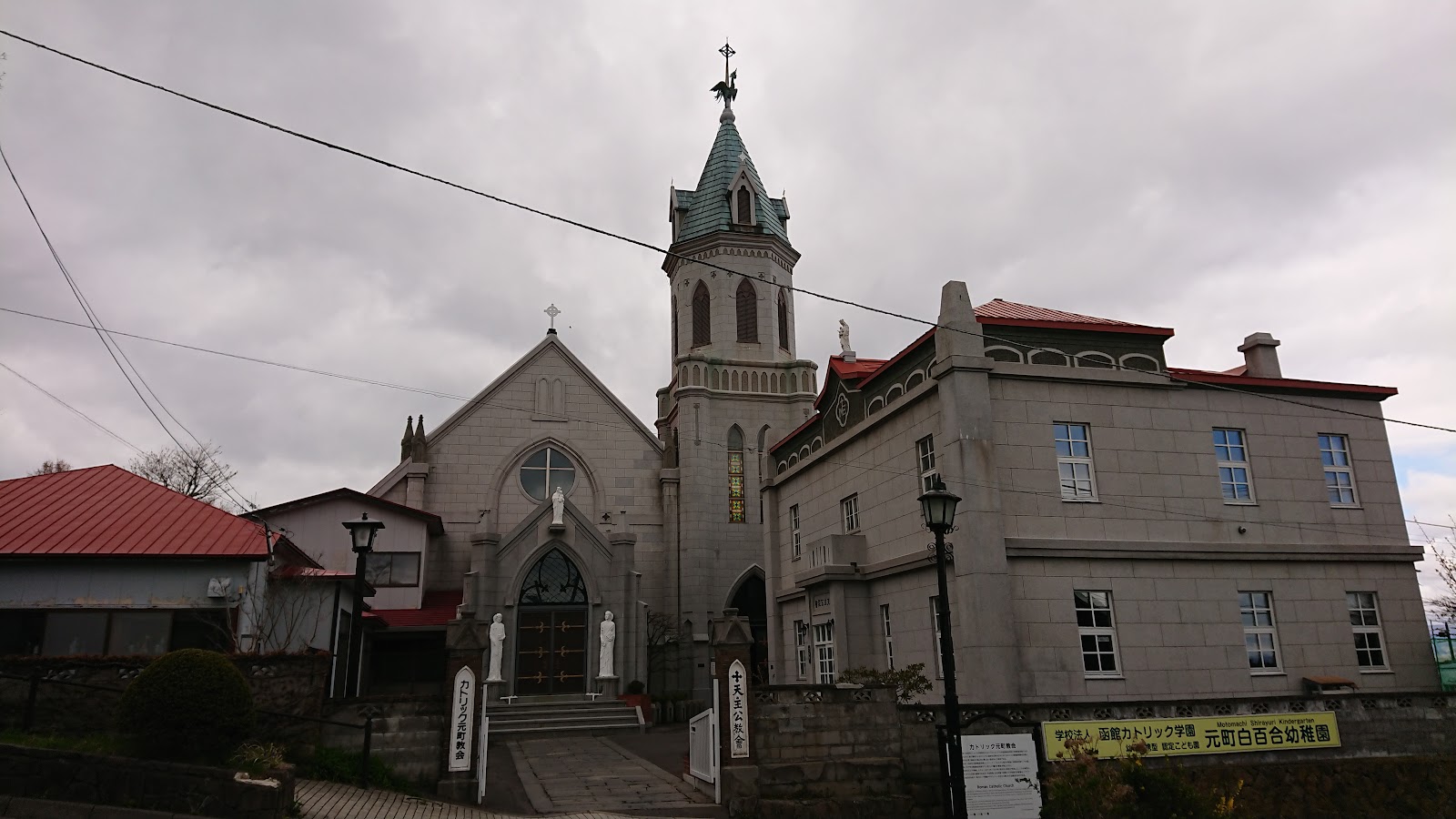
Motomachi as a whole is Hakodate's historic foreign settlement, its hillside laid out with churches, consulates, trading houses, and residences in a cosmopolitan blend of styles unique in Japan, and its slopes are the threads that stitch the waterfront to the elevated town. Motoizaka's contribution is elegance and romance, the wide lamplit avenue and the stately public hall combining to create one of the district's most memorable streetscapes, especially in the soft light of early evening.
The slope is at its most enchanting at dusk. As daylight fades, the gas-style lamps flicker on, the Old Public Hall is often gently illuminated, and the harbour below fills with lights, creating a scene of quiet magic that draws couples and photographers. It is beautiful by day too, with the historic architecture crisp against the sky and the sea, and in winter a fall of snow transforms the whole avenue into a hushed, glowing tableau.
Motoizaka is a public street, free and always open, and easily walkable, its broad, relatively gentle gradient making it one of the more comfortable of the slopes. Cafes and shops nearby offer places to pause, and the Old Public Hall can be toured for a small fee to see its restored interiors.
Reached in a few minutes on foot from the Suehirocho tram stop, Motoizaka sits at the heart of the walkable Motomachi quarter, close to the churches, the neighbouring slopes, and the Mount Hakodate ropeway. Allow around twenty minutes to walk the slope and admire the public hall and the view, longer to tour the building or linger at dusk.
For visitors, Motoizaka offers the most refined and romantic of the Motomachi slope experiences, a wide, lamplit avenue past a grand historic hall, at its loveliest when the evening lights come on above the sparkling harbour.
A local's tip
This broad, gas-lamp-lined slope leads up past the Old Public Hall; come at dusk when the retro lamps light up and the harbour begins to sparkle below.
Best time to visit
Evening when the gas lamps and harbour lights glow
Getting there
A short walk uphill from the Suehirocho tram stop; Motoizaka rises from near the bay past the old public hall area toward Mount Hakodate.
Good to know
- Cafes
- Restrooms
Plan the whole trip offline
Motoizaka is one of many places in the Real Japan app — with turn-by-turn directions, nearby spots and full offline maps you can use with no signal.