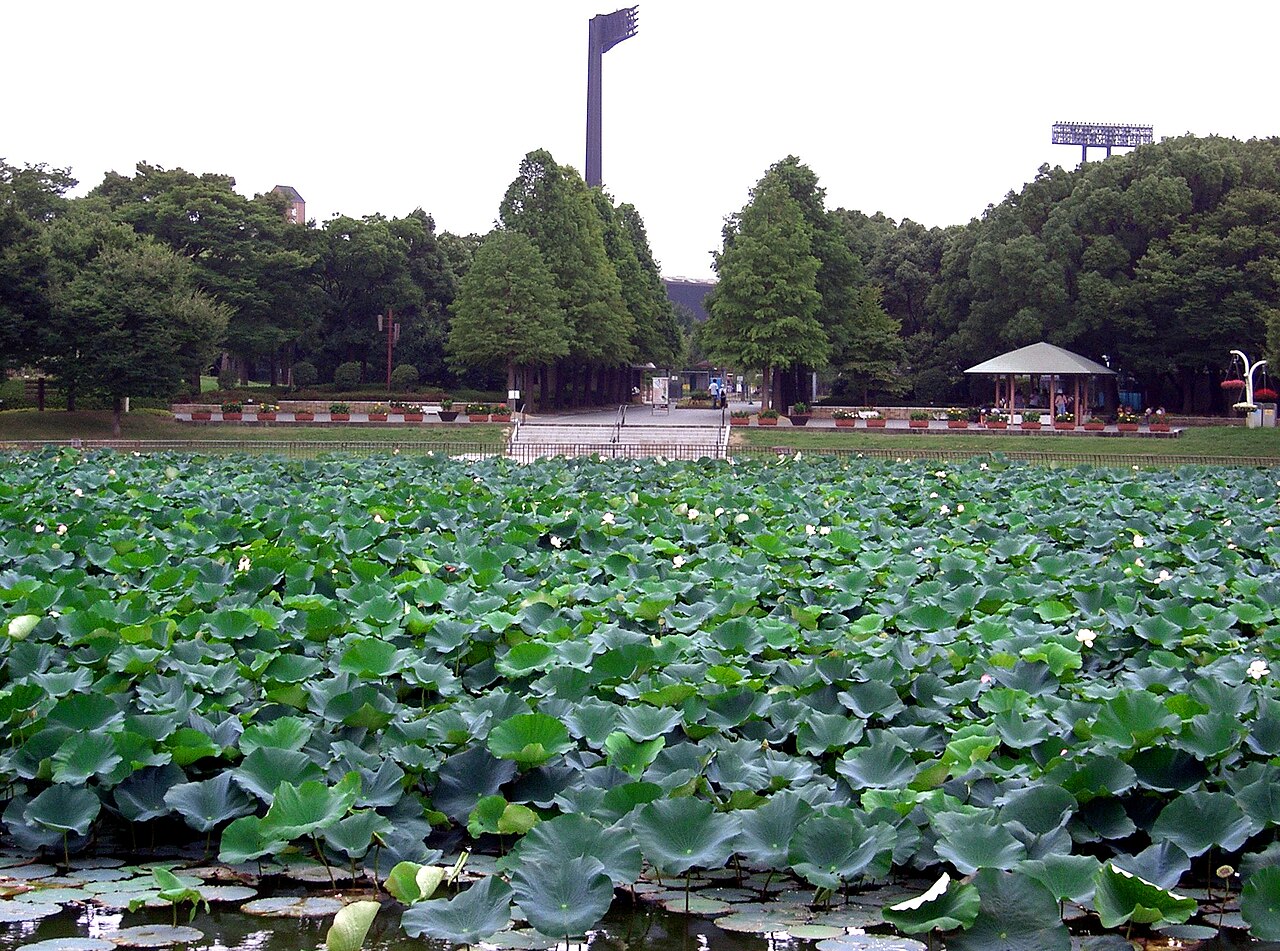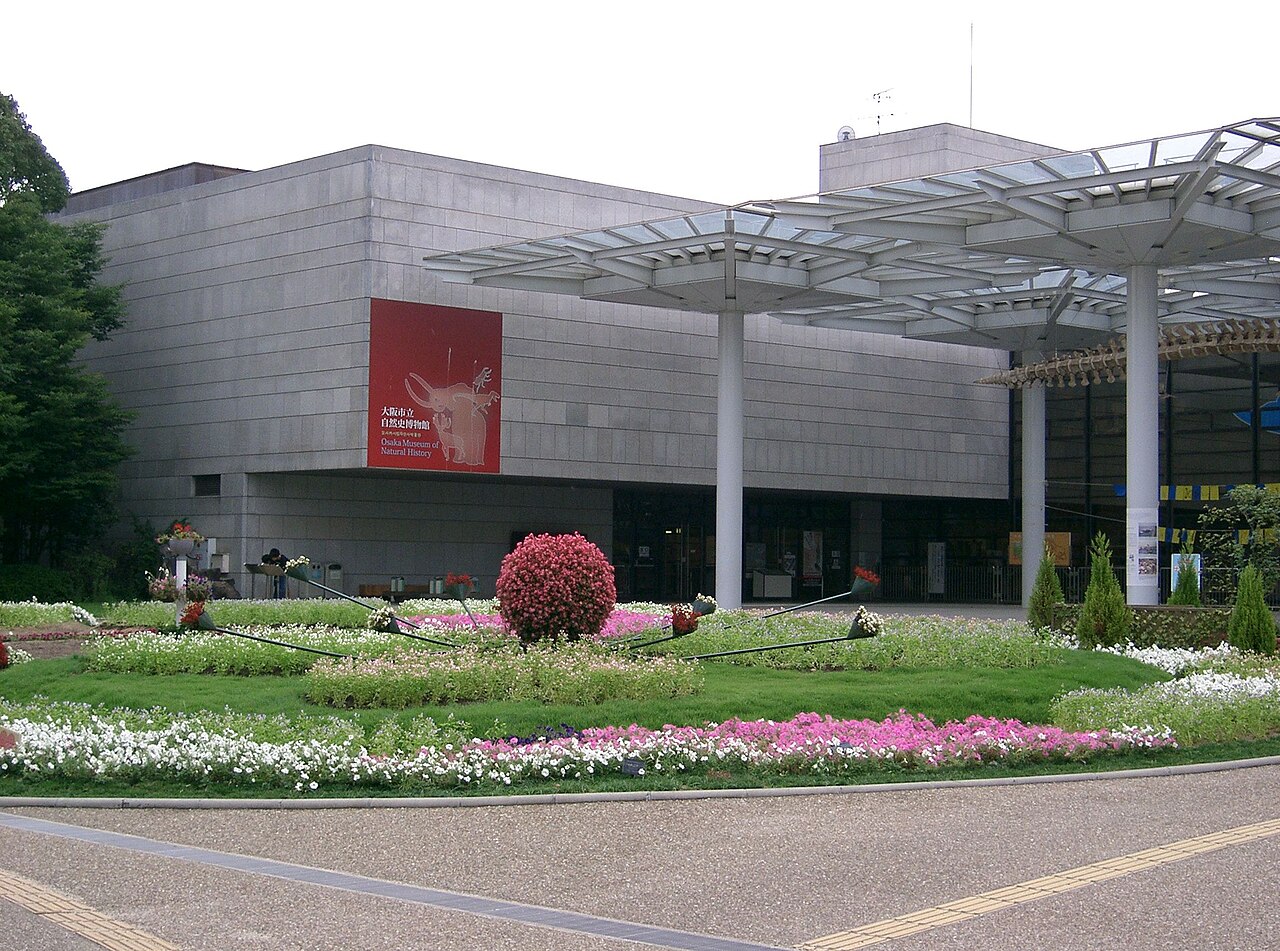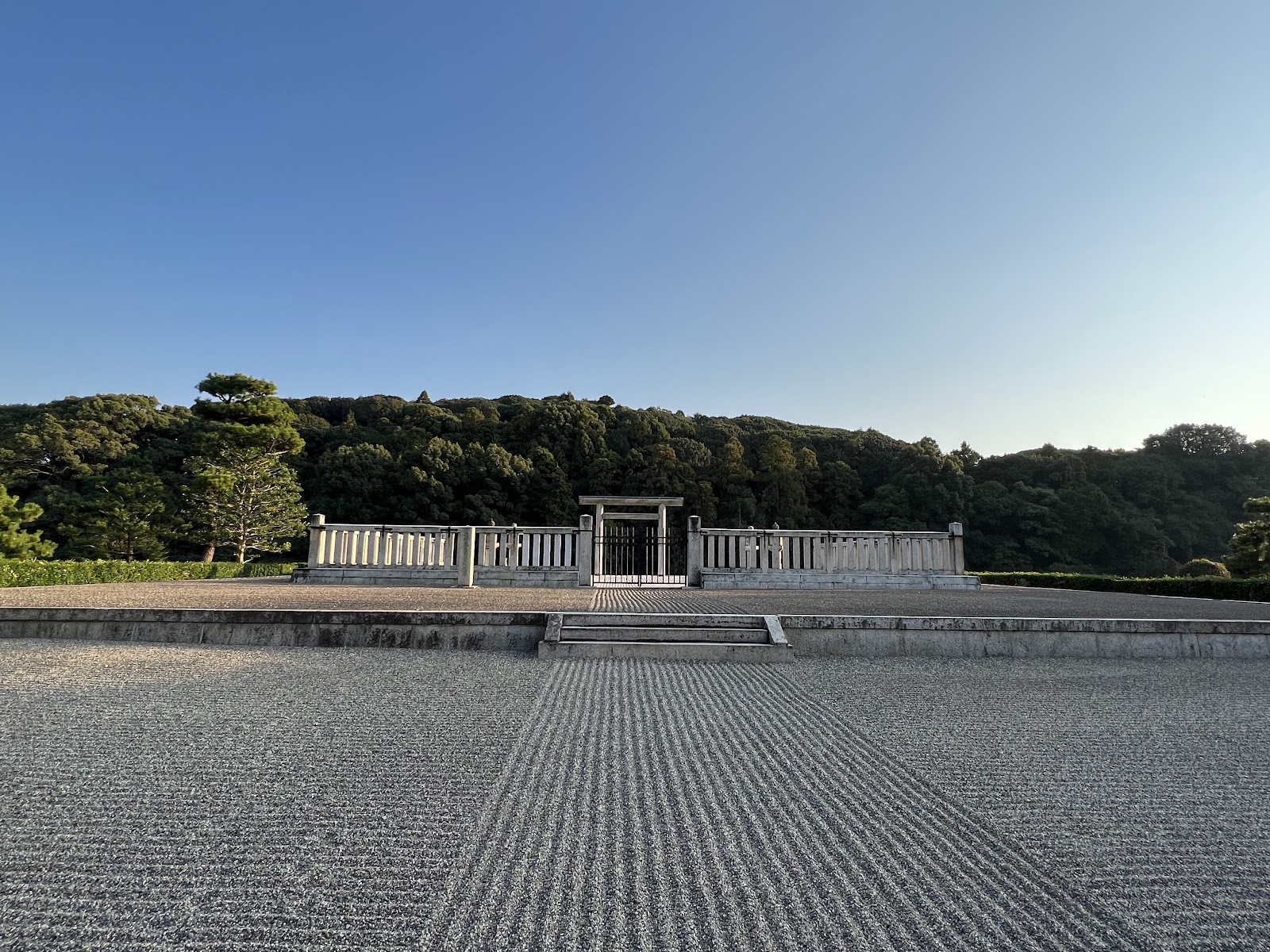
Japan's second-largest kofun by volume, the vast keyhole tomb attributed to Emperor Ojin in Habikino.
The tomb attributed to Emperor Ojin, formally the Konda Gobyoyama Kofun, is the second-largest keyhole-shaped burial mound in Japan and, by sheer volume of earth moved, arguably the most massive tomb in the country. Standing in the city of Habikino southeast of Osaka, it forms the anchor of the Furuichi Kofun cluster, which together with the Mozu group in nearby Sakai makes up the Mozu-Furuichi Kofun Group inscribed as a UNESCO World Heritage Site in 2019. Built in the early fifth century, the mound stretches around 425 metres in length and rises in three great tiers, ringed by moats and mantled in forest, a green mountain of the dead in the middle of a modern suburb.
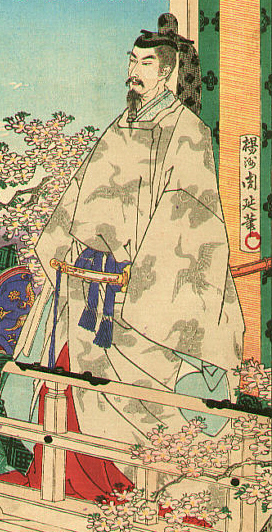
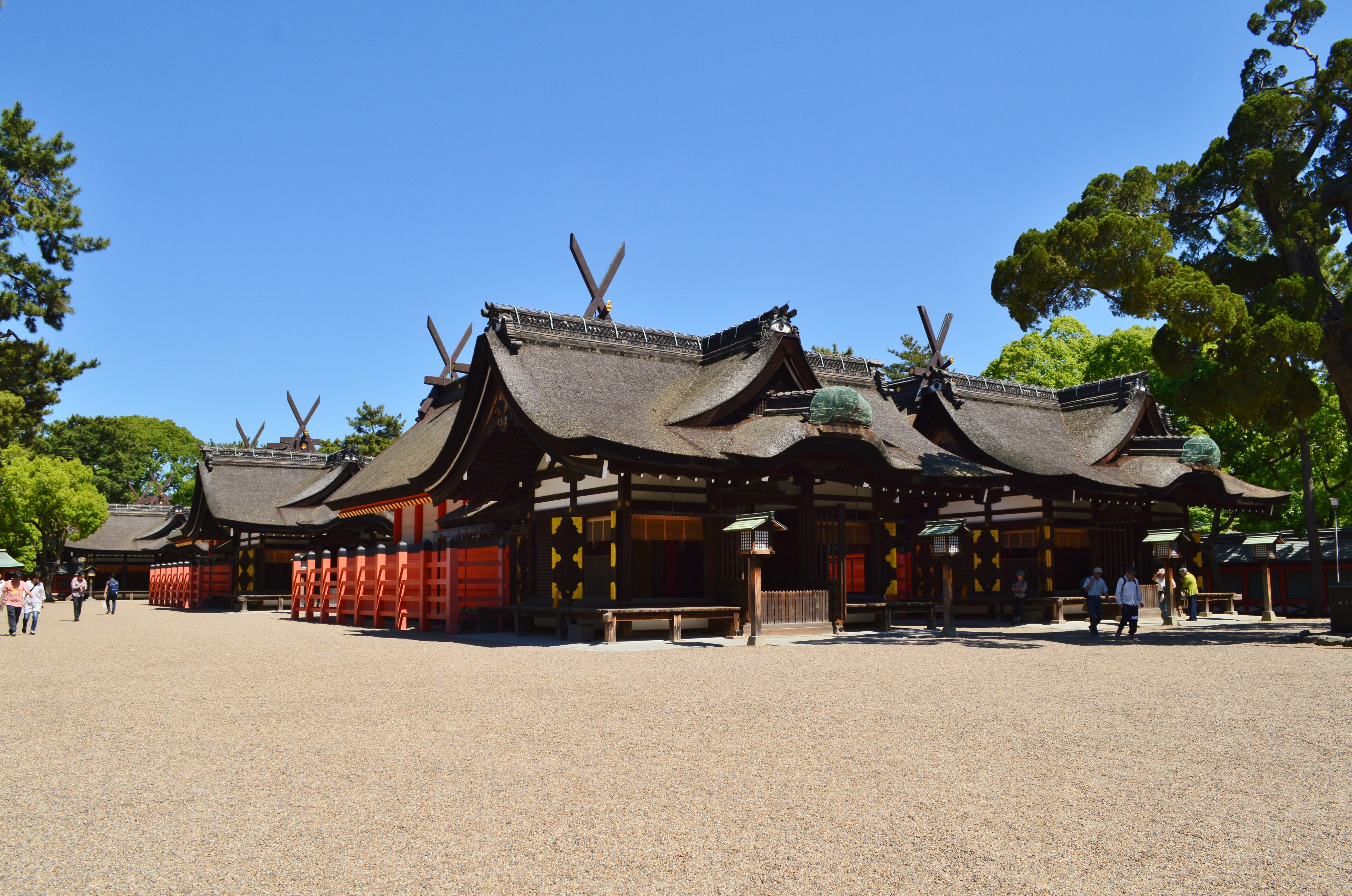
Emperor Ojin is a semi-legendary figure, later deified as Hachiman, the Shinto god of war and one of the most widely worshipped deities in Japan, so this tomb carries a religious as well as a historical charge. The scale of its construction speaks to the growing power of the Yamato court during the Kofun period, when rulers commanded the labour of thousands to raise these earthen monuments and adorned their slopes with rows of haniwa terracotta figures. As with the other great imperial kofun, the mound is administered by the Imperial Household Agency, its interior unexcavated and closed to the public, which preserves both its dignity and its archaeological mystery.
Visitors approach a formal worship point marked by a torii gate and railing at the front of the mound, where the view across the moat to the forested slopes conveys the tomb's overwhelming size. The surrounding Furuichi district is dotted with dozens of smaller kofun of varied shapes, keyhole, round and square, many squeezed among houses, shops and rice paddies, and several of these lesser mounds can be walked around or even climbed, offering a more intimate encounter with the burial landscape than the great imperial tombs allow. Local guidance facilities and signage help visitors piece together the wider necropolis.
Because it sees far fewer tourists than the shrines and castles of central Osaka, a visit here feels like a quiet piece of detective work, tracing the deep prehistory of Japan through green mounds hidden in plain sight. It rewards travellers with a serious interest in archaeology and the origins of the Japanese state, and it pairs naturally with a visit to Daisen Kofun in Sakai to appreciate the twin cores of this remarkable World Heritage landscape.
To get there, take the Kintetsu Minami-Osaka Line to Furuichi Station in Habikino and walk about twelve minutes to the tomb; entry to the grounds is free. Spring is especially pretty when cherry trees bloom along the moats and neighbouring streets. Allow around forty-five minutes to reach the worship point and wander among a few of the surrounding smaller mounds, and wear comfortable shoes, since appreciating this scattered ancient cemetery involves a fair amount of neighbourhood walking.
A local's tip
Pair it with the excellent Habikino visitor guidance and the nearby smaller kofun, several of which sit right beside residential streets and can be walked around freely.
Best time to visit
Spring for blossoms along the moats
Getting there
Take the Kintetsu Minami-Osaka Line to Furuichi Station in Habikino and walk about twelve minutes to the worship point; the tomb anchors the Furuichi half of the Mozu-Furuichi kofun cluster.
Good to know
- Parking
- Restrooms
- Visitor info
Plan the whole trip offline
Emperor Ojin's Tomb (Konda Gobyoyama Kofun) is one of many places in the Real Japan app — with turn-by-turn directions, nearby spots and full offline maps you can use with no signal.