A 24-hectare municipal botanical garden of seasonal flower fields, ponds and woodland within the greenery of Nagai Park.
The Osaka Municipal Nagai Botanical Garden occupies the southeastern corner of Nagai Park, a large sports and recreation greenbelt in the Higashisumiyoshi ward of southern Osaka. Spread across about 24 hectares, it is one of the city's principal botanical collections, combining formal ornamental gardens with ecological plantings that trace the natural vegetation of the Kansai region, from primeval and laurel forests to wetland and grassland habitats.
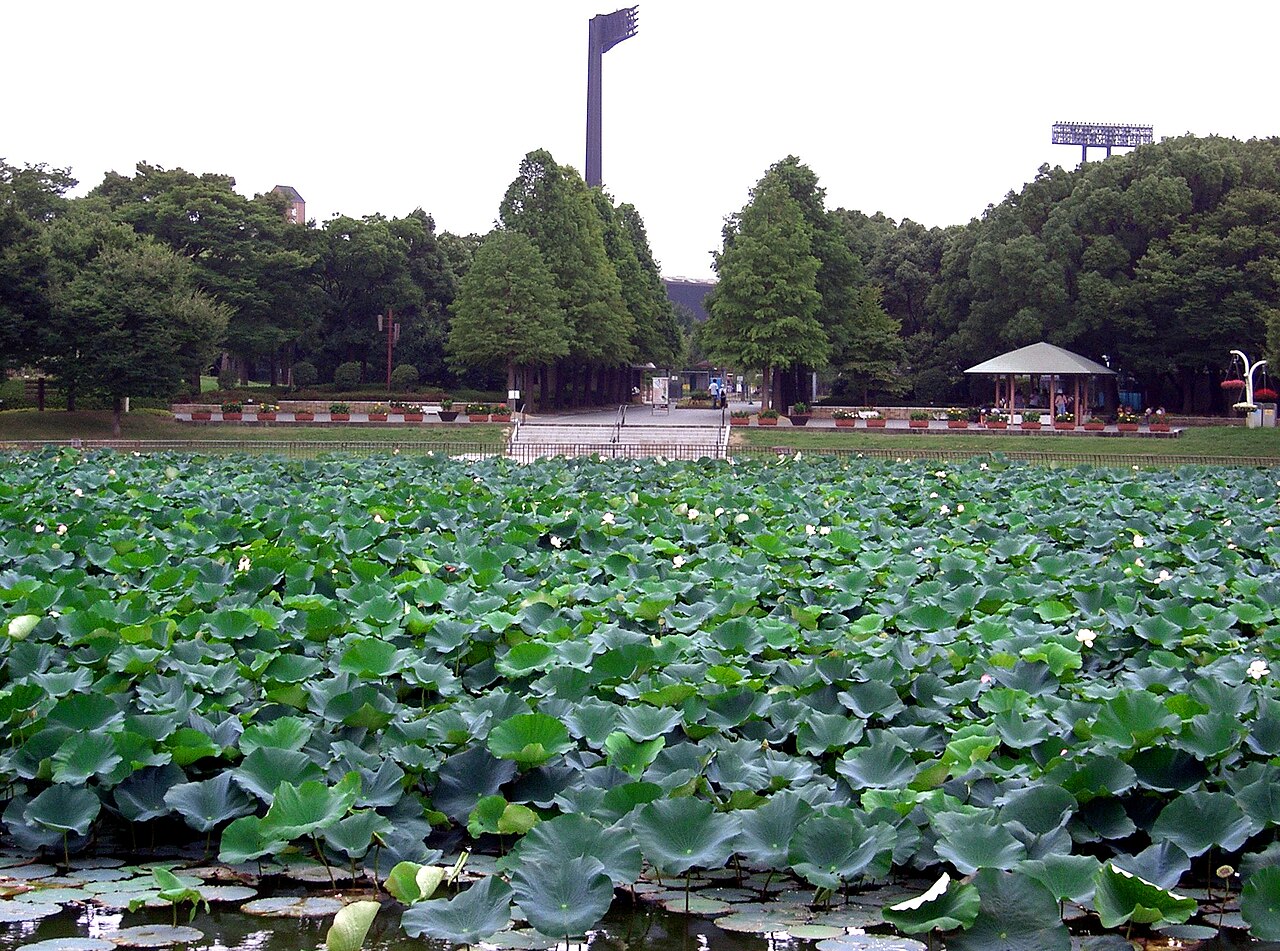
The garden is organised as a series of themed zones and seasonal fields that keep it colourful across the whole year. Near the entrance, broad flower fields blaze with tulips and pansies in spring, then poppies, roses and, in the warmer months, sunflowers. Ponds hold water lilies and lotuses that flower in early summer, while woodland areas offer cherry blossoms in spring and maple color in autumn. Specialist collections of herbs, camellias, hydrangeas and native plants round out the plantings, so there is nearly always something at its peak.
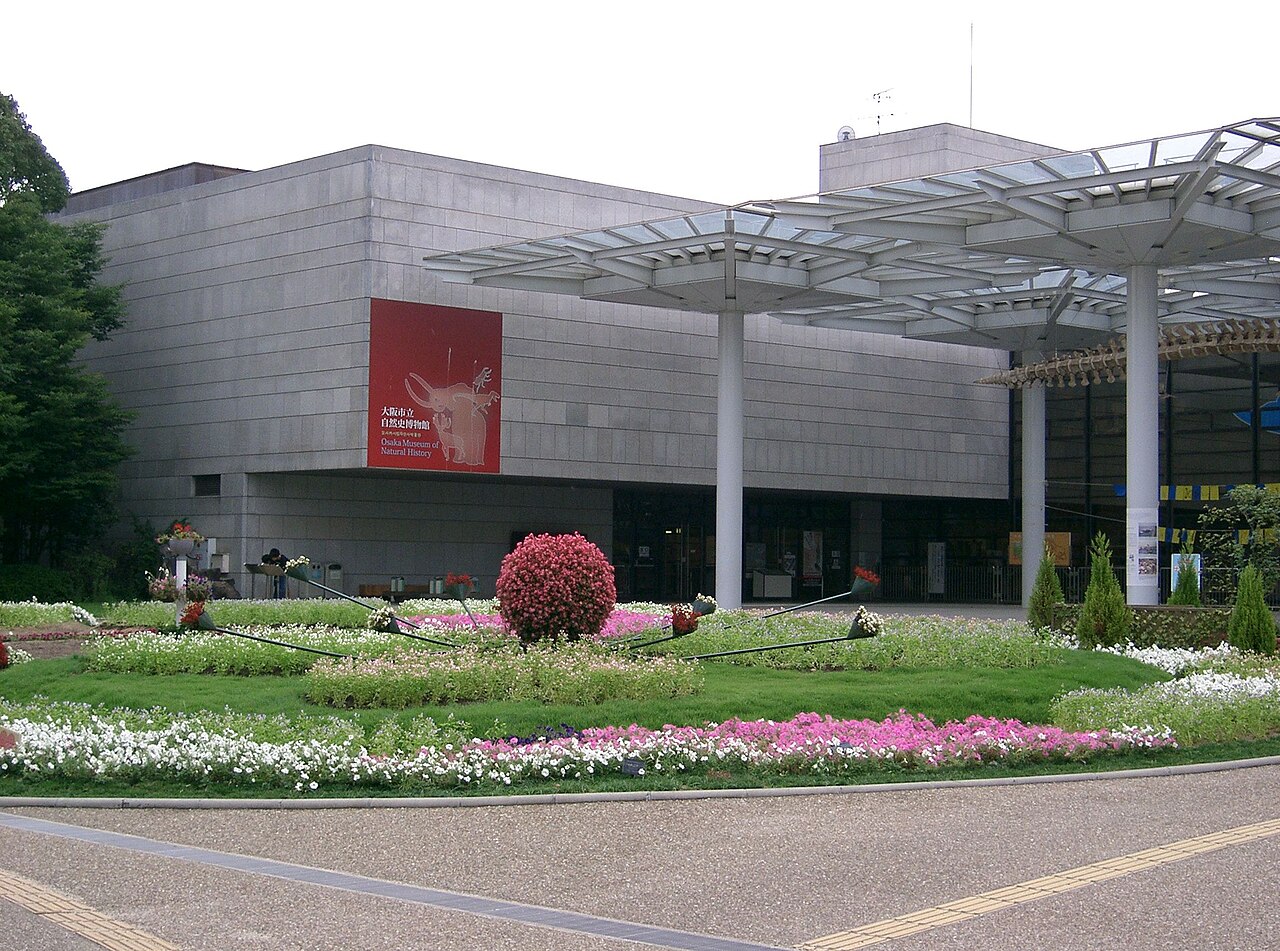
What sets Nagai apart from a purely ornamental garden is its scientific and educational ambition. It sits beside the Osaka Museum of Natural History, and the two together form a campus devoted to the natural world; the garden's ecological zones are designed to show visitors how the landscapes of western Japan actually grow, not merely to display exotic blooms. Interpretive signage and periodic plant markets and exhibitions add depth for anyone with a serious interest in botany or gardening.
The visiting experience is spacious and gentle. Wide, flat paths loop through the grounds, making it easy going for families with strollers, wheelchair users and older visitors, and there are lawns and benches for resting. A thorough visit runs to about 90 minutes, longer if you combine it with the natural-history museum next door, which is one of Osaka's best for children.
The best time to visit depends on your interest: spring for the tulip and rose displays and cherry blossoms, early summer for the lotus and water-lily ponds, and autumn for the changing maples and cosmos fields. Weekdays are quieter; the garden closes on Mondays, so plan around that.
Getting there is easy from central Osaka. Nagai Station is served by the Osaka Metro Midosuji Line, from whose exit 3 the garden is about a 10-minute walk east through Nagai Park, and by the JR Hanwa Line, which is covered by the Japan Rail Pass. Both lines accept ICOCA and other IC cards. The surrounding Nagai Park also holds a stadium, athletics facilities and open lawns, making the whole area a pleasant green destination in a part of the city few tourists reach.
A local's tip
The garden's large natural-history focus means labelled ecological zones rather than just ornamental beds; the seasonal flower fields near the entrance are the photo draw, but the wetland and life-and-nature history museum next door make it a genuine half-day for plant lovers.
Best time to visit
Spring for tulips and roses; early summer for the water lily and lotus ponds
Getting there
From Nagai Station on the Osaka Metro Midosuji Line (exit 3) or the JR Hanwa Line, walk east into Nagai Park for about 10 minutes to reach the botanical garden in its southeastern corner.
Good to know
- Cafe
- Wi-Fi
- Restrooms
Plan the whole trip offline
Nagai Botanical Garden is one of many places in the Real Japan app — with turn-by-turn directions, nearby spots and full offline maps you can use with no signal.