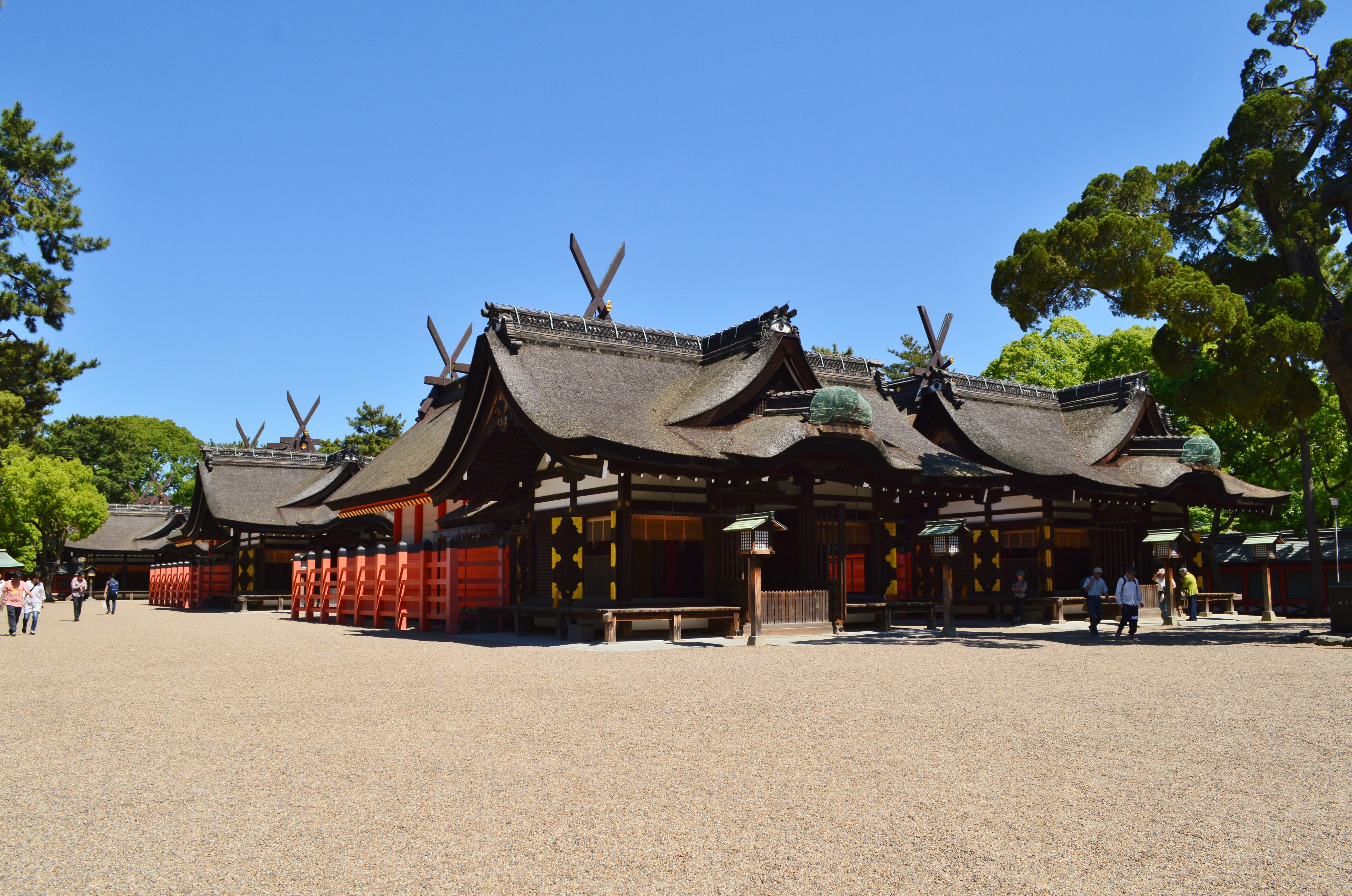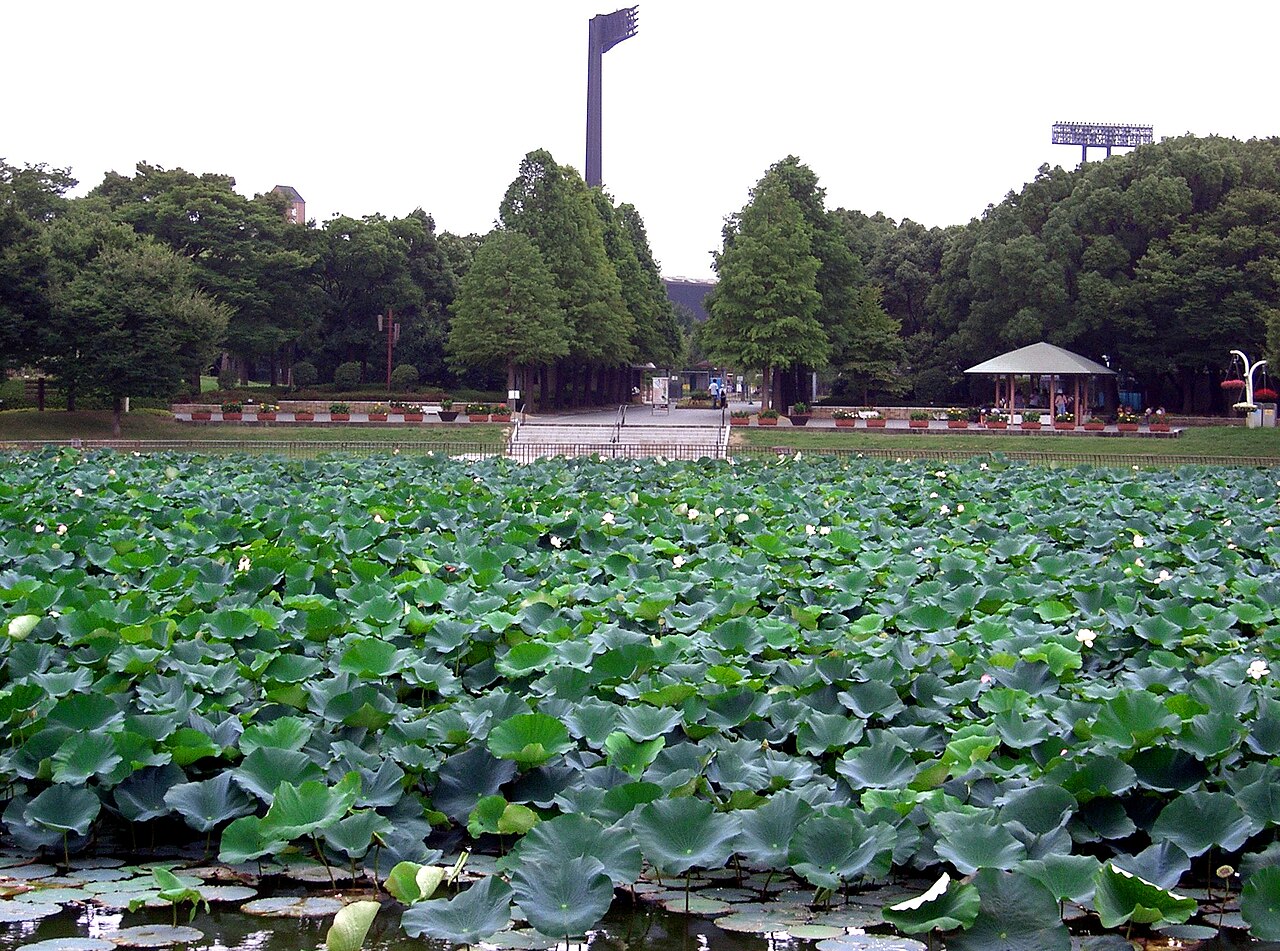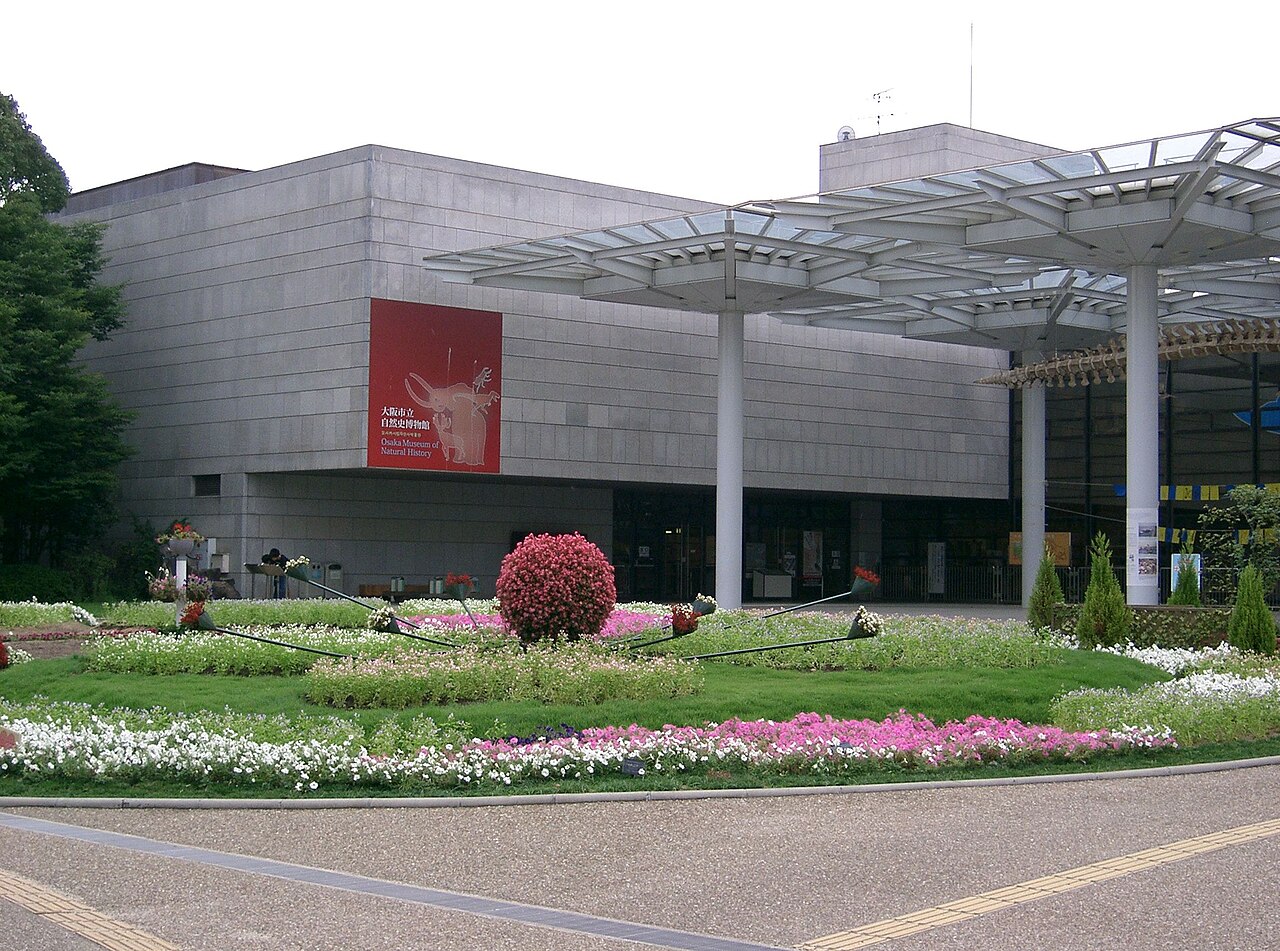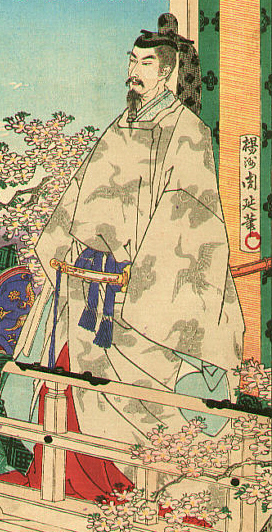
The largest tomb in Japan, a colossal keyhole-shaped kofun and UNESCO World Heritage burial mound in Sakai.
Daisen Kofun, traditionally identified as the tomb of Emperor Nintoku, is the largest burial mound in Japan and one of the largest tombs anywhere in the world, rivalling the Great Pyramid of Giza and the mausoleum of China's first emperor in sheer scale. Built in the fifth century in what is now the city of Sakai, just south of central Osaka, it is the centrepiece of the Mozu-Furuichi Kofun Group, a cluster of ancient tombs inscribed as a UNESCO World Heritage Site in 2019. The mound is a colossal keyhole shape, a round rear joined to a trapezoidal front, measuring roughly 486 metres in length and surrounded by three concentric moats, its slopes cloaked in dense forest that has grown wild over fifteen centuries.
The tombs of this era, known as kofun, give their name to an entire period of Japanese history, the Kofun period, when powerful clan chieftains and early emperors were interred beneath vast earthen mounds surrounded by haniwa, the terracotta figures of people, animals and houses that were arranged on the slopes. The construction of Daisen Kofun would have required an immense mobilisation of labour over many years, a monument to the wealth and authority of the Yamato rulers who were consolidating power across the archipelago. Because the Imperial Household Agency administers it as an active imperial mausoleum, the mound itself is off limits, its interior unexcavated and its secrets largely intact, which only adds to its aura of mystery.
Visitors cannot climb or enter the tomb, but a path leads to a formal worship point at the front, where a torii gate and a view across the outer moat convey the scale in a way photographs cannot. The best appreciation of its famous keyhole silhouette, however, comes from above: the free observatory on the twenty-first floor of nearby Sakai City Hall offers a panoramic view over the whole tomb landscape, and interpretive displays there and at the Sakai City Museum in the adjoining Daisen Park explain the archaeology and the wider kofun culture. Walking the tree-lined perimeter path, a loop of several kilometres, is a peaceful way to sense the monument's immensity while herons stalk the reed-fringed moats.
For history-minded travellers, Daisen Kofun is essential, an encounter with the deep, half-legendary origins of the Japanese state that predates the more familiar castles and temples by a thousand years. It pairs naturally with the surrounding Daisen Park, the Sakai City Museum, and the many smaller kofun scattered across the district, several of which can be climbed or viewed more closely.
Getting there is straightforward: take the JR Hanwa Line to Mozu Station, an eight-minute walk from the tomb front, or use Mikunigaoka Station for the city hall observatory. Admission to the grounds is free. Come on a clear day for the best light, allow at least an hour, and start at the observatory or museum so that when you stand at the moat's edge you can picture the vast keyhole stretching away into the trees before you.
A local's tip
You cannot climb the tomb, but the free 21st-floor observatory of Sakai City Hall near Mikunigaoka Station gives the best available view of its keyhole outline.
Best time to visit
Clear mornings; visit the nearby city hall observatory for the shape
Getting there
From central Osaka take the JR Hanwa Line to Mozu Station, from where the front of the tomb is about an eight-minute walk; alternatively use Mikunigaoka Station on the Nankai and JR lines and walk through the surrounding kofun park.
Good to know
- Parking
- Restrooms
- Visitor info
Plan the whole trip offline
Daisen Kofun (Emperor Nintoku's Tomb) is one of many places in the Real Japan app — with turn-by-turn directions, nearby spots and full offline maps you can use with no signal.