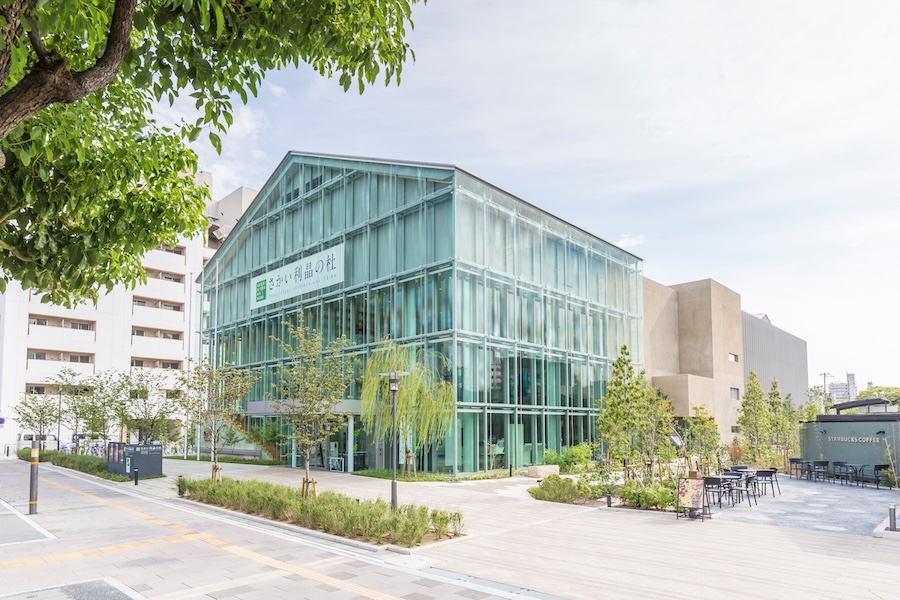
Cultural center celebrating Sakai's golden age as a free merchant city, birthplace of tea master Sen no Rikyu.
The Sakai Plaza of Rikyu and Akiko, known in Japanese as Sakai Risho no Mori, is a cultural facility that tells the remarkable story of Sakai, the merchant port south of Osaka that in the sixteenth century was one of the wealthiest and most cosmopolitan cities in Japan. During the turbulent Sengoku period, Sakai grew rich on overseas trade, importing firearms, silk and exotic goods, and it enjoyed an unusual degree of self-government, run by a council of merchant elders and defended by its own moats, so that it was sometimes compared to the free cities of Renaissance Europe. It was in this confident, worldly milieu that two of Sakai's most famous figures were shaped, and the center is named for both.
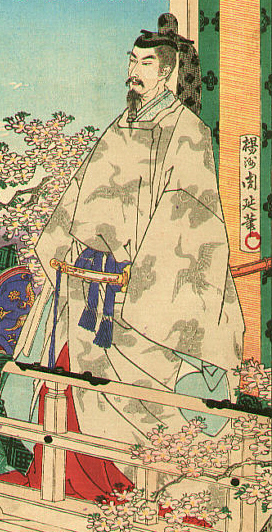
The first is Sen no Rikyu, the tea master who, in the service of the warlords Oda Nobunaga and Toyotomi Hideyoshi, refined the Japanese tea ceremony into the profound aesthetic and spiritual discipline we know today. Rikyu, a Sakai native and merchant himself, elevated the ideals of wabi, a beauty of simplicity, rusticity and restraint, that reverberate through Japanese art and design to this day, before falling foul of Hideyoshi and being ordered to commit ritual suicide. The second figure is Yosano Akiko, a passionate poet born in Sakai in 1878 whose bold, sensuous verse shocked and thrilled Meiji-era Japan and made her a pioneering voice for women.
Inside the facility, exhibits introduce the history of the merchant city and the lives and legacies of these two figures, with displays on Rikyu's tea philosophy and Akiko's revolutionary poetry, presented in an accessible, engaging way. The undoubted highlight is an authentic tea room where visitors can take part in a tea ceremony experience, sipping whisked matcha in a setting that honours Rikyu's principles, a rare chance to encounter the tradition at its very source. The center also serves as a tourist gateway for exploring the wider old town of Sakai, with its surviving traditional workshops, temples and the famous cutlery and incense trades that still flourish here.
For travellers interested in Japanese cultural history beyond the usual castles and temples, Sakai offers a fascinating alternative narrative, that of the merchant, the trader and the artist rather than the samurai, and this center is the ideal place to begin. It pairs well with the nearby Mozu kofun tombs and with a stroll through Sakai's atmospheric backstreets, where knife-makers still forge blades by hand as they have for centuries.
To visit, take the Nankai Main Line to Sakai Station and walk about ten minutes into the old town. Admission is modest, and it is well worth reserving a tea experience in advance to make the most of the visit. Allow about an hour for the exhibits and tea, longer if you continue on to explore Sakai's historic streets and craft workshops, which reward unhurried wandering.
A local's tip
Book a matcha experience in the authentic tea room to connect directly with Sakai's role as the birthplace of the tea ceremony under Sen no Rikyu.
Best time to visit
Any time; reserve ahead for a tea ceremony
Getting there
Take the Nankai Main Line to Sakai Station and walk about ten minutes into the old merchant town; the facility stands in the historic heart of Sakai, near the sites associated with the tea master Sen no Rikyu.
Good to know
- Exhibits
- Tea room
- Restrooms
- Tourist info
Plan the whole trip offline
Sakai Plaza of Rikyu and Akiko (Sakai Risho no Mori) is one of many places in the Real Japan app — with turn-by-turn directions, nearby spots and full offline maps you can use with no signal.