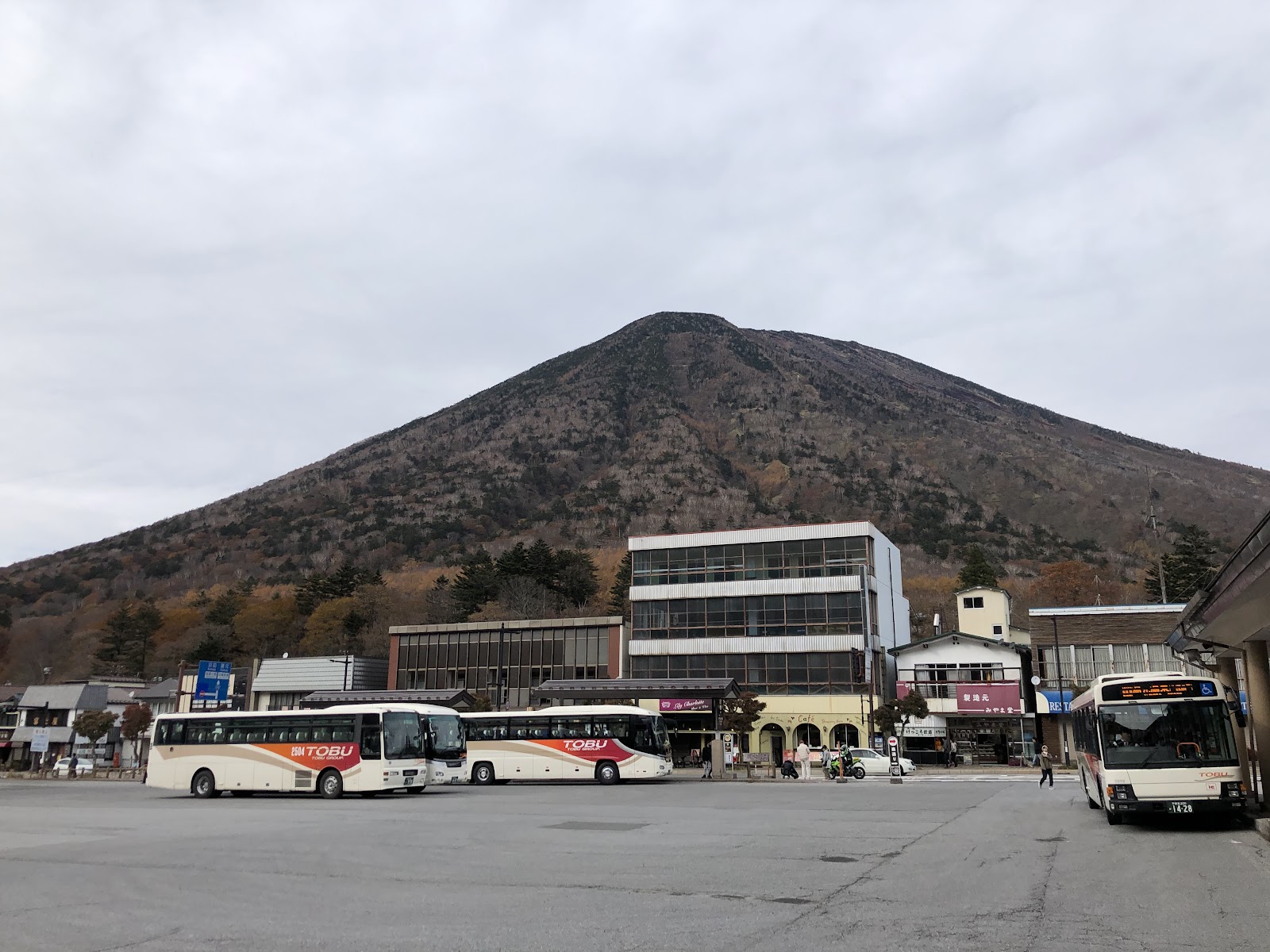
Compact hot-spring resort town on the eastern shore of Lake Chuzenji, the gateway hub of Okunikko at 1,269 m elevation.
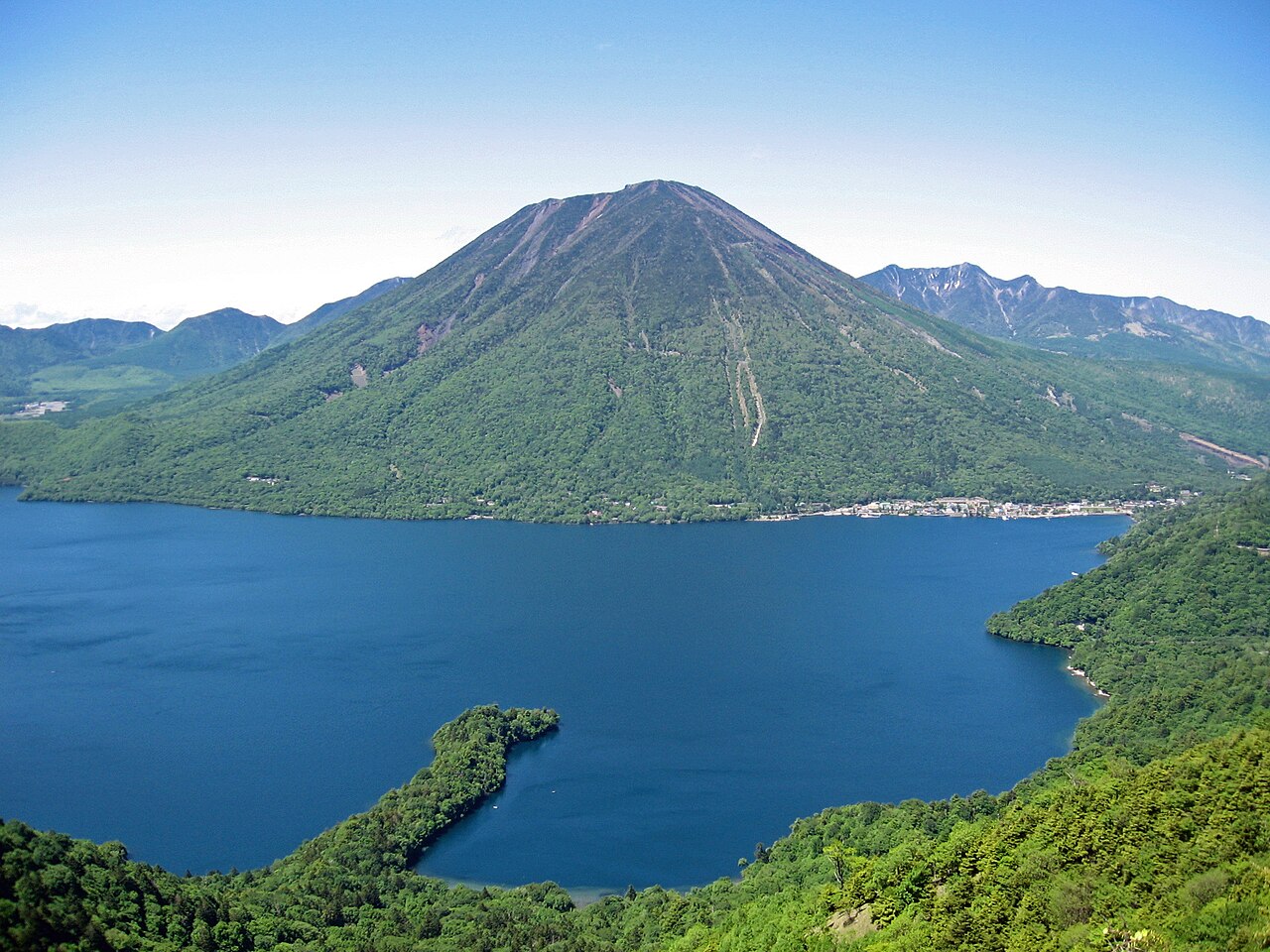
Chuzenji Onsen is the small hot-spring resort town clustered at the eastern end of Lake Chuzenji, sitting at roughly 1,269 metres above sea level at the foot of the sacred volcano Mount Nantai. While most of the lake's shoreline is forested and undeveloped, this eastern corner is where the ryokan, souvenir shops, cafes, boat piers and bus terminal gather, making the town the natural base and gateway for exploring the wider Okunikko (Inner Nikko) highlands.
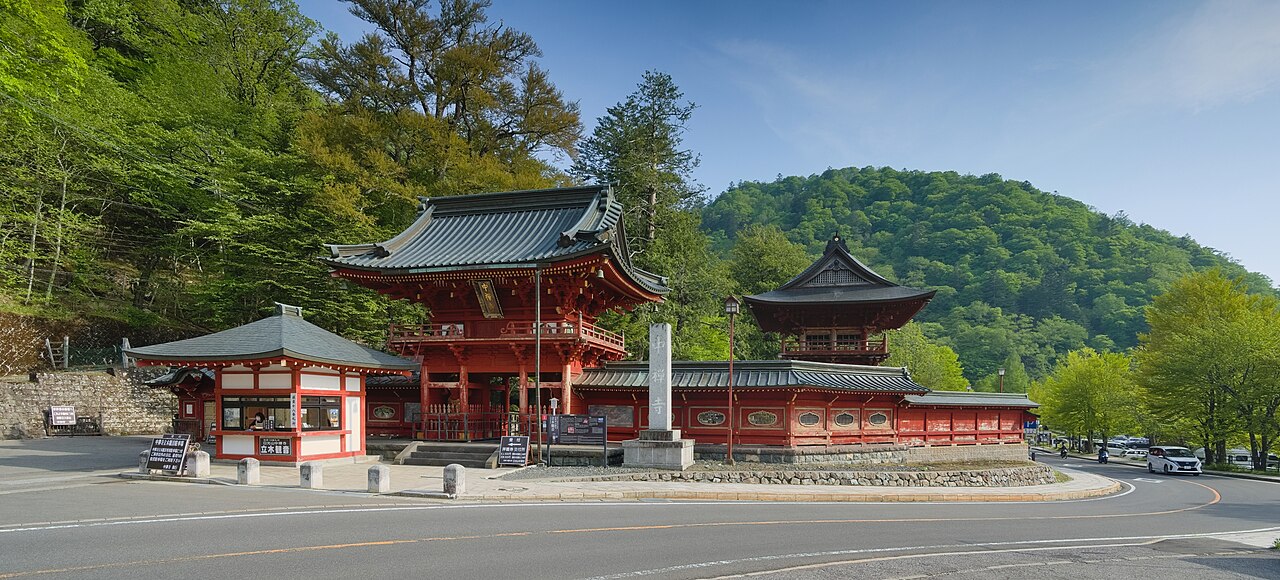
The landscape here is geologically young: an eruption of Mount Nantai dammed the valley about 20,000 years ago and created the lake. The area's spiritual roots run to 784, when the monk Shodo Shonin founded Chuzen-ji temple after his ascent of Nantai. By the Meiji and Taisho eras the cool summer climate had turned the shore into a fashionable retreat for foreign diplomats, who built lakeside villas nearby, including the British and Italian embassy villas that still stand as memorial parks.
There is plenty to do within a short walk or bus ride. Kegon Falls, one of Japan's most famous waterfalls, plunges just east of town; sightseeing boats cruise the lake; and the Akechidaira Ropeway climbs to a panoramic platform. The town itself rewards a slow wander among hot-spring bathhouses, yuba (tofu-skin) restaurants and shops selling local sweets and crafts.
A charming detail: Chuzenji Onsen has no hot spring of its own. Its bathing water is piped roughly 12 kilometres from Nikko Yumoto Onsen, cooling gradually from about 78 degrees Celsius along the way to a perfect soaking temperature by the time it arrives.
The visiting experience is relaxed and scenic, with lakeside promenades, mountain air noticeably cooler than the lowlands, and wide views toward Nantai. The core area around the bus terminal is flat and easy to walk, though some ryokan sit on gentle slopes; the bus terminal, public restrooms and restaurants make it comfortable for families and older travellers. Because it is a mountain resort, evenings are chilly even in summer, so bring a layer.
Autumn, especially mid-to-late October, is the marquee season, when the surrounding maples and larches blaze red and gold and day-trippers pour in; early summer brings blooming azaleas along the shore, and winter is quiet and frigid. To get here, take a Tobu bus bound for Chuzenji Onsen or Yumoto Onsen from Tobu-Nikko or JR Nikko Station; the ride climbs the famous Irohazaka switchback road and takes about 45 to 50 minutes to the Chuzenji Onsen terminal. IC cards are accepted and the Nikko Pass covers the fare. Return buses can be crowded during peak foliage, so plan your descent for early or mid-afternoon rather than dusk.
A local's tip
Buses back down Irohazaka fill up fast on autumn weekends, so grab a numbered queue ticket at the terminal early or ride the ropeway/cruise at midday and descend before 15:00.
Best time to visit
Autumn foliage (mid-to-late Oct)
Getting there
From Tobu-Nikko or JR Nikko Station take a Tobu bus bound for Chuzenji Onsen/Yumoto Onsen up the Irohazaka winding road; about 45-50 minutes to the Chuzenji Onsen bus terminal. IC cards accepted; the Nikko Pass covers the fare.
Good to know
- Parking
- Restrooms
- Restaurants
- Bus terminal
Plan the whole trip offline
Chuzenji Onsen is one of many places in the Real Japan app — with turn-by-turn directions, nearby spots and full offline maps you can use with no signal.